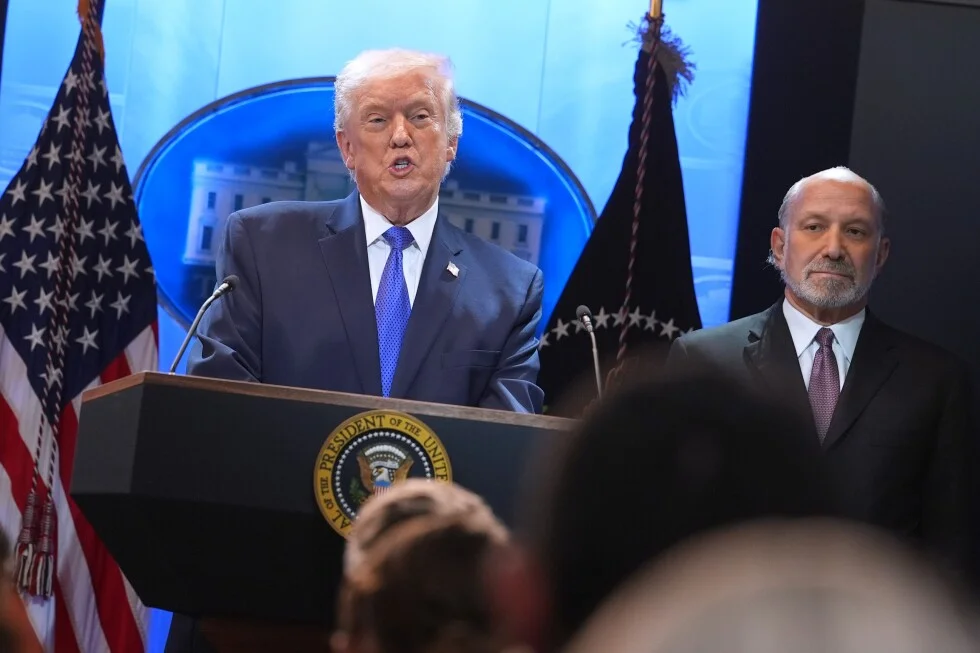
JPMorgan Chase closes Donald Trump’s accounts after Capitol riot
JPMorgan Chase confirms it closed Donald Trump’s bank accounts following the Capitol riot.

All articles tagged with #capitol riot
JPMorgan Chase confirms it closed Donald Trump’s bank accounts following the Capitol riot.
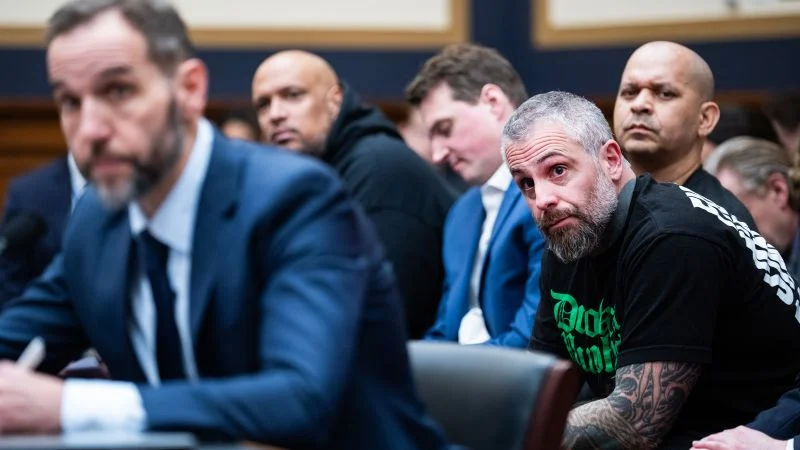
During a House Judiciary Committee hearing, beaten Jan. 6 officer Michael Fanone interrupted Republican Rep. Troy Nehls as he tried to shift blame for the January 6 riot to Capitol Police leadership. Fanone’s retort followed Nehls’s remarks, while fellow officers in attendance listened as Jack Smith testified about accountability and threats to democracy, underscoring the ongoing debate over responsibility for the Capitol attack.
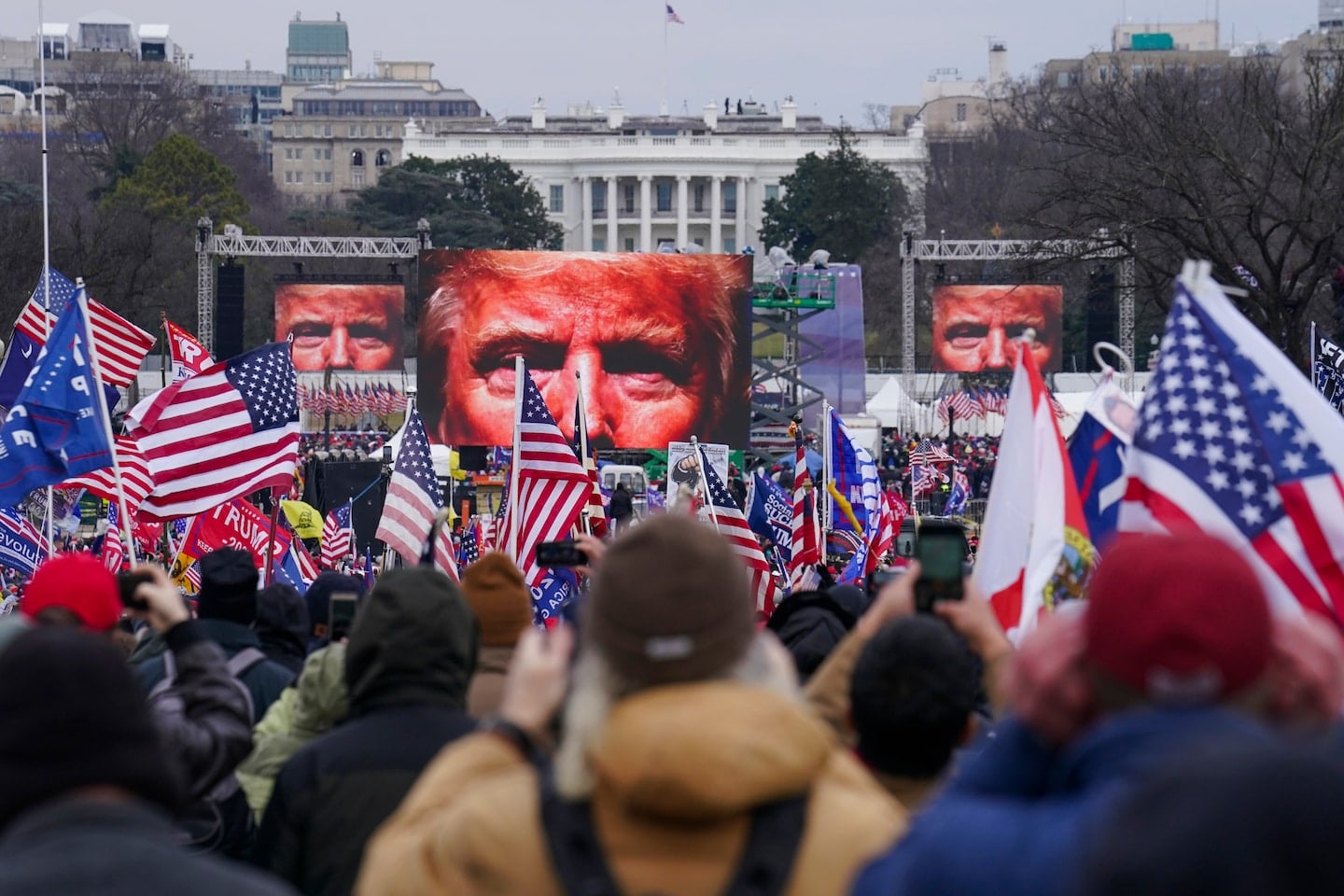
The White House released a website that presents a false narrative of the January 6, 2021 Capitol attack, reflecting ongoing efforts by the Trump administration to reshape the event's history.
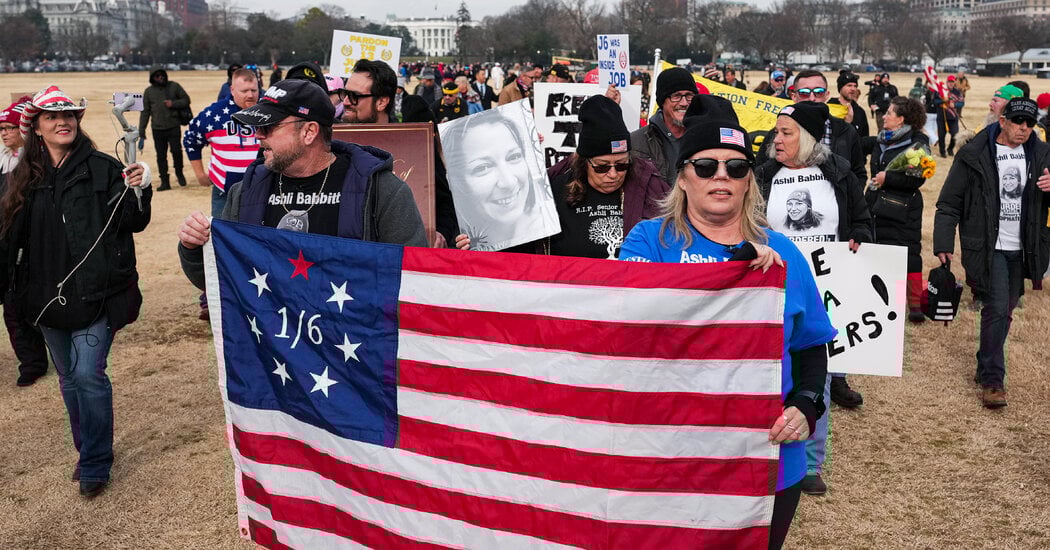
Five years after the Capitol attack, pardoned rioters gathered in Washington to commemorate the event, praise Trump, and demand further action such as restitution and prison reform, while facing mixed reactions and ongoing polarization.
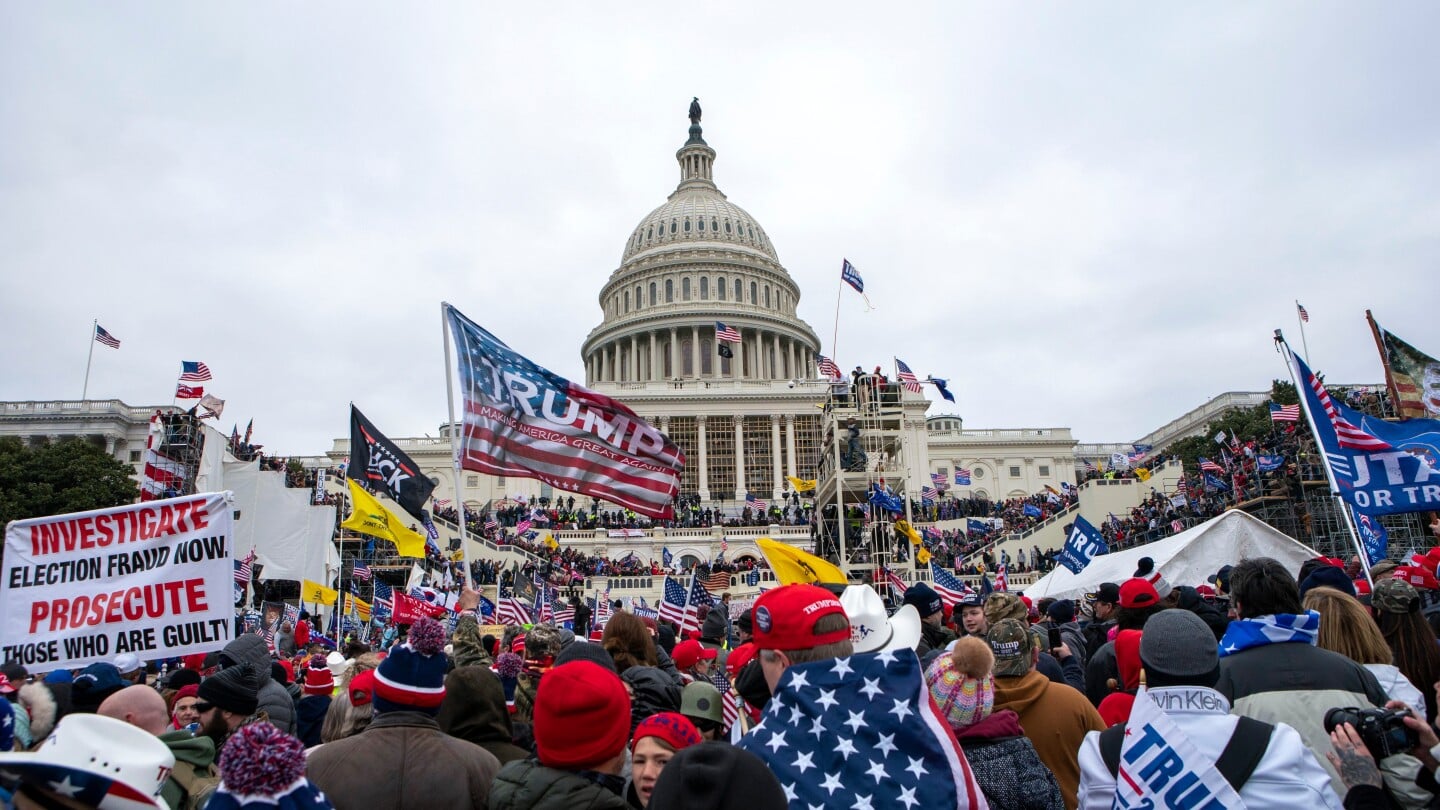
Five years after the Capitol riot, the event remains a deeply divisive issue in U.S. politics, with Democrats and Republicans holding contrasting commemorations and narratives, reflecting ongoing disagreements over the events and their implications.
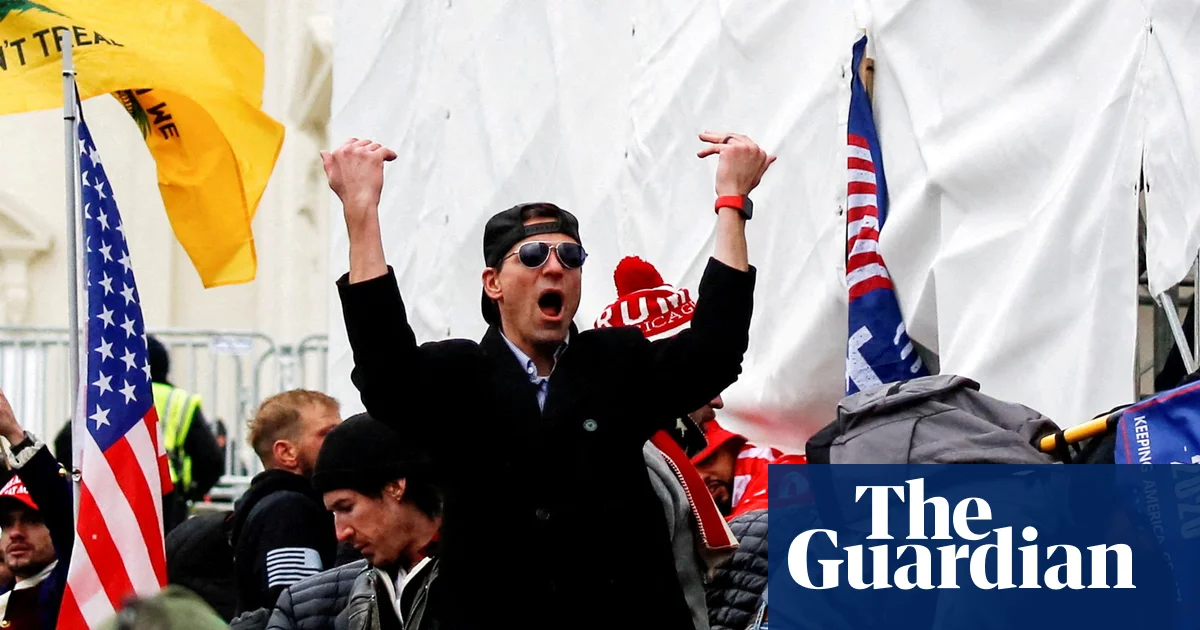
Five years after the Capitol attack, Donald Trump and Republicans are actively working to rewrite the event's history, including pardoning rioters and dismissing the significance of the riot, while Trump's political resurgence continues despite ongoing investigations and efforts to memorialize the event to prevent future attacks.
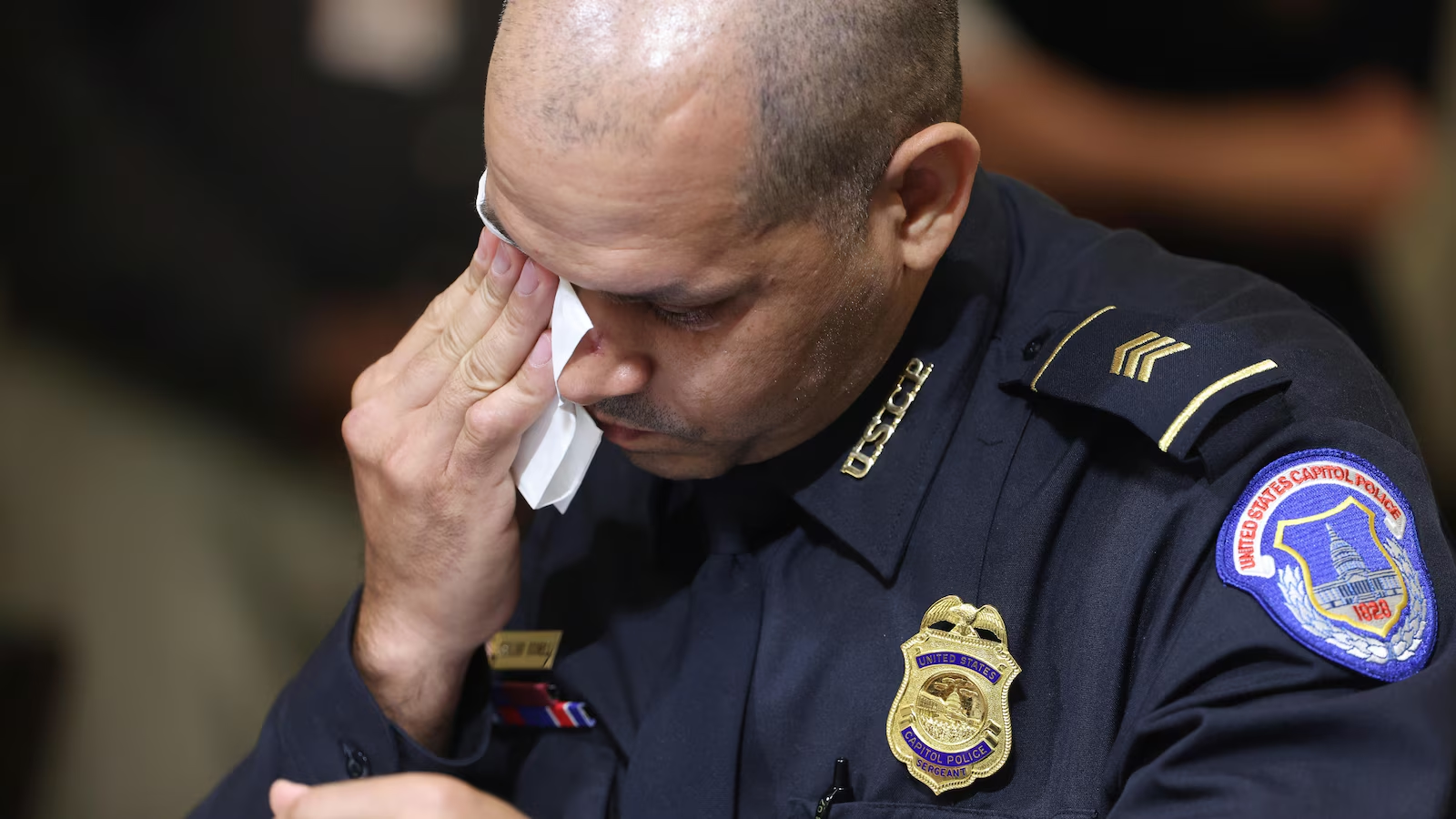
Five years after the Jan. 6 Capitol riot, officers who defended the building still struggle with injuries, trauma, and the impact of pardons granted to rioters by President Trump, amid ongoing debates about the violence and its recognition.
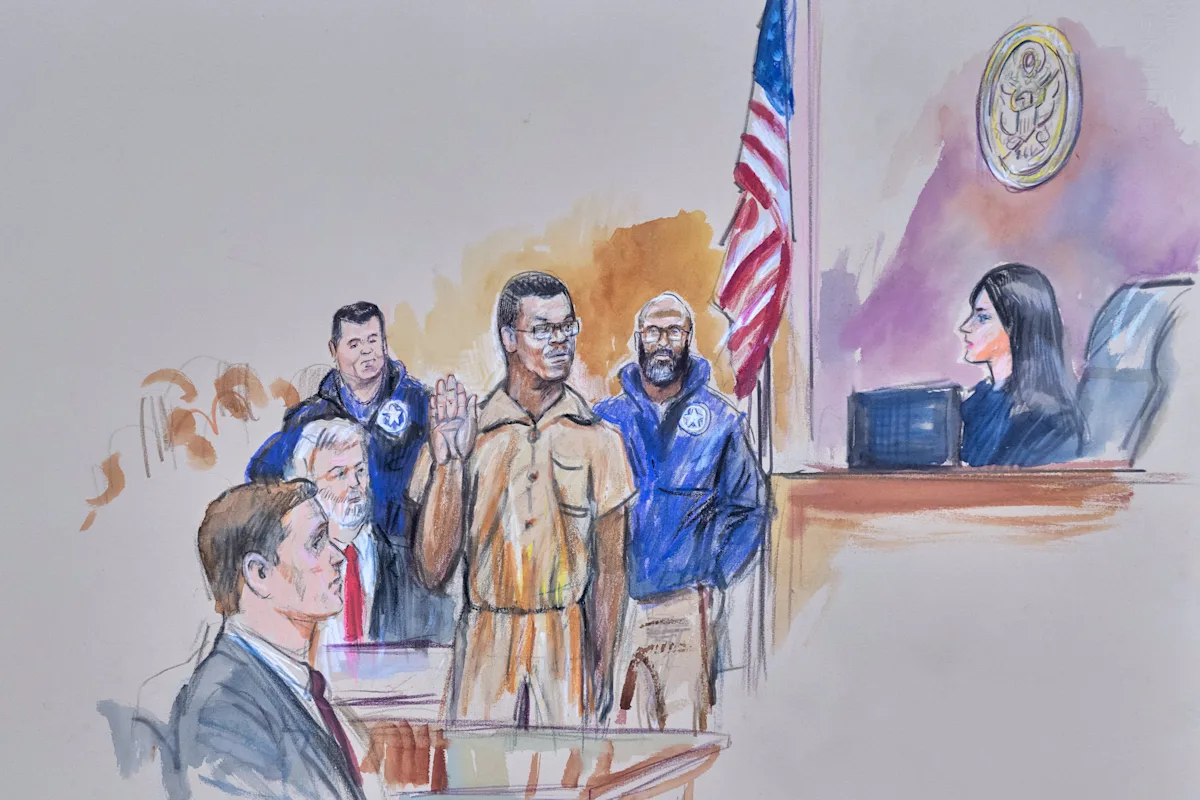
A federal judge denied bail for Brian J. Cole Jr., charged with planting pipe bombs outside DNC and RNC headquarters on the eve of the Capitol riot, citing public safety concerns and the potential for devastating consequences if his actions had succeeded. Cole, who confessed to the bombings and expressed intent to target political parties due to beliefs about the 2020 election, faces significant prison time if convicted. His defense argued he posed no danger due to his lack of criminal history and living situation, but the judge emphasized the risk of impulsive conduct.
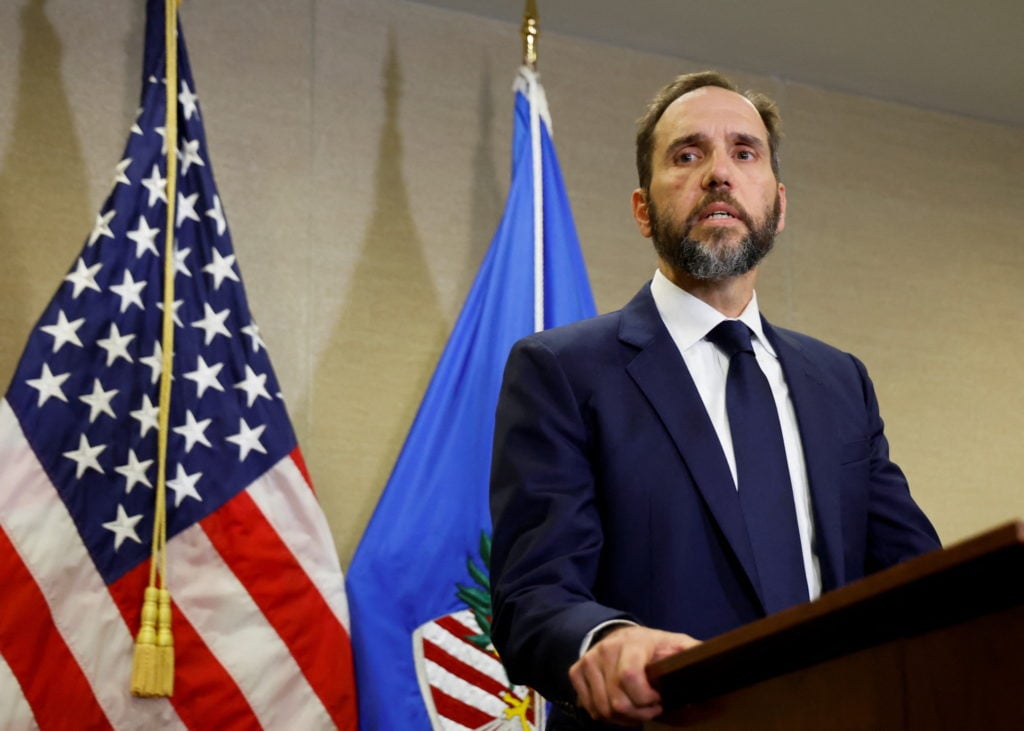
Former special counsel Jack Smith testified that the January 6 Capitol riot would not have occurred without Donald Trump, describing him as the primary responsible person in the conspiracy to overturn the 2020 election, and emphasized the strength of the evidence against Trump in his investigations.
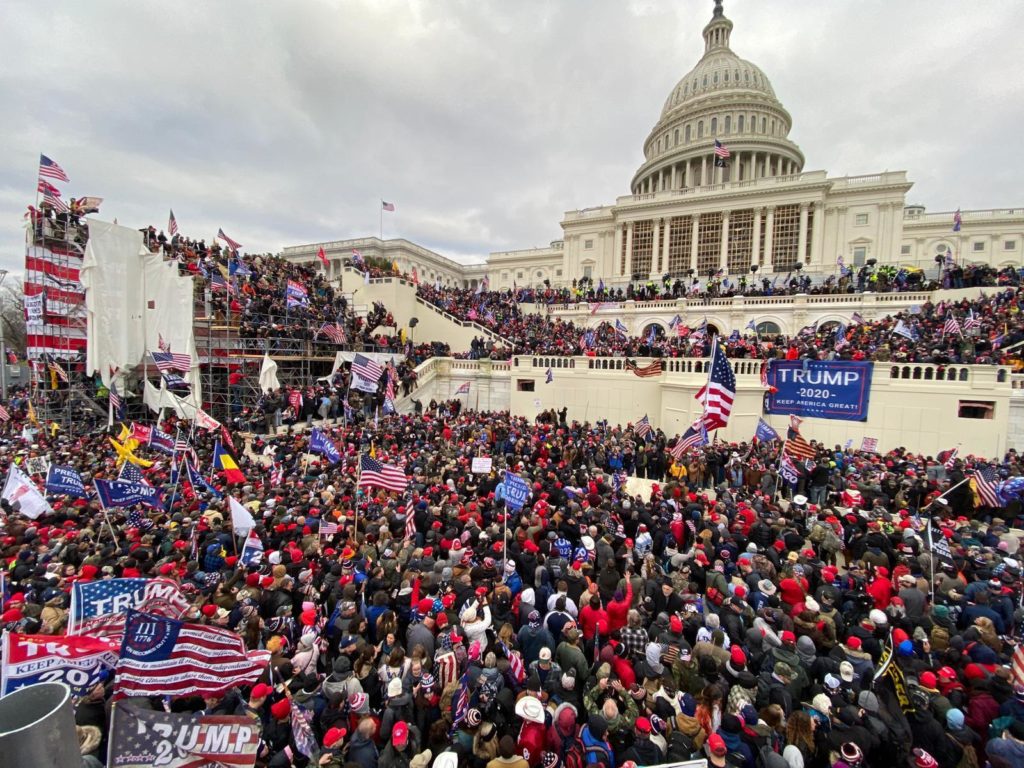
A federal judge is considering whether Donald Trump is entitled to presidential immunity from civil lawsuits related to the January 6 Capitol attack, with arguments focusing on whether his conduct was within his official capacity. The judge has not yet ruled, and the case involves claims from Democratic lawmakers alleging Trump incited the riot.
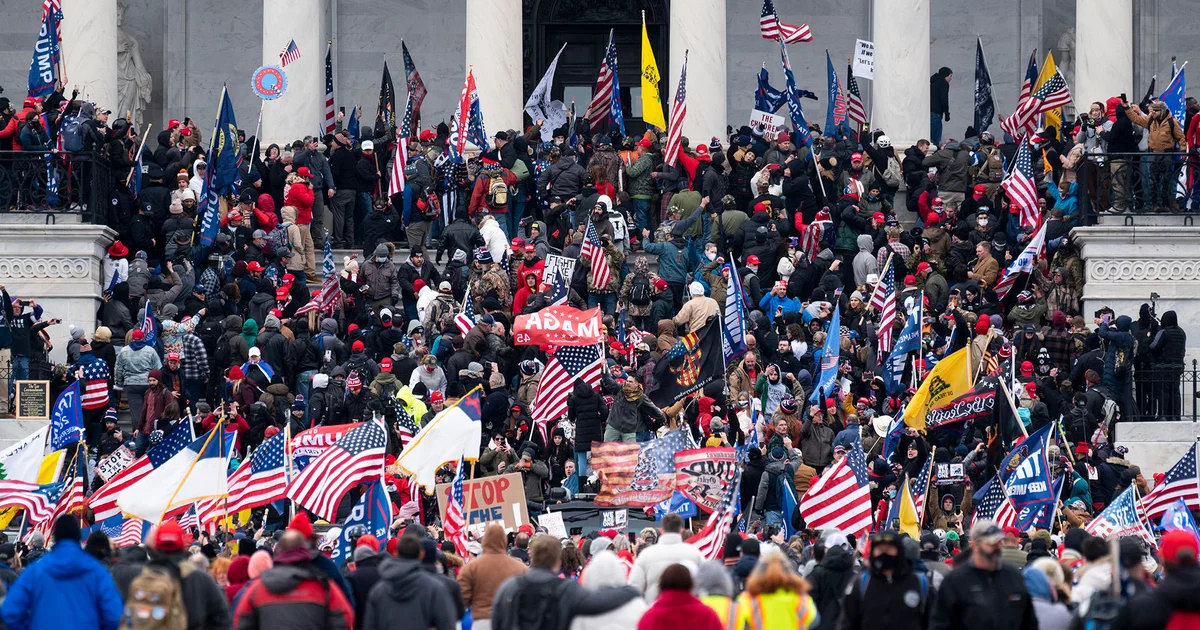
State legislators across the U.S. are actively working to preserve the history of the January 6 Capitol riot through legislation and resolutions, emphasizing the importance of accurate education and public acknowledgment of the events, amid concerns of historical erasure and misinformation.
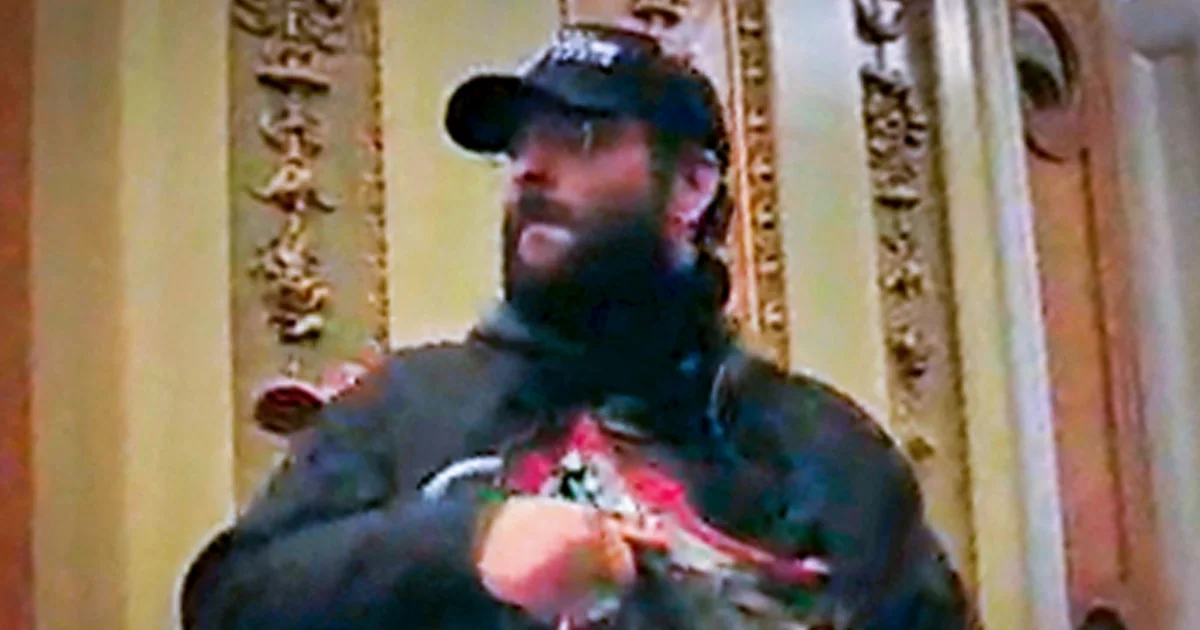
A federal judge praised two prosecutors who were placed on leave after describing the Jan. 6 Capitol attack as a 'mob of rioters,' highlighting their legal work despite the controversy surrounding their characterization of the event.
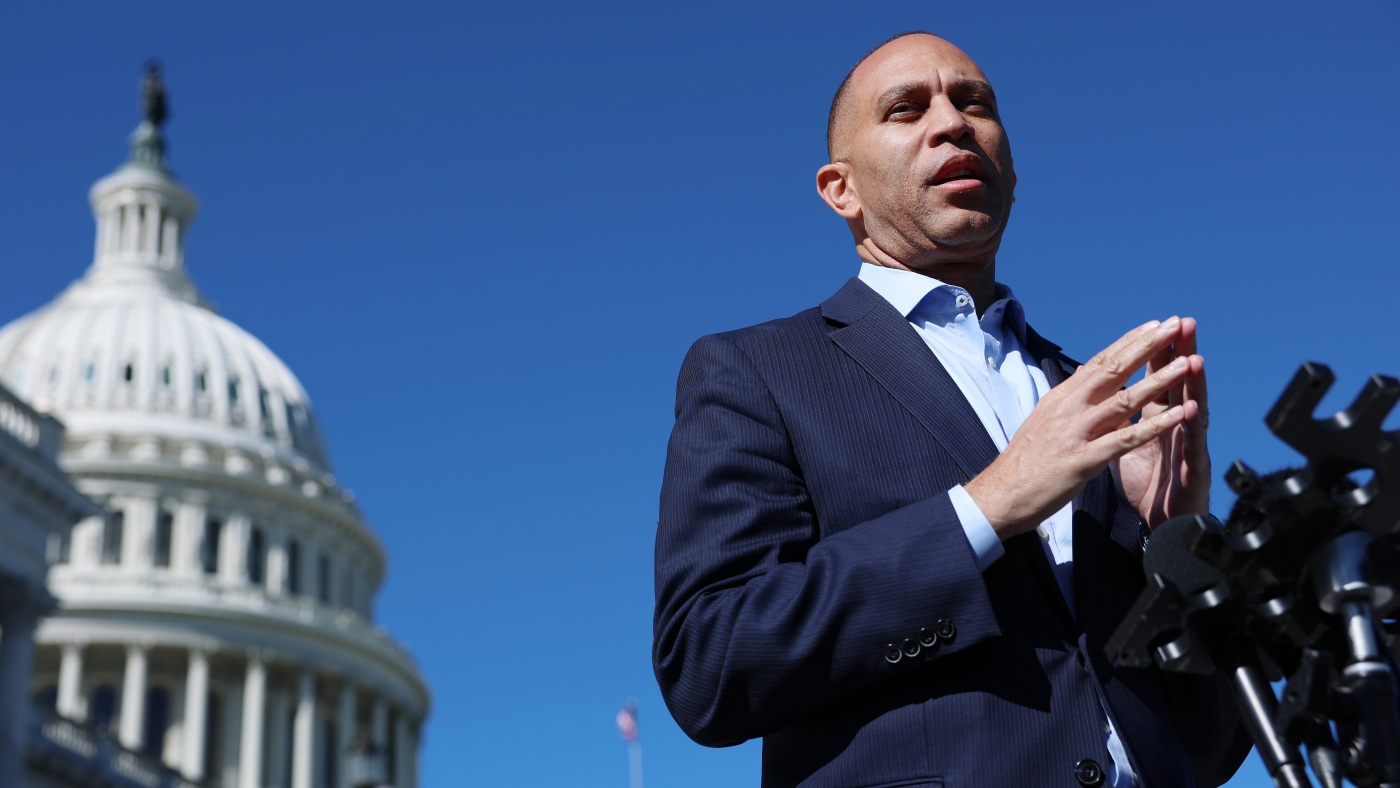
A man pardoned by President Trump for storming the U.S. Capitol in 2021 was arrested for allegedly threatening to kill House Minority Leader Hakeem Jeffries, highlighting ongoing security concerns and the impact of pardons on public safety.
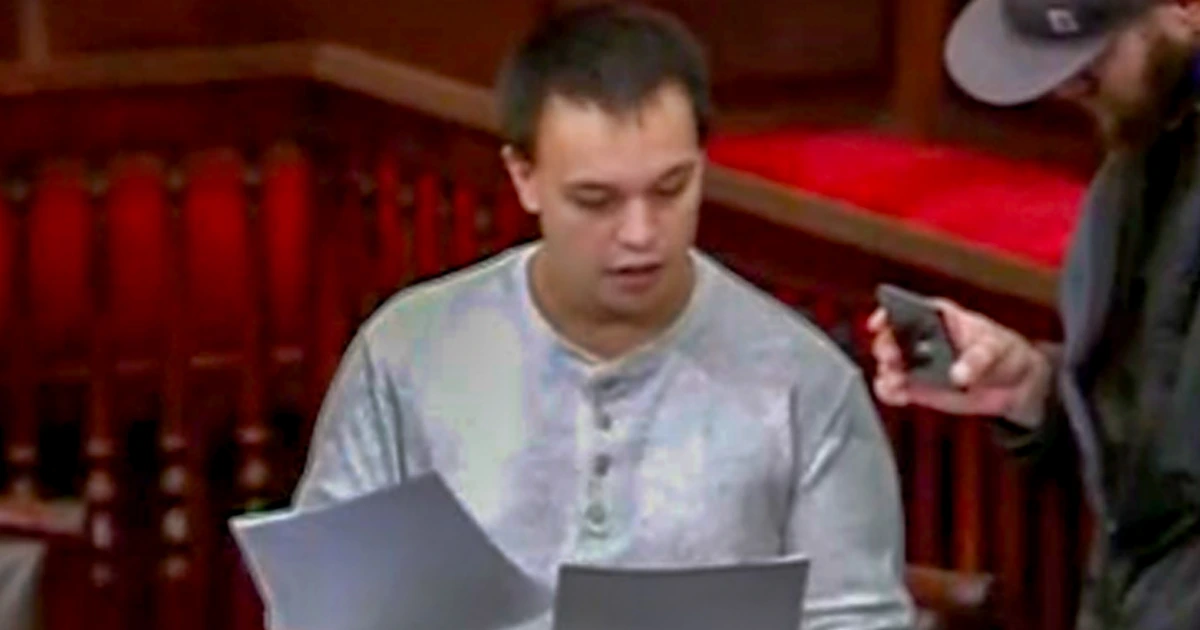
A Jan. 6 rioter pardoned by Trump was arrested for making a credible death threat against House Minority Leader Hakeem Jeffries, highlighting ongoing legal issues and threats linked to the Capitol riot and its aftermath.
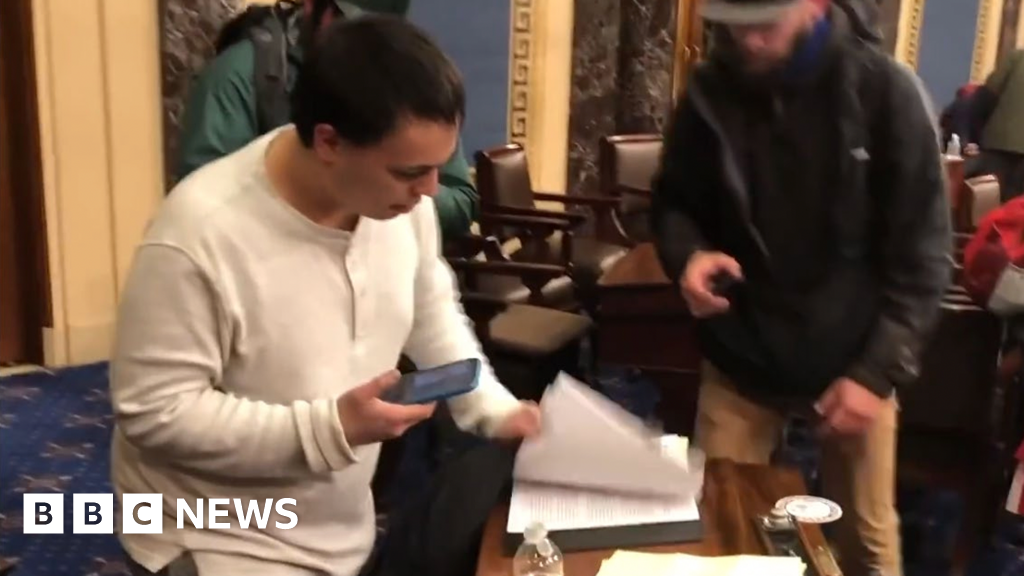
A man pardoned for the 2021 Capitol riot, Christopher Moynihan, has been arrested for allegedly threatening to kill Hakeem Jeffries, a top Democrat, and planned to target him during a speech. Moynihan, who was sentenced to 21 months for his role in the riot, is accused of making credible death threats and has pleaded not guilty. The incident highlights ongoing political violence and the consequences of pardons granted by former President Trump.