Tag

Data Brokers

All articles tagged with #data brokers

California launches new website to help residents block and delete personal data from brokers

Originally Published 3 days ago — by CalMatters

Featured image for California launches new website to help residents block and delete personal data from brokers
Source: CalMatters

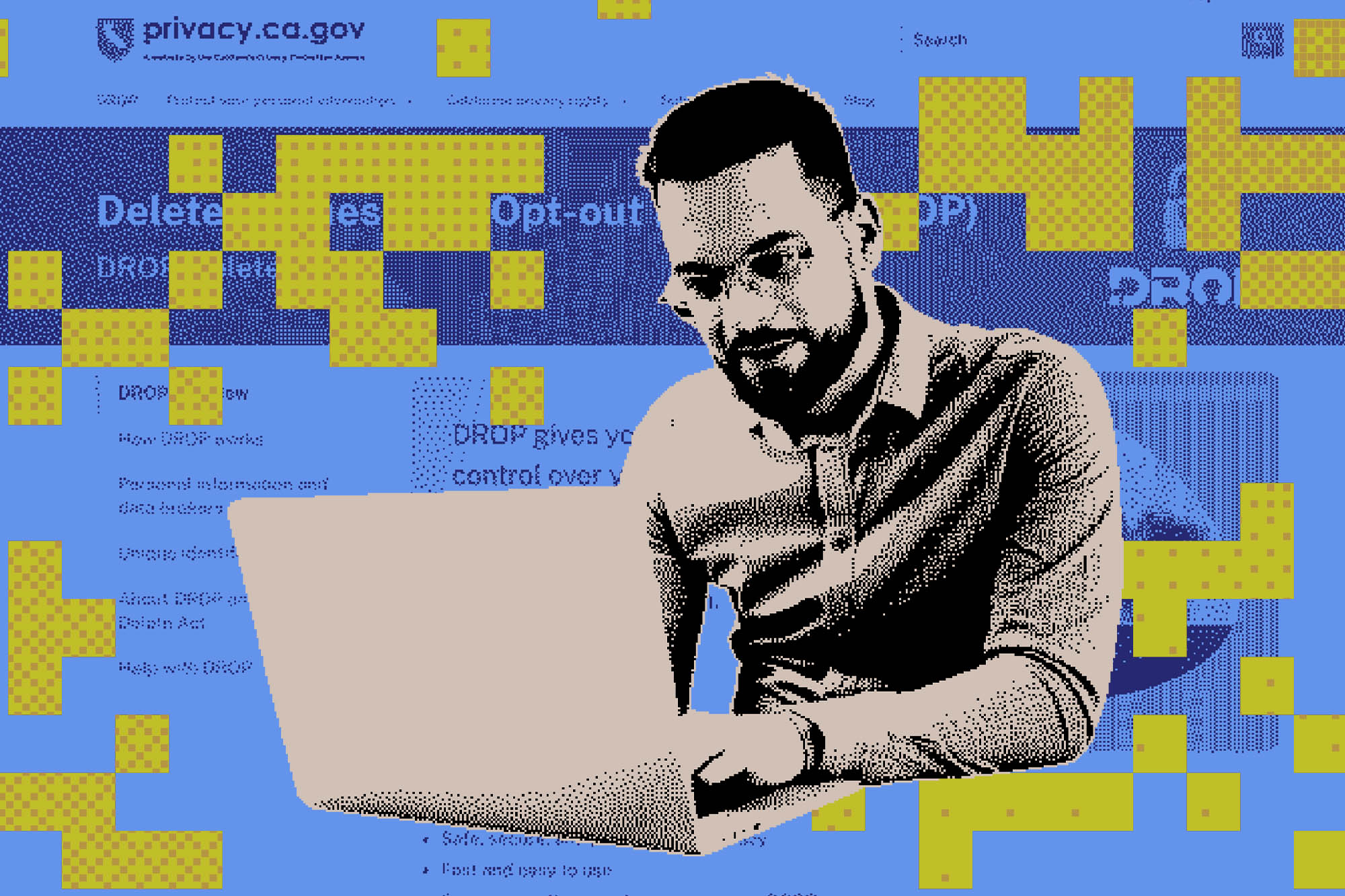
California has launched a new online tool called DROP that allows residents to request the deletion and stopping of sale of their personal data from data brokers, streamlining the process by sending bulk requests to all registered brokers at once, with detailed instructions on how to provide additional identification like mobile advertising IDs for more thorough data removal.


California's DROP Program Empowers Residents to Control Personal Data and Enhance Privacy

Originally Published 6 days ago — by The Guardian

Featured image for California's DROP Program Empowers Residents to Control Personal Data and Enhance Privacy
Source: The Guardian

California has launched the Drop platform, a government tool allowing residents to request the deletion of their personal data from 500 data brokers, aiming to give Californians more control over their information and reduce unwanted communications, as part of the state's new privacy law, the Delete Act.

FTC Cracks Down on Data Brokers for Selling Sensitive Location Info

Originally Published 1 year ago — by The Register

Featured image for FTC Cracks Down on Data Brokers for Selling Sensitive Location Info
Source: The Register

The FTC has settled with data brokers Gravy Analytics and Mobilewalla over allegations of selling precise location data without consent, including sensitive locations like hospitals and protests. The companies agreed to delete improperly collected data and implement consent safeguards. This action highlights ongoing concerns about data privacy and the role of data brokers, with the FTC emphasizing privacy as a bipartisan issue. Concurrently, the CFPB proposed new rules to further protect personal data, underscoring a broader governmental push for stricter data privacy regulations.

US Moves to Curb Data Brokers' Sale of Sensitive Personal Information

Originally Published 1 year ago — by The Verge

Featured image for US Moves to Curb Data Brokers' Sale of Sensitive Personal Information
Source: The Verge

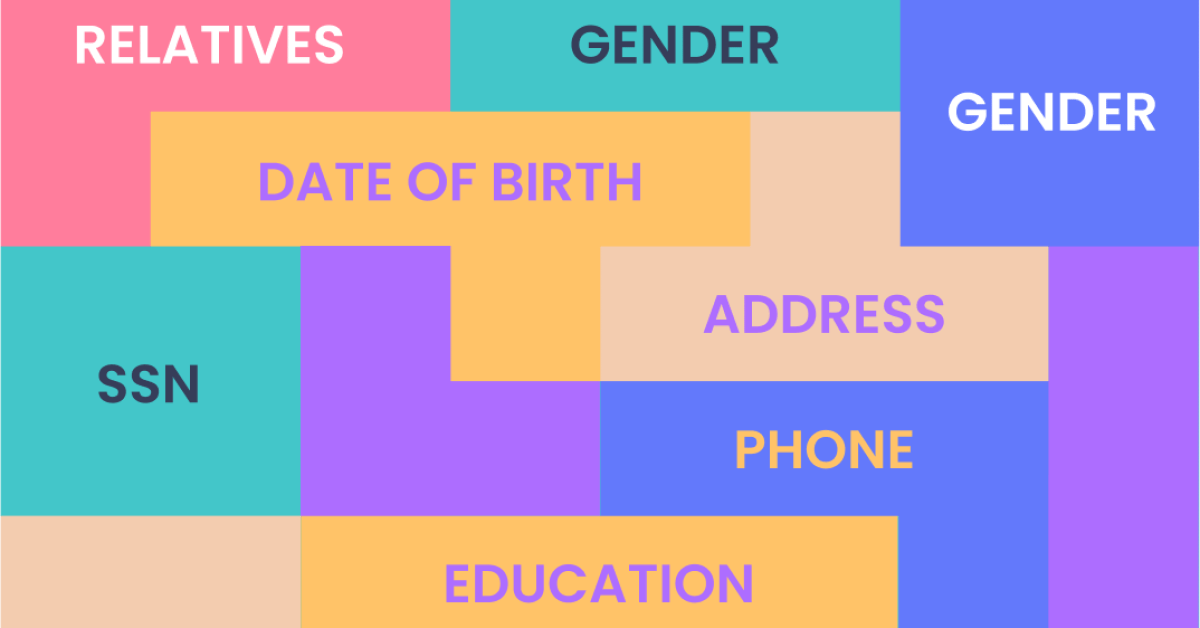
The Consumer Financial Protection Bureau (CFPB) is proposing a rule to limit data brokers from selling sensitive personal and financial information, such as Social Security numbers, by classifying them as consumer reporting agencies under the Fair Credit Reporting Act (FCRA). This move follows major data breaches and aims to protect consumer privacy by requiring explicit consent for data sharing. The rule targets private companies, not government operations, and is open for public comment until March 2025, though potential political changes could impact its implementation.

"DuckDuckGo Introduces $10 Privacy Pro Plan with VPN and Data Protection"

Originally Published 1 year ago — by WIRED

Featured image for "DuckDuckGo Introduces $10 Privacy Pro Plan with VPN and Data Protection"
Source: WIRED

DuckDuckGo, known for its privacy-focused web search and browser, is launching a new tool that automatically scans data broker websites for personal information and requests its removal without users having to submit their details. This tool is part of DuckDuckGo's first subscription service, Privacy Pro, which also includes a VPN and an identity-theft-restoration service. The company's CEO, Gabriel Weinberg, emphasizes the need to address the data broker industry, a $200-plus billion market that collects and sells personal information. Additionally, DuckDuckGo's VPN, built in-house and using the WireGuard protocol, does not store any logs of users' activities and is undergoing a third-party audit for transparency.

"Digital Ghosting: A Step-by-Step Guide to Erasing Your Online Presence"

Originally Published 1 year ago — by 9to5Google

Featured image for "Digital Ghosting: A Step-by-Step Guide to Erasing Your Online Presence"
Source: 9to5Google

In 2024, with the increasing presence of AI and the potential for privacy invasion, it's important to protect personal information online. Steps to remove oneself from the internet include requesting removal of sensitive webpages from Google search results, adjusting social media privacy settings, and dealing with data brokers who profit from personal details. Incogni, a service by Surfshark, offers assistance in removing personal information from data brokers and provides a 55% discount on an annual plan with the code "9to5Google."

"Mastering Digital Privacy: A Guide to Erasing Your Online Presence"

Originally Published 1 year ago — by 9to5Mac

Featured image for "Mastering Digital Privacy: A Guide to Erasing Your Online Presence"
Source: 9to5Mac

Protecting your online privacy involves locating and requesting the removal of personal information from websites and data brokers. Data brokers collect and sell personal data, which can lead to unwanted spam calls, affect loan eligibility, and influence insurance rates. Incogni, a data-erasing service by cybersecurity Surfshark, streamlines the removal process from data companies and people search sites, offering efficient and continuous privacy protection. It sends opt-out requests and handles rejection appeals, restarting the process every few months to keep data out of circulation. 9to5Mac readers can get 55% off Incogni’s annual plans with a special code, and the service comes with a 30-day money-back guarantee.

"White House Executive Order Protects Americans' Sensitive Data from Foreign Adversaries"

Originally Published 1 year ago — by The Associated Press

Featured image for "White House Executive Order Protects Americans' Sensitive Data from Foreign Adversaries"
Source: The Associated Press

President Biden signs an executive order to protect Americans' personal data from foreign adversaries like China and Russia, targeting commercial data brokers that traffic in personal data. The order aims to prevent the large-scale transfer of Americans' personal data to "countries of concern" and establish safeguards without limiting legitimate commerce around data. The Department of Justice will issue regulations to establish protections for Americans' sensitive personal data, including geolocation information on sensitive government sites and members of the military. The move follows Biden's previous executive order on artificial intelligence and seeks to balance technology development with national security and consumer rights.

"White House Executive Order Targets Sale of Americans' Personal Data to Foreign Powers"

Originally Published 1 year ago — by CNN

Featured image for "White House Executive Order Targets Sale of Americans' Personal Data to Foreign Powers"
Source: CNN

President Biden is set to issue an executive order aimed at restricting foreign governments' ability to purchase sensitive personal data of Americans, such as health and geolocation information, due to national security concerns. The order will empower the Justice Department to regulate commercial transactions that pose a risk to national security and require better protection of sensitive government information, including data on US military members. The move comes in response to the growing threat of foreign powers buying Americans' personal data from data brokers, with a focus on countries like China and Russia.

"Mozilla's Monitor Plus: Automatically Scrubbing Your Personal Data from the Web"

Originally Published 1 year ago — by Ars Technica

Featured image for "Mozilla's Monitor Plus: Automatically Scrubbing Your Personal Data from the Web"
Source: Ars Technica

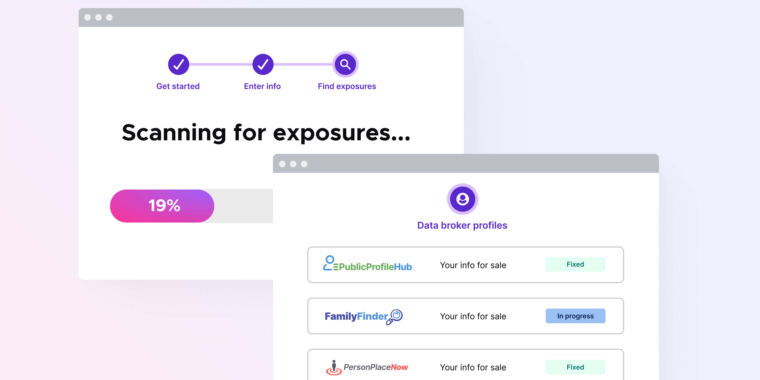
Mozilla has launched Monitor Plus, a service that automatically monitors "people search" sites and known data breaches for your information and handles the removal process. The Plus version costs $14 monthly or $108 annually, and aims to help users cleanse their details from data broker sites, typically taking 7 to 14 days for removal. This offering adds to Mozilla's suite of privacy-focused tools, including a VPN service and Relay, with potential for a bundled privacy-focused package in the future.

The Growing Trend of Grocery Stores as Data Brokers

Originally Published 2 years ago — by CNBC

Featured image for The Growing Trend of Grocery Stores as Data Brokers
Source: CNBC

Grocery stores are joining the ranks of data brokers by collecting and monetizing consumer data through loyalty programs, location tracking, app usage, and digital receipts. This shift to offline data acquisition has raised concerns about consumer privacy and control over personal information. A study found that a majority of Americans feel they have little control over what marketers can learn about them, leading to "data fatigue." The data broker market is projected to reach $545 billion by 2028. The U.S. government is now taking steps to address these privacy concerns.

Sale of U.S. Military Personnel's Personal Data Exposes Alarming Vulnerability

Originally Published 2 years ago — by AOL

Featured image for Sale of U.S. Military Personnel's Personal Data Exposes Alarming Vulnerability
Source: AOL

A study conducted by Duke University reveals that personal information of active-duty U.S. service members is readily available for purchase from data brokers, including names, phone numbers, addresses, and even details about their children, marital status, net worth, and credit rating. The study found that this information can be bought for as little as 12 cents per person, raising concerns about national security risks. Senators have called for action to address this issue, emphasizing the need to protect those who defend the nation. The study also highlights the lack of regulation in the data brokerage sector, with over 500 websites advertising information on service members. The availability of such data poses a threat as it can be used by foreign spies to identify individuals with access to state secrets.

US Military Personnel's Sensitive Data Sold Online for Mere Pennies

Originally Published 2 years ago — by CNN

Featured image for US Military Personnel's Sensitive Data Sold Online for Mere Pennies
Source: CNN

Researchers from Duke University have discovered that sensitive personal information, including home addresses and health conditions, of thousands of active-duty US military personnel can be purchased online from data brokers for as little as $0.12 per record. The study highlights the national security concerns of foreign intelligence services potentially obtaining this information, which could be used to target or blackmail military personnel and their families. The researchers found that the US data-broker ecosystem, which includes major credit reporting agencies and mobile apps, lacks legal restrictions on buying and selling personal data. Regulators are now considering new regulations to address this issue, while Senator Ron Wyden has called for comprehensive solutions to protect Americans' data.

States' Initiatives to Safeguard and Enhance Data Privacy

Originally Published 2 years ago — by PBS NewsHour

Featured image for States' Initiatives to Safeguard and Enhance Data Privacy
Source: PBS NewsHour

State legislatures are taking action to improve privacy for personal data as data brokers continue to profit from collecting and selling information without proper consent or security measures. Privacy advocates argue that this data, which includes real-time location and spending habits, is obtained without permission. John Yang speaks with privacy counsel Emory Roane to discuss these concerns.