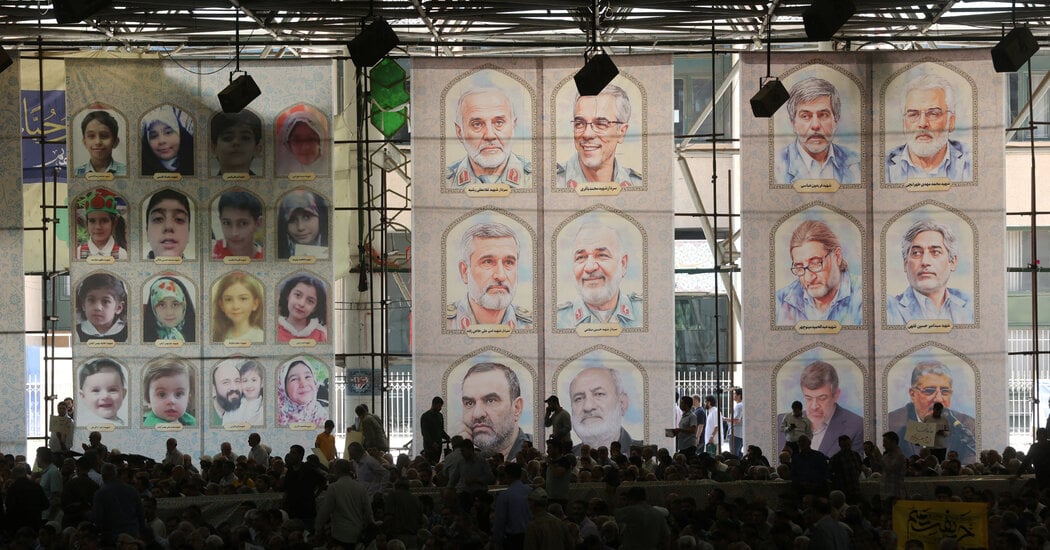
Israel successfully tracked and targeted Iranian leaders and scientists during a 12-day war by hacking bodyguards' phones, revealing significant security vulnerabilities in Iran's efforts to protect its top officials, and highlighting the ongoing shadow war between the two countries.
Ukrainian Colonel Ivan Voronych, who led a secret intelligence unit involved in orchestrating assassinations of pro-Russian militants, was shot and killed in Kyiv, highlighting ongoing covert operations and tensions in Ukraine.
Recent targeted killings of Iranian Quds Force commanders highlight significant breaches in Iran's intelligence security, with Israel believed to be behind many covert operations, exposing vulnerabilities within Iran's internal security and intelligence agencies.
President Trump has privately criticized Minnesota Governor Walz and has not reached out to him following a tragic shooting, instead publicly dismissing Walz and blaming him for the incident due to a past appointment. Trump and other GOP figures have downplayed the violence, contrasting with the administration's public stance against political violence. The situation highlights political tensions and differing responses to the tragedy.
Pakistan's foreign secretary has accused India of orchestrating the killings of two Pakistani citizens, citing credible evidence of Indian agents' involvement in the assassinations. Tensions between the nuclear-armed neighbors have escalated, with both countries trading allegations of harboring and training militants. India has dismissed the accusations as "false and malicious anti-India propaganda," while Pakistan claims to have documentary, financial, and forensic evidence linking Indian agents to the killings. This latest development adds to the strained relations between the two countries, which have a history of conflict and territorial disputes.
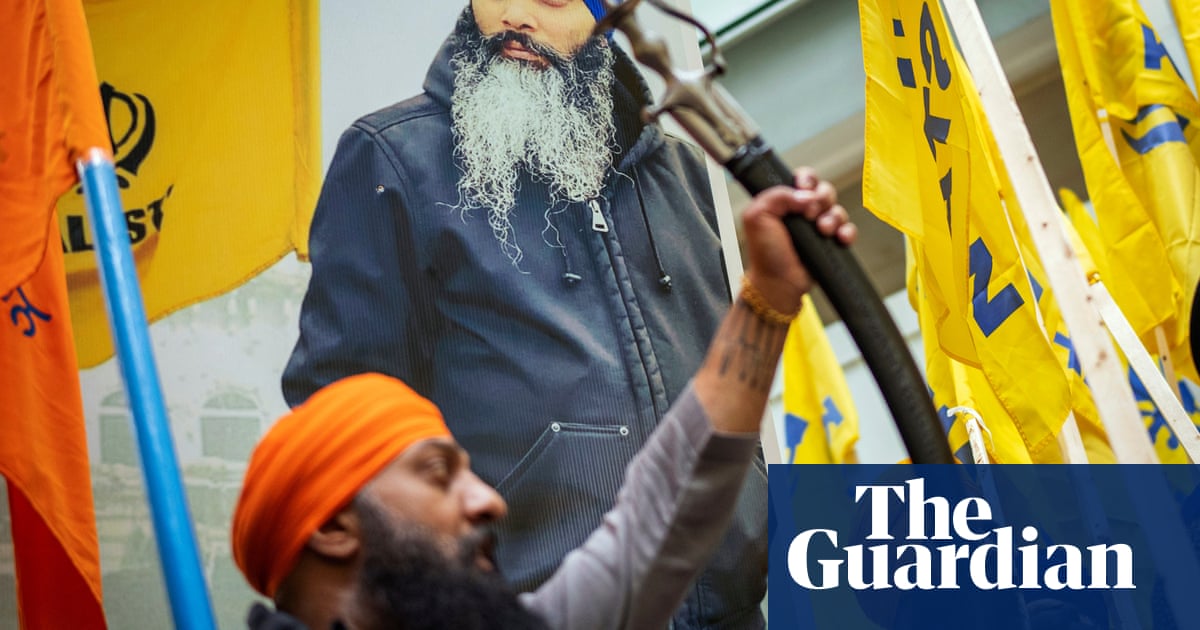
Pakistan has accused Indian agents of carrying out two assassinations on Pakistani soil, drawing comparisons to the killing of a Sikh activist in Canada. The foreign secretary stated that India was running a "sophisticated and sinister" campaign of "extraterritorial and extrajudicial killings" inside Pakistan, using technology and safe havens on foreign soil. These accusations add fuel to claims that the Indian government has been carrying out targeted attacks against dissidents in foreign countries, with similarities to alleged assassination plots in Canada and the US. Pakistan claims to have evidence linking Indian agents to the murders and is calling for India to be held accountable internationally for its violation of international law.
Recent assassinations by Israel of key figures linked to Iran and Hezbollah, including Sayyed Razi Mousavi and Saleh al-Arouri, have raised tensions in the Middle East. While Iran and Hezbollah have vowed retaliation, their responses have been limited, likely due to the potential risks of a full-scale war with Israel and internal economic and political pressures. Israel's ongoing military actions in Gaza and targeted killings suggest a strategy of preemptive and expansive engagement. Meanwhile, Iran and its allies may continue to engage in indirect warfare, such as supporting the Houthi insurgency in Yemen and attacking US interests in the region, to avoid direct confrontation. The situation remains volatile, with the potential for escalation into a wider conflict if provocations continue.
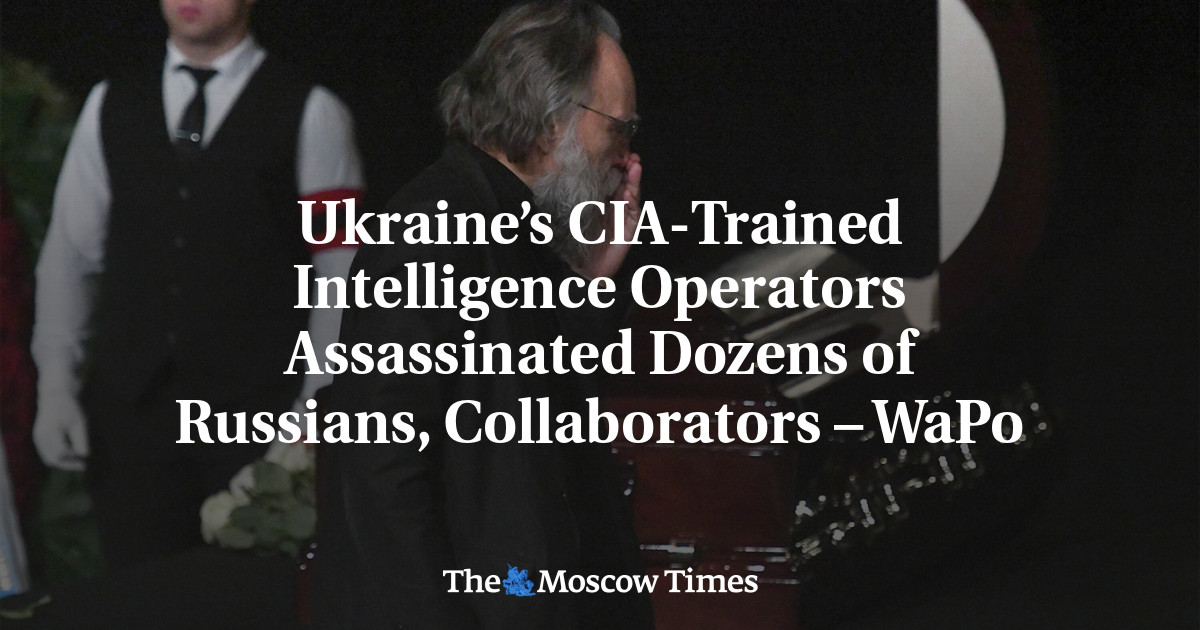
Ukraine's CIA-trained intelligence agencies have reportedly carried out targeted killings of "dozens" of Russians and Ukrainian collaborators since Russia's invasion of Ukraine, according to anonymous sources cited by The Washington Post. The missions were conducted by elite teams formed, trained, and equipped in partnership with the CIA, which has invested significant funds in transforming Ukraine's intelligence agencies since 2015. However, U.S. officials deny any direct involvement by the CIA in the assassinations. The targets included individuals such as Daria Dugina, daughter of pro-war ultranationalist Alexander Dugin, and a senior Russian draft officer. The SBU and GUR agencies also conducted drone strikes on Russian soil, including an attack on the Kremlin. Ukraine has not claimed responsibility for these attacks, and the CIA and Ukrainian government declined to comment on the report.
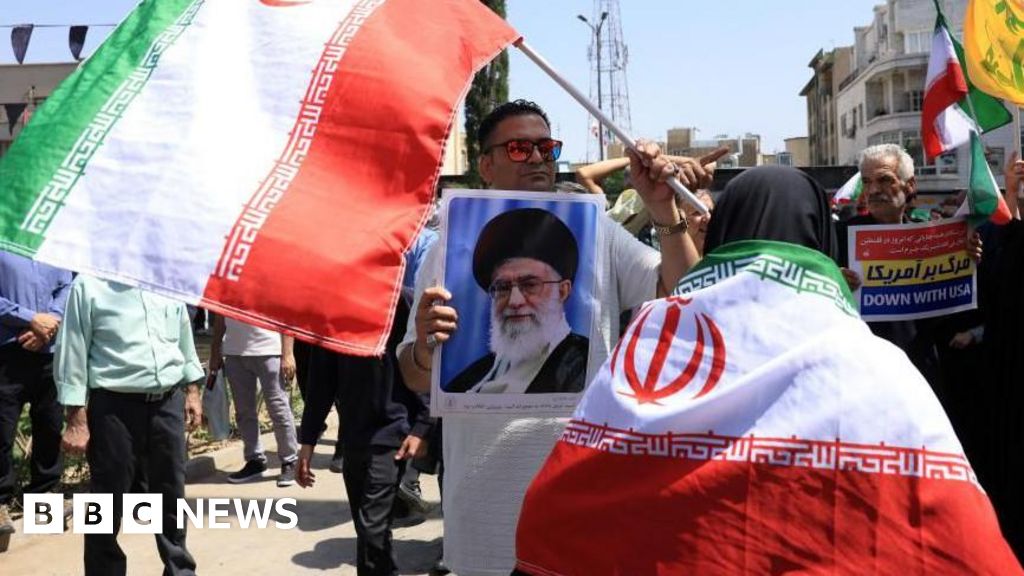
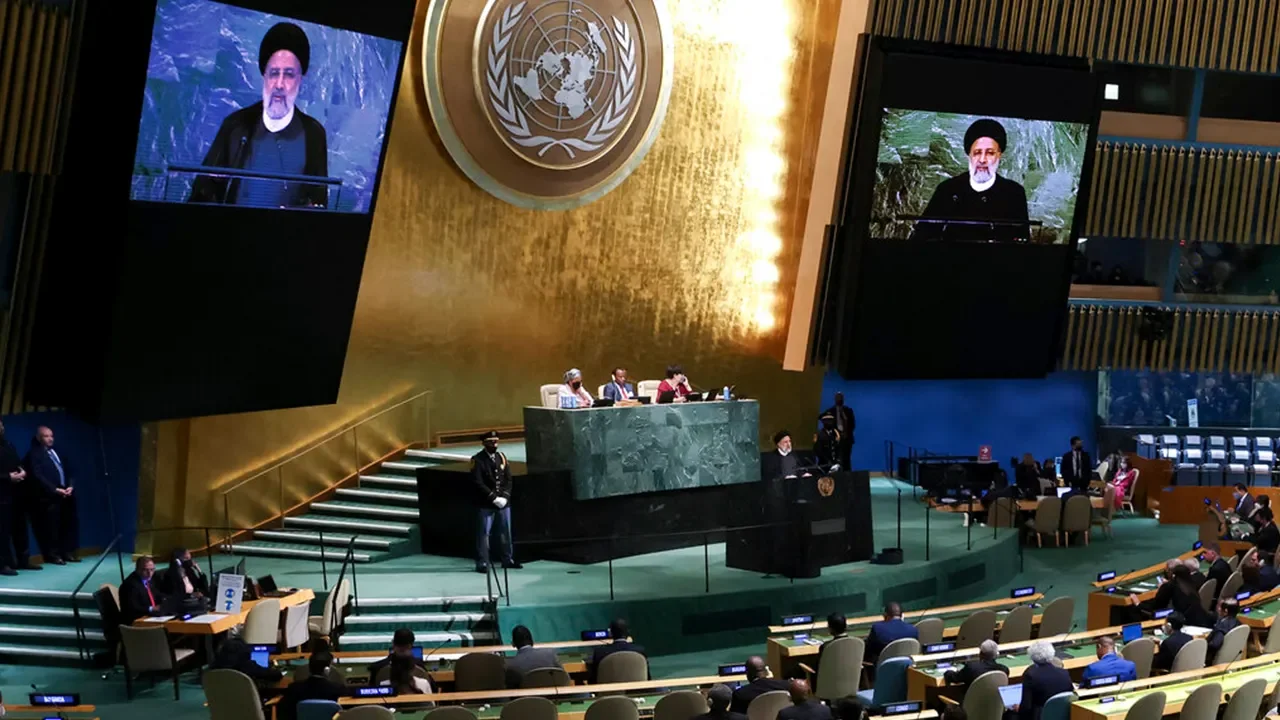
Outrage is growing as Iran's President Ebrahim Raisi arrives in New York City to address the United Nations, with critics arguing that he should be banned due to his sponsorship of planned assassinations of American citizens and his role in the killing of protesters. Raisi, known as the "butcher of Iran," has a history of human rights abuses and has been sanctioned by the Trump administration. Republican senators have introduced legislation to bar Raisi from entering the United States, but the State Department says it is obligated to issue visas to representatives of UN member states. Iranian-American organizations are planning protests against Raisi outside the UN headquarters.
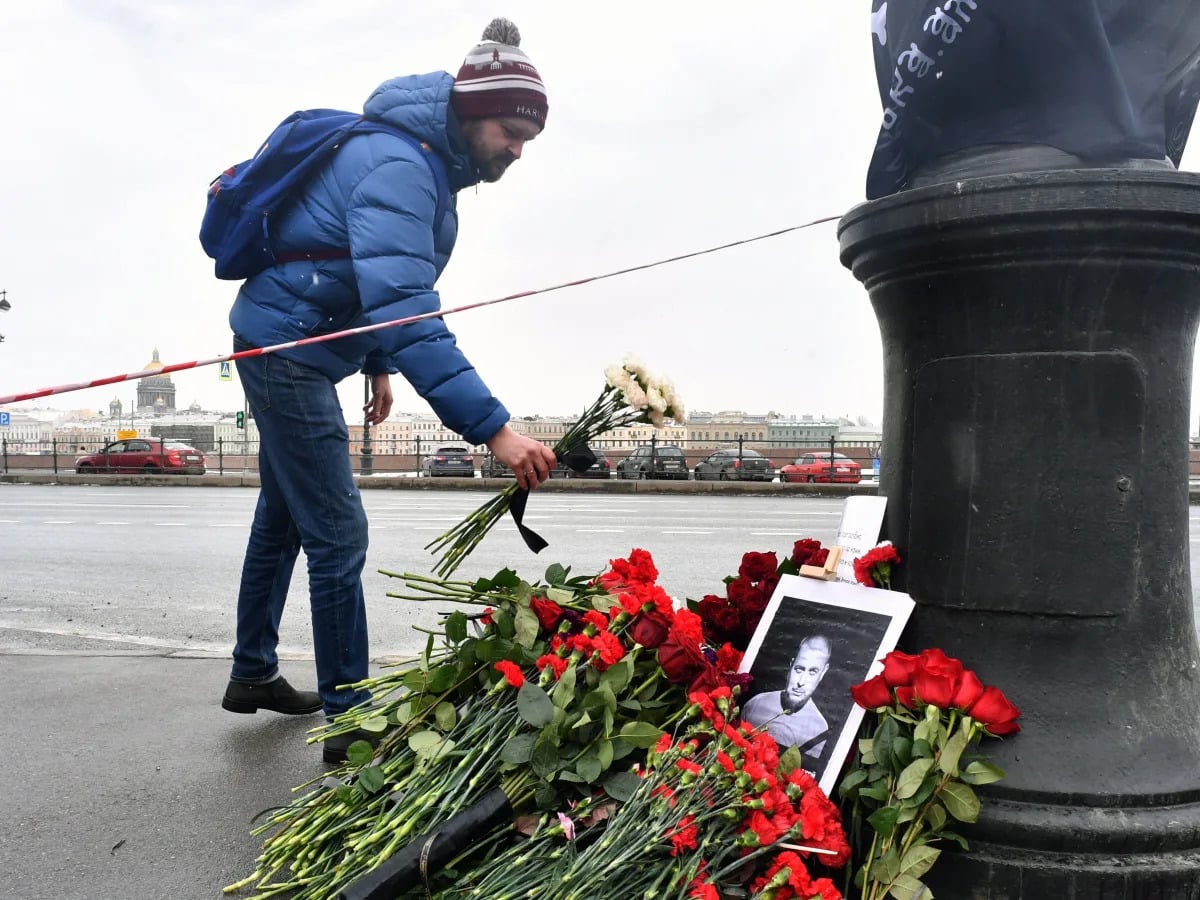
Valentin Nalivaychenko, a former Ukrainian spy and current Parliament member, expressed concern over Ukraine's assassination squads going too far, stating that the security services shouldn't act solely because they can. While some assassinations have been justified, others have lacked strategy and endangered agents and their sources. Ukrainian officials have also raised concerns that targeting mid-level propagandists in Russia's information and political systems may be more about impressing the president than achieving victory in the war. Ukraine's network of spies has reportedly increased its attacks, particularly on pro-war propagandists far from the front lines. Recent suspected assassinations include a Russian submarine commander and a Russian military blogger.
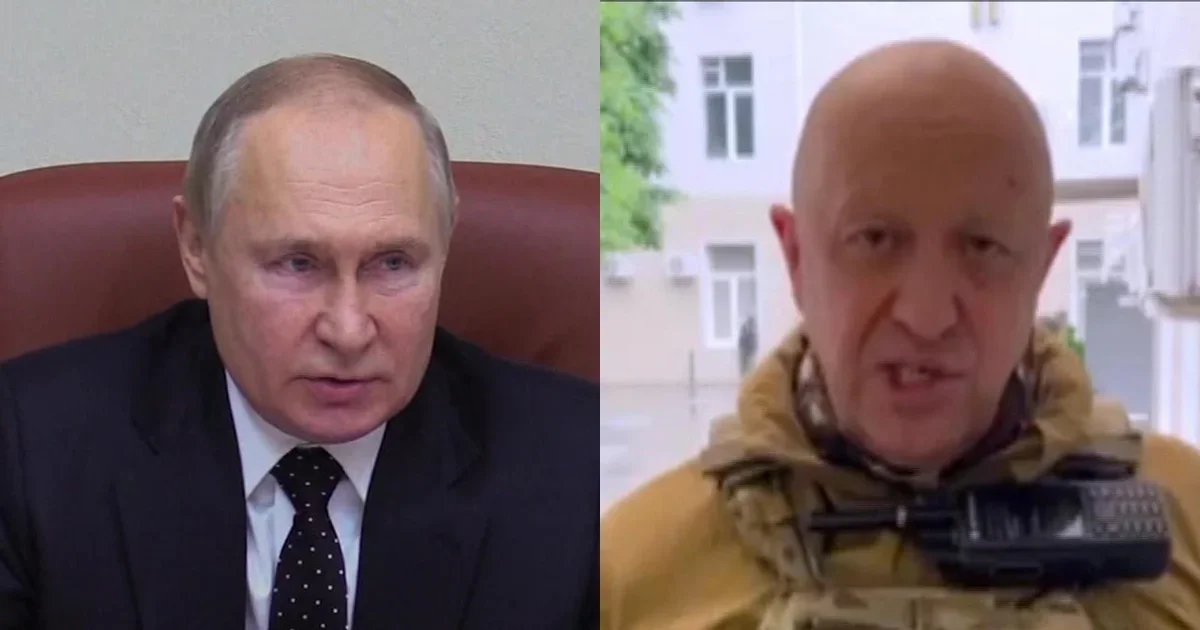
Leon Panetta, former CIA director and secretary of defense, stated that if you cross Russian President Vladimir Putin, the likelihood is you're going to die, as Putin runs Russia like the godfather of a crime family, with a history of violent deaths, mystery illnesses, and dubious suicides. The recent suspicious death of Yevgeny Prigozhin, leader of the Wagner Group, further highlights Putin's control and retribution tactics.
Over the years, Kremlin foes, including political opponents, former intelligence operatives, and journalists critical of the Russian government, have been targeted in various ways, ranging from poisonings with nerve agents to shootings and mysterious deaths. The Kremlin has consistently denied involvement in these attacks, but there have been reports of prominent Russian executives dying under suspicious circumstances, including falling from windows. The recent plane crash that killed Yevgeny Prigozhin and top lieutenants of his private military company, Wagner, is believed to have been intentionally caused by an explosion, according to a preliminary U.S. intelligence assessment. Some see this as another example of Putin silencing his critics.
Ukraine's spy chief, Major-General Kyrylo Budanov, has revealed that his agents have been assassinating Russian pro-war propagandists far behind enemy lines with the help of some Russian citizens. Budanov said that his network has operated behind the frontlines and has successfully targeted quite a few people. Recent attacks, such as a cargo train derailment, have been enacted by almost 100 percent citizens of the Russian Federation. Budanov's claims of Russian help with sabotage operations haven't been independently substantiated.