fashion-industry2.475 min read
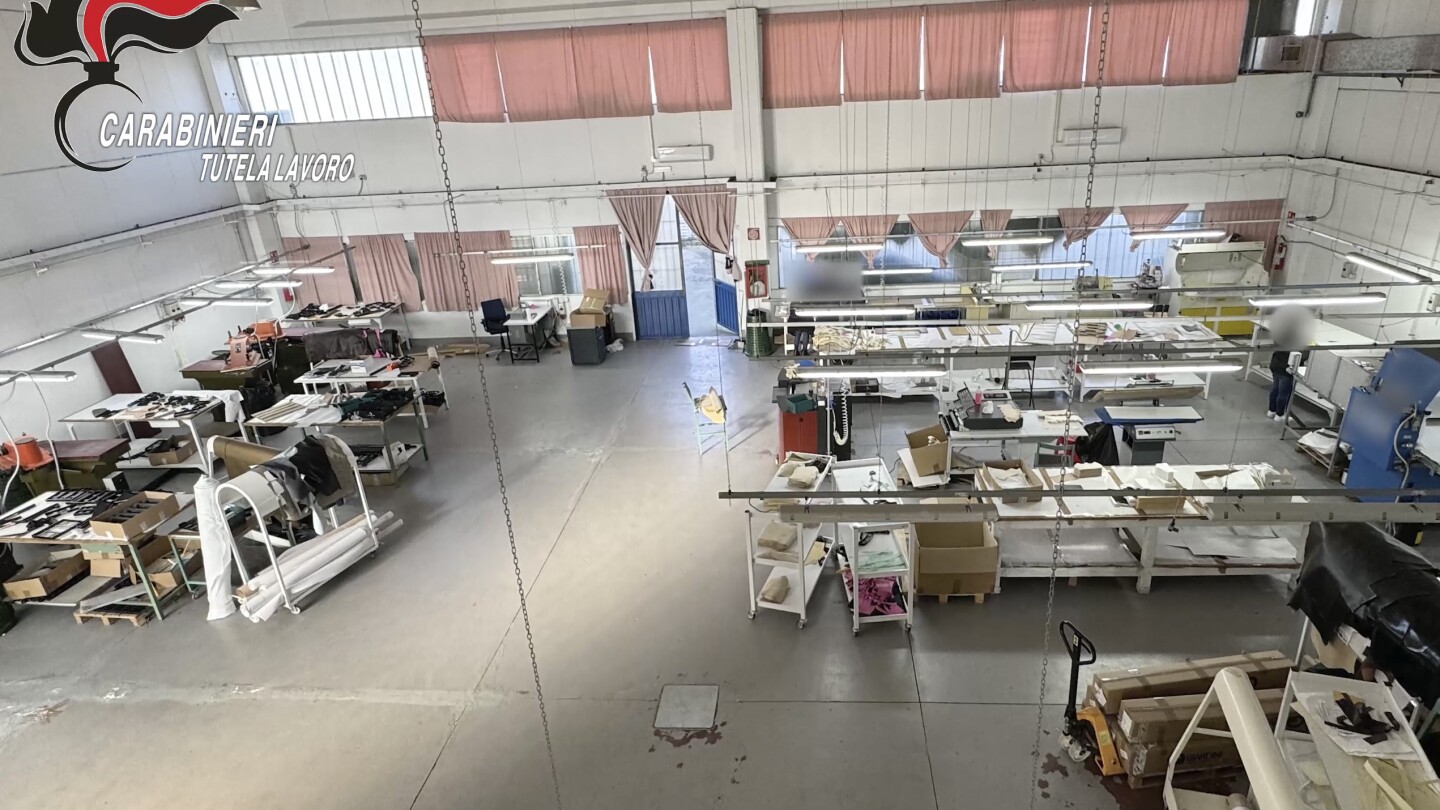
Italian Police Uncover Exploitation of Chinese Workers in Giorgio Armani Bag Production
1 year ago•Source: The Associated Press

The latest fashion industry stories, summarized by AI

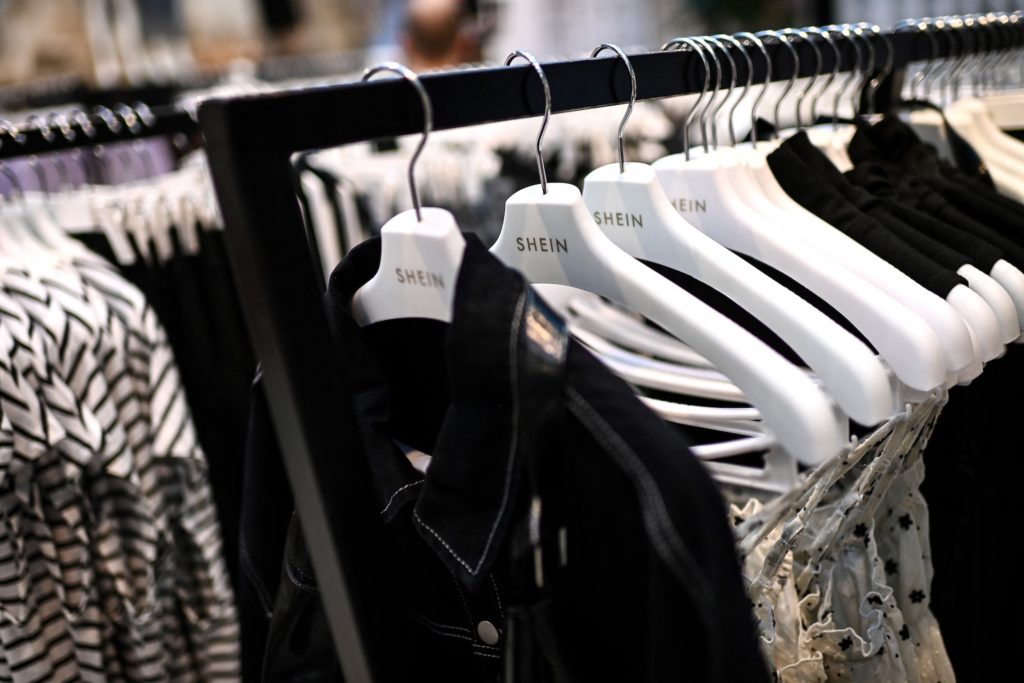
The second-hand clothing market is booming, with celebrities and consumers embracing pre-owned fashion, but most companies in the industry are struggling to turn a profit. The oversupply of clothing, labor-intensive processing, and hidden costs are major challenges. Despite its eco-friendly reputation, the resale industry often relies on the sale of new clothing to subsidize second-hand fashion. Experts suggest that government funding, technology, and reducing the production of new clothes are essential for the industry's success and addressing the climate crisis.
The Washington Post•2 years ago
Euronews•2 years ago
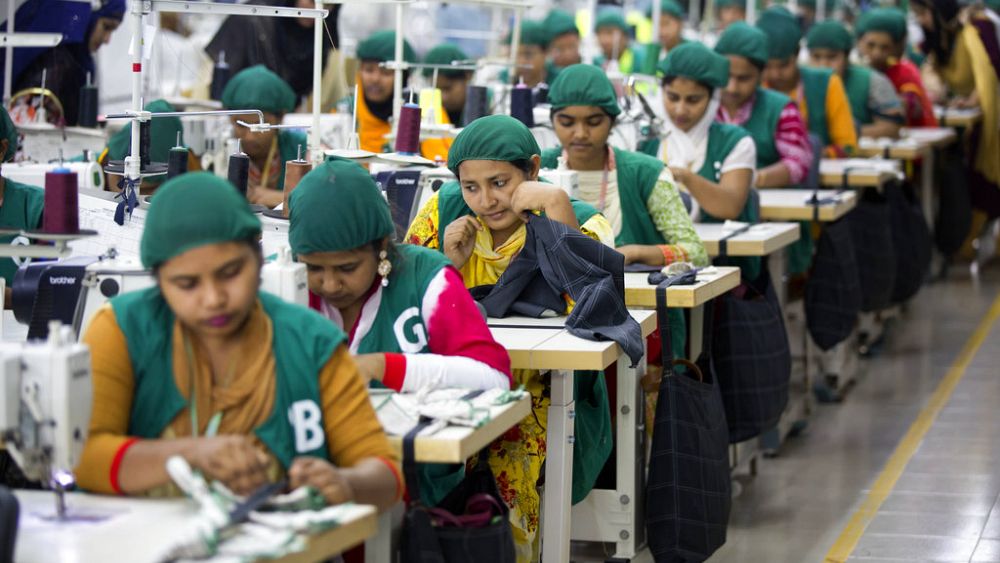
The Rana Plaza tragedy in Bangladesh, which killed over 1,100 people and injured 2,500 more, led to the Accord on Fire and Building Safety in Bangladesh, a legally binding agreement between brands, trade unions and NGOs. While the Accord has raised awareness around the safety of garment workers in Bangladesh, the industry continues to fall short on other matters, such as paying people enough to reach the living wage threshold. Sustainable and fair production in the fashion industry is being called for by numerous organizations, including Fashion Revolution and Human Rights Watch.
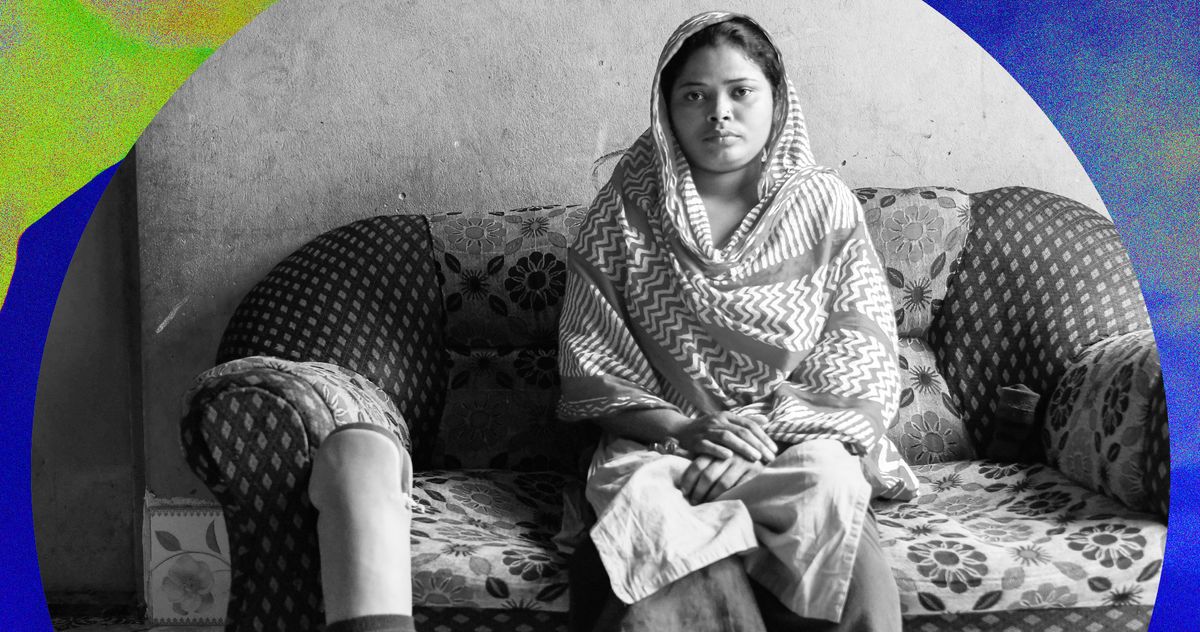
Ten years after the Rana Plaza factory collapse in Bangladesh, which killed over 1,000 workers, the garment industry in the country is safer, but there is still much work to be done. While the Accord on Bangladesh Fire and Building Safety has made factories demonstrably safer, two million workers remain in factories untouched by the agreement. The power dynamic between western companies and the garment sector in Bangladesh remains deeply unbalanced, and workers are not free to exercise their union rights. The industry still lacks living wages, and wage stagnation and inflation have put pressure on workers and their families.