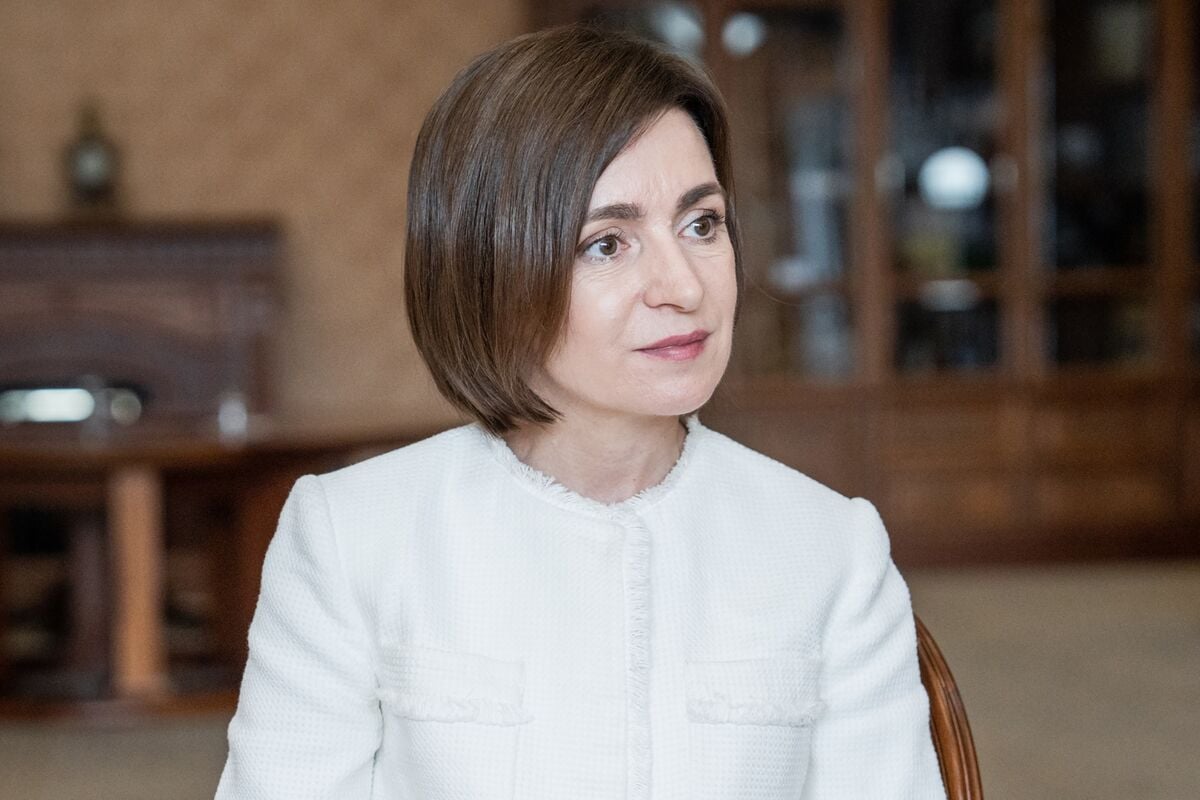
Russia has a detailed plan to interfere in Moldova's upcoming elections to prevent pro-European candidate Maia Sandu from winning, involving disinformation, vote manipulation, and support for pro-Russian factions, with the goal of keeping Moldova aligned with Moscow rather than the EU.
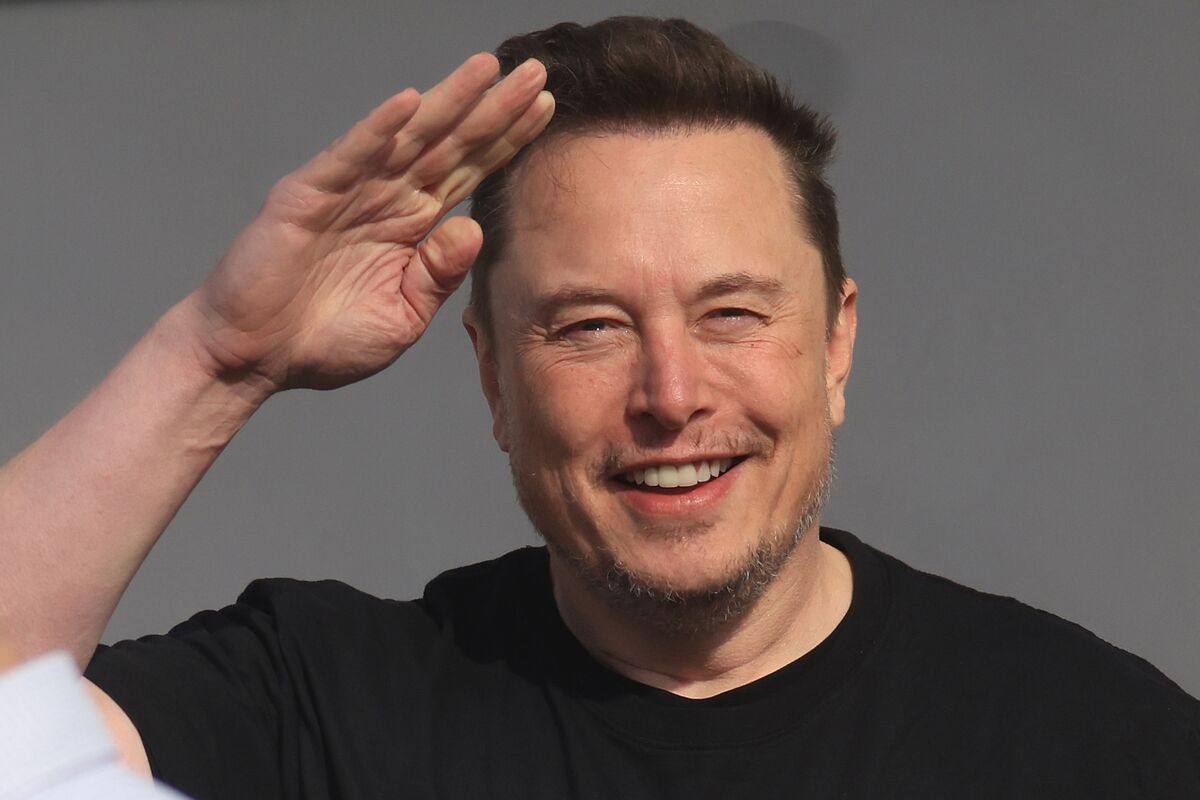
Brazil's Supreme Court Justice has initiated an inquiry into whether Elon Musk obstructed justice and engaged in a disinformation campaign through his social media platform X, formerly known as Twitter. The court alleges that X is abusing its economic power to illegally influence public opinion, and Musk has been added to a criminal inquiry investigating anti-democratic acts by "digital militias."
French authorities have uncovered a vast Russian disinformation campaign, detecting preparations for a large-scale effort in France, Germany, Poland, and other European countries. The campaign is tied to the second anniversary of Vladimir Putin's invasion of Ukraine and the upcoming elections to the European Parliament. Viginum, the French foreign-disinformation watchdog, has identified a Russian network of 193 websites involved in the campaign, which it has codenamed "Portal Kombat."
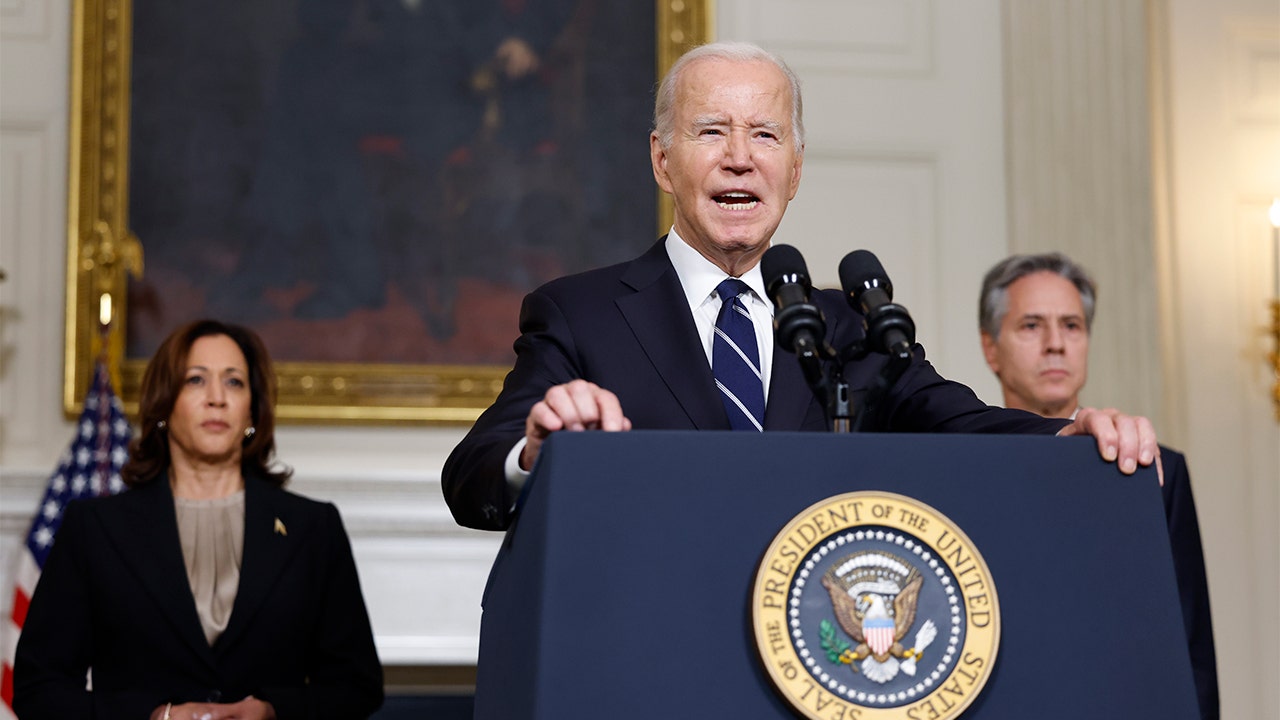
Conservative organization America First Legal has filed a complaint with the Federal Election Commission (FEC), alleging a coordinated disinformation campaign by Secretary of State Antony Blinken and 51 former senior intelligence officials during Joe Biden's 2020 presidential campaign. The complaint claims that the officials failed to disclose coordinated expenditures constituting in-kind donations related to the Hunter Biden laptop story, which they claimed was Russian disinformation. The complaint also alleges that the Biden campaign actively participated in drafting and disseminating a statement to discredit the laptop story, with the intent of aiding Biden's campaign.
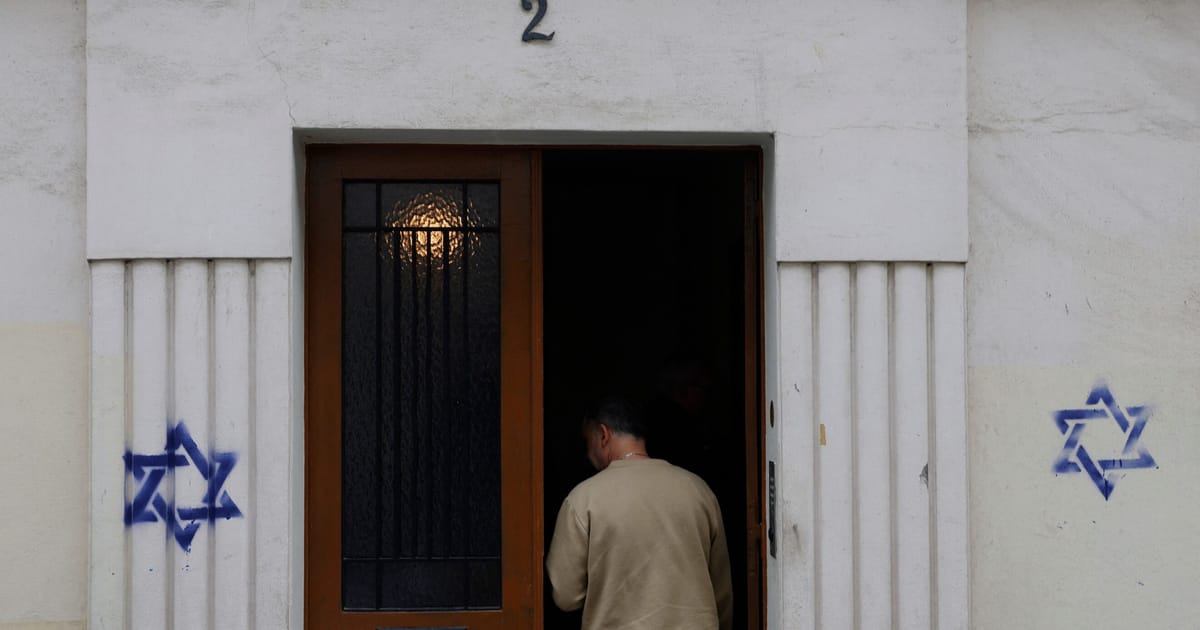
France has condemned a Russian disinformation campaign that amplified the appearance of Stars of David graffiti on buildings in Paris. The French Foreign Affairs Ministry stated that a Russian network associated with online disinformation campaigns was involved in posting the first photos of the graffiti and circulating them on social media. French authorities have arrested four people suspected of painting the graffiti, which has fueled unrest amid a surge of antisemitic acts in France. The ministry deplored Russia's exploitation of international crises to fuel tensions and create confusion. An investigation is underway to determine if the graffiti was commissioned by a foreign actor.
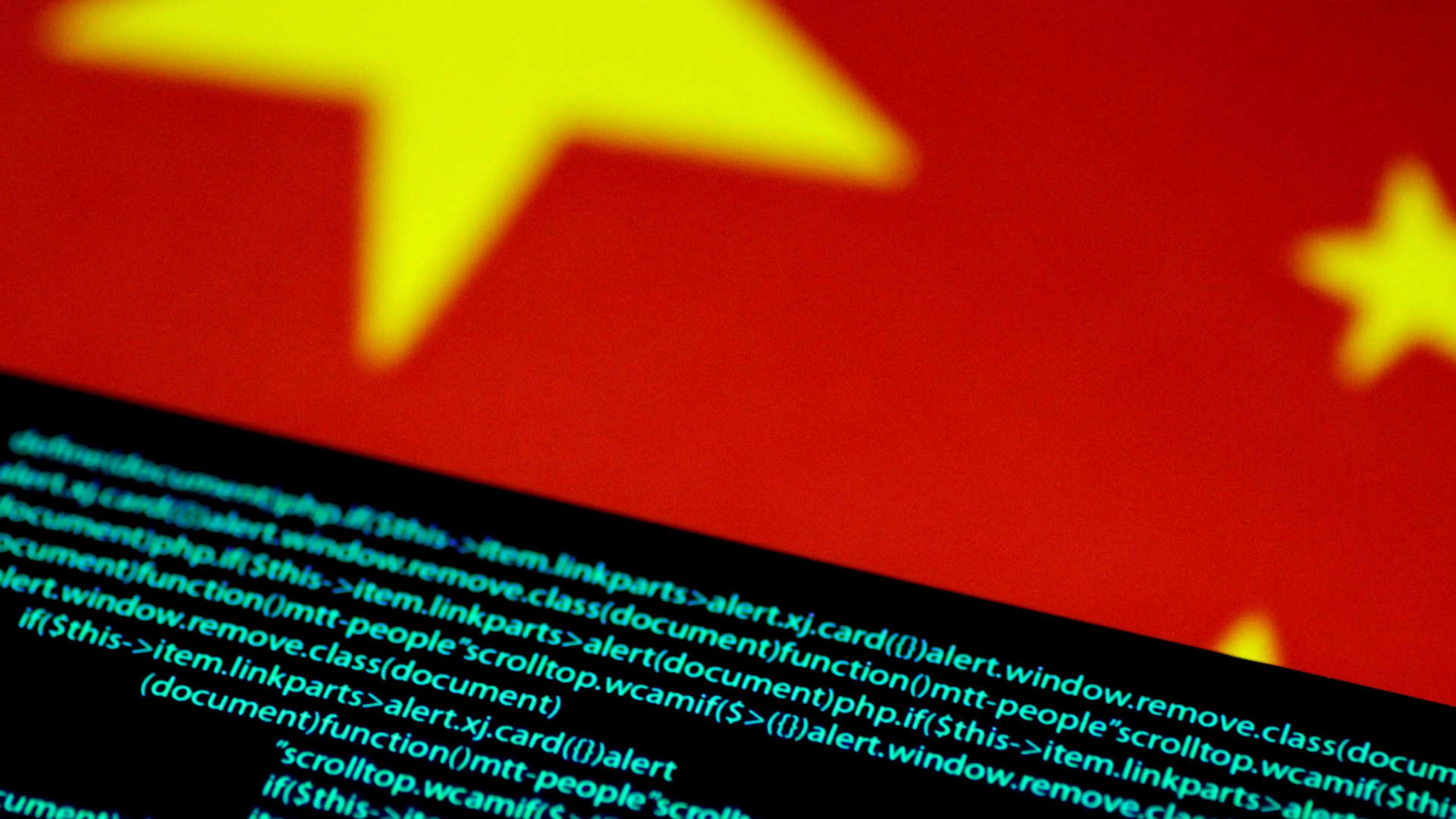
Meta, the parent company of Facebook and Instagram, has announced that it disrupted a massive disinformation campaign linked to Chinese law enforcement, which it describes as the "largest known cross-platform covert influence operation in the world." The campaign involved over 7,700 accounts and 930 pages on Facebook, spreading positive posts about China and negative commentary about the US, as well as disinformation about the origins of Covid-19. The network was present on various social media platforms and was linked to individuals associated with Chinese law enforcement. While the campaign had a large following, most of the followers were inauthentic. Meta's cybersecurity team is prepared to identify and disrupt further influence networks in the lead-up to the 2024 elections.
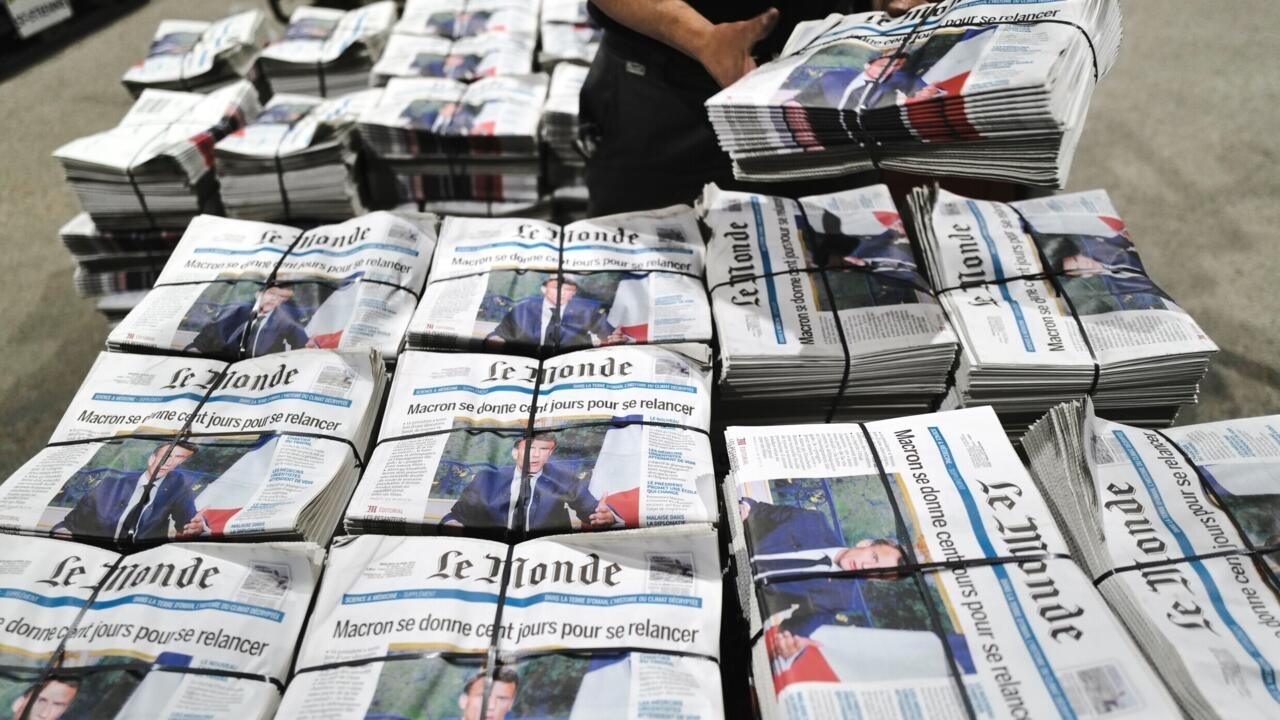
France has uncovered a major disinformation campaign, likely carried out by Russian state actors, aimed at spreading fake news and hacking into the identity of national media and government websites. The campaign involved creating fake internet pages and accounts on social media networks. At least four French daily newspapers and other major Western media were targeted. The French foreign ministry itself foiled an attempt to create a fake reproduction of its own website. The operation is believed to be the second phase of a campaign that had already come to light in 2022.
France has uncovered a major disinformation campaign by Russia, which involved posting false news items disguised as articles by prominent media, in a "hybrid" war waged by Moscow for its invasion of Ukraine. The campaign was carried out by "Russian actors" with "state entities or entities affiliated to the Russian state" then working to amplify its impact. At least four French daily newspapers and other major media were targeted, particularly German ones. The campaign aimed to spread Kremlin propaganda and mislead the general public about the reality of the war in Ukraine and the role of the Kremlin in this invasion.
France has uncovered a major Russian disinformation campaign that created false news items hostile to Ukraine, made to look like they were published by prominent French news media. The campaign also appears to have targeted Israeli and Jewish media. The operation involved producing fake articles on a page identical in all respects to those of the legitimate sites of media organizations, but with different domain names. The French foreign ministry itself foiled an attempt to create a fake reproduction of its own website. The campaign is a new illustration of the hybrid strategy that Russia is implementing to undermine the conditions for peaceful democratic debate and therefore undermine democratic institutions.
France has uncovered a Russian disinformation campaign aimed at undermining Western support for Ukraine, which involved spreading pro-Russian content, impersonating media outlets and government websites, creating polarizing news websites, and coordinating fake accounts. The campaign was named Reliable Recent News and was the second wave of the Doppelgänger operation uncovered last year. The main narratives pushed by the campaign were the ineffectiveness of sanctions against Russia, alleged Russophobia of Western states, predominance of Nazi ideology among Ukrainian officials, and negative effects of welcoming Ukrainian refugees for European countries.
France has uncovered a major disinformation campaign carried out by "Russian actors" who created fake news items hostile to Ukraine, made to look like they were published by prominent French news media. The campaign involved the creation of fake web pages impersonating national media and government sites, as well as the creation of false accounts on social networks. At least four French daily newspapers and other major media were targeted, including German ones. The French foreign ministry itself foiled an attempt to create a fake reproduction of its own website. The campaign is believed to involve techniques including producing fake articles on a page identical in all respects to those of the legitimate sites of media organizations, but with different domain names.