Vice Chair Jefferson discussed the U.S. economic outlook and monetary policy, highlighting the resilience of consumer spending, improvements in the labor market, and progress towards the Federal Reserve's 2 percent inflation objective. Drawing from past monetary policy cycles, Jefferson emphasized the need for vigilance and nimbleness in policymaking, especially in response to potential adverse shocks. He also outlined key risks ahead, including the potential for even more resilient consumer spending, weakening employment, and elevated geopolitical risks, while expressing cautious optimism about progress on inflation and the need to review incoming data for future monetary policy decisions.
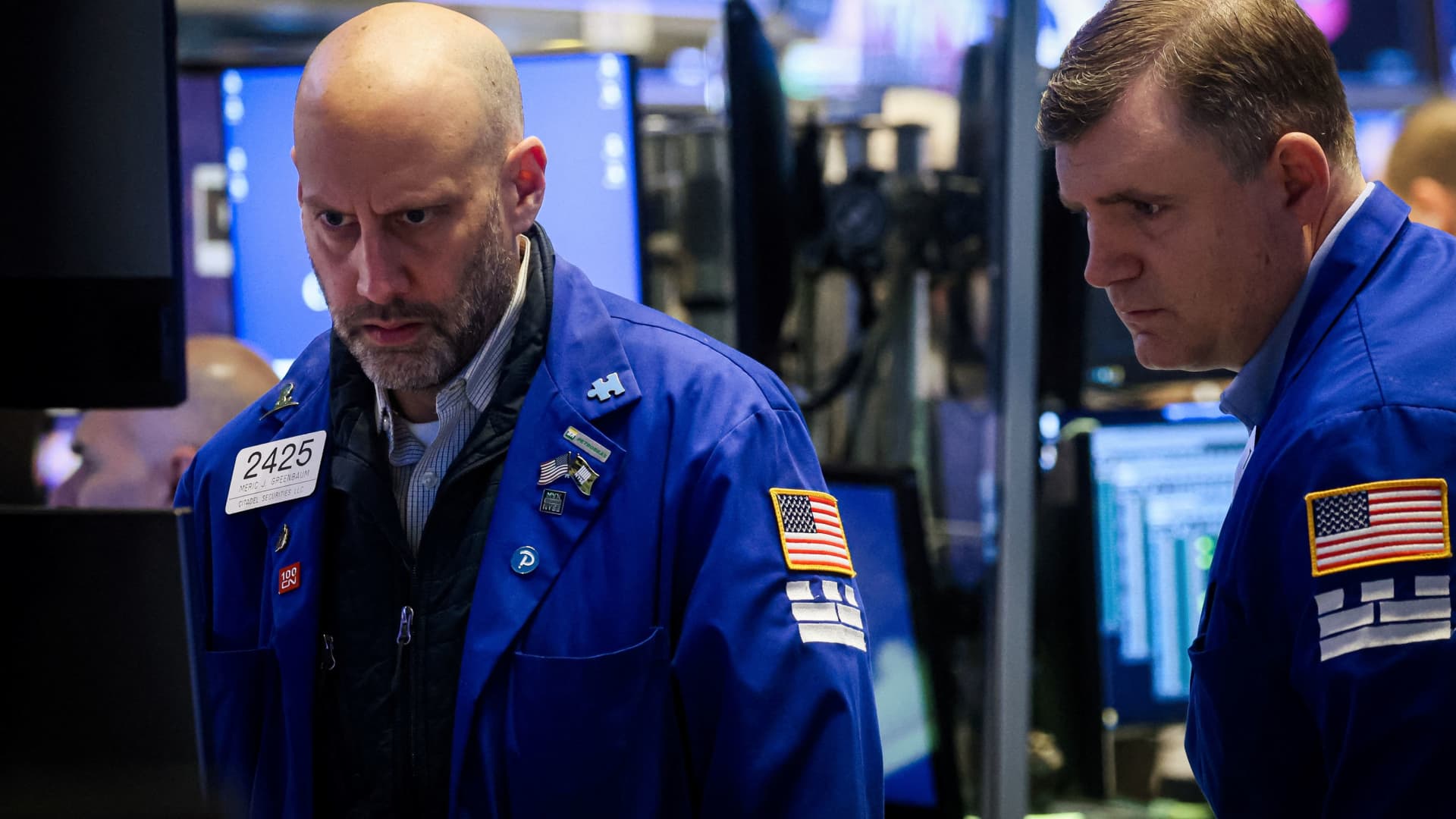
The University of Michigan's Consumer Survey of Consumers revealed a surge in consumer sentiment to its highest level since July 2021, with confidence in the economy and inflation improving. The survey indicated a decline in the inflation outlook for the year ahead, along with increased confidence in current conditions. This positive sentiment is attributed to lower gasoline prices, stock market gains, and strengthening income expectations. While the survey suggests a favorable outlook for the economy, it remains uncertain how this sentiment will translate into consumer behavior. Market reactions to the survey's release included slight stock gains and higher Treasury yields, reflecting ongoing speculation about the Federal Reserve's interest rate decisions for the year.
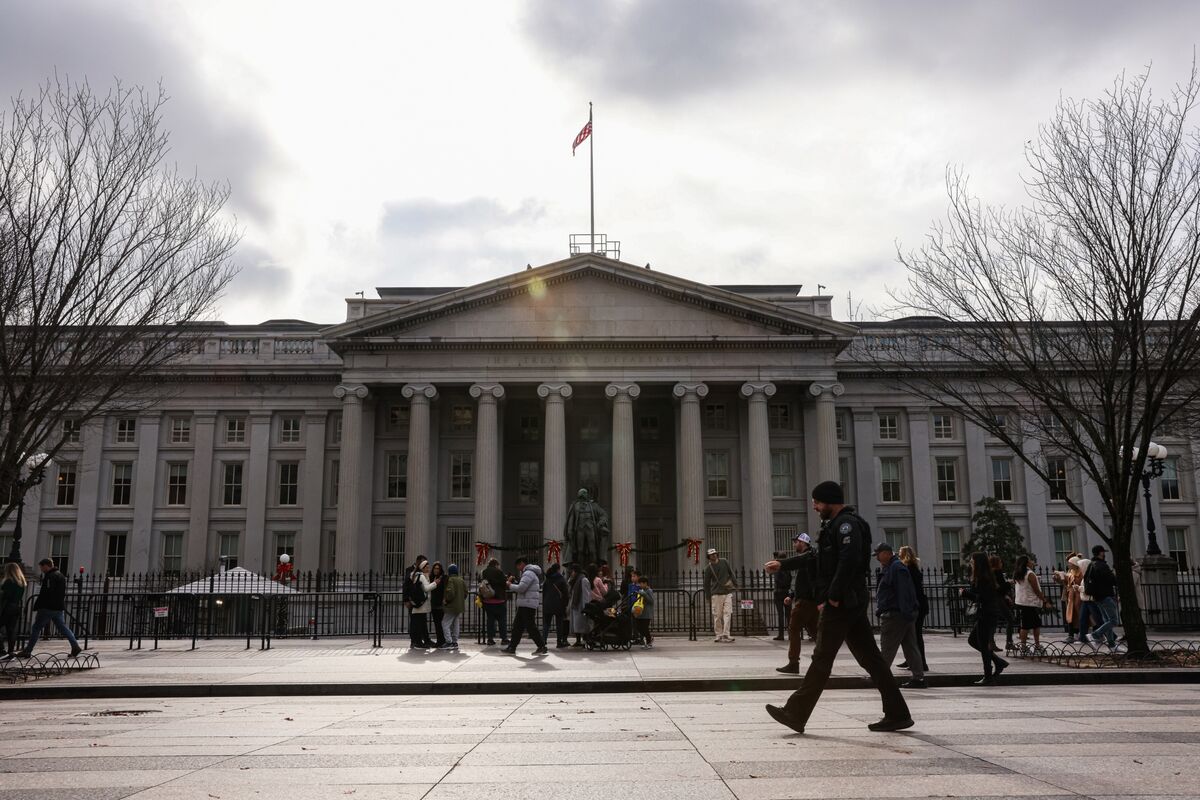
Treasury yields fell as oil prices dropped and a consumer survey showed a decline in inflation expectations, with rates across different maturities decreasing by at least 5 basis points. The five-year note's yield dropped nearly 9 basis points to 3.92%, partially reversing last week's climb, which followed the December employment report and impacted expectations for Federal Reserve interest rate cuts.
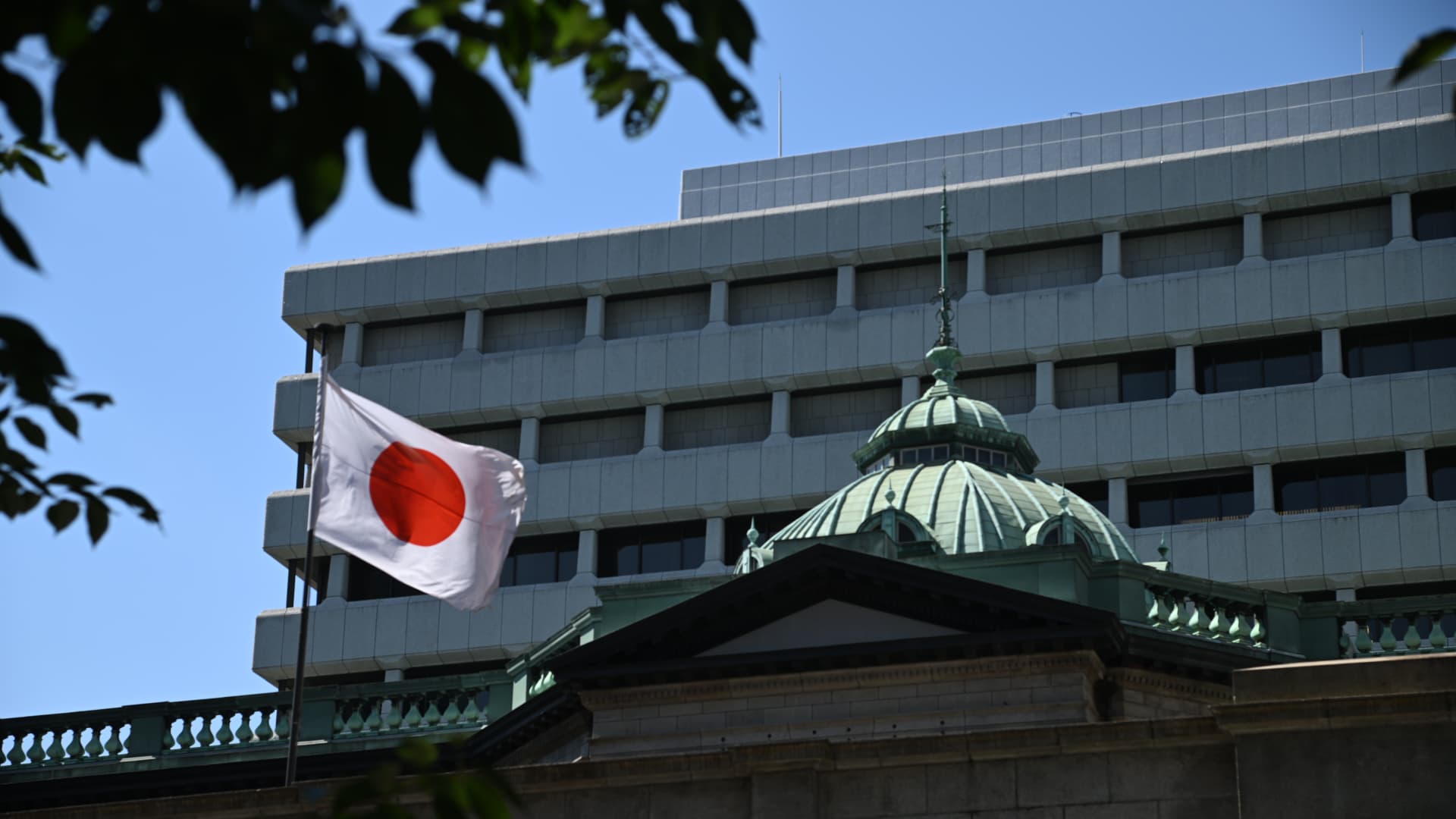
The Bank of Japan (BOJ) has announced increased flexibility in its yield curve control policy, maintaining the target level of the 10-year Japanese government bond yield at 0% but using the upper bound of 1% as a reference. The BOJ also raised the country's inflation outlook for fiscal years 2023, 2024, and 2025. The central bank's short-term policy rate remains at -0.1%, despite core inflation exceeding the 2% target for 18 consecutive months. The BOJ aims to conduct yield curve control through large-scale bond purchases and nimble market operations.
In a speech on the U.S. economic outlook and monetary policy transmission, Vice Chair Jefferson discussed the current state of the economy, highlighting that inflation remains too high despite recent encouraging data. He noted that the labor market continues to improve, with job openings remaining above pre-pandemic levels and the unemployment rate near historical lows. Jefferson also discussed the risks facing the economy, including upside risks to inflation and downside risks from a slowdown in foreign economic growth. Regarding monetary policy, he emphasized the transmission of policy through financial conditions and the need for careful consideration in balancing the risks of tightening too much or not enough.
Asia-Pacific markets fell as investors awaited central bank decisions this week, including the U.S. Federal Reserve's announcement on Thursday and Australia's central bank releasing its minutes on Tuesday. The Bank of Japan will conclude its monetary policy meeting on Friday, while the People's Bank of China is expected to release its loan prime rate decisions. Meanwhile, shares of Chinese real estate developer Evergrande tumbled after police detained some staff from its wealth management unit. SoftBank is reportedly planning to invest in artificial intelligence, potentially partnering with OpenAI or investing in rivals. Singapore's non-oil domestic exports declined for the 11th consecutive month, and the inflation outlook in the U.S. fell to its lowest level in over two years. Arm Holdings' shares crawled back slightly after its IPO-driven rally, and the Dollar Index is on track for its longest weekly win streak since 2014. The Nasdaq Composite erased earlier gains, with chip equipment stocks and Netflix among the biggest losers.
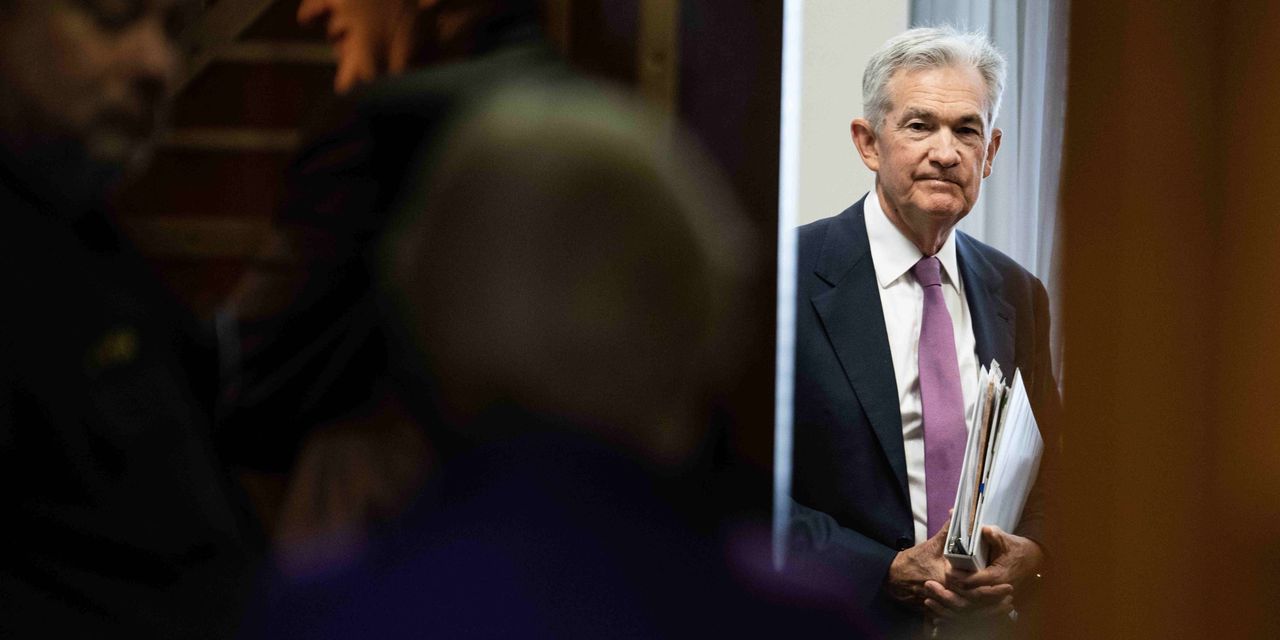
Federal Reserve Chair Jerome Powell and other central bankers are facing an uncertain inflation outlook as they navigate the post-pandemic recovery. With concerns about rising prices and supply chain disruptions, policymakers are closely monitoring inflationary pressures and weighing the appropriate response. The challenge lies in determining whether the current inflationary trends are transitory or more persistent, which will influence decisions on interest rates and monetary policy.
US Treasury yields fell after the release of nonfarm payroll data for March, which showed a slowdown in job growth. The 10-year Treasury note yield slipped to 3.363%, while the 30-year Treasury bond yield dipped to 3.584%. Investors are also focused on the inflation outlook and the Federal Open Market Committee's upcoming monetary policy meeting.