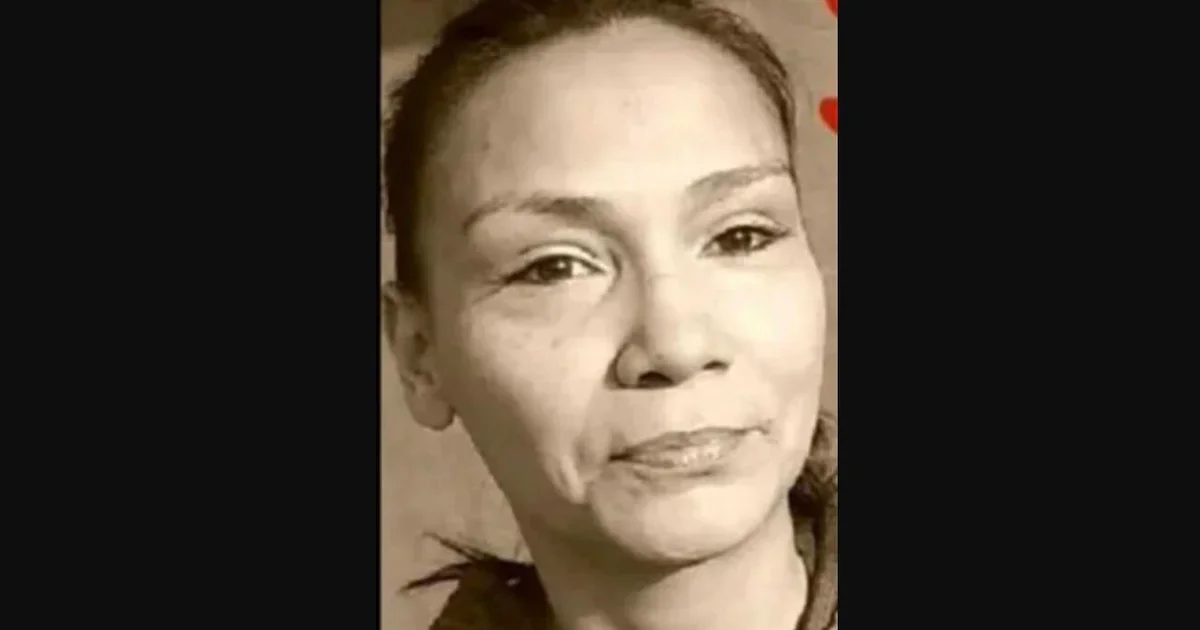
Remains identified as Mary Johnson-Davis, an Indigenous woman missing since 2020 in Washington state, were found in June, prompting a $60,000 reward for information leading to her killer's arrest as her family seeks closure amid ongoing investigations.
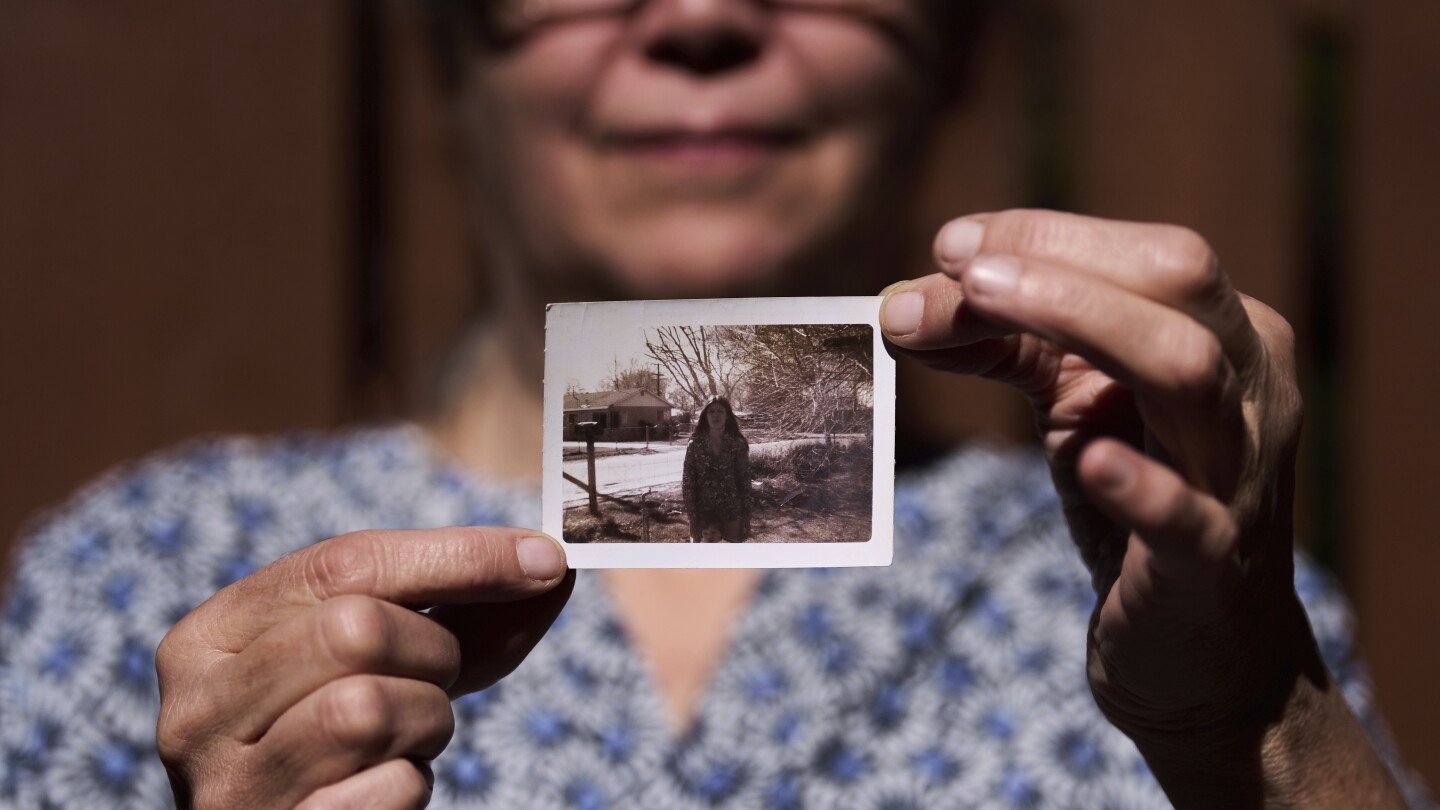
Valerie Nagle's sister, Marion Vinetta Nagle McWhorter, who went missing in 1974, was identified after 49 years through DNA analysis, highlighting the use of genealogy databases in solving cold cases and shedding light on the plight of missing Indigenous women.
Robert Pickton, one of Canada's most notorious serial killers, died at 74 after being assaulted in prison. Convicted of murdering six women, he claimed to have killed 49, with the remains of 33 victims found at his pig farm near Vancouver. His crimes highlighted police and societal neglect towards the deaths of Indigenous women.
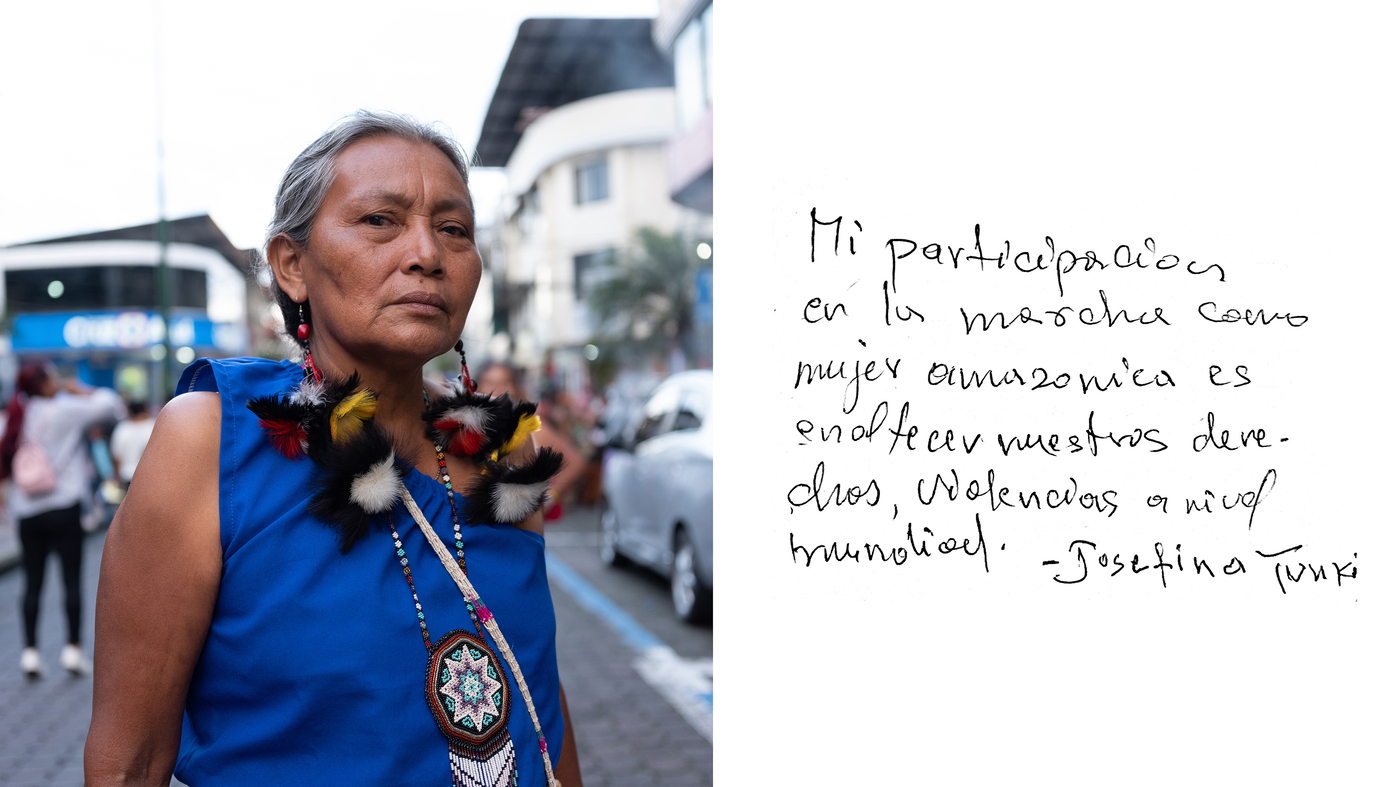
Indigenous women from the Ecuadorian Amazon marched in Puyo on International Women's Day to demand equality, a dignified life, health, and the defense of their territories, while expressing their rejection of policies imposed by the country's president. The self-organized event brought together around 100 women from various Indigenous nationalities, who chanted slogans of resistance and highlighted the importance of defending ancestral territories and guaranteeing women's rights nationwide.
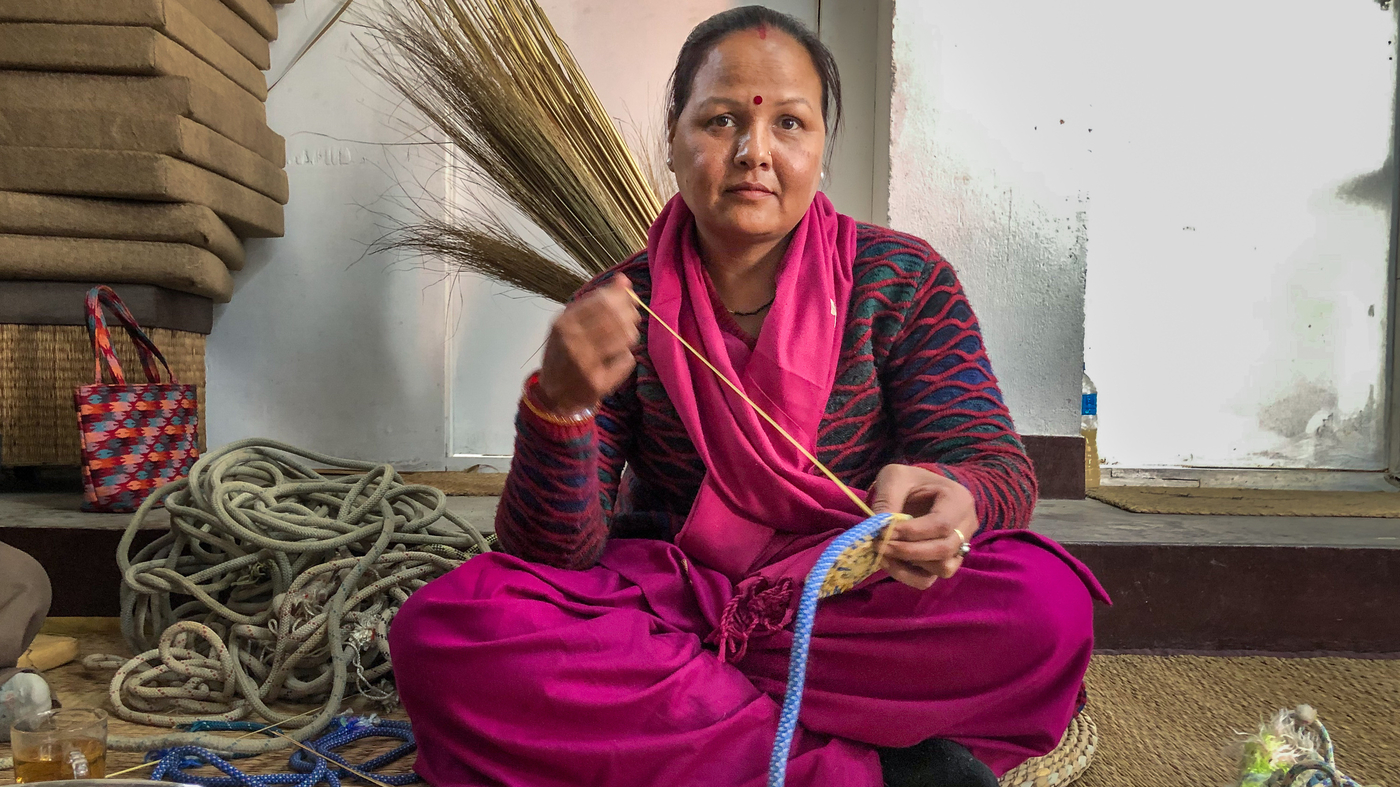
Indigenous craftswomen in Nepal are repurposing discarded climbing ropes from the Himalayas, collected during a government-led mountain cleaning campaign, into items such as jewelry boxes and table mats. Led by Shilshila Acharya, the initiative aims to provide economic opportunities for local women while reducing waste in the mountains. The project, currently involving around 15 craftswomen, pays them based on their output and has the potential to expand, but faces challenges in scaling up due to the need for investment in waste processing.
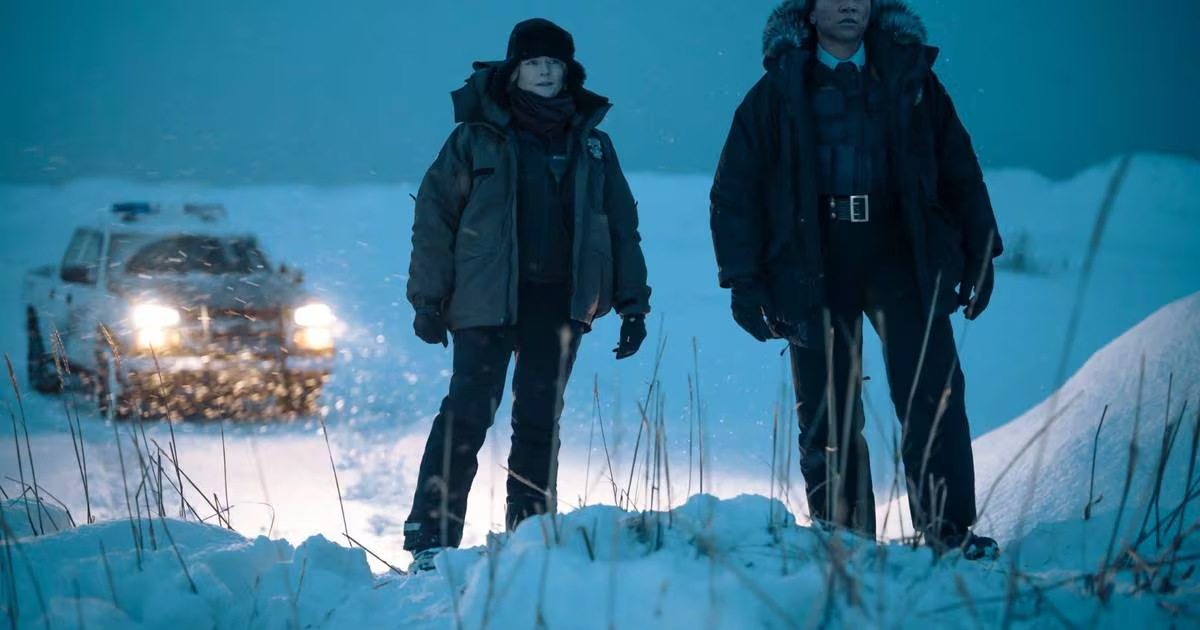
The latest season of HBO's "True Detective" is set in Alaska but was shot in Iceland due to logistical reasons and tax breaks. The story follows law enforcement agents investigating the disappearance of eight men and a missing Indigenous woman. The production team made efforts to accurately represent Alaska, with input from Alaska Native women and a focus on issues such as missing and murdered Indigenous women and the state's natural resources. The series aims to bring attention to these issues and spark conversations for change.
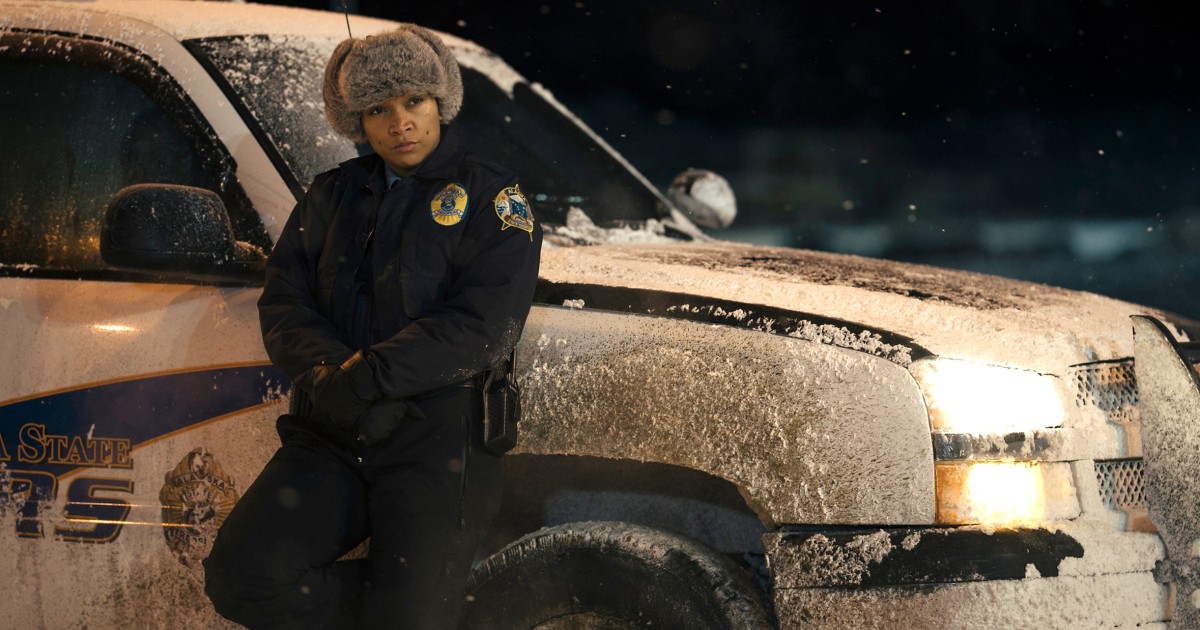
Kali Reis, a two-spirit, Seaconke Wampanoag and Cape Verdean actor and world champion boxer, delivers a knockout performance in the latest chapter of HBO's "True Detective," titled "Night Country," alongside Jodie Foster. The series, set in remote Alaska, sheds light on the epidemic of violence targeting Indigenous women. Reis, who plays an Iñupiaq state trooper haunted by an unsolved murder, emphasizes the importance of on-screen representation for Indigenous issues. The stark, haunting landscape of the show's setting in Iceland adds a fantastical element, while Reis' experience as a boxer and her on-set camaraderie with the cast contribute to the authenticity of her character.
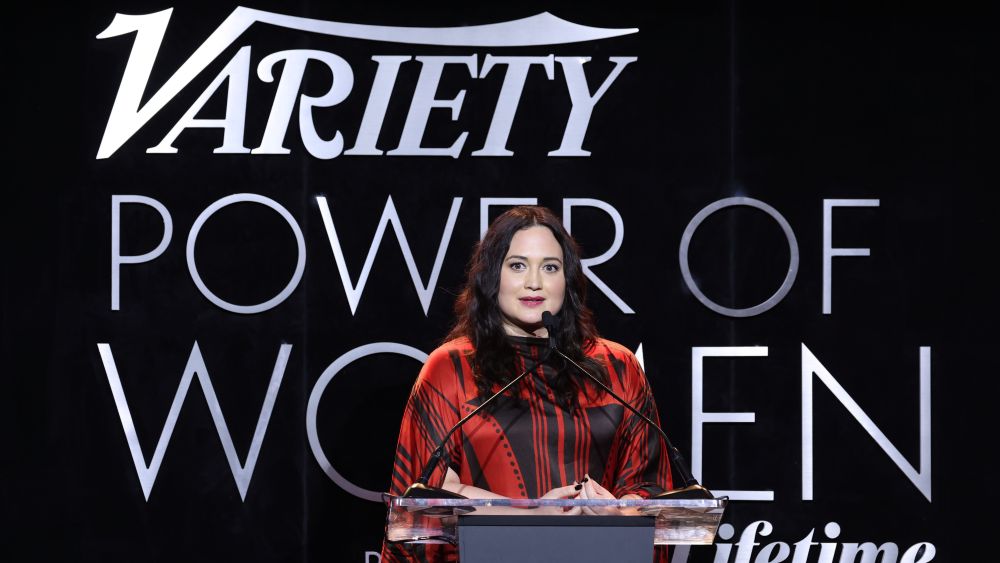
Lily Gladstone tears up during her speech at Variety's Power of Woman event, where she was honored for her advocacy work for Indigenous women's rights. She discusses the importance of accurately portraying the abuse faced by Indigenous women in the film "Killers of the Flower Moon" and highlights the work of the National Indigenous Women's Resource Center (NIWRC) in addressing violence against Indigenous women. Gladstone praises Leonardo DiCaprio's activism and emphasizes the need for honoring tribal governments and treaties. She also shares her personal journey as an actor and how the NIWRC supported her. Gladstone's performance in "Flower Moon" has made her a major awards contender, potentially becoming the first Native American Oscar nominee.
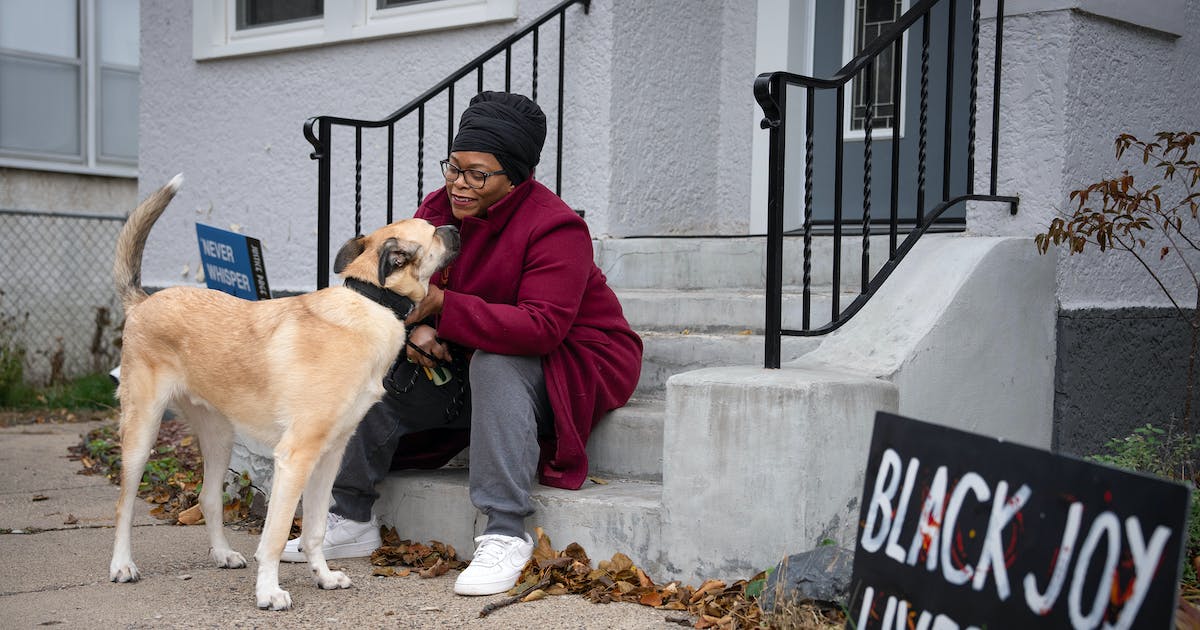
Hennepin County Commissioner Angela Conley, who suffered a heart attack at the age of 45, is now dedicated to raising awareness about heart health among Black and Indigenous women. Conley aims to address the health disparities that exist in these communities and advocate for better access to healthcare and resources for prevention and treatment of heart disease.
Indigenous women in the Costa Chica de Guerrero region of Mexico are reclaiming their power through ancestral practices and traditional midwifery. They have established Indigenous women's centers called CAMIs, which provide support for sexual and reproductive rights. These centers aim to address the challenges faced by Indigenous and Afro-descendant women, such as maternal deaths, marginalization, poverty, and discrimination. Through local actions and strategies, these women are working to improve maternal health and reproductive rights in their communities.
Native American police, facing a lack of resources and jurisdictional challenges, are taking matters into their own hands to address the crisis of missing and murdered indigenous women and relatives (MMIWR). Many tribes lack the funds and staff to prioritize missing cases, leading some Native American police to form their own missing units. Factors such as poverty and a history of colonial oppression make Native American people disproportionately at risk of going missing. Improved coordination between federal, state, and tribal law enforcement agencies is needed to address the estimated 4,200 unsolved indigenous cases.
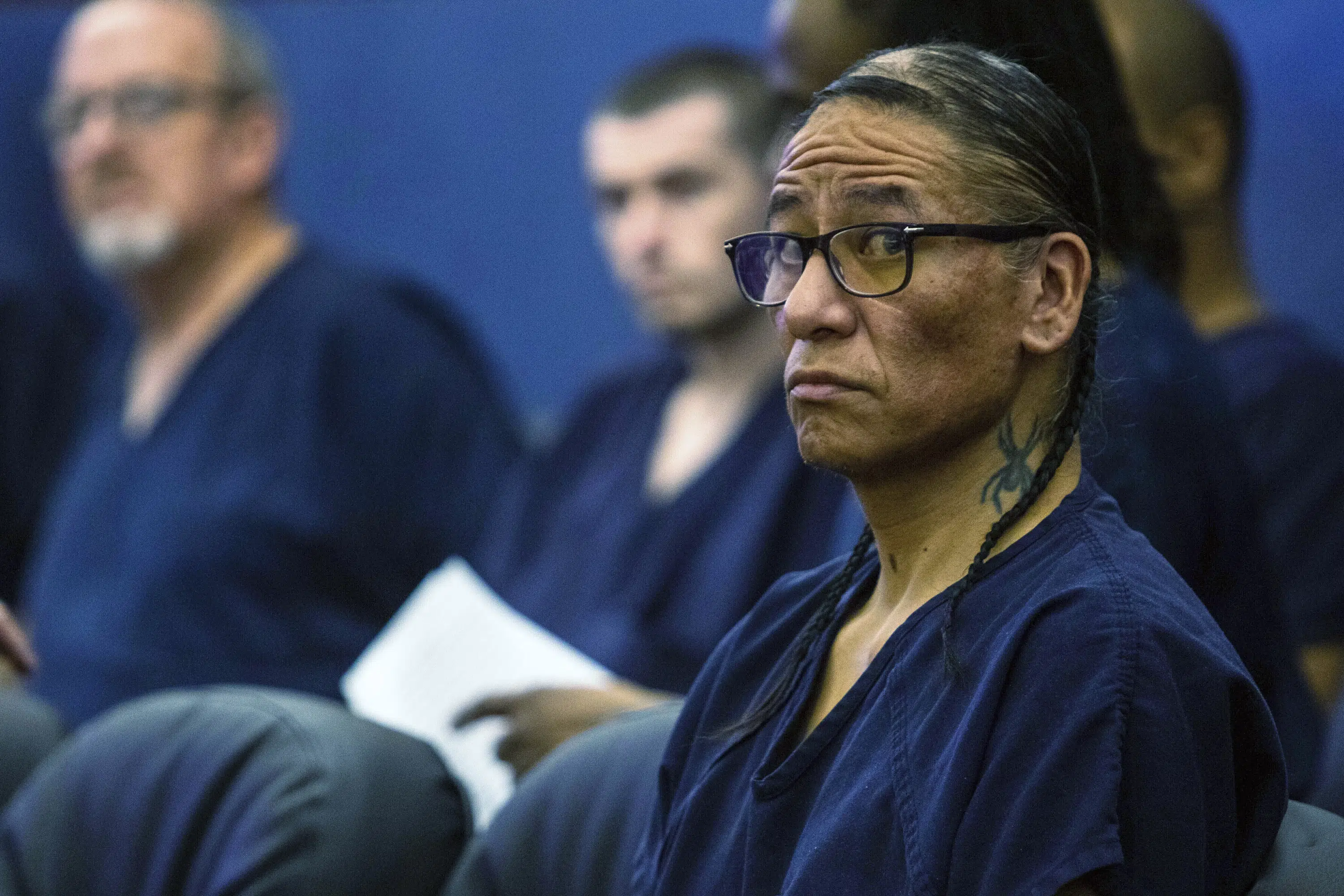
Nathan Chasing Horse, the former "Dances With Wolves" actor, has been charged with new sex crimes in Alberta, Canada, while he remains jailed in Las Vegas awaiting trial in a sexual abuse case. Chasing Horse is accused of using his position as a self-proclaimed medicine man to lead a cult, gain access to vulnerable Indigenous women and girls, and take underage wives starting in the early 2000s. He faces criminal prosecution in five jurisdictions, including the latest charges in Canada, which are largely symbolic.
A woman in Toronto filmed a man following her into a restaurant and waiting by the door while she ordered. She thought he was following her and asked an employee to call the police. The man denied following her and agreed to go in opposite directions after leaving the restaurant. The incident highlights the need for hypervigilance as a mixed Indigenous woman walking around Toronto alone, as Indigenous women and girls in Canada are 16 times more likely to be targeted and killed than non-Indigenous women.