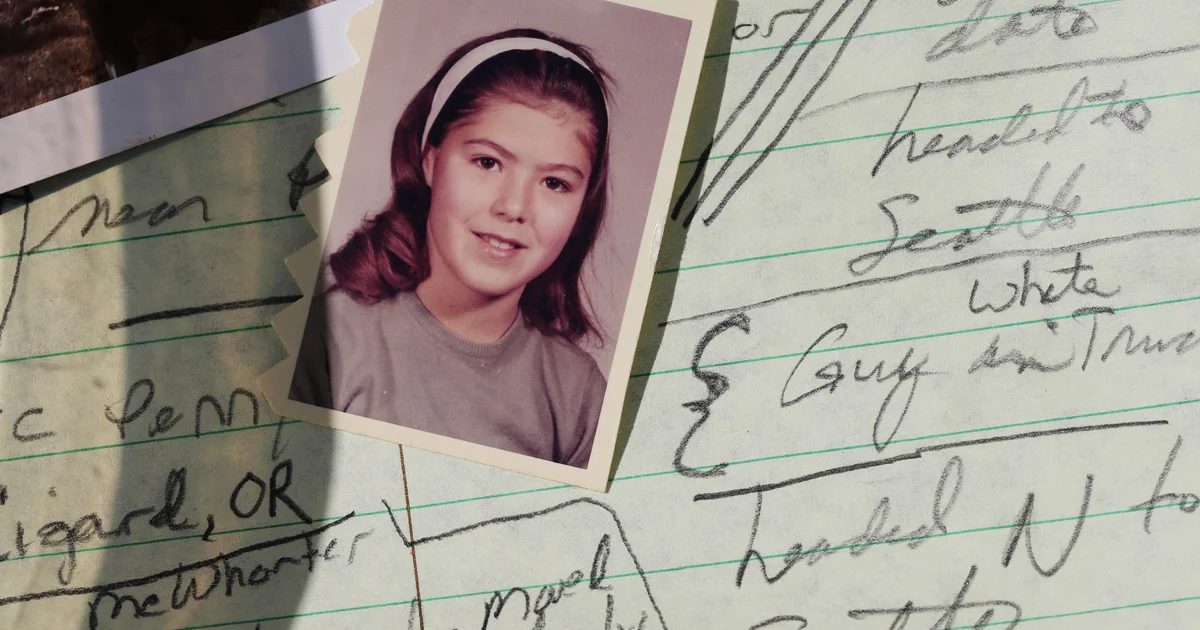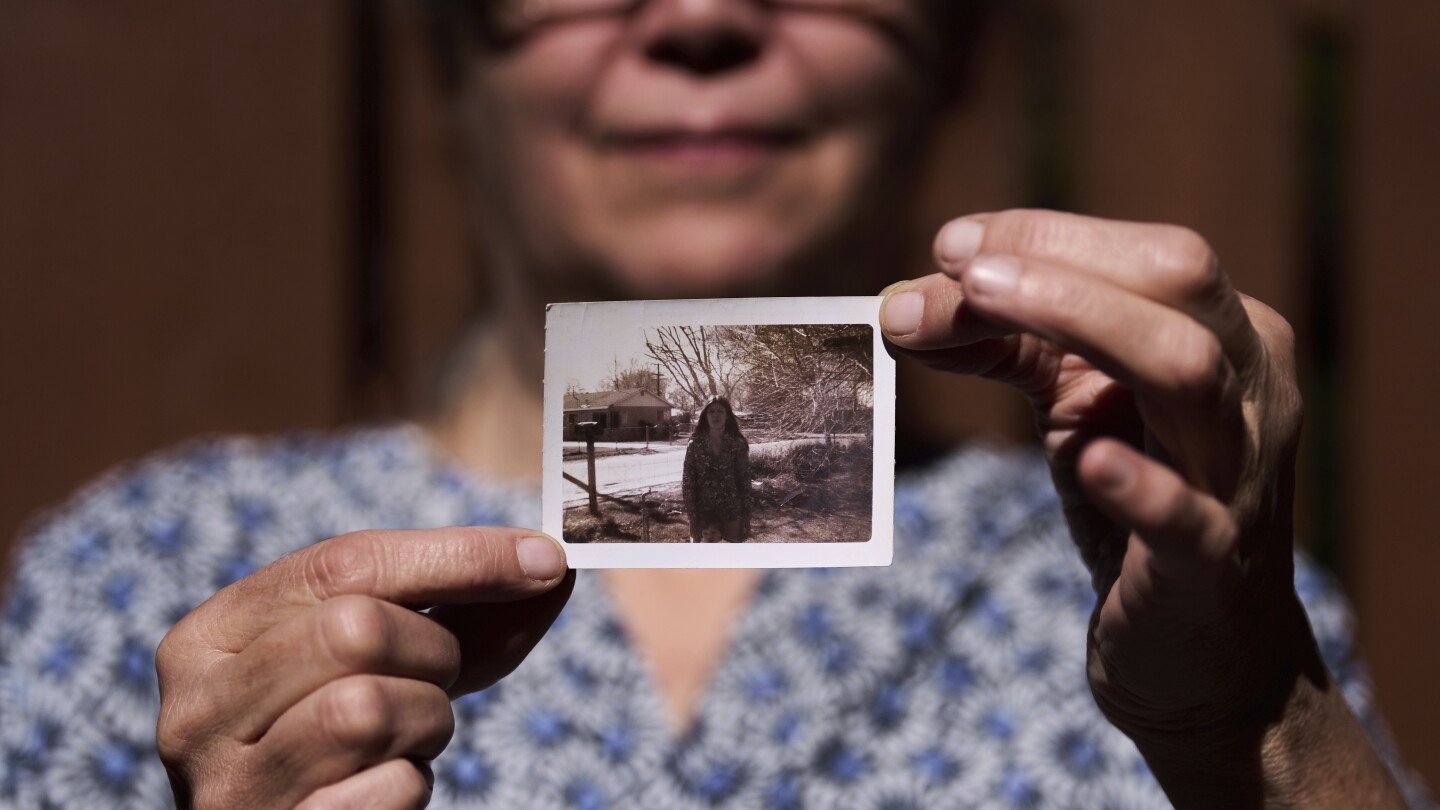
Valerie Nagle's DNA helped identify the remains of her sister, Marion McWhorter, who disappeared in Oregon in 1974, after decades of uncertainty, through advances in forensic genealogy and DNA analysis.
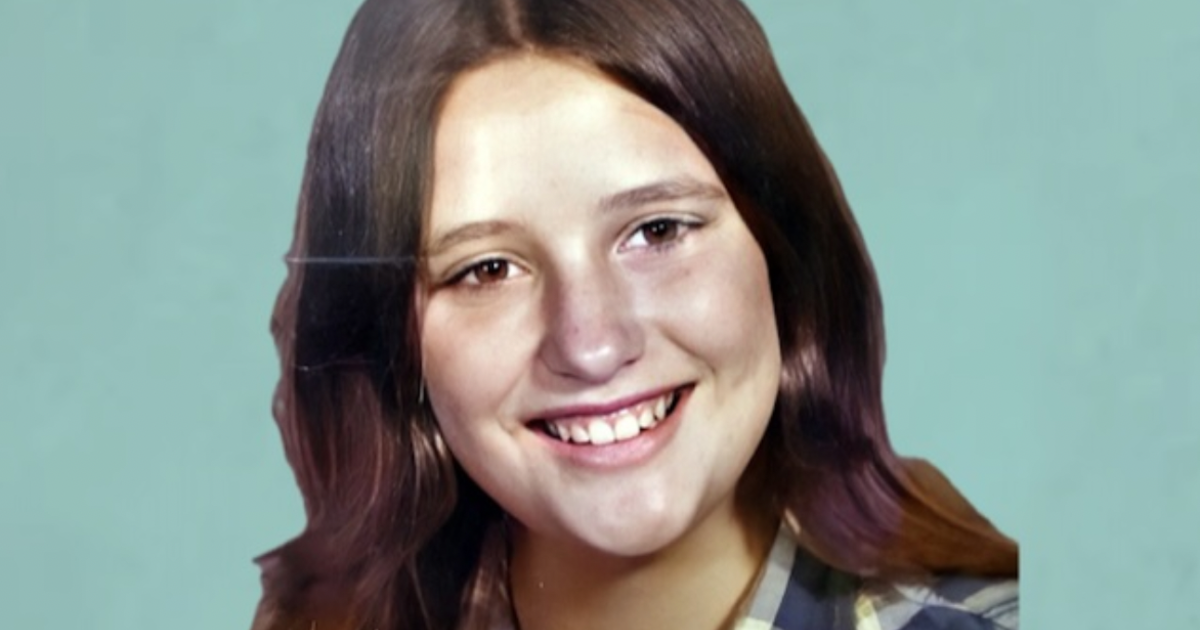
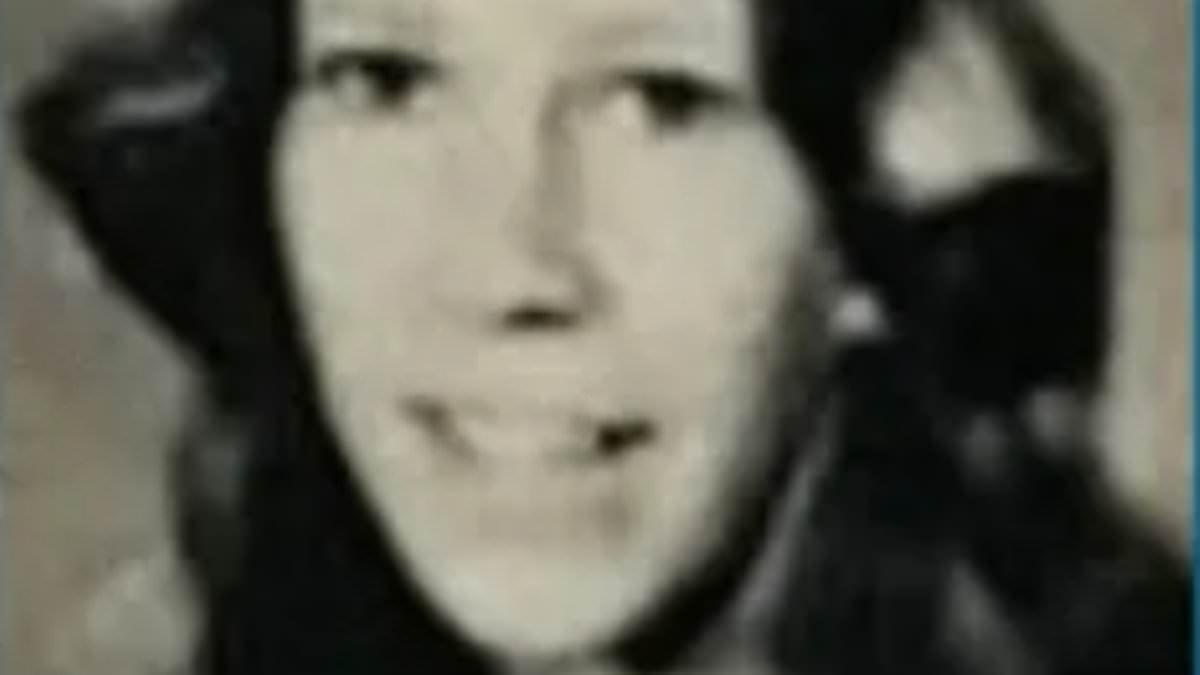
Valerie Nagle's sister, Marion Vinetta Nagle McWhorter, who went missing in 1974, was identified after 49 years through DNA analysis, highlighting the use of genealogy databases in solving cold cases and shedding light on the plight of missing Indigenous women.
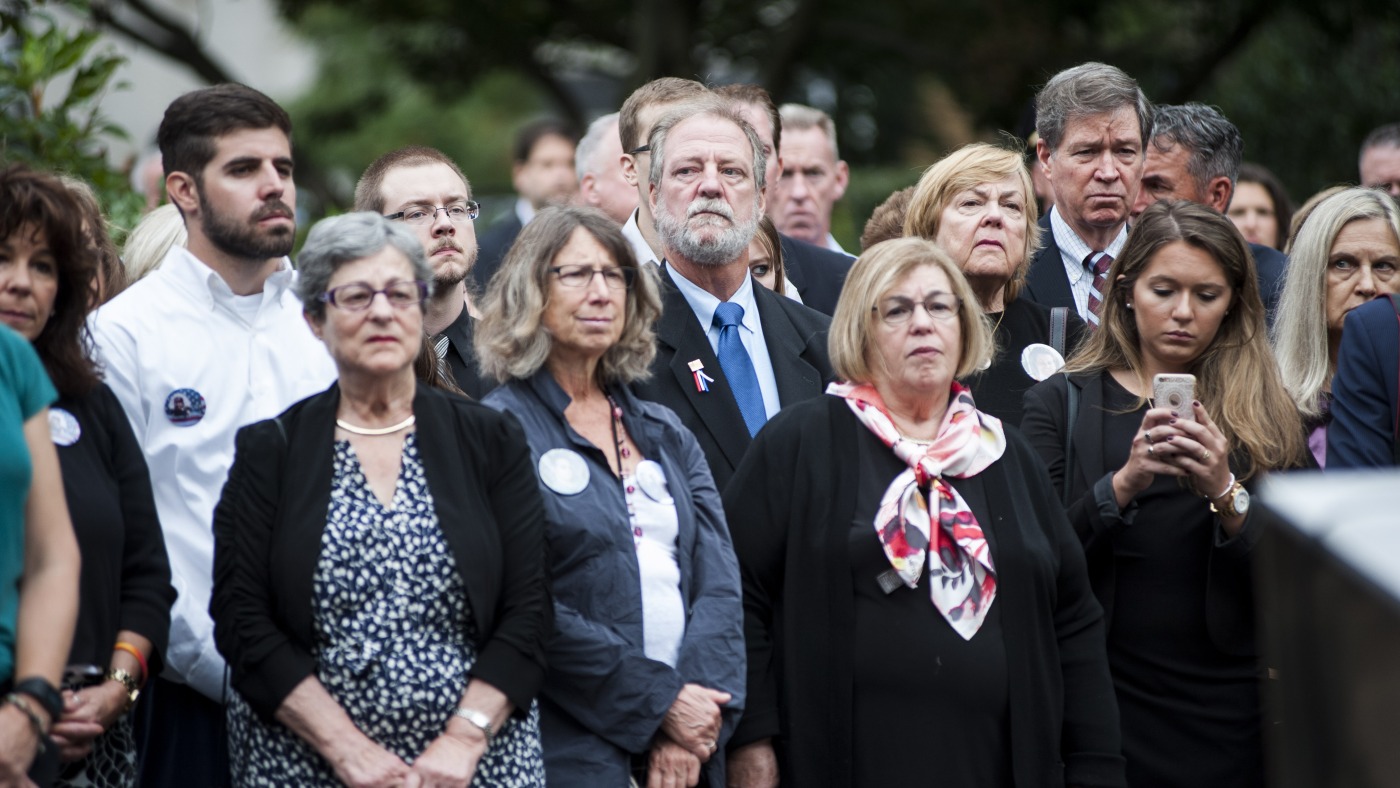
Nearly 24 years after the 9/11 attacks, NYC officials have identified three more victims through advanced DNA analysis, including Barbara Keating and Ryan Fitzgerald, bringing the total identified victims to 1,653 out of approximately 2,753 deaths.
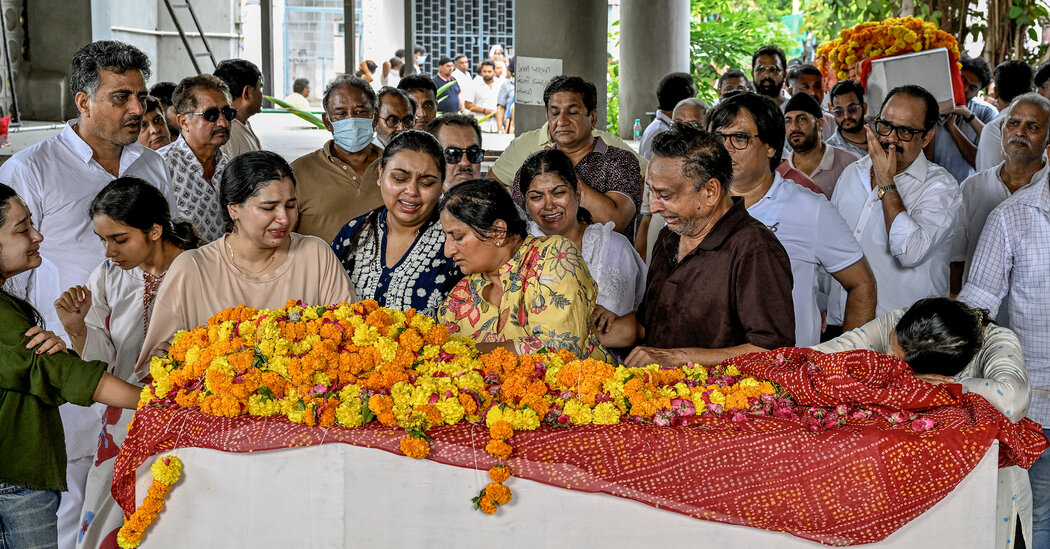
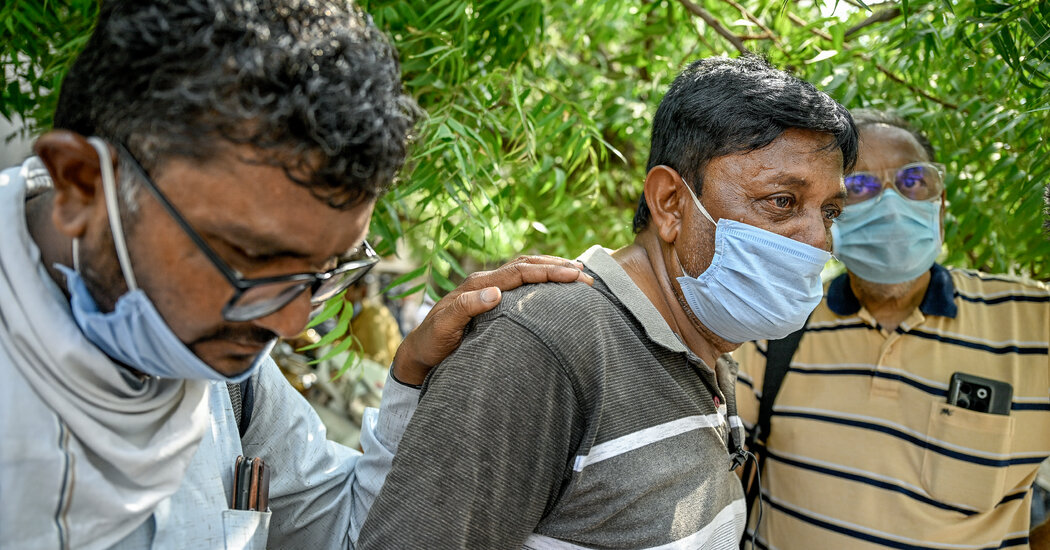
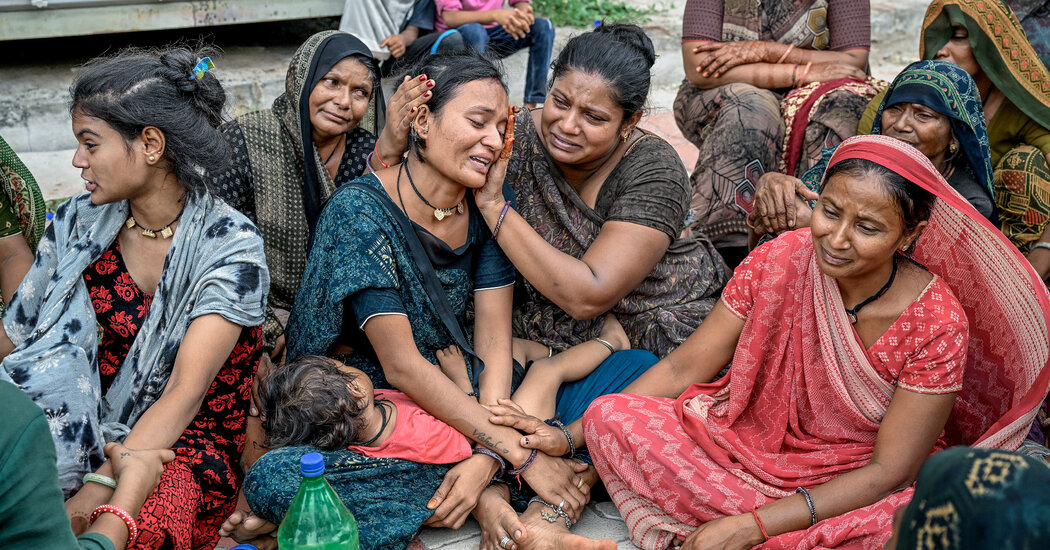
The intense heat from the Air India Flight 171 crash has made DNA-based identification of victims extremely difficult, with only 35 bodies recovered and identified out of 270, leaving many families in distress and uncertainty about their loved ones' remains.
Over 260 people, including expectant grandparents, a tea seller, and professionals, died in a plane crash near Ahmedabad, India. Families are devastated, with many waiting for DNA confirmation of their loved ones' identities amid scenes of grief and trauma at the hospital.
Relatives of victims of India's deadliest recent air crash line up for DNA testing to identify bodies, as authorities work through the aftermath of the crash of a Boeing 787-8 Dreamliner in Ahmedabad that killed at least 269 people, with only one survivor reported.
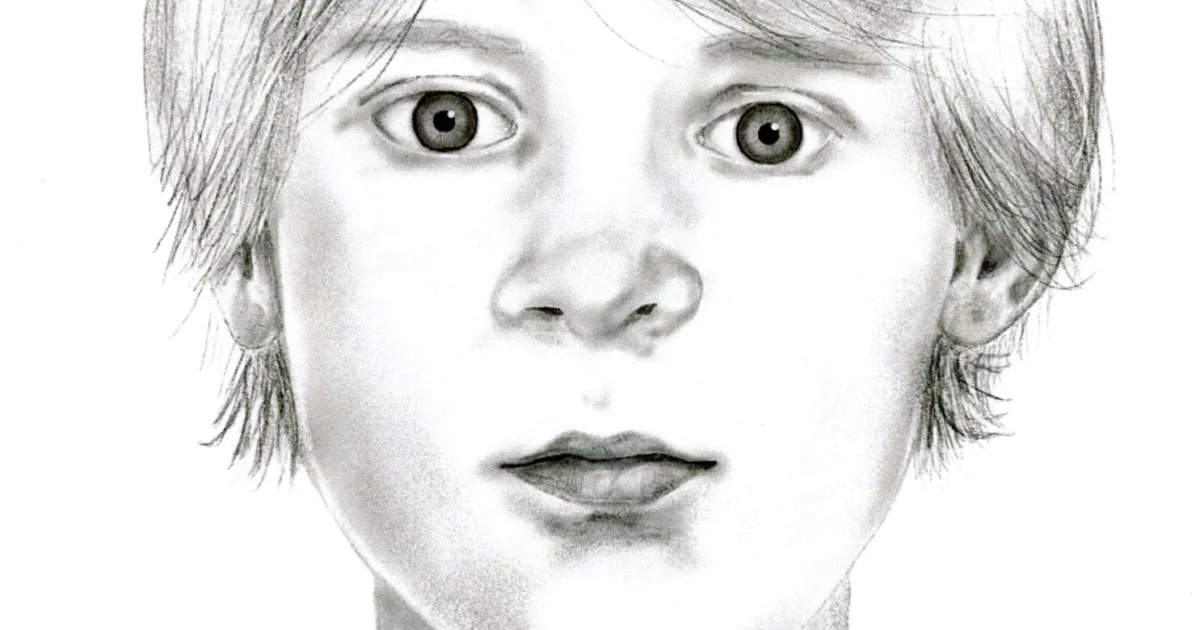
A 65-year-old cold case involving the death of a 7-year-old boy, Markku Jutila, has been solved through DNA identification. The boy's remains were found in Mequon, Wisconsin, in 1959, but charges against his adoptive parents were dropped due to lack of evidence. Recent DNA analysis confirmed the identity of the remains, revealing the boy suffered significant neglect. His adoptive parents, who confessed to disposing of his body, have since died, and no charges will be filed. A funeral will be held for the boy, originally named Chester Alfred Breiney.
A body found in 1978 in Missouri has been identified as that of missing Iowa teenager Helen Renee Groomes, thanks to advancements in DNA technology and genealogy. The remains, initially believed to be of a middle-aged woman, were determined to be those of a 15-year-old girl. After a pivotal breakthrough in 2023, DNA testing confirmed the match, bringing closure to the family of the missing girl. The investigation into Groomes' disappearance and death is ongoing.
The remains of a teenager found over 50 years ago have been identified through advanced DNA technology as Sandra Young, a high school student who disappeared in 1968 or 1969. The diligent collaboration between family members, law enforcement, medical examiner staff, and DNA company Parabon NanoLabs led to this breakthrough. Despite trauma indicating foul play, what happened to Young remains unknown. Advanced DNA testing and genetic genealogy ultimately led to the identification, highlighting the potential for closure in cold cases but also the high cost of such investigations.
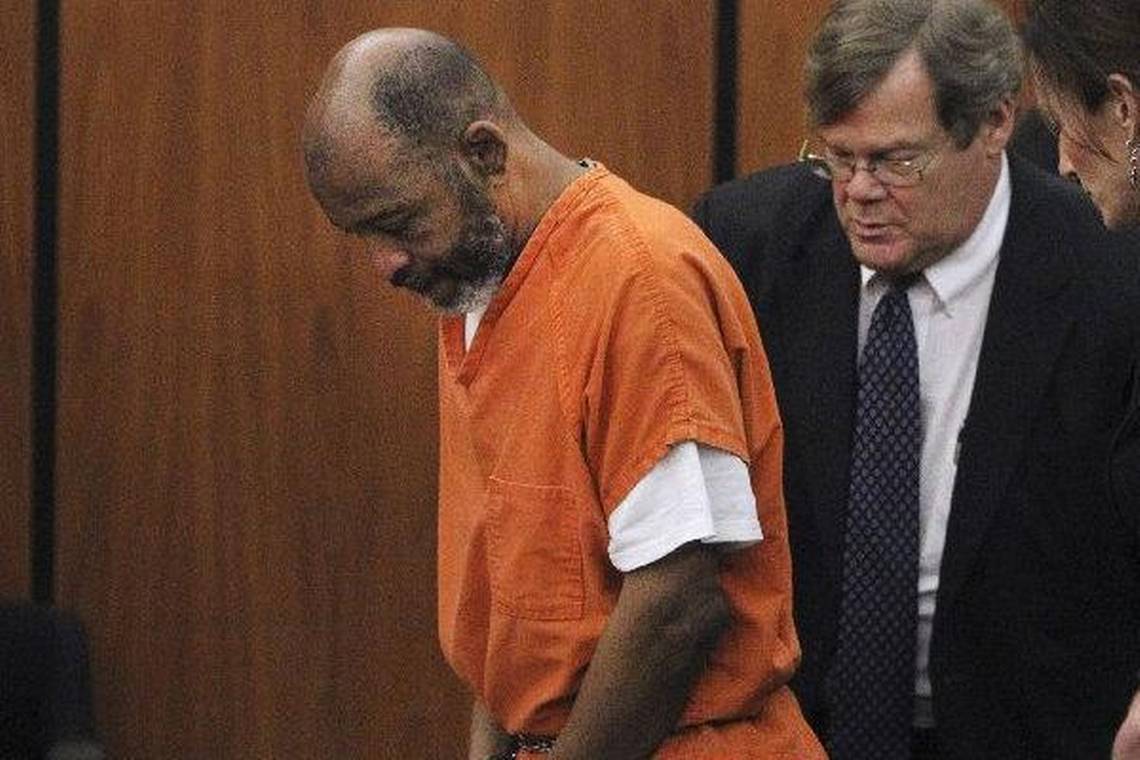
After 13 years, the remains of Adriana Laster, who went missing in 2011, have been positively identified in a sand mine in Richland County, South Carolina. Authorities plan to charge the man she lived with, Freddie Grant, who was already serving time for the murder of another victim, with her killing. The discovery brings closure to Laster's family, but the investigation continues as authorities search for more remains and evidence.
The body of a missing 19-year-old girl, known as 'Sahara Sue Doe,' found in Las Vegas in 1979, has been identified through DNA as Gwenn Marie Story. Story had traveled from Ohio to California with two male roommates to search for her biological father but was later found dead. Her killer(s) remain unknown, and the Las Vegas Metropolitan Police Department is urging anyone with information to come forward. The Texas-based company Othram Labs used familial DNA to identify Story, and the investigation is ongoing. Story's family expressed gratitude for the investigators' efforts and is seeking closure in the case.
Human remains found in rural Indiana in 1982 have been identified as those of Connie Lorraine Christensen, a Wisconsin woman who went missing at the age of 20 over four decades ago. Christensen's remains were discovered by hunters and she had died from a gunshot wound. The case remains unsolved. Using forensic genetic genealogy and DNA extracted from the remains, the DNA Doe Project was able to match the DNA to two of Christensen's relatives. Coincidentally, her family was also working on creating a family tree using ancestry and genealogy. Christensen's now adult daughter visited the location where her mother's remains were found and was given a ring that was found with the remains.
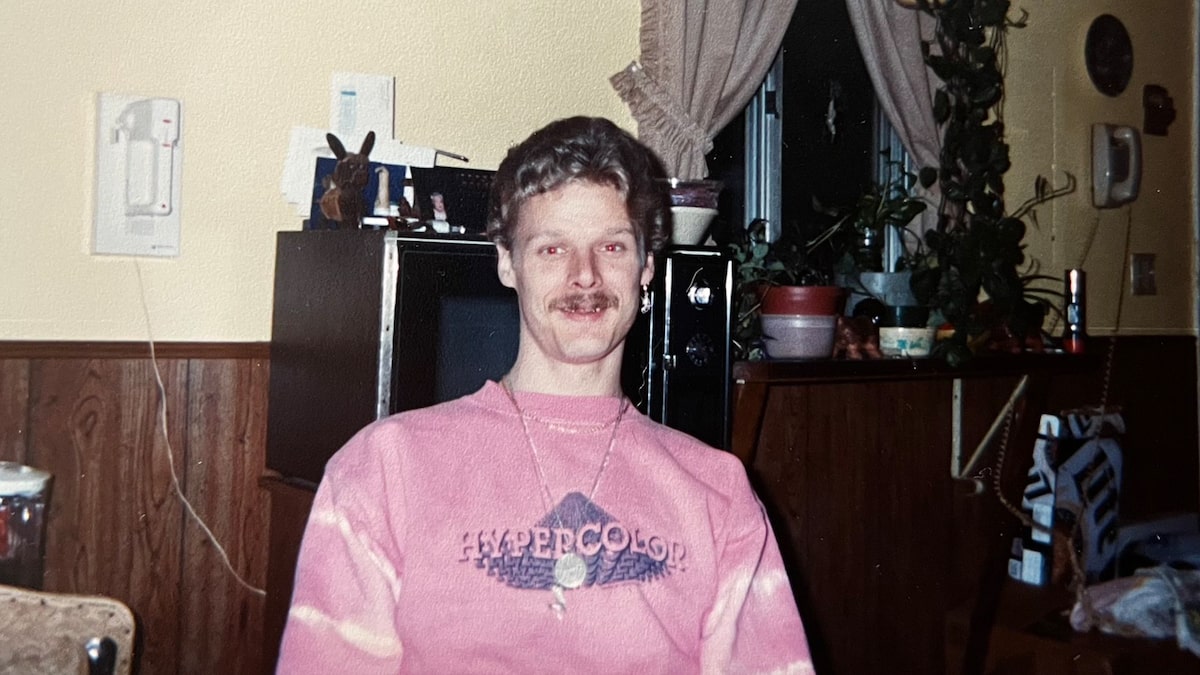
The remains of Allen Livingston, who went missing in 1993, have been positively identified as the likely victim of suspected serial killer Herb Baumeister, who died in 1996. Livingston's bones were among the thousands of remains found at Fox Hollow Farm, which was once owned by Baumeister. Livingston's identification brings closure to his family, but there are still many unidentified victims from the case.
Dutch forensic investigators have identified the remains of Bernard Luza, a Jewish resistance hero who was executed by the Nazis in 1943. Luza's body was discovered in 1945, but remained unidentified until now. Through DNA technology and a relationship study, his remains were finally identified after more than 80 years. Luza's relatives now have certainty about his fate. Luza, a member of the Dutch Communist Party and People's Militia, was accused of distributing an illegal underground newspaper and calling for sabotage. His wife and daughter were murdered in a concentration camp, and several other family members perished in death camps. Over 100,000 Dutch Jews were killed during World War II.
Human remains found at an abandoned Indiana farm in 1983 have been identified as those of Keith Lavell Bibbs, a Chicago teenager who was a victim of serial killer Larry Eyler, also known as the "Interstate Killer." Eyler confessed to at least 20 killings before his death in 1994. Bibbs is the last of four victims found buried at the farm to be positively identified. The identification was made possible through the efforts of the DNA Doe Project, Indiana State Police, and the Identify Indiana Initiative. Bibbs' DNA was highly degraded, but after more than two years of work, a workable DNA profile was created, leading to his identification.