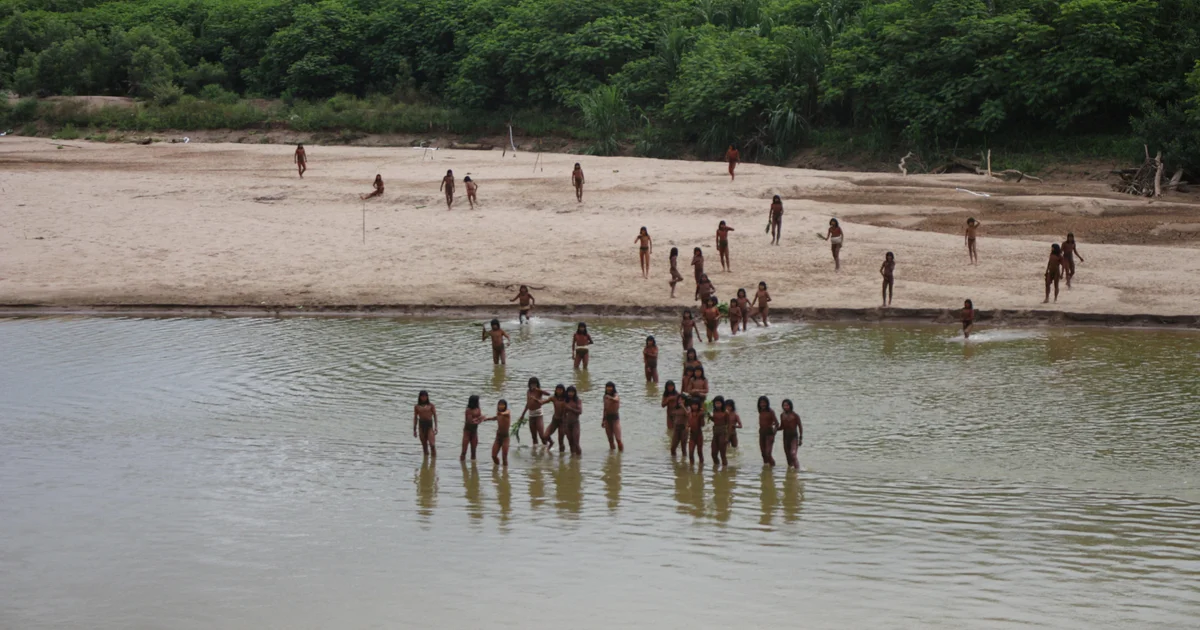
A new report warns that half of the world's uncontacted Indigenous tribes, primarily in the Amazon, could be wiped out within 10 years due to threats from logging, mining, and illegal activities, highlighting the urgent need for stronger protections and recognition of their territories.
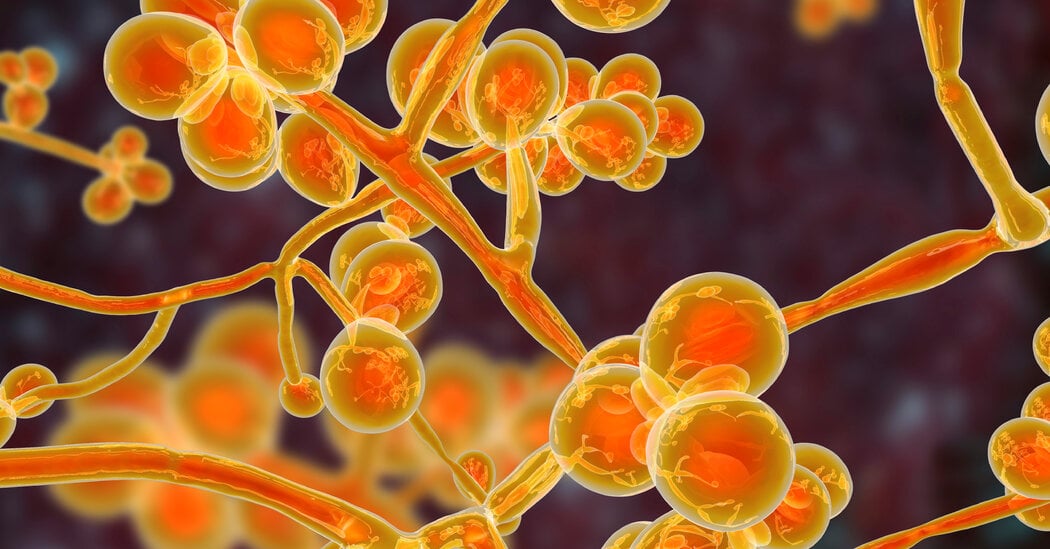
In her book "Blight: Fungi and the Coming Pandemic," Emily Monosson explores the dark side of fungi, highlighting their potential as devastating disease agents. Monosson discusses the impact of fungal pathogens on humans, animals, and plants, emphasizing the growing threat posed by global warming and medical advances. She delves into the dangers of fungal infections among humans, the vulnerability of amphibians to fungal diseases, and the risks associated with the wild animal trade. Monosson also examines the historical and ongoing impact of fungal blights on plant health, while offering hope through interventions such as breeding for blight resistance and advancements in bioengineering.
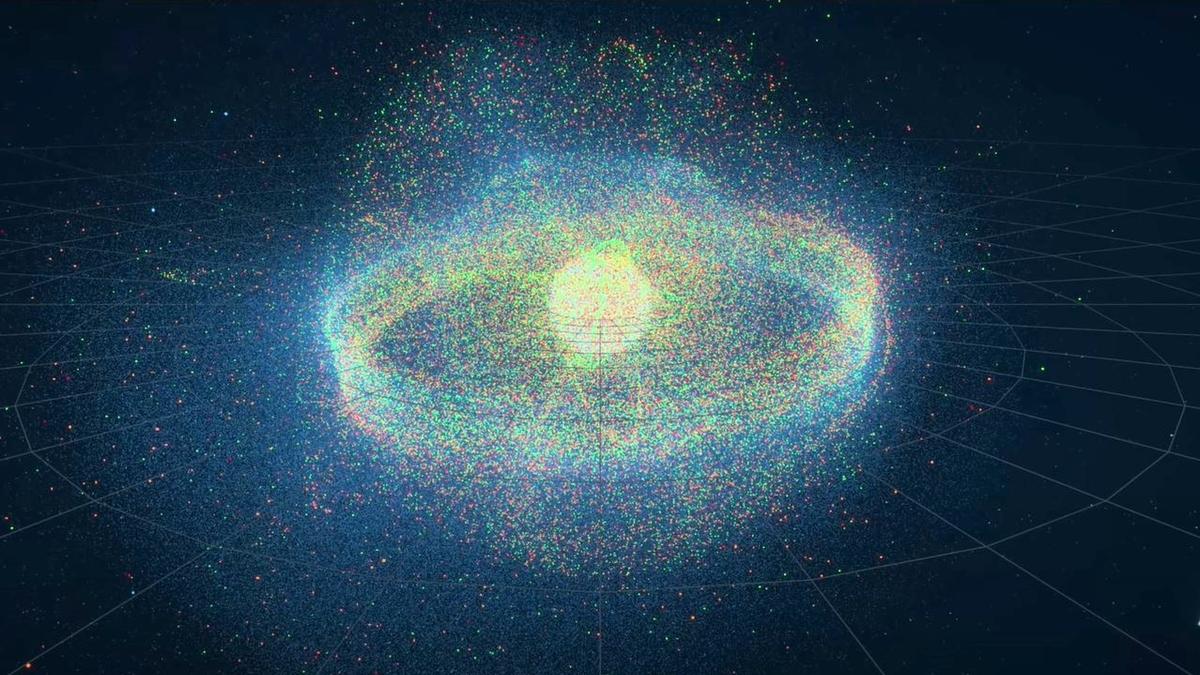
Scientists have warned that the increasing number of satellites and artificial light are an unprecedented global threat to nature and cultural heritage, as they block the view of the night sky and threaten the profession of astronomy. The unfettered access to dark night skies is rapidly diminishing due to light pollution and satellite constellation tracks. The satellites also pose a challenge to space debris, and atmospheric pollution from debris and rocket exhaust gases. Scientists should do more to stand up to ‘big light’ and ‘big space’ and preserve this natural resource.