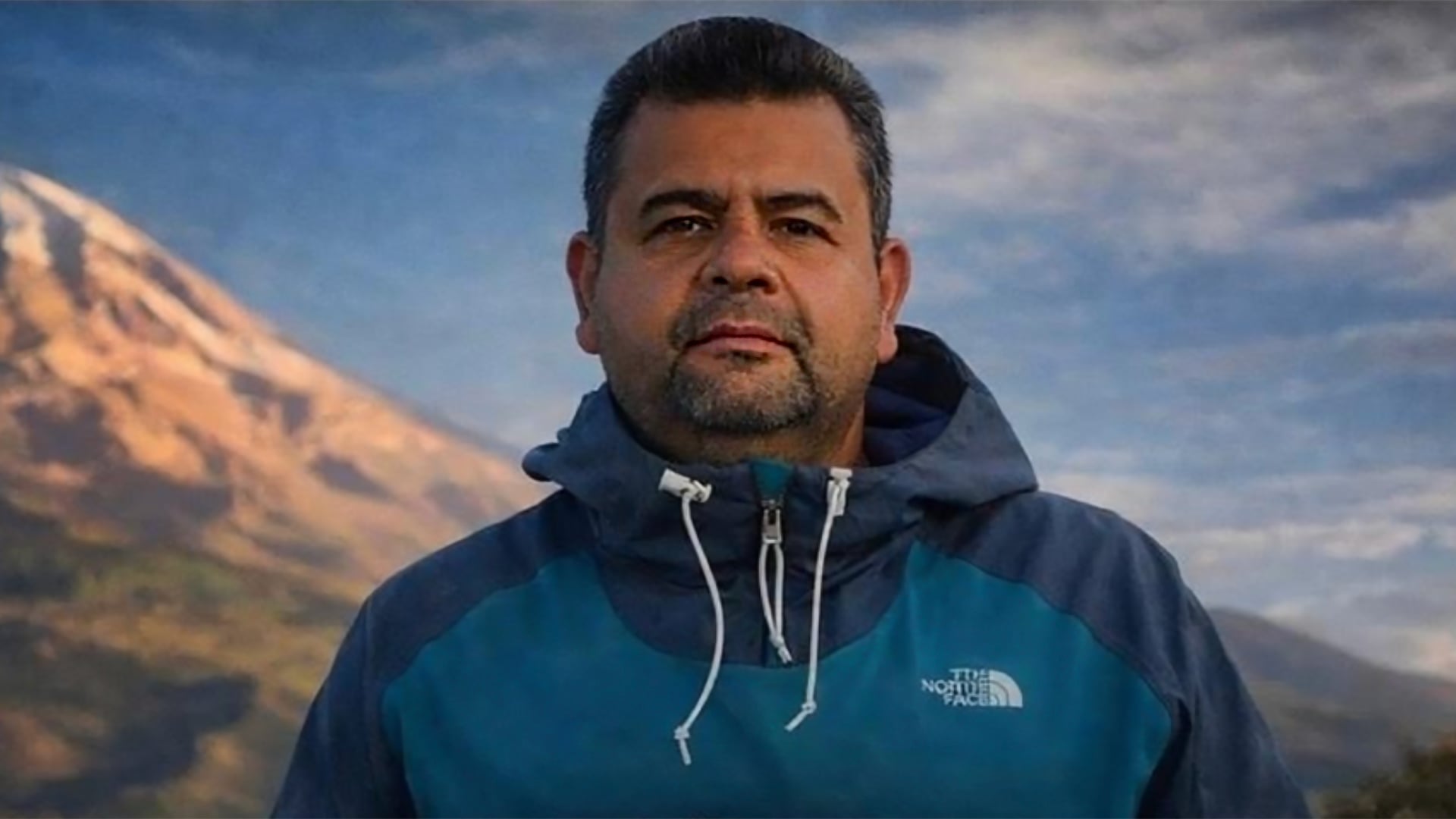
Mexican biologist Miguel Ángel de la Torre Loranca was kidnapped in Veracruz after responding to a request for dialogue, with his family receiving a ransom demand and no updates on his whereabouts, highlighting the dangers faced by environmental and scientific workers amid Mexico's broader crisis of forced disappearances and organized crime influence in rural areas.
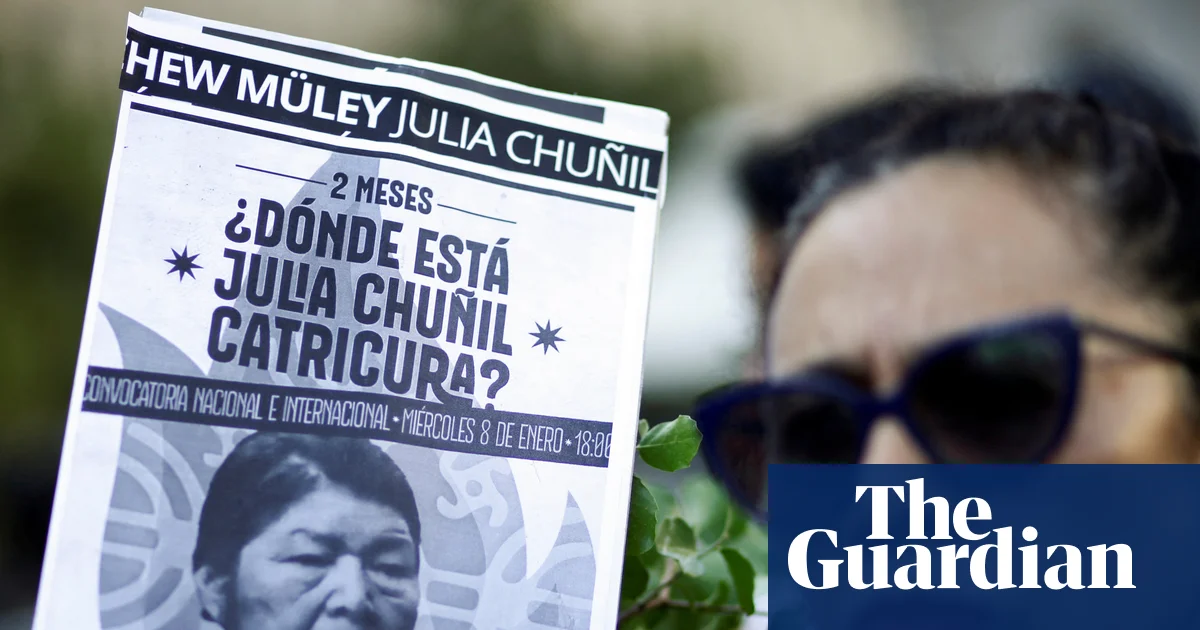
The article highlights the case of Julia Chuñil, a Mapuche land defender in Chile who disappeared amid ongoing land disputes, reflecting the deadly toll of land conflicts on Indigenous communities worldwide, with many cases of violence and impunity reported, especially in Latin America.
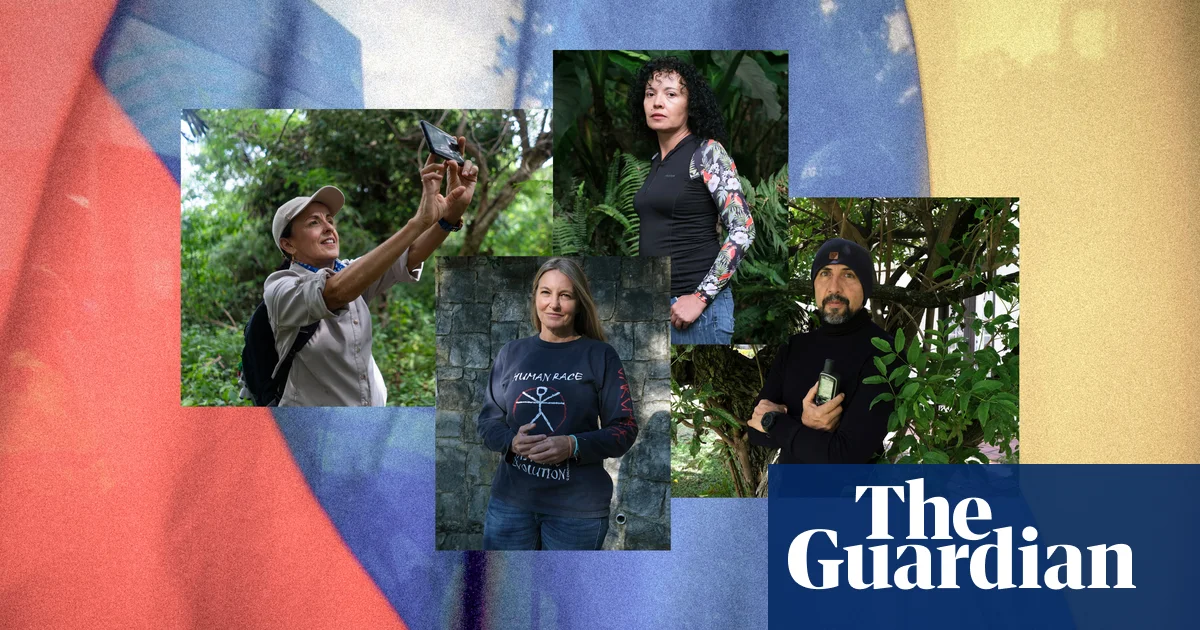
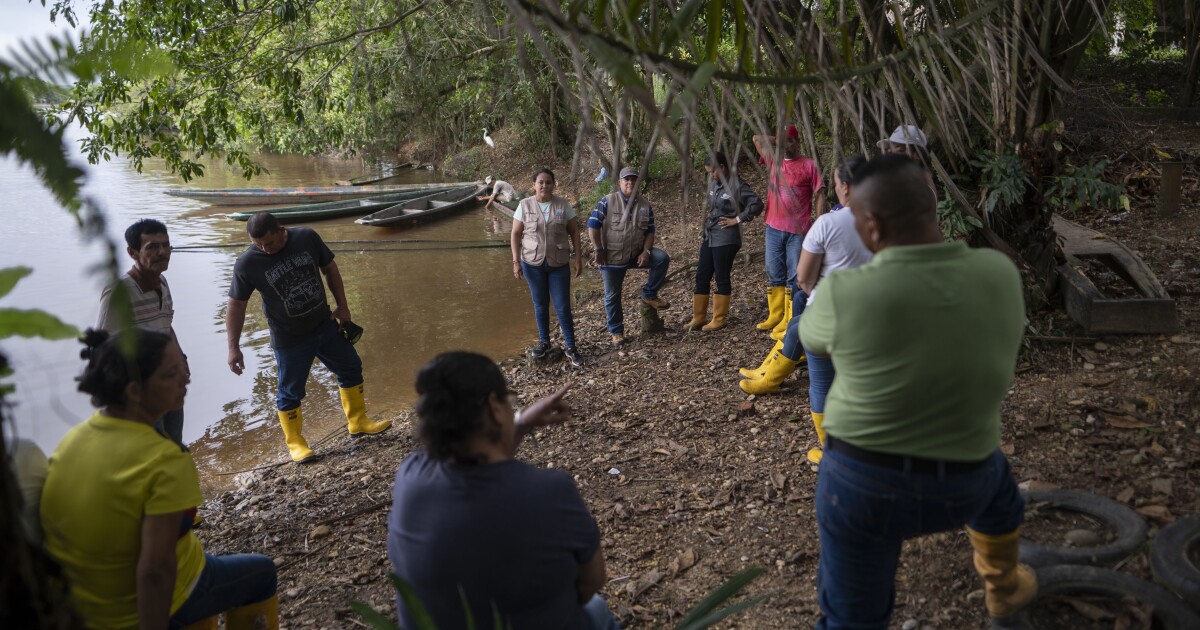
Colombia is the most dangerous country for environmental defenders, with a third of the 196 killed globally last year being Colombian. At the Cop16 biodiversity conference, conservationists like Ángela Maldonado, Fernando Trujillo, Sandra Bessudo, and Rosamira Guillen shared their experiences of working under threat from armed groups and organized crime. Despite the dangers, they continue to fight for the protection of species and habitats, advocating for peace and international support to safeguard both nature and human rights.
Colombia has been ranked as the most dangerous country in the world for environmental defenders, with 60 green activists murdered last year, according to a report by Global Witness. The country's rich biodiversity and natural resources make it a target for criminal gangs involved in illegal activities such as logging and mining. Environmentalists who speak out against water pollution and land rights violations face threats, violence, and even assassination attempts. Despite some improvements in security, successful prosecutions are rare, leading to a culture of impunity.