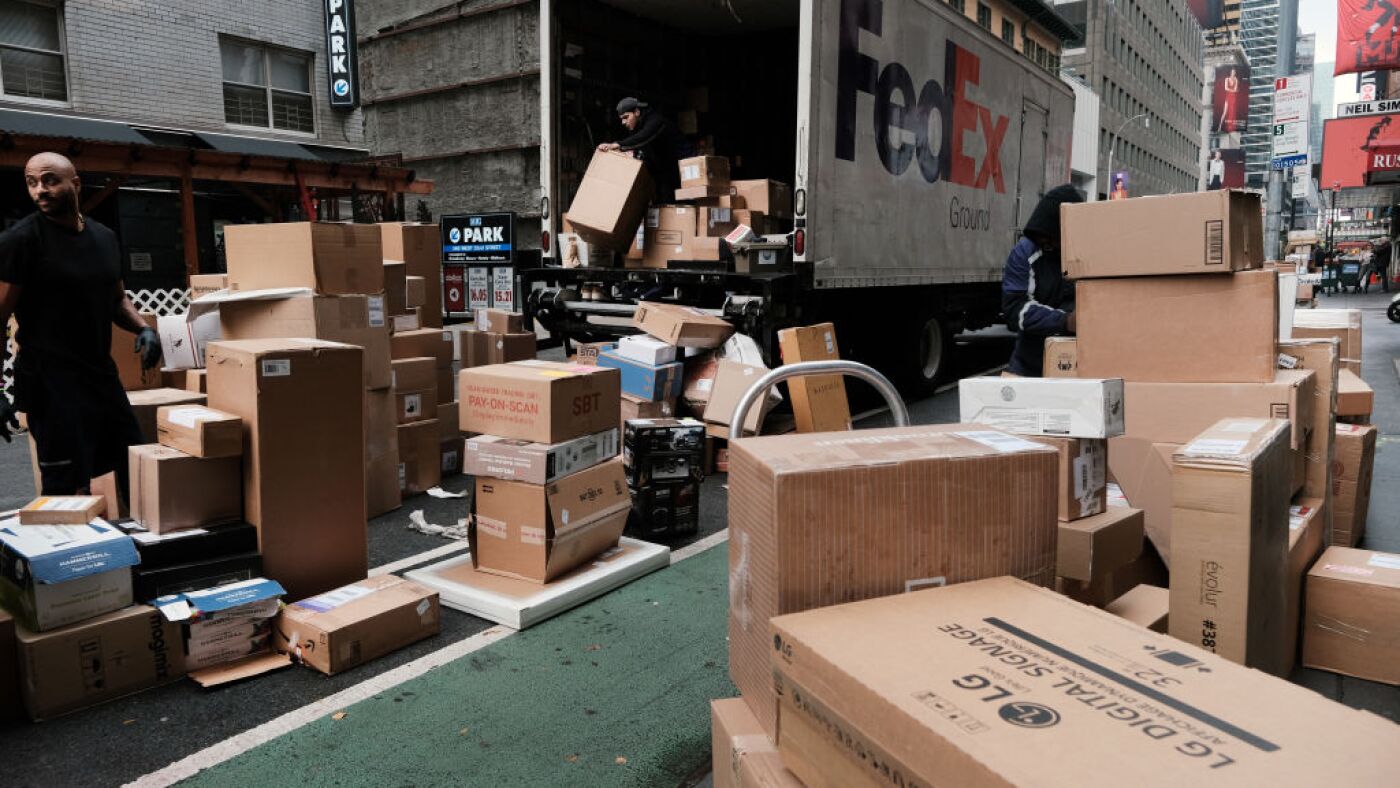
The US is ending its nearly century-old de minimis trade exemption, which allowed small-value imports to bypass tariffs and inspections, due to concerns over safety, unfair advantages to foreign companies, and trade deficits. Starting Friday, all US-bound shipments will be subject to duties and tariffs, leading to disruptions in international shipping and potential benefits for consumer safety and fair trade, but also causing delays and adjustments in global logistics.
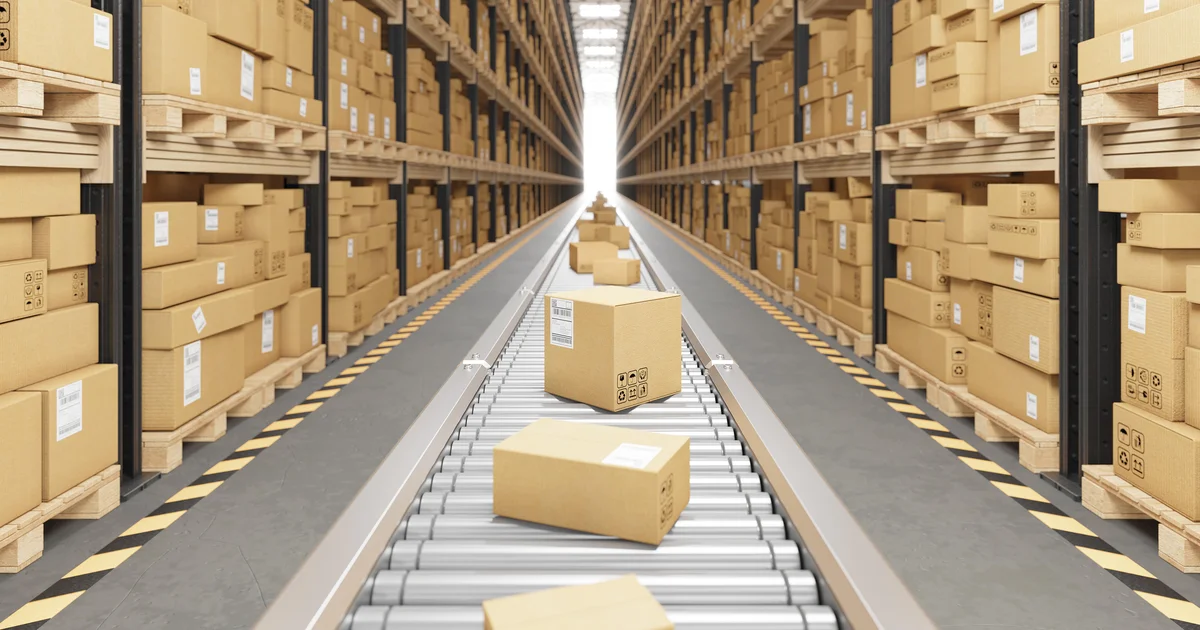
Multiple postal services in Europe and India are suspending shipments to the U.S. due to uncertainties and new import tariffs introduced by the U.S. government, which are causing disruptions in international mail and package deliveries.
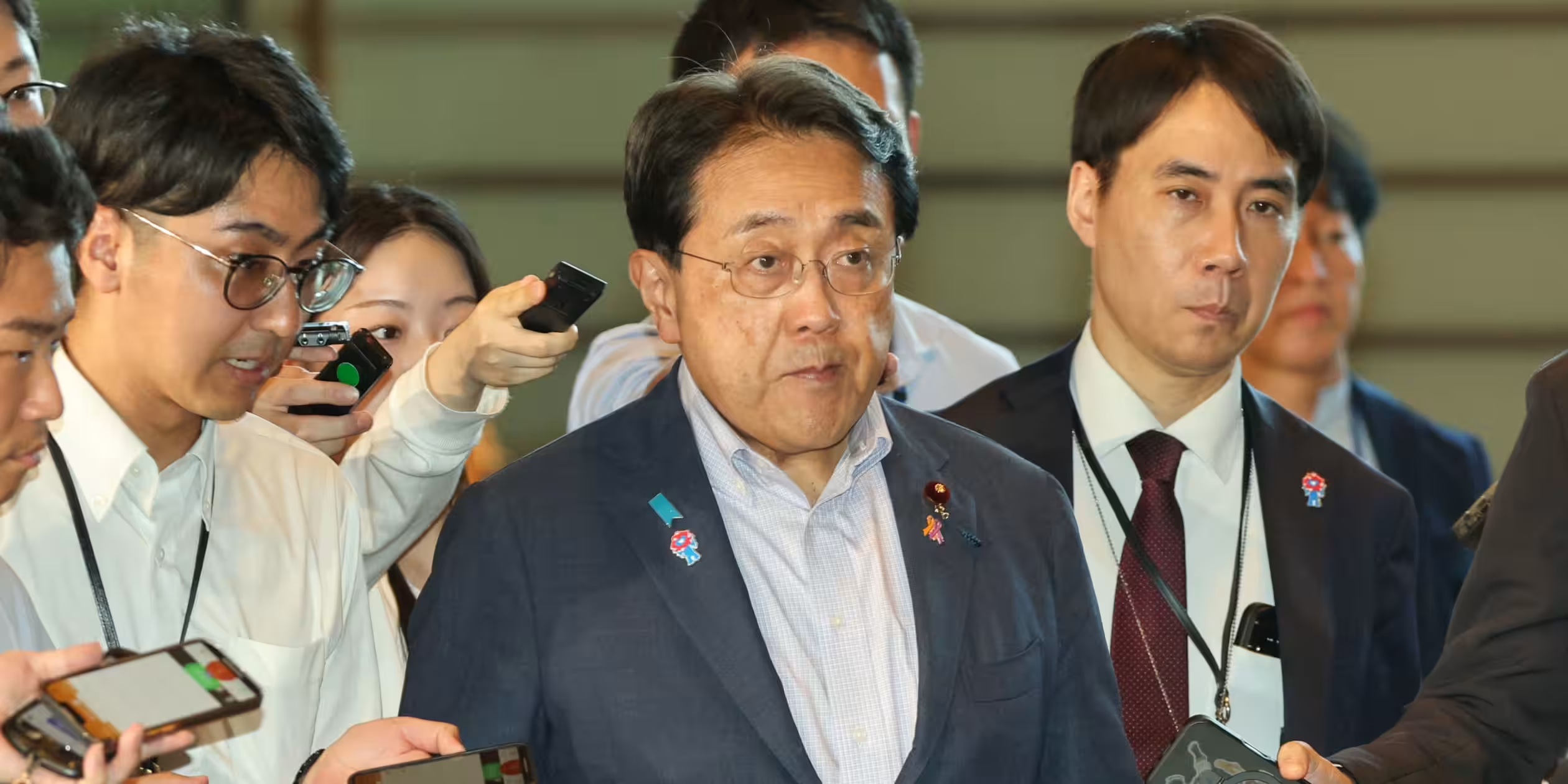
The US and Japan have announced a tariff deal, but there are discrepancies in the details, including the start date and investment framework, with the US providing unclear information on when tariffs will begin and how Japanese investments will be affected.
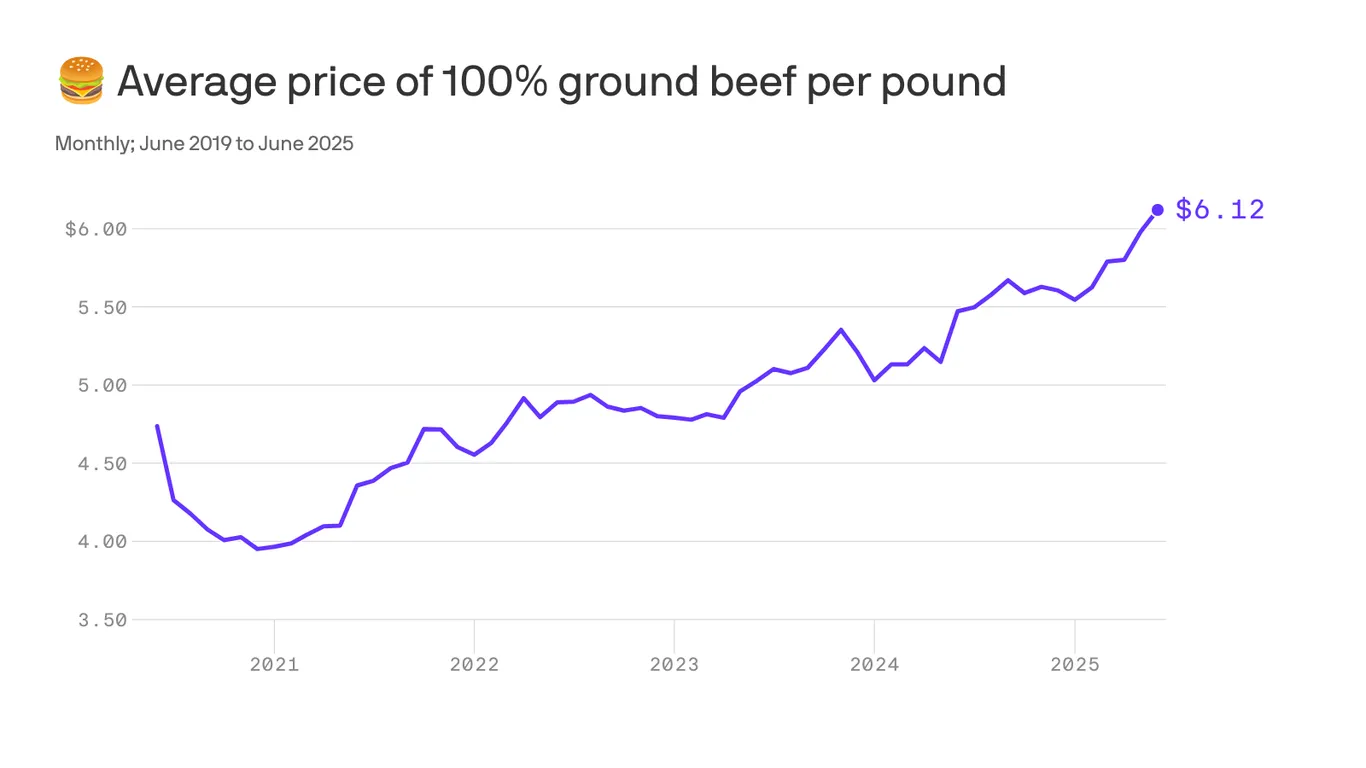
Beef prices in the US are at record highs due to a strained supply chain caused by drought, declining farms, and import restrictions, with prices expected to remain high into 2026. The situation is exacerbated by tariffs and import bans, and Walmart's new beef facility aims to increase control over the supply chain amid ongoing price pressures.
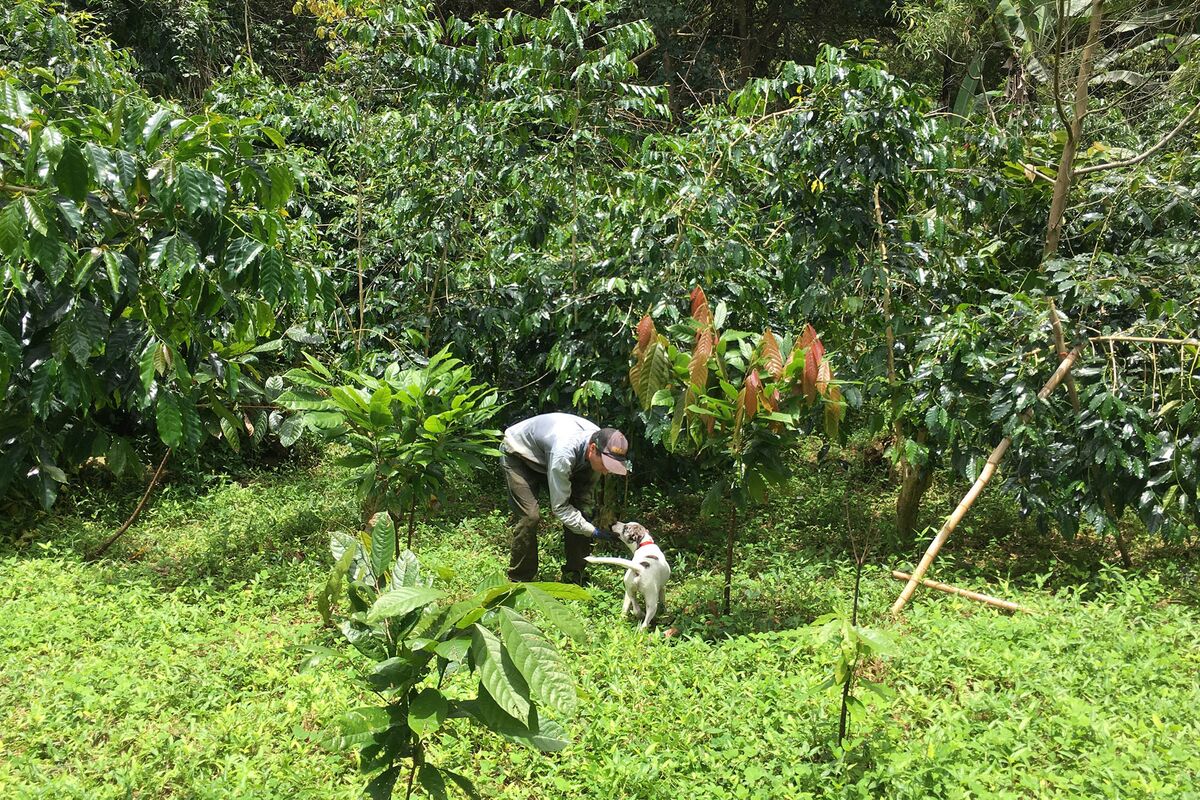
Hawaiian coffee farmers and US consumers face potential harm from President Trump's proposed tariffs on major coffee exporters like Brazil and Vietnam, which could increase coffee prices and reduce demand, ultimately hurting local farmers and the broader coffee industry in the US.
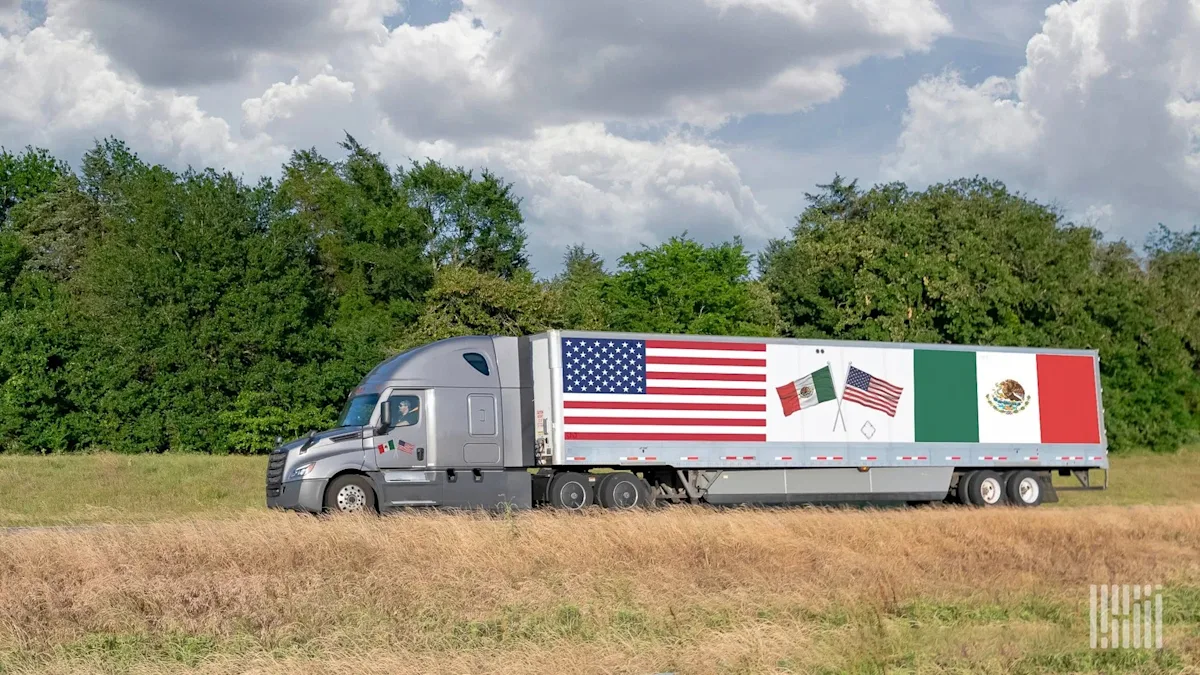
The US is ending a 30-year-old tomato trade agreement with Mexico and imposing tariffs of 17% to 21%, aiming to protect domestic growers but risking higher prices and reduced choices for consumers, amid ongoing disputes over fair trade practices.
President Trump announced plans to send tariff rate letters to about a dozen countries, escalating the trade war and causing market jitters, with rates potentially as high as 70%, though specific countries and rates remain undisclosed.
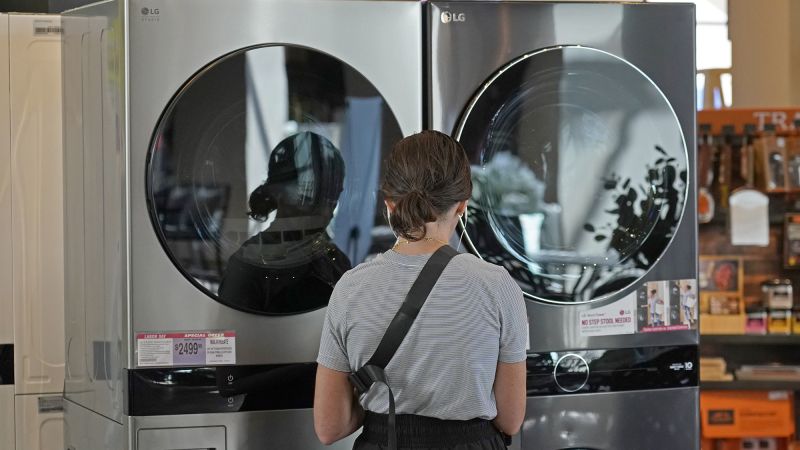
The Trump administration is implementing a 50% steel tariff on consumer appliances containing steel, such as refrigerators and dishwashers, starting June 23, aiming to boost American steel production but potentially increasing costs for manufacturers and consumers.
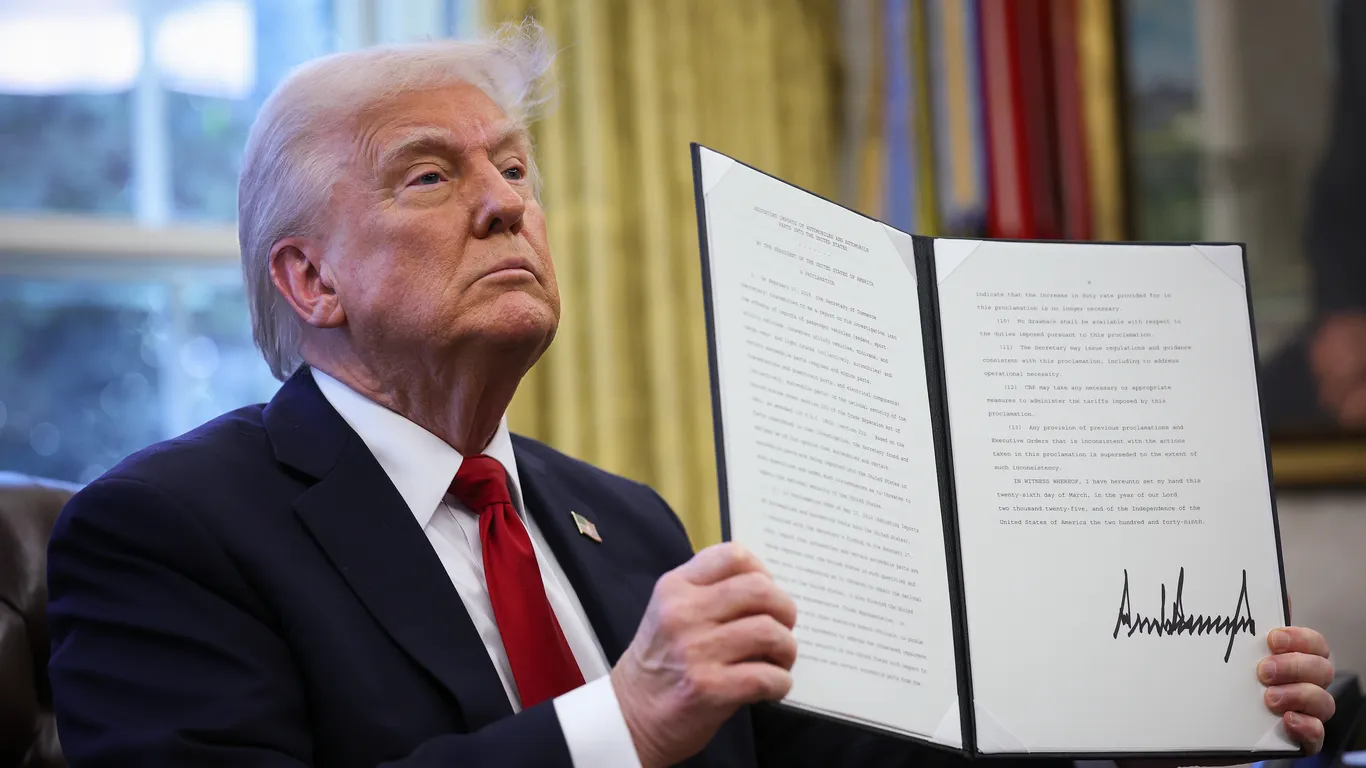
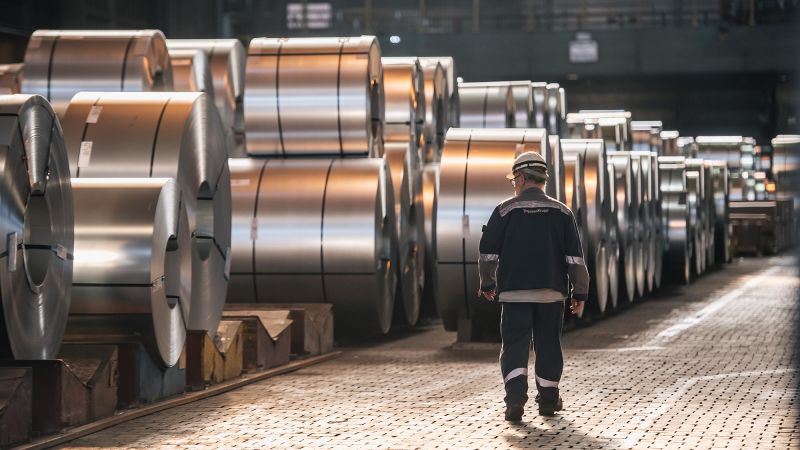
President Donald Trump announced he will double the steel import tariffs from 25% to 50%, aiming to protect American steelworkers and boost the US steel industry, while also approving a deal for Nippon Steel to buy a controlling stake in US Steel. The move follows previous tariffs and aims to secure the industry amid concerns over foreign competition and national security.
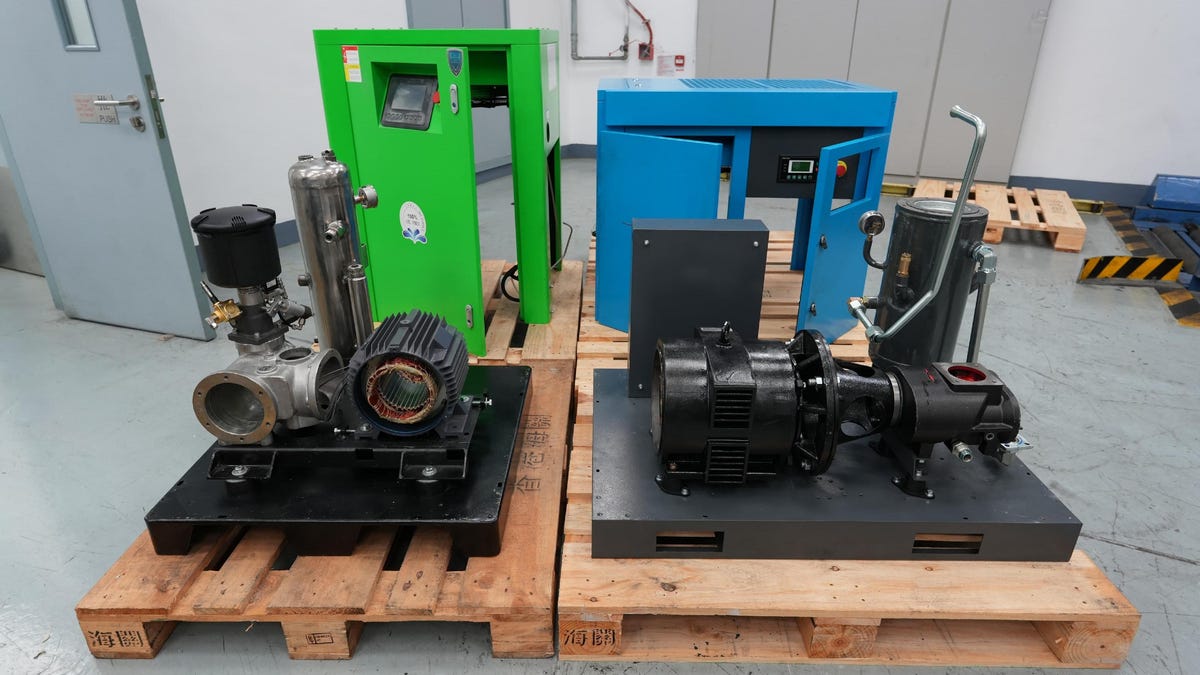
Hong Kong customs seized $10 million worth of gold disguised as machine parts on a cargo plane bound for Japan, marking the largest gold smuggling case in the city's history. The gold, concealed in air compressors and painted silver to evade detection, was intended to avoid Japan's 10-percent import tariff. A 31-year-old man, believed to be the mastermind behind the smuggling attempt, has been arrested and faces a potential seven-year prison sentence and a hefty fine if convicted.
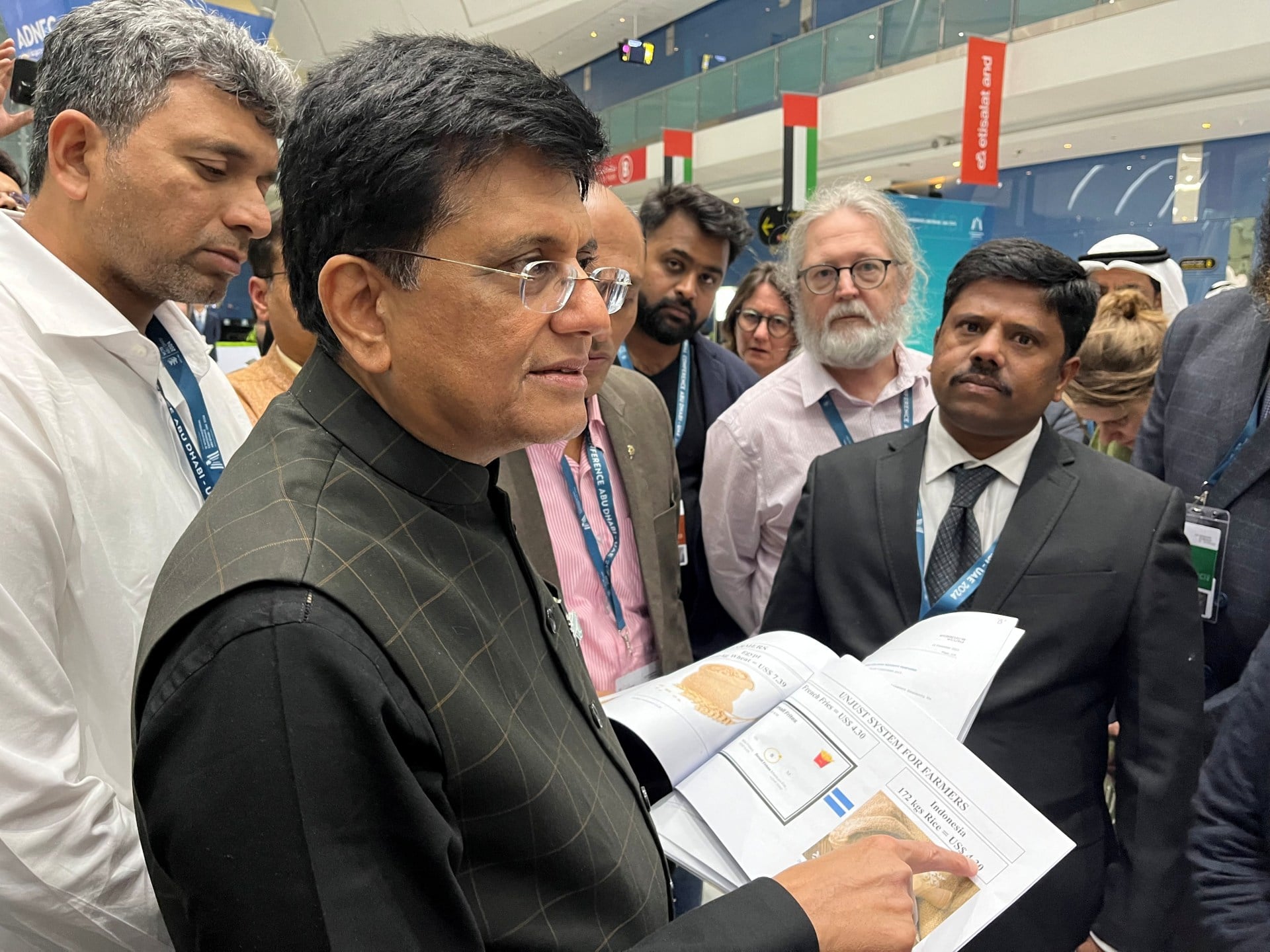
India has signed a $100bn free trade agreement with the European Free Trade Association (EFTA), comprising Switzerland, Norway, Iceland, and Liechtenstein, which will lead to the lifting of import tariffs on industrial products from these countries in return for a 15-year investment. The deal aims to boost exports, promote investment, and create employment, with provisions for liberalized trade rules for Indian agricultural exporters and opportunities for professionals to work in the EFTA zone. The agreement also includes elements such as intellectual rights and gender equity, and all five countries must ratify the deal before it can take effect.
Xiaomi has expressed concerns to the Indian government about smartphone component suppliers being hesitant to set up operations in India due to the heavy scrutiny of Chinese companies. The company, which has the largest share in India's smartphone market, is seeking manufacturing incentives and lower import tariffs for certain smartphone components. India has increased scrutiny of Chinese businesses since a 2020 border clash, leading to regulatory challenges for Chinese companies operating in India. Xiaomi's letter highlights the ongoing struggles faced by Chinese companies in India and calls for confidence-building measures to encourage component suppliers to establish operations locally.
Xiaomi has expressed concerns to the Indian government about the reluctance of smartphone component suppliers to set up operations in India due to heavy scrutiny of Chinese companies. The company, which holds the largest share in India's smartphone market, has requested manufacturing incentives and lower import tariffs for certain smartphone components. This comes amid increased scrutiny of Chinese businesses in India following a 2020 border clash, with Indian authorities freezing over $600 million in Xiaomi assets and accusing Chinese smartphone company Vivo of breaching visa rules. Xiaomi's letter highlights the challenges faced by Chinese companies in India and calls for confidence-building measures to encourage component suppliers to establish operations locally.
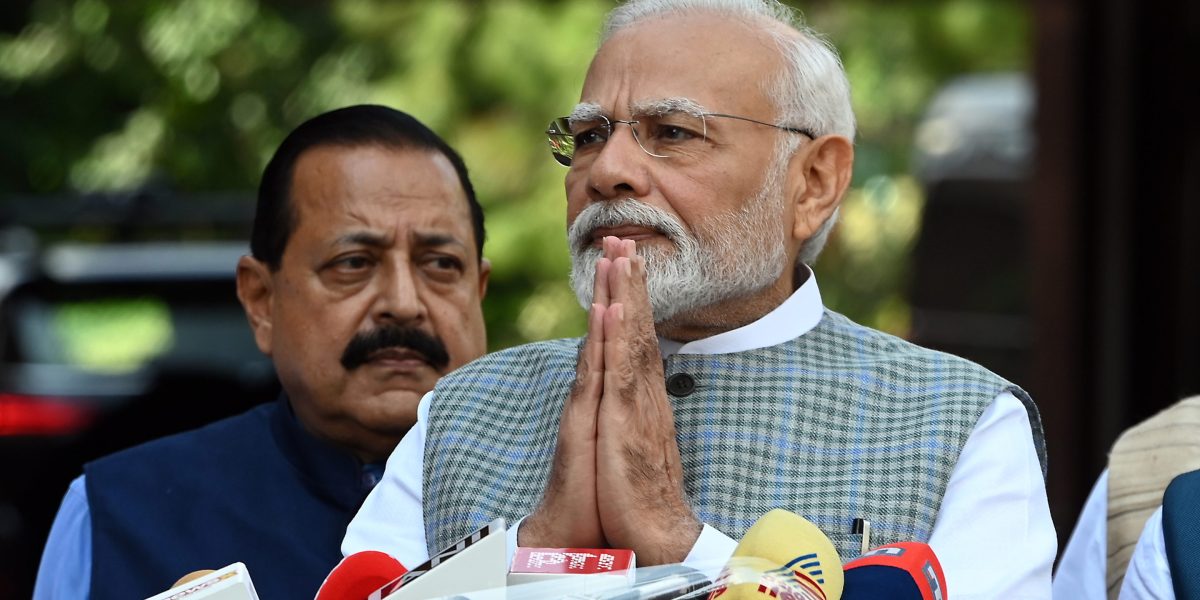
Indian Prime Minister Narendra Modi is considering reducing import duties for electric vehicles (EVs) in order to attract a major investment from Tesla CEO Elon Musk. The reduction in tariffs, which can double the price of EVs, would benefit all EV manufacturers, not just Tesla. India's car market has experienced significant growth and is crucial for Tesla's goal of selling 20 million EVs annually by 2030. Additionally, India could benefit from EVs in combating air pollution. However, India's market poses challenges due to weak purchasing power, underdeveloped infrastructure, and intense competition among carmakers. Landing Tesla's investment would be a significant achievement for Modi, who faces an upcoming general election.
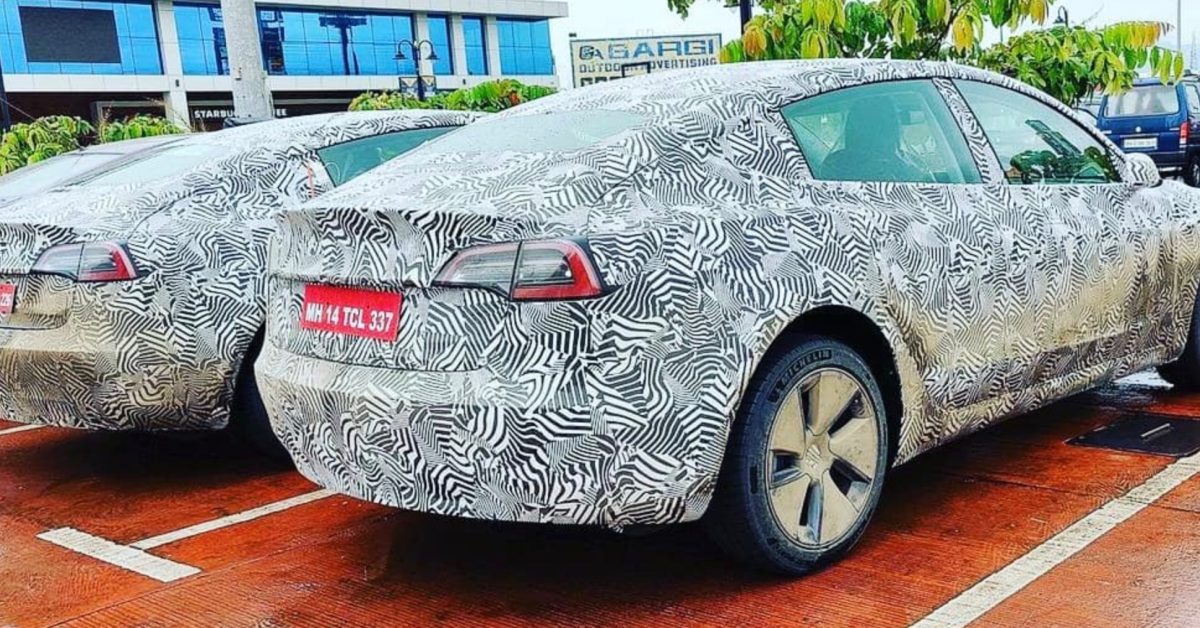
Tesla has proposed to build a factory in India to manufacture electric cars for domestic sales and exports, according to sources. The move marks a change in strategy for the automaker, which has faced high import tariffs in India. Tesla has previously expressed interest in building a factory in the country, but has preferred to test the waters with imported vehicles. The proposed factory would allow Tesla to efficiently enter the Indian market with its own production.