China has warned Ukraine against imposing sanctions on Chinese companies over alleged support for Russia, stating it will take measures to protect its interests and opposes unilateral sanctions not authorized by the UN, calling for Ukraine to refrain from unjustified actions against China.
Investors are increasingly betting on Chinese companies to lead the global development of artificial intelligence, highlighting China's growing influence in the tech industry.
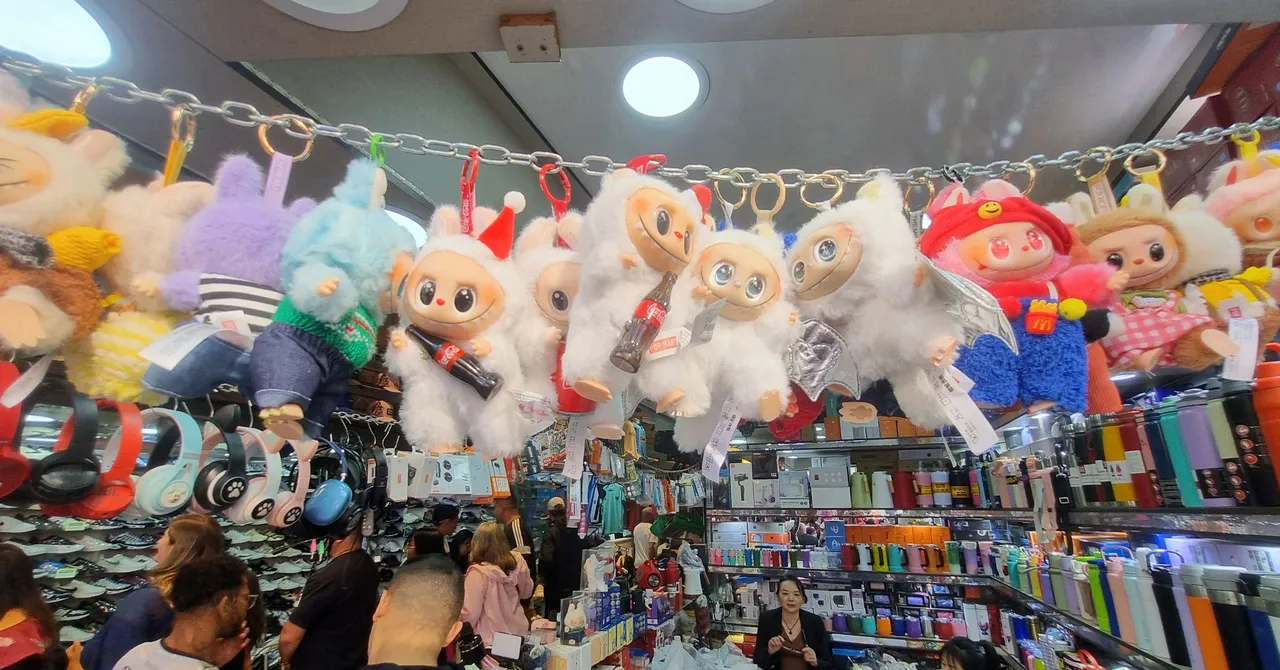
Pop Mart's Labubu plush toys have generated $670 million in sales in 2025, surpassing iconic US toy brands and indicating the franchise's significant profitability and global popularity.
Luckin Coffee, China's largest coffee chain, has opened its first US locations in New York City, competing with Starbucks by offering low prices, mobile ordering, and a wide menu, despite past scandals and financial issues in China. The company aims to expand its presence in the US market amid its rapid growth and recovery from previous controversies.
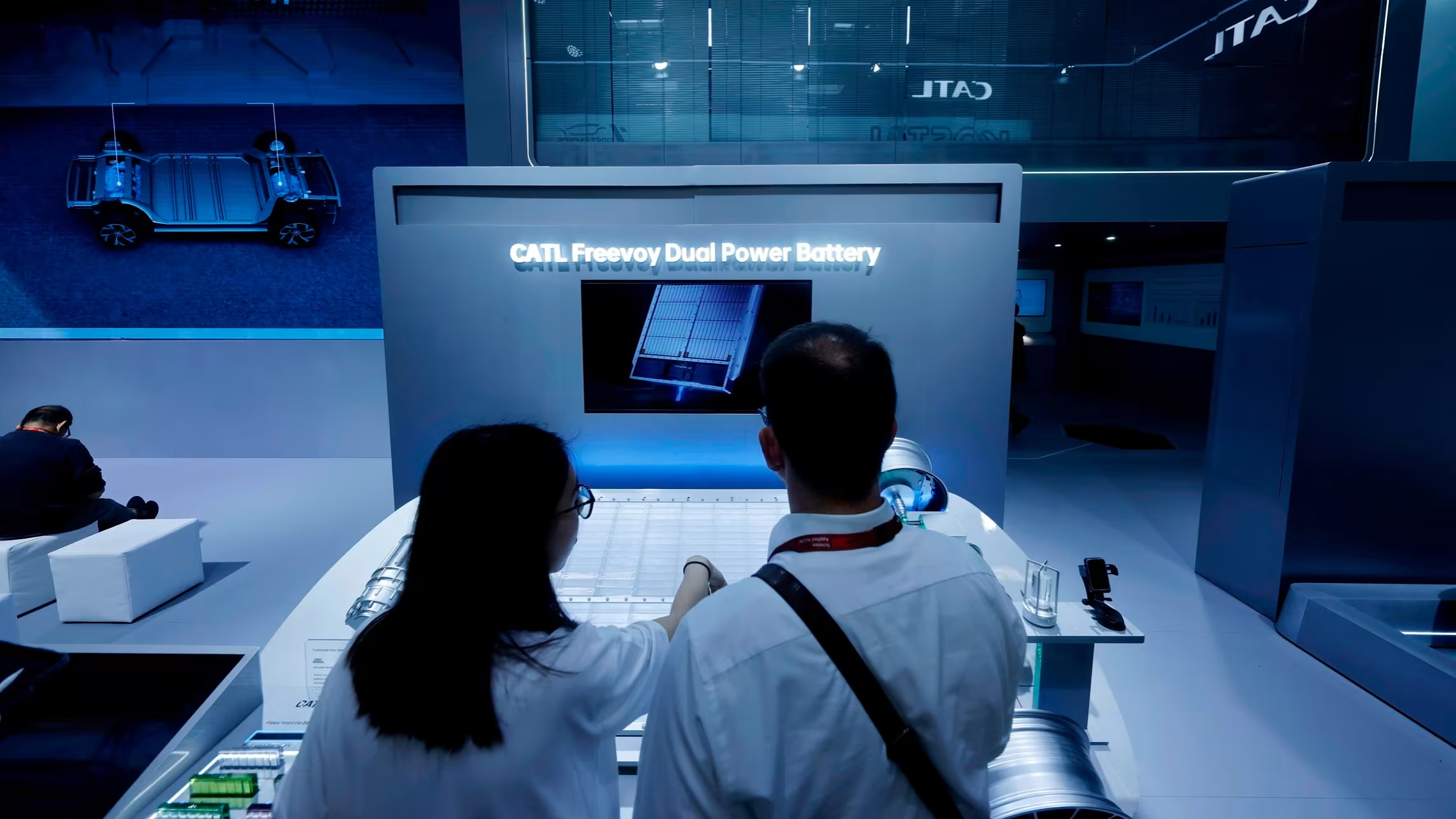
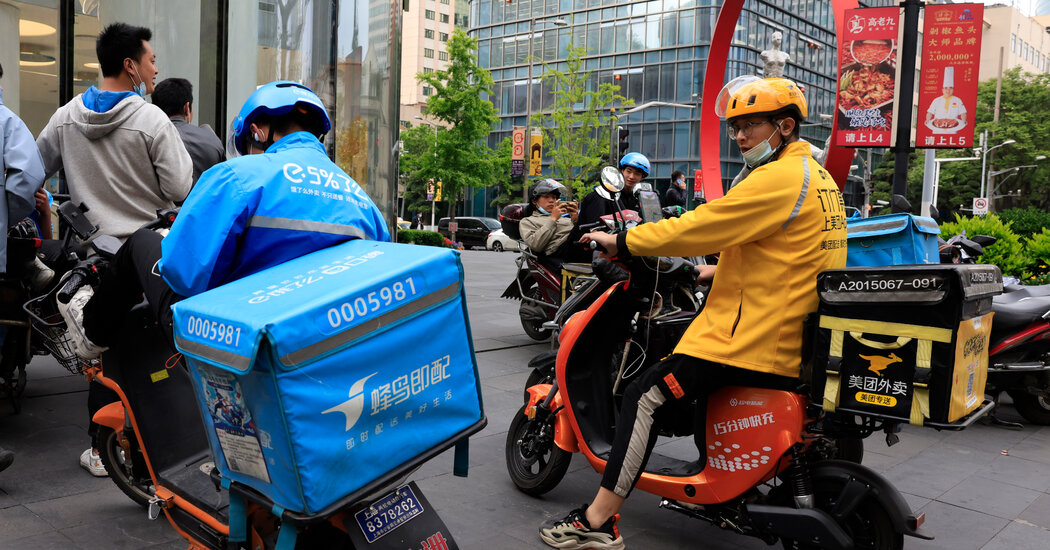
Chinese tech giants are heavily investing in Brazil to expand their markets amid trade tensions and sluggish growth at home, with companies like Meituan, Temu, and Mixue establishing operations and investing billions, driven by the need for new markets and strengthened China-Brazil economic ties, despite regulatory and competitive challenges.
The CEO of the Texas Stock Exchange announced that 35% of the 4,600 US-listed public companies would not qualify for listing on the new exchange, including many Chinese-based firms that do not meet U.S. standards, with the new exchange primarily targeting smaller and mid-cap companies, potentially launching in late 2025.
Bank of America maintains a Buy rating for Nvidia after a management meeting, while Chinese companies hesitate to switch to alternatives despite new export restrictions, highlighting ongoing tensions in the tech supply chain.
A former Google software engineer, Linwei Ding, has been charged with stealing AI technology from the company while secretly collaborating with two Chinese companies. The Justice Department announced the arrest, emphasizing the threat of Chinese economic espionage and national security concerns related to advancements in artificial intelligence. The indictment alleges that Ding uploaded confidential files to his personal Google Cloud account, then accepted a position at a Chinese technology company and founded a startup without disclosing these affiliations to Google. The case highlights the ongoing concerns about foreign adversaries exploiting AI technologies and the potential impact on the United States.
Bipartisan lawmakers are urging the US government to investigate Chinese contract research and manufacturing giants WuXi AppTec and WuXi Biologics for alleged ties to the Chinese military, requesting that the companies be added to multiple US government control lists.
Xiaomi has expressed concerns to the Indian government about smartphone component suppliers being hesitant to set up operations in India due to the heavy scrutiny of Chinese companies. The company, which has the largest share in India's smartphone market, is seeking manufacturing incentives and lower import tariffs for certain smartphone components. India has increased scrutiny of Chinese businesses since a 2020 border clash, leading to regulatory challenges for Chinese companies operating in India. Xiaomi's letter highlights the ongoing struggles faced by Chinese companies in India and calls for confidence-building measures to encourage component suppliers to establish operations locally.
Xiaomi has expressed concerns to the Indian government about the reluctance of smartphone component suppliers to set up operations in India due to heavy scrutiny of Chinese companies. The company, which holds the largest share in India's smartphone market, has requested manufacturing incentives and lower import tariffs for certain smartphone components. This comes amid increased scrutiny of Chinese businesses in India following a 2020 border clash, with Indian authorities freezing over $600 million in Xiaomi assets and accusing Chinese smartphone company Vivo of breaching visa rules. Xiaomi's letter highlights the challenges faced by Chinese companies in India and calls for confidence-building measures to encourage component suppliers to establish operations locally.
A group of attorneys general, led by Montana's Austin Knudsen, is urging Paramount Global and CBS to refrain from airing Super Bowl ads from Chinese company Temu, which they believe is using forced labor to produce its products. The attorneys general argue that Temu's ties to the Chinese Communist Party and its alleged use of forced labor make it unsuitable for advertising during the high-profile event, citing previous rejected ads as precedent. They emphasize the patriotic significance of the Super Bowl and call for CBS to uphold higher standards by not broadcasting Temu's commercials.
The House voted to overturn President Biden's waiver of "Buy America" requirements for taxpayer-funded electric vehicle (EV) charging stations, with two House Democrats and 207 Republicans voting in favor. The resolution, previously passed by the Senate, aims to block the waiver that would benefit Chinese manufacturers dominating the EV charger supply chain. The White House has stated that President Biden will veto the resolution, which is part of the administration's push to expand EV manufacturing and the network of chargers nationwide.
Chinese companies are repurposing Nvidia gaming chips for artificial intelligence applications, taking advantage of the chips' high performance and cost-effectiveness compared to traditional AI chips. This move reflects the growing demand for AI technology in various industries and the need for more affordable solutions.
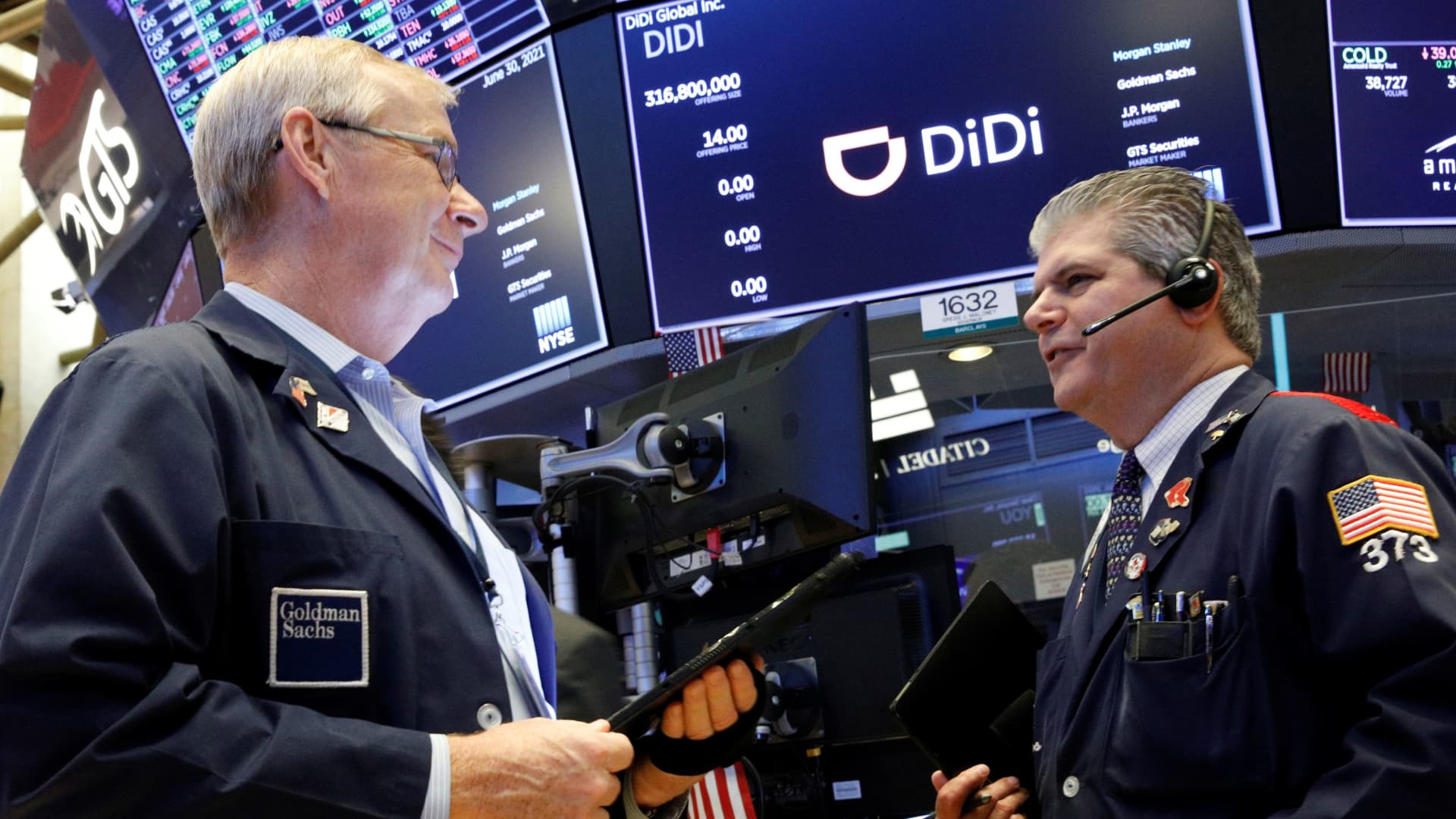
Chinese companies continue to show strong interest in listing on US stock exchanges, despite the process becoming more complicated. The head of China at the New York Stock Exchange, Kobe Ge, highlighted that Chinese firms are not familiar with the new procedures, which now require a longer preparation period of up to 12 months. The new measures implemented by the China Securities Regulatory Commission include compliance with national security measures and personal data protection laws. Rising political tensions between the US and China have also added to the uncertainty. However, Ge remains optimistic that Chinese listings in overseas markets will rebound as long as domestic firms focus on building strong businesses.