Minneapolis police chief criticized federal immigration agents for aggressive tactics during a confrontation with protesters over ICE operations targeting the Somali community, including an incident where an officer kneeled on a woman and attempted to arrest her, leading to public outcry and accusations of excessive force.
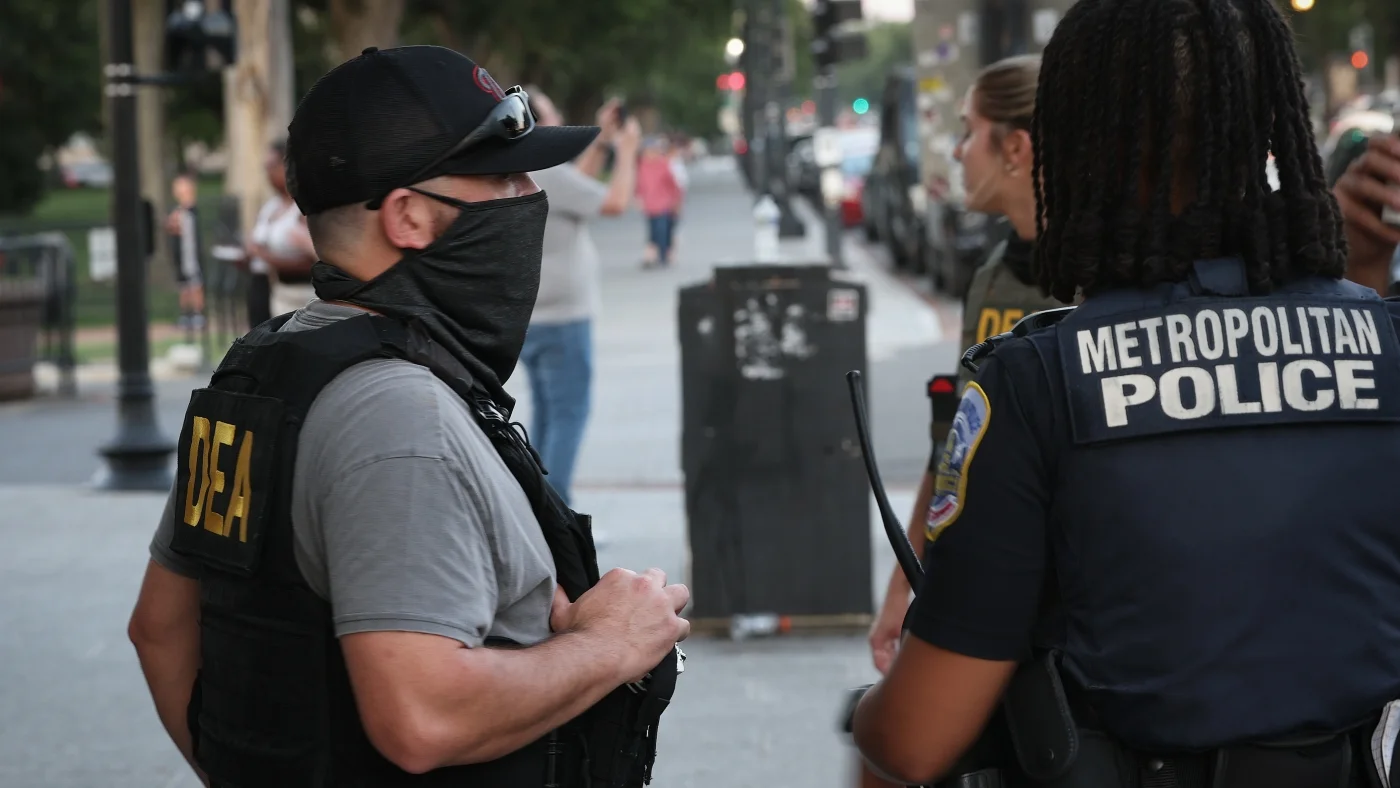
President Trump announced a federal takeover of Washington D.C.'s police and mobilization of the National Guard, targeting crime but also threatening to displace vulnerable groups like the homeless and mentally ill, raising concerns about the impact on these populations and skepticism about the effectiveness of tough policing strategies.
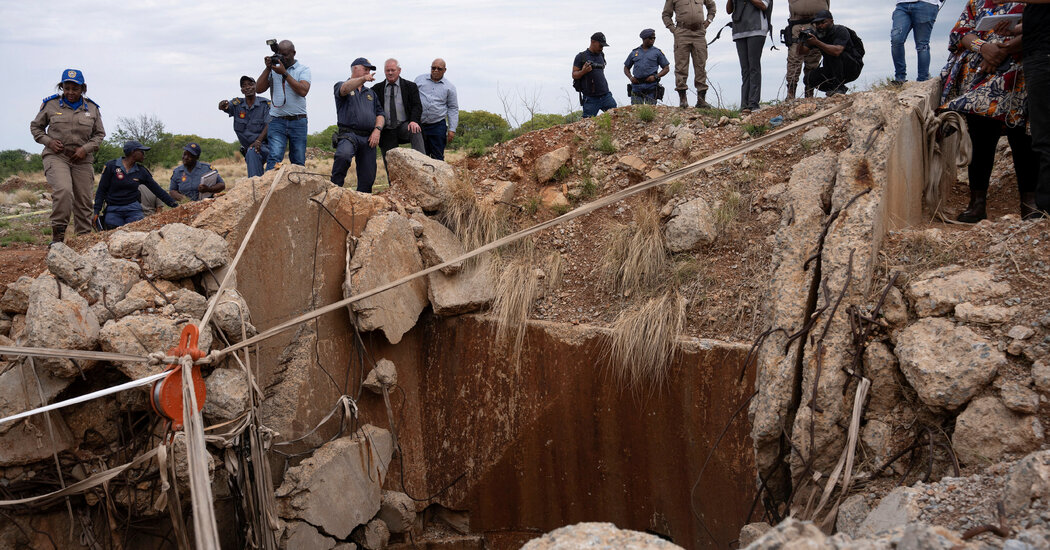
South African police have employed siege tactics to combat illegal mining activities, sparking a debate over the effectiveness and ethics of such methods. The approach aims to curb the dangerous and unregulated mining operations that have proliferated in the country, but it has also raised concerns about potential human rights violations and the broader implications for communities involved in these activities.
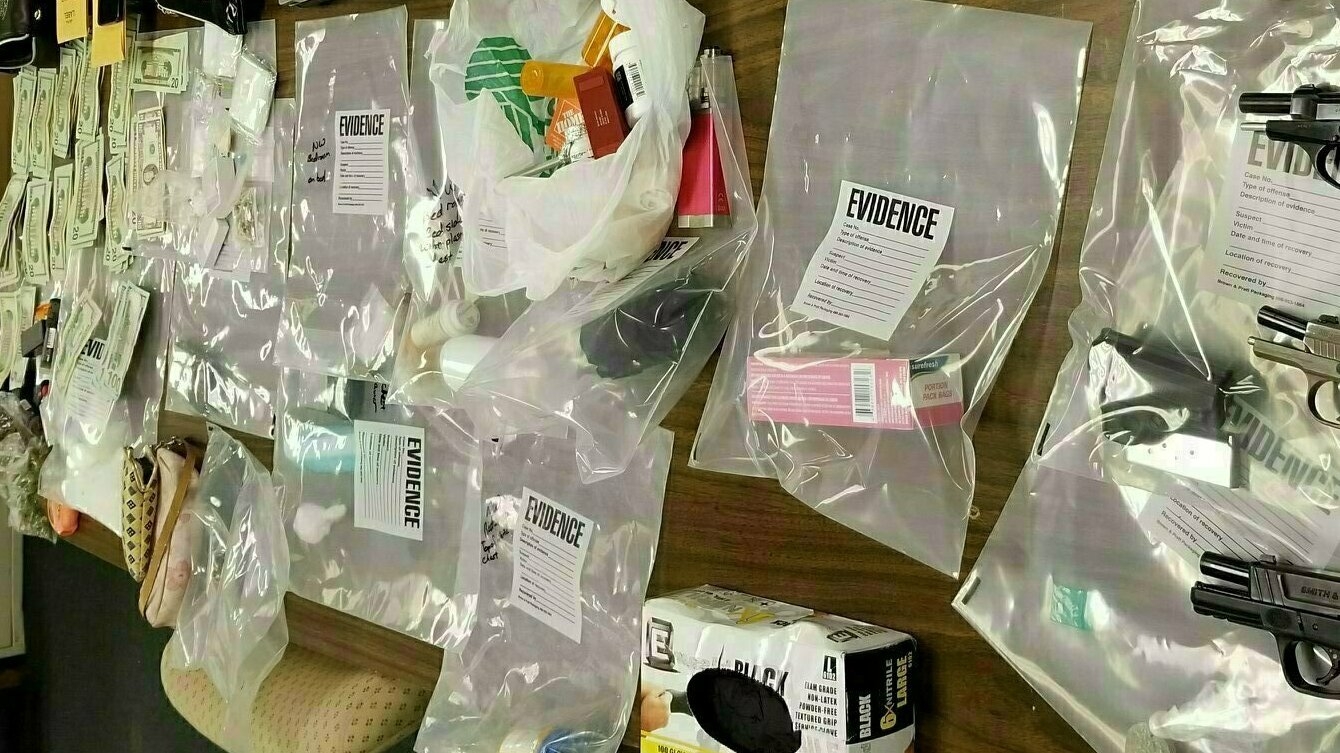
A coalition of politicians in the US is calling for tougher police tactics against drug dealers, particularly those selling fentanyl, methamphetamines, and xylazine. However, new research published in the American Journal of Public Health suggests that drug busts and police crackdowns may actually worsen the overdose crisis. The study, based on data from Indianapolis, found that overdose rates doubled in the area surrounding a drug seizure. Experts argue that disrupting the drug market can lead to increased risks, as people with addiction may turn to more dangerous substances or experience altered tolerance levels. Critics argue that decades of tough law enforcement tactics have not effectively reduced drug supply or made communities safer. Some experts suggest that drug seizures should be part of a broader public health strategy, with better planning and coordination to prevent spikes in overdoses.