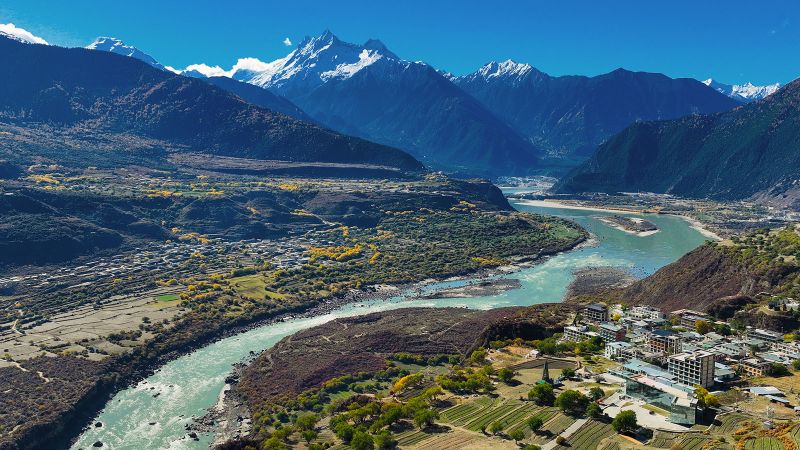
China is constructing the world's most powerful hydropower system in the Himalayas, involving complex tunnels and dams on the Yarlung Tsangpo river, with potential ecological, geopolitical, and water security implications, amid secrecy and regional tensions.
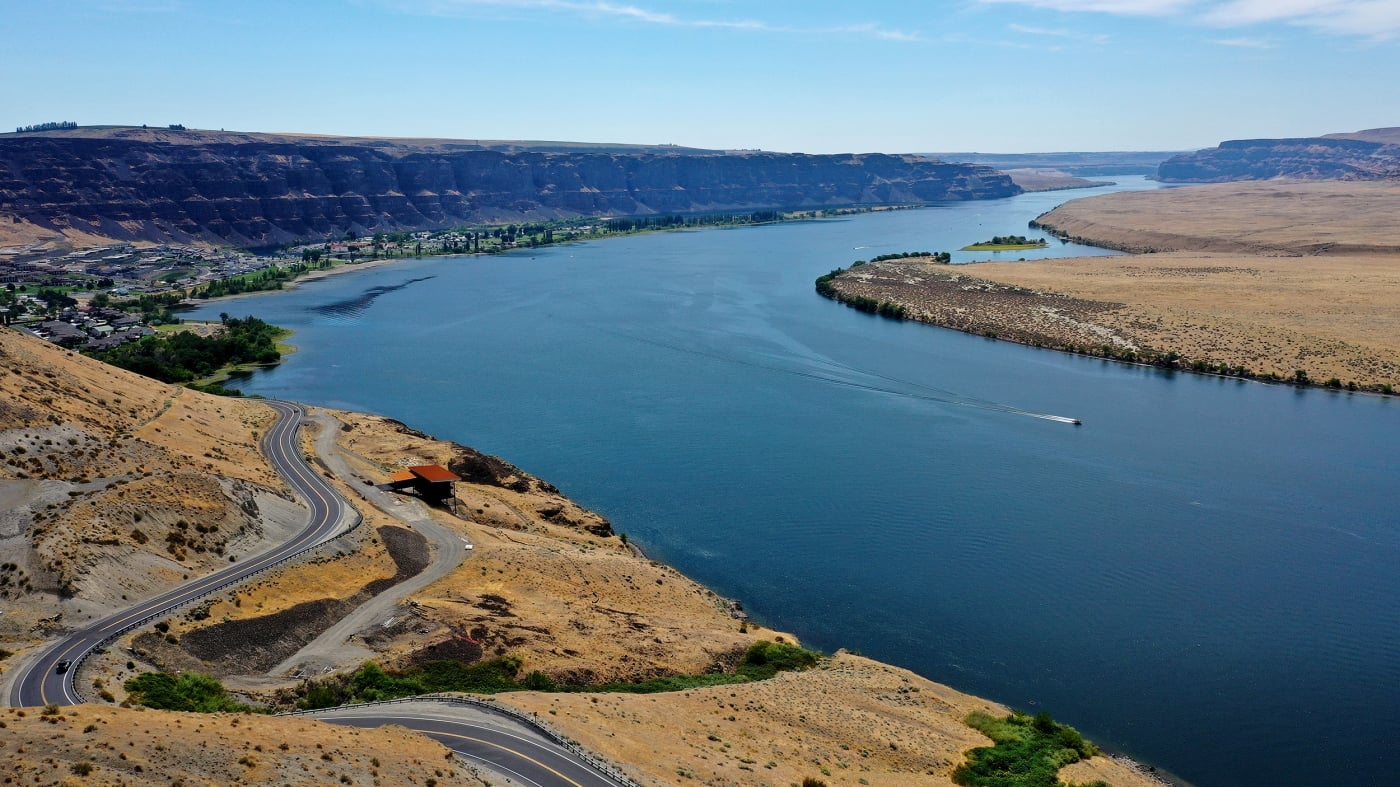
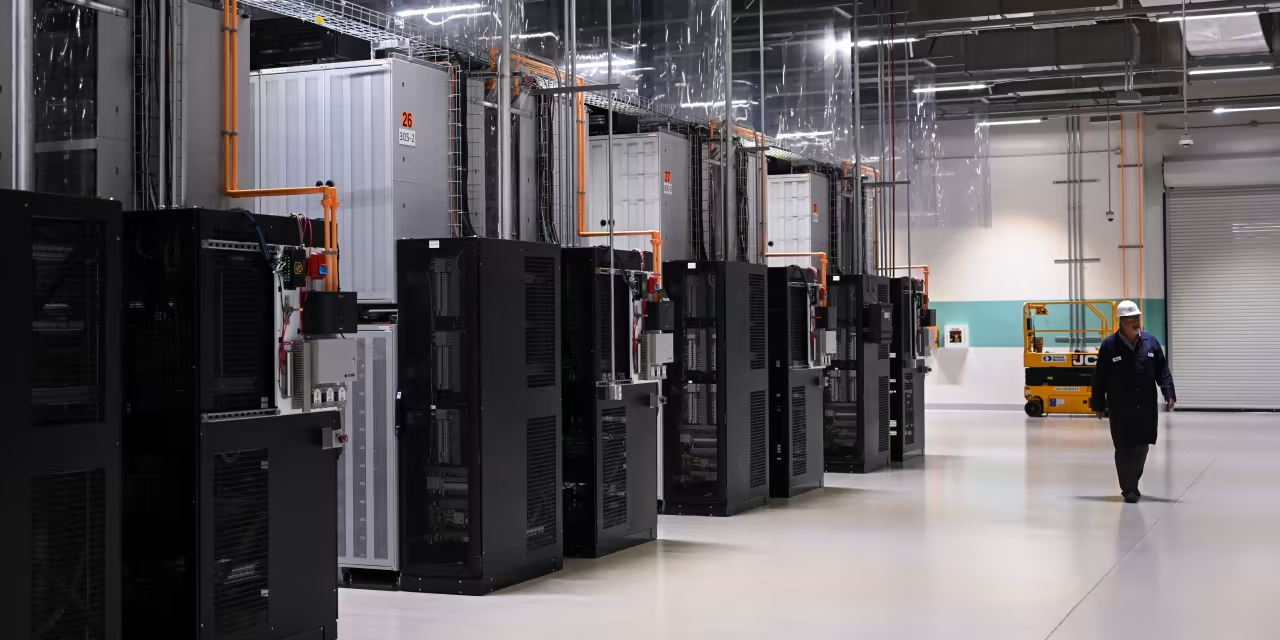
The article discusses the boom of data centers in Quincy, Washington, driven by the region's abundant hydropower, which has brought economic benefits like job creation and improved public amenities, but also raises concerns about resource strain, environmental impact, and long-term sustainability as demand for power and water increases.
Nepal has rapidly become a leader in EV adoption, with 76% of new passenger vehicles being electric, driven by abundant hydropower, favorable import policies, expanding charging infrastructure, and affordable Chinese EVs, despite political instability and infrastructure challenges.
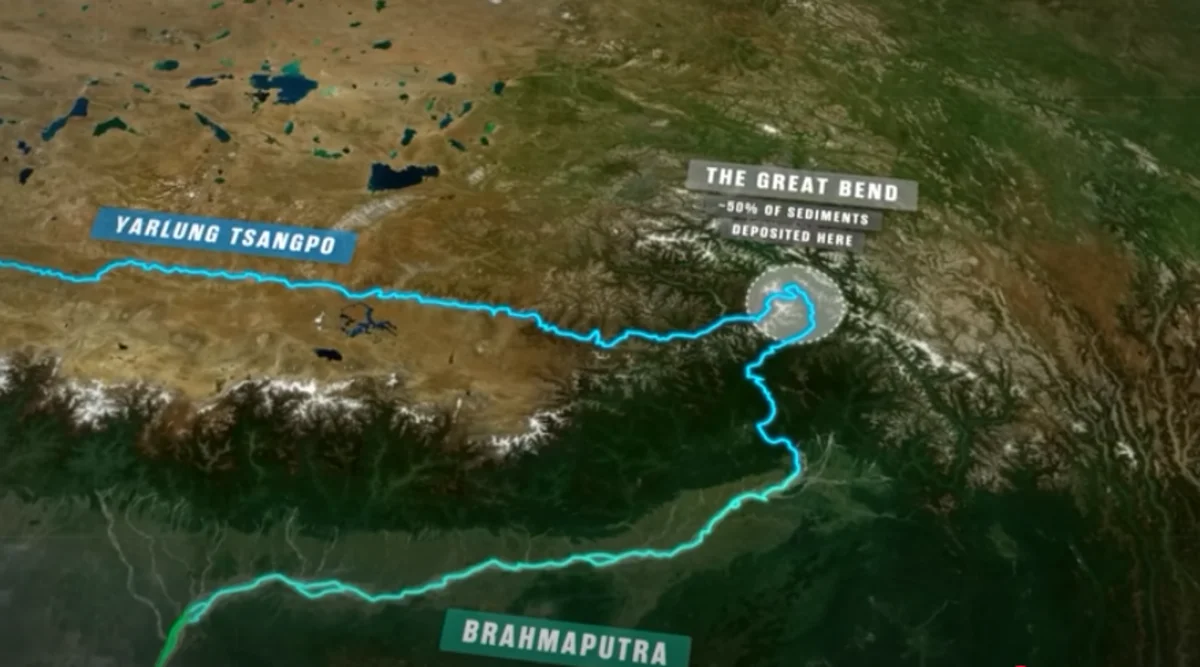
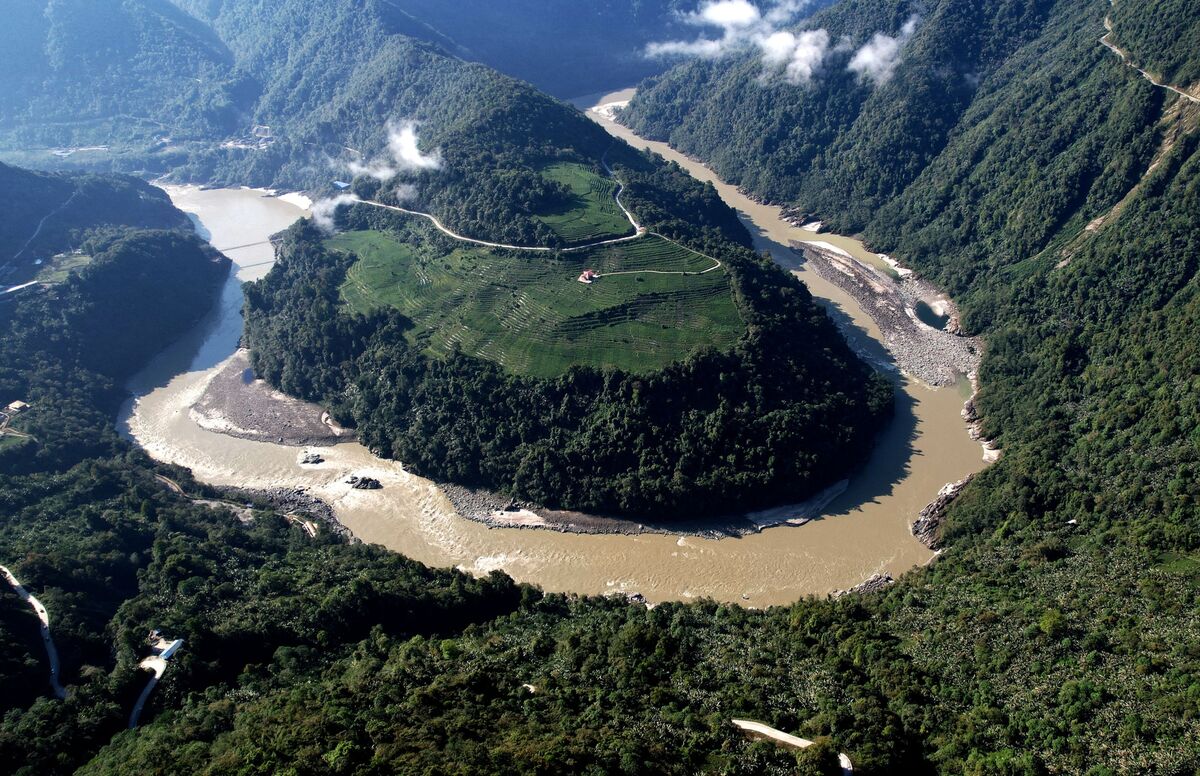
China has begun constructing the world's largest hydroelectric dam on the Yarlung Tsangpo river in Tibet, a project called the 'project of the century' that aims to generate 300 million MWh annually but faces environmental, geopolitical, and social protests due to concerns over water flow, displacement, and ecological impact. Despite environmental criticisms, China emphasizes the dam's role in boosting renewable energy and reducing reliance on fossil fuels, aligning with its goal to become carbon neutral by 2060.
China has begun construction of a massive $167 billion mega-dam in Tibet on the Yarlung Tsangpo river, aiming to boost clean energy and economic growth, despite environmental concerns and potential tensions with India, which has expressed concerns over the project impacting regional stability and biodiversity.
Google announced a $25 billion investment to expand its AI and data center infrastructure, including a $3 billion deal with Brookfield to purchase up to 3,000 MW of hydroelectric power, making it the world's largest corporate hydroelectric deal, aimed at securing low-carbon energy for its growth.
Google is investing over $3 billion in hydroelectric power from Brookfield to supply its data centers, aiming to potentially quadruple the energy supply, supporting its goal of carbon-free power and addressing the high electricity demand of hyperscalers. This deal, part of a broader $70 billion AI and energy investment initiative, is the largest corporate hydroelectric power deal and aims to secure up to 3,000 MW of hydropower across multiple US regions, enhancing renewable energy integration and grid stability.
Google has agreed to pay over $3 billion to purchase carbon-free hydropower from Brookfield Renewable Energy Partners, securing 670 MW from two Pennsylvania plants with plans to source up to 3 GW, as part of its efforts to power its expanding data centers sustainably and meet net-zero targets.
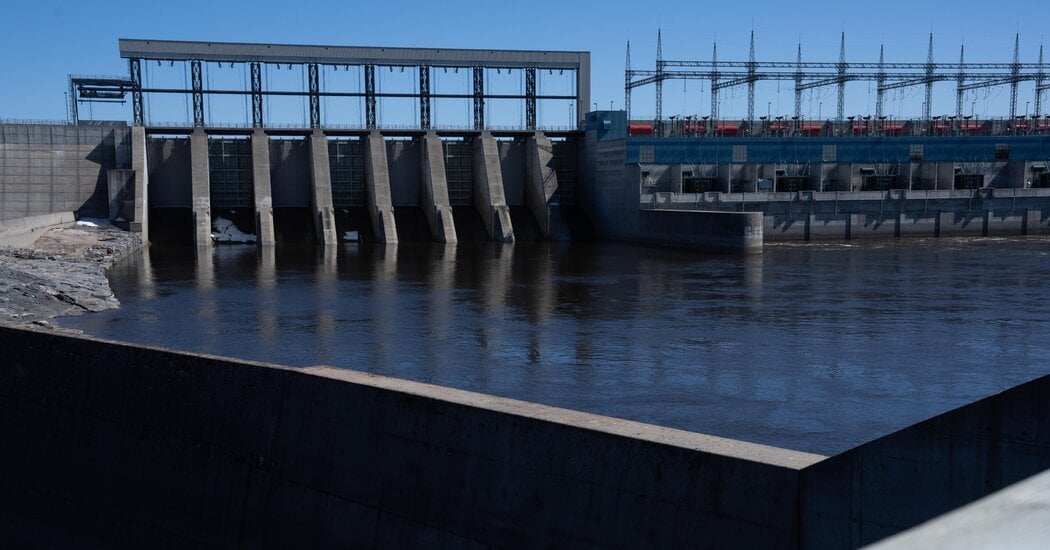
Due to lower-than-normal rain and snow, Canada has reduced hydropower production, leading to increased electricity imports from the U.S. This reversal of the usual energy flow highlights concerns about climate change's impact on energy supply and demand in North America.
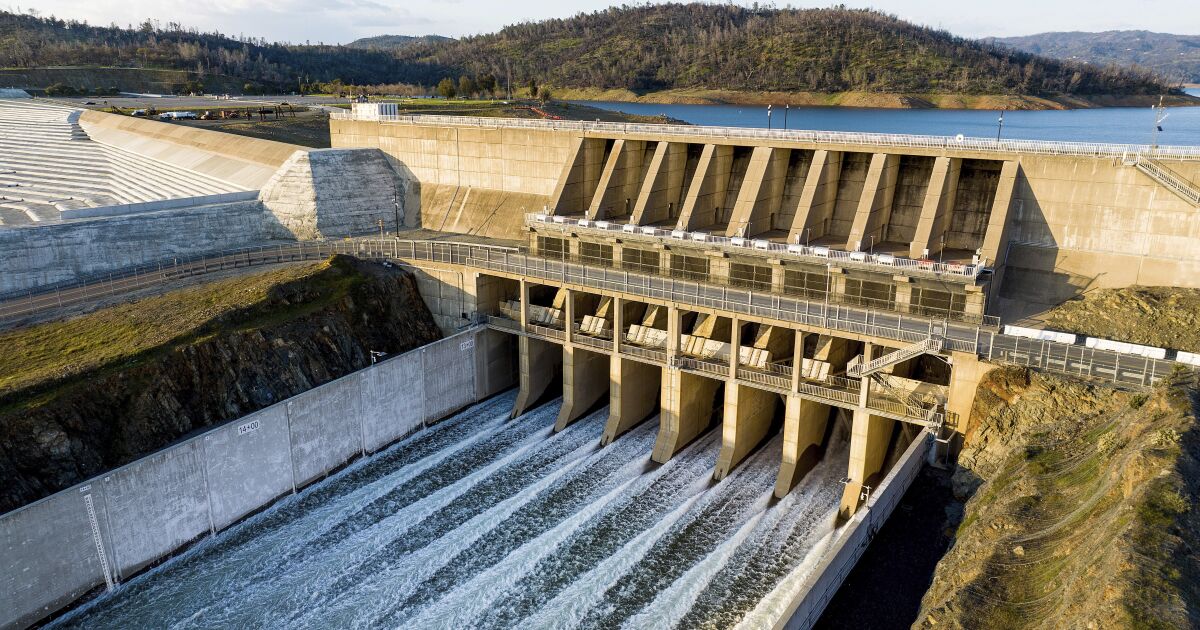
Despite sweltering heat waves, California's power grid remains strong due to the presence of stronger hydropower and increased battery storage, ensuring that the lights stay on in the state.
California is expected to avoid power outages this summer due to abundant water supplies in reservoirs for hydropower electricity generators and record expansion of utility-scale solar power and battery storage. An additional 8,594 megawatts of power from wind, solar, and battery storage are due to come online by Sept. 1. However, meteorologists warn that this year's El Niño weather pattern could cause serious heat waves that could lead to imbalances in electrical supply in late summer. To avoid blackouts, Californians are encouraged to sign up for the Flex Alert program and the Power Saver Rewards program. Governor Gavin Newsom is promoting the state's updated plan to move towards 100% clean electricity generation by 2045 or sooner.
The National Hydropower Association and energy developers are warning that the regulatory process for new and existing hydropower projects is too burdensome, putting a reliable source of electricity for millions at risk. Hydropower supplies nearly 80,000 megawatts of the nation's power, but stakeholders argue it faces regulatory hurdles far greater than those facing other carbon-free sources of electricity. Without permitting reform that streamlines hydropower relicensing and licensing, facilities may be forced to shut down and energy developers may seek to invest elsewhere, jeopardizing the power of tens of millions of Americans.
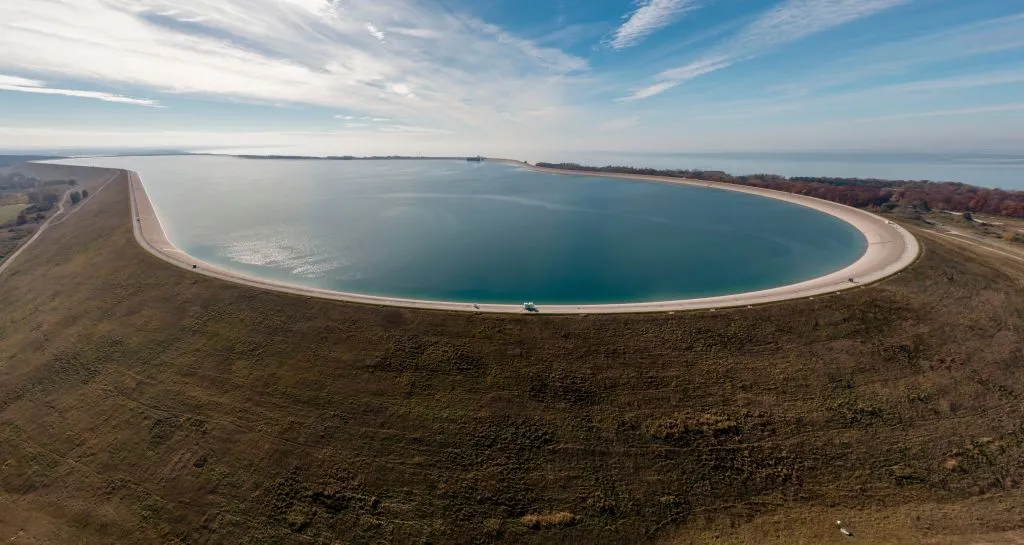
Pumped storage, a hydropower technology that uses two reservoirs to store and generate electricity, is rapidly expanding globally, particularly in China, where it is seen as a flexible backup for wind and solar power. The technology is cheaper than other battery options and can store more energy. Run-of-river facilities, which generate power from seasonal water flows without creating large reservoirs, are also becoming prevalent in mountainous regions. Conventional dams are becoming less popular due to environmental disruption, water disputes, and methane emissions.
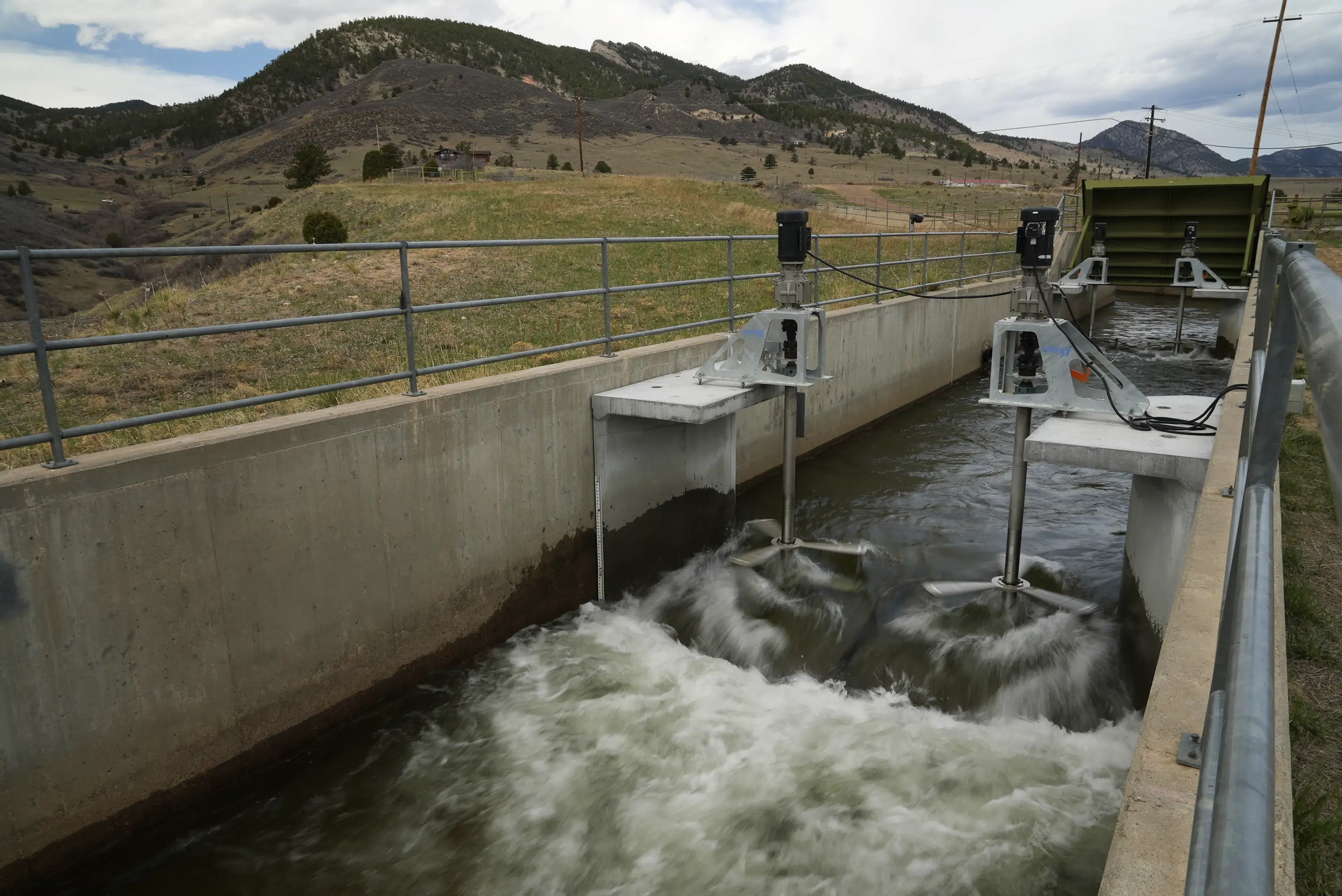
Emrgy, a startup that installs small turbines in irrigation canals to generate electricity, has raised $18.4 million to scale up its technology for carbon-free hydropower. The turbines are placed in existing canals, avoiding disturbance to the natural environment. Each installation generates between 2 and 10 megawatts, enough to power a neighborhood or small campus. The company plans to use the funding to hire more people, develop projects, and open an assembly facility in Colorado. The Inflation Reduction Act is helping by offering incentives for US-based clean energy manufacturing.
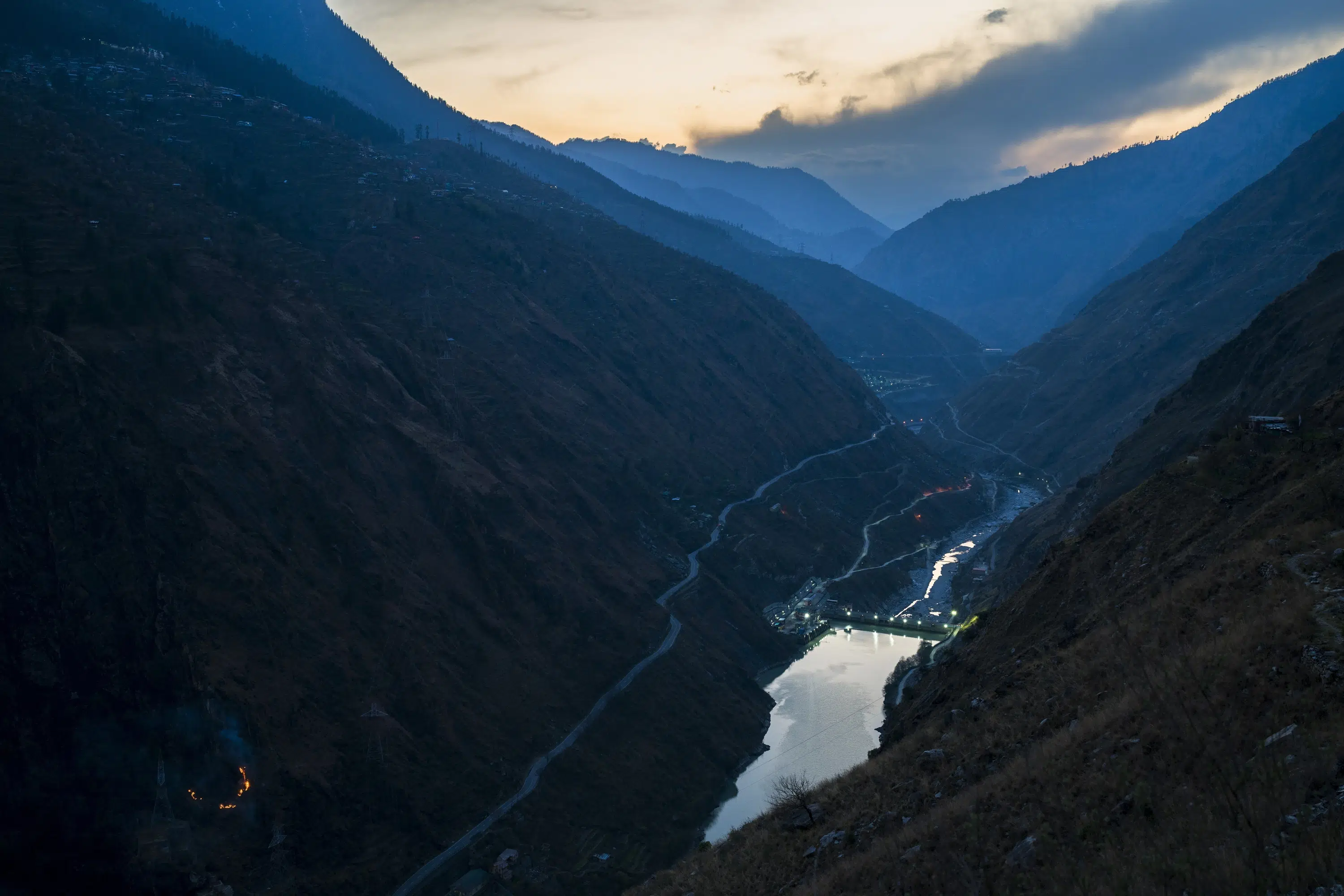
India's push for 24/7 clean energy from dams has upended the lives of Indigenous communities, altered natural water systems, and led to deadly landslides. Farmers have turned into activists fighting against more dams, with thousands protesting last August after a fatal landslide in the district. India aims to increase its electricity output from dams to 70,000 megawatts by 2030, but recent disasters have resulted in "question marks" over the focus on dams as a way of ensuring round-the-clock clean power.