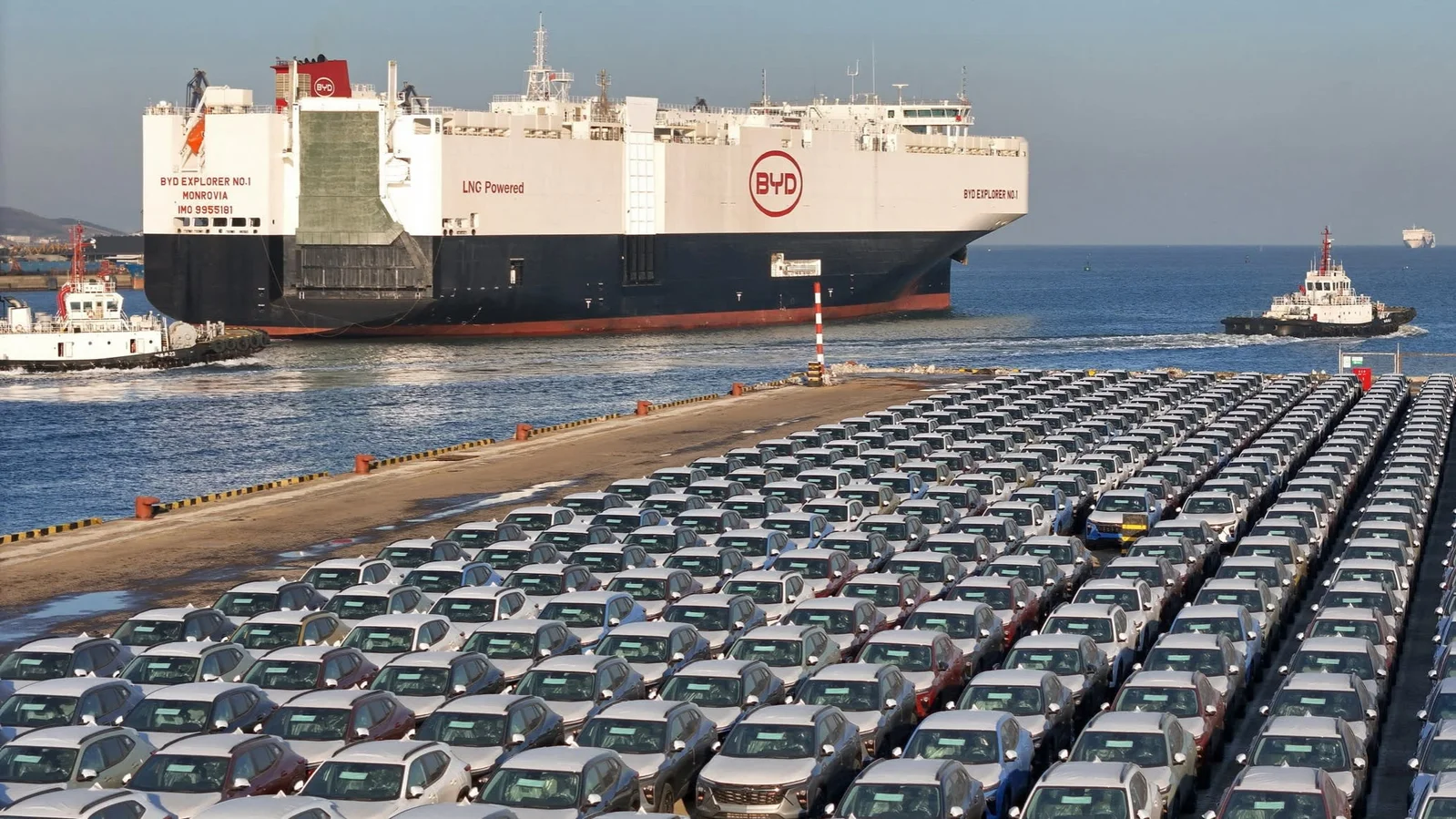
Germany rolls out €3bn EV subsidy program for Chinese automakers
Germany has launched a €3bn electric-vehicle subsidy scheme aimed at Chinese automakers, signaling a major policy move in the global EV sector.

All articles tagged with #chinese automakers
Germany has launched a €3bn electric-vehicle subsidy scheme aimed at Chinese automakers, signaling a major policy move in the global EV sector.
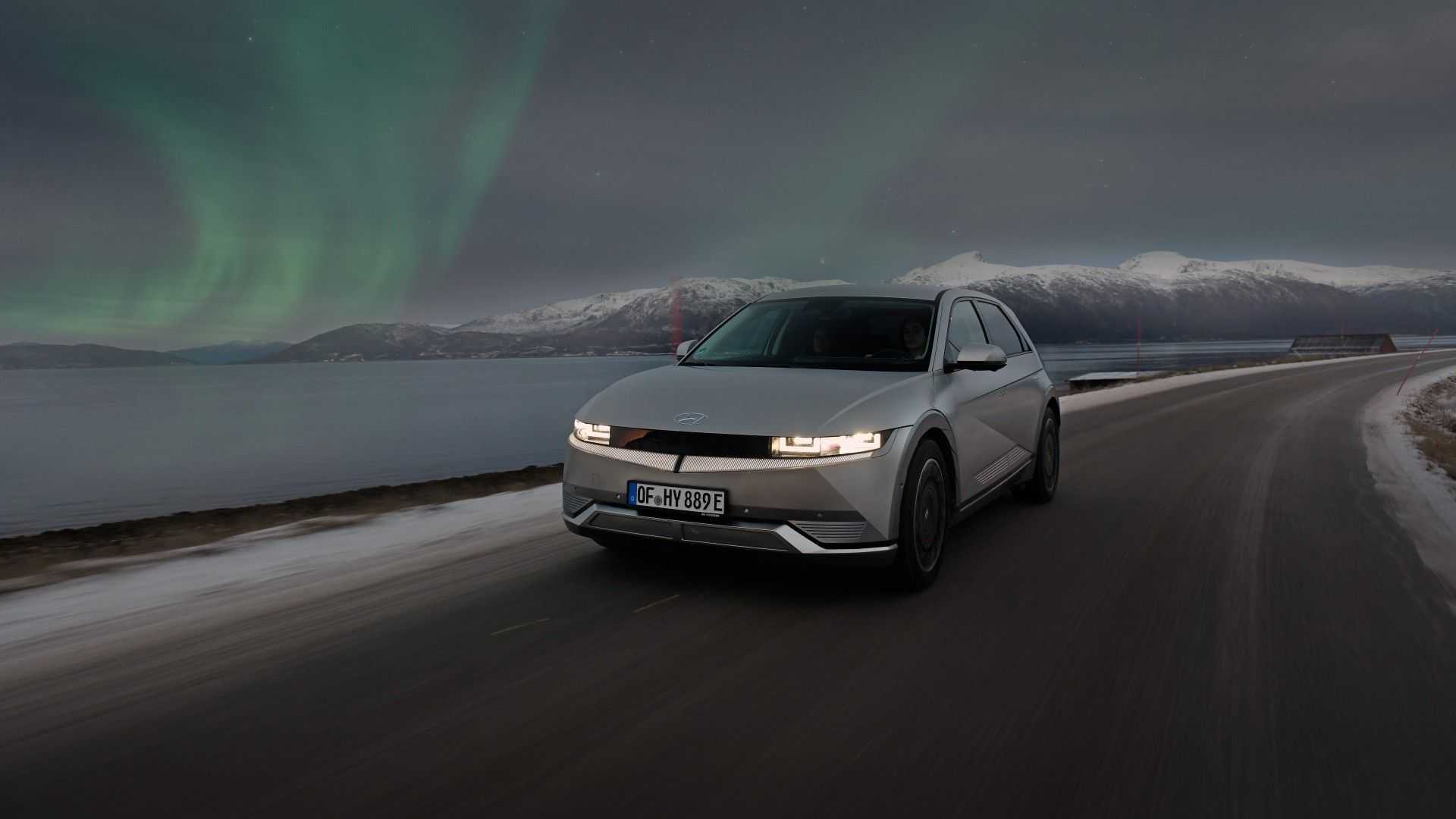
Norway nearly achieved its goal of phasing out new gas cars by 2025, with EVs making up 95.9% of new car sales, driven by high taxes on combustion vehicles and incentives for electric cars, although future policies may shift buying patterns towards smaller, more affordable EVs. Tesla remains the market leader, with Chinese automakers gaining ground.
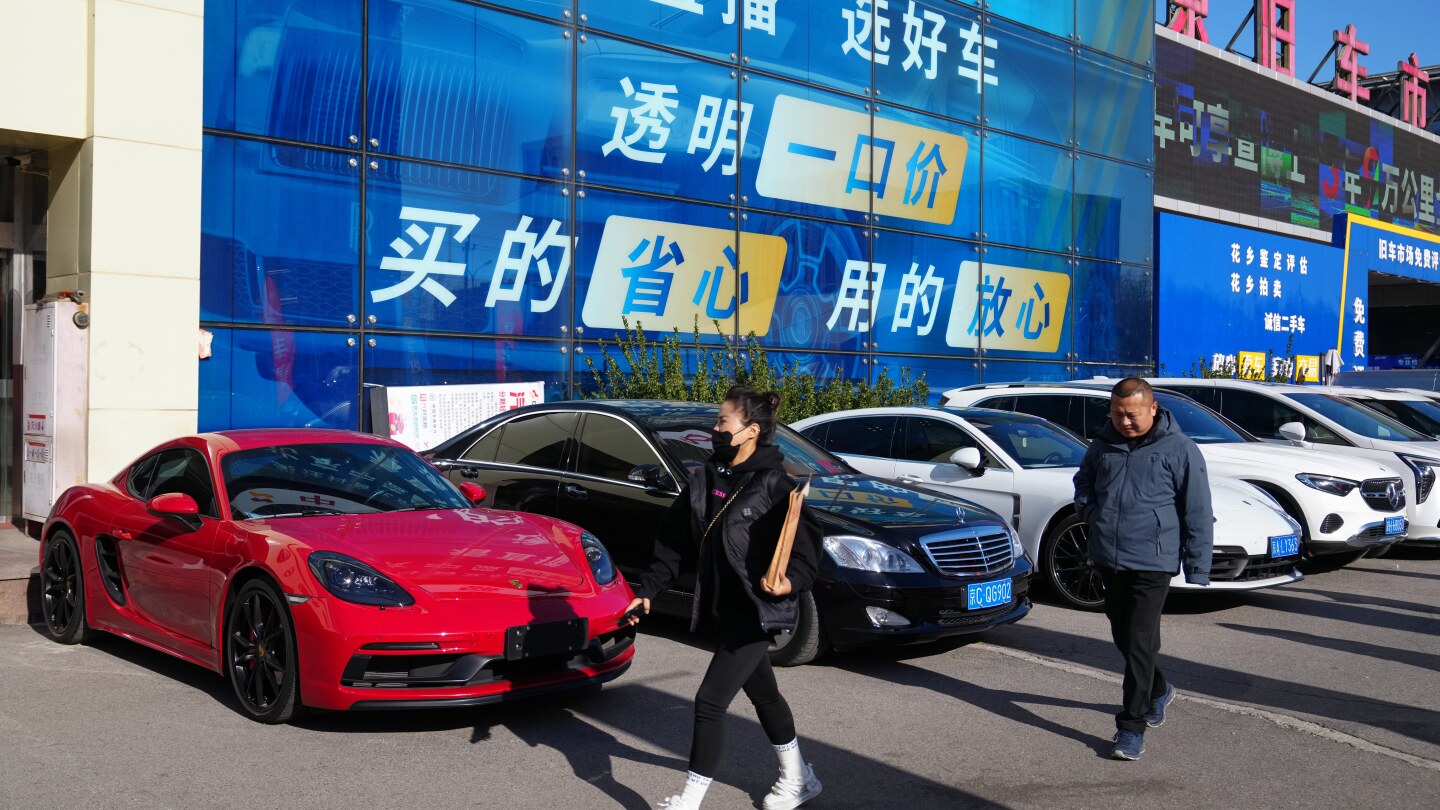
Luxury car sales in China are declining due to economic slowdown and changing consumer preferences, with Chinese brands gaining market share over traditional European luxury automakers like Mercedes-Benz and BMW, which are experiencing reduced demand and falling sales.
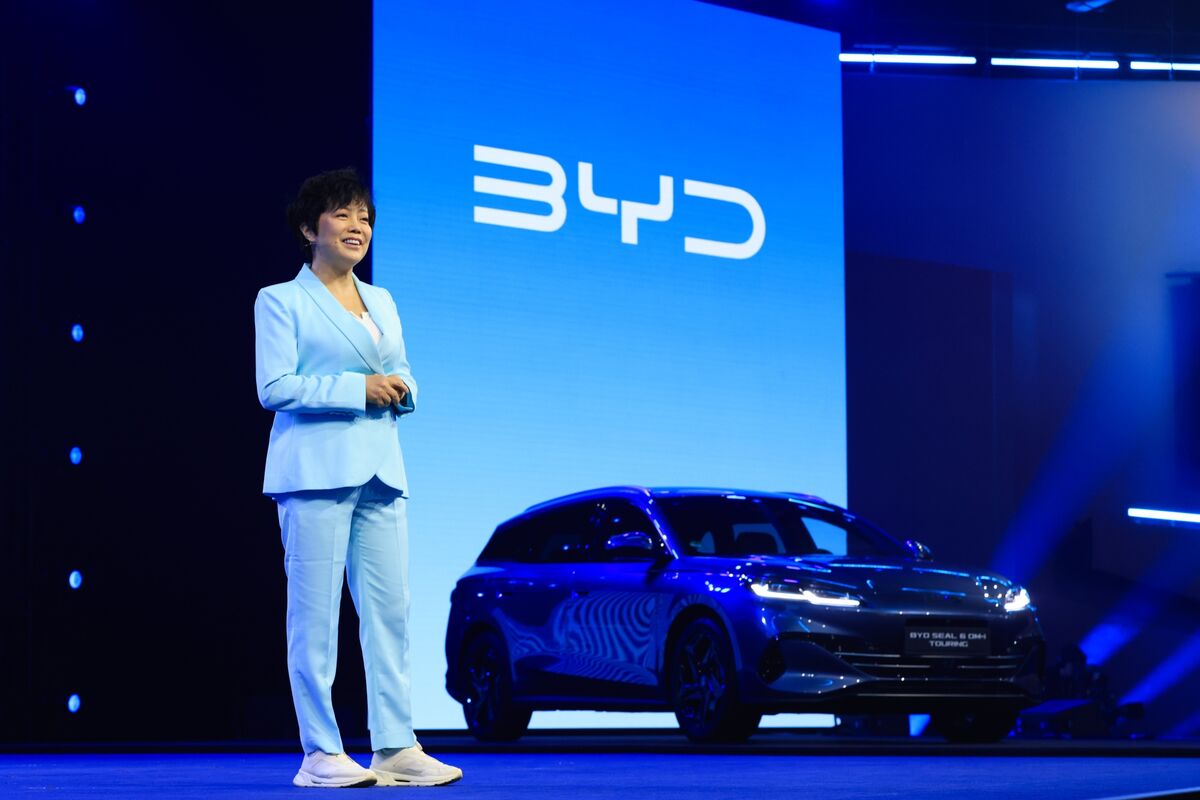
BYD is significantly expanding its presence in Europe, increasing its model lineup to over 13 and planning to have more than 1,000 stores across 32 countries by the end of the year, as Chinese automakers intensify their push into the European EV market amidst a price war and trade tensions. They are also forming local partnerships and establishing production facilities to compete with traditional European automakers like Volkswagen and Stellantis.
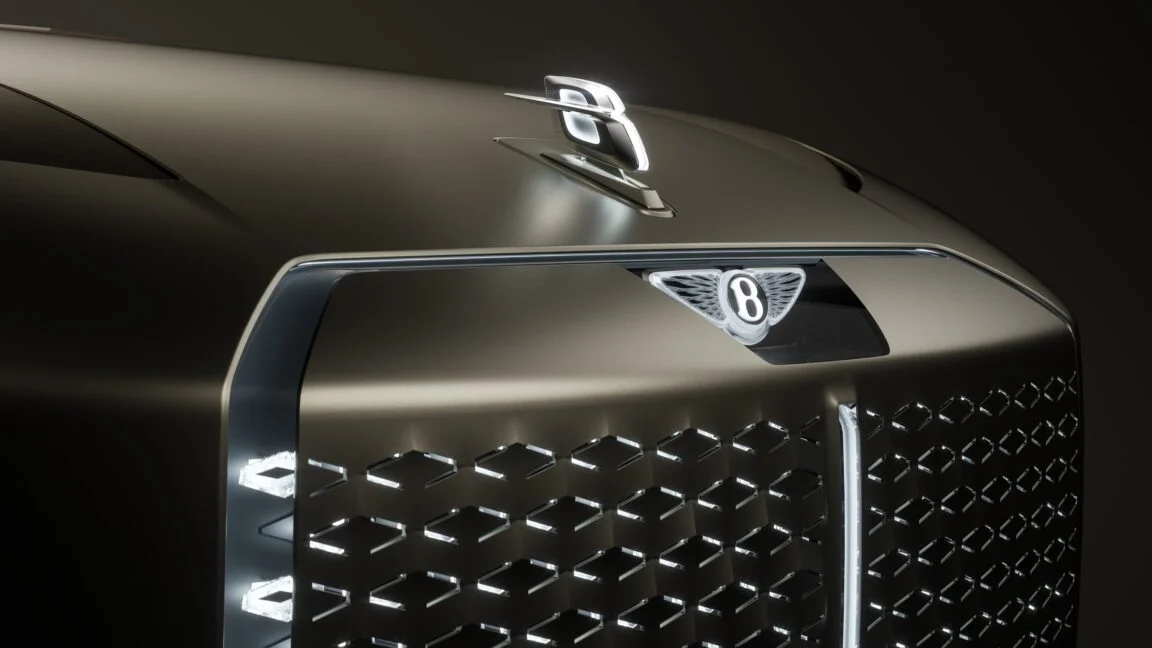
Bentley is adapting to the 21st century by focusing on integrating advanced digital and autonomous features, driven by competition from Chinese manufacturers like Hongqi and BYD, emphasizing a blend of luxury, convenience, and technology in their vehicles.
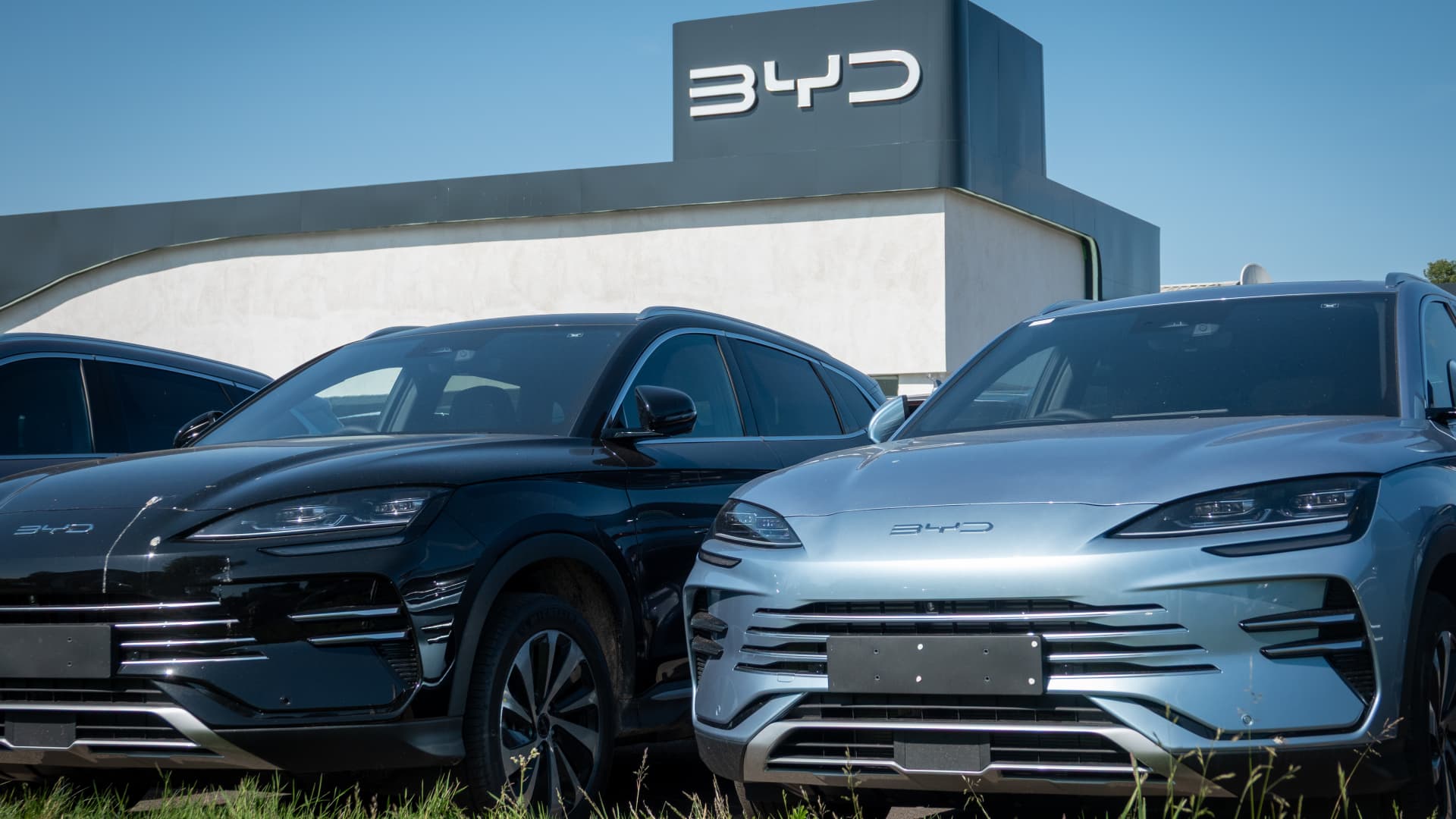
BYD experienced its first monthly decline in EV deliveries this year in July, dropping to 341,030 units amid a fierce price war in China's EV market, which has prompted government warnings. While BYD's sales dipped, other Chinese EV makers like Xpeng, Xiaomi, Leapmotor, and Aito showed growth or record shipments, highlighting a competitive and dynamic industry landscape.
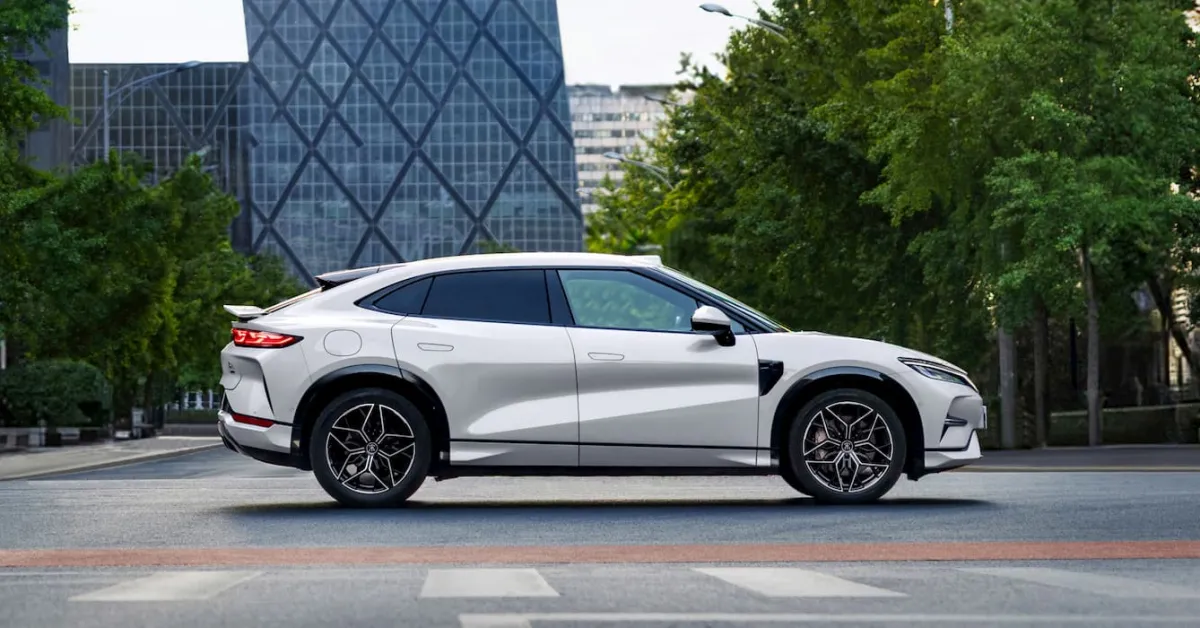
Nepal has rapidly become a leader in EV adoption, with 76% of new passenger vehicles being electric, driven by abundant hydropower, favorable import policies, expanding charging infrastructure, and affordable Chinese EVs, despite political instability and infrastructure challenges.
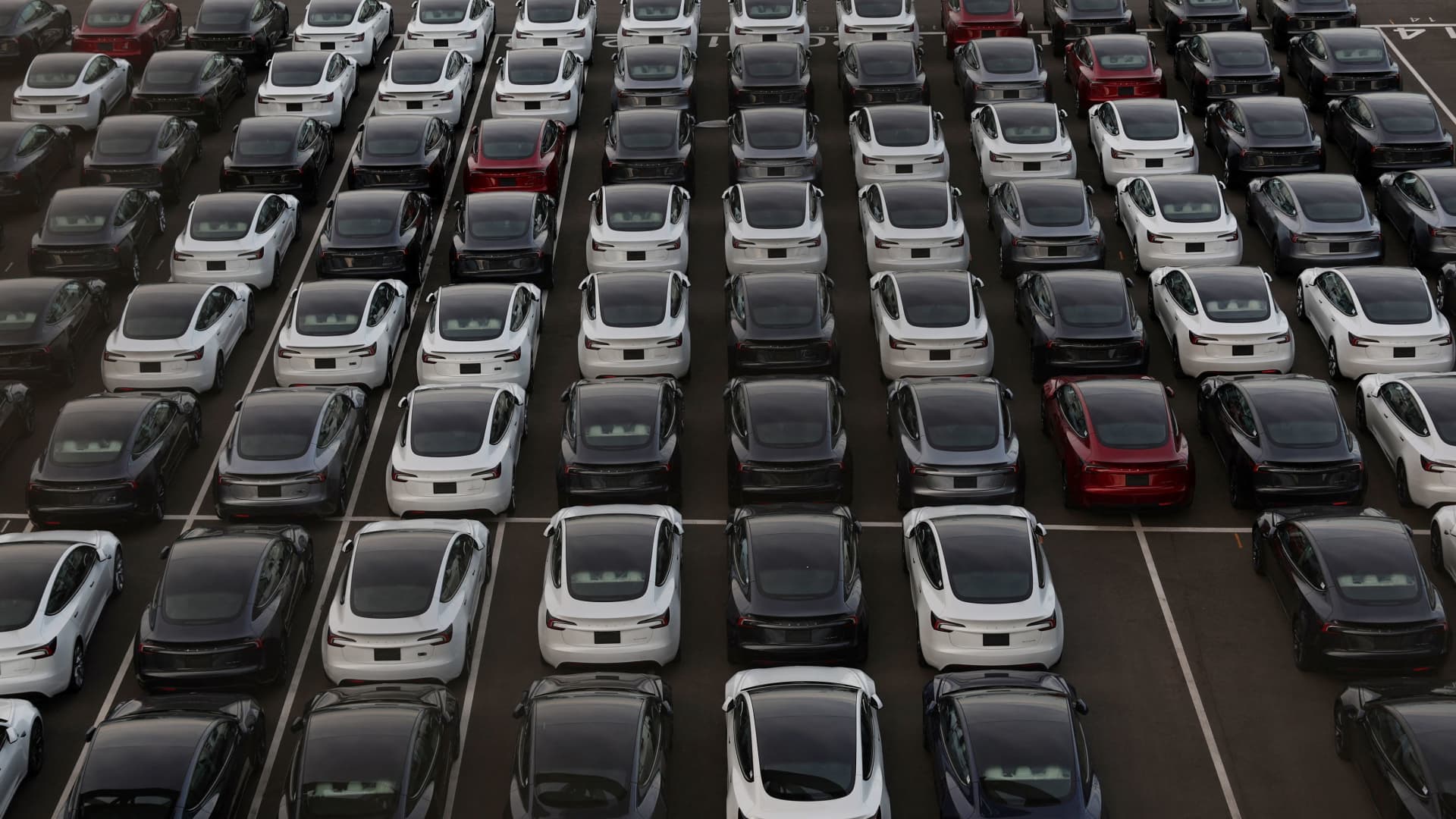
The US-Japan trade deal lowered auto tariffs to 15%, providing some relief for Japanese automakers, but they face significant challenges from China's rising automotive industry and domestic economic issues, which threaten their global market share and profitability.
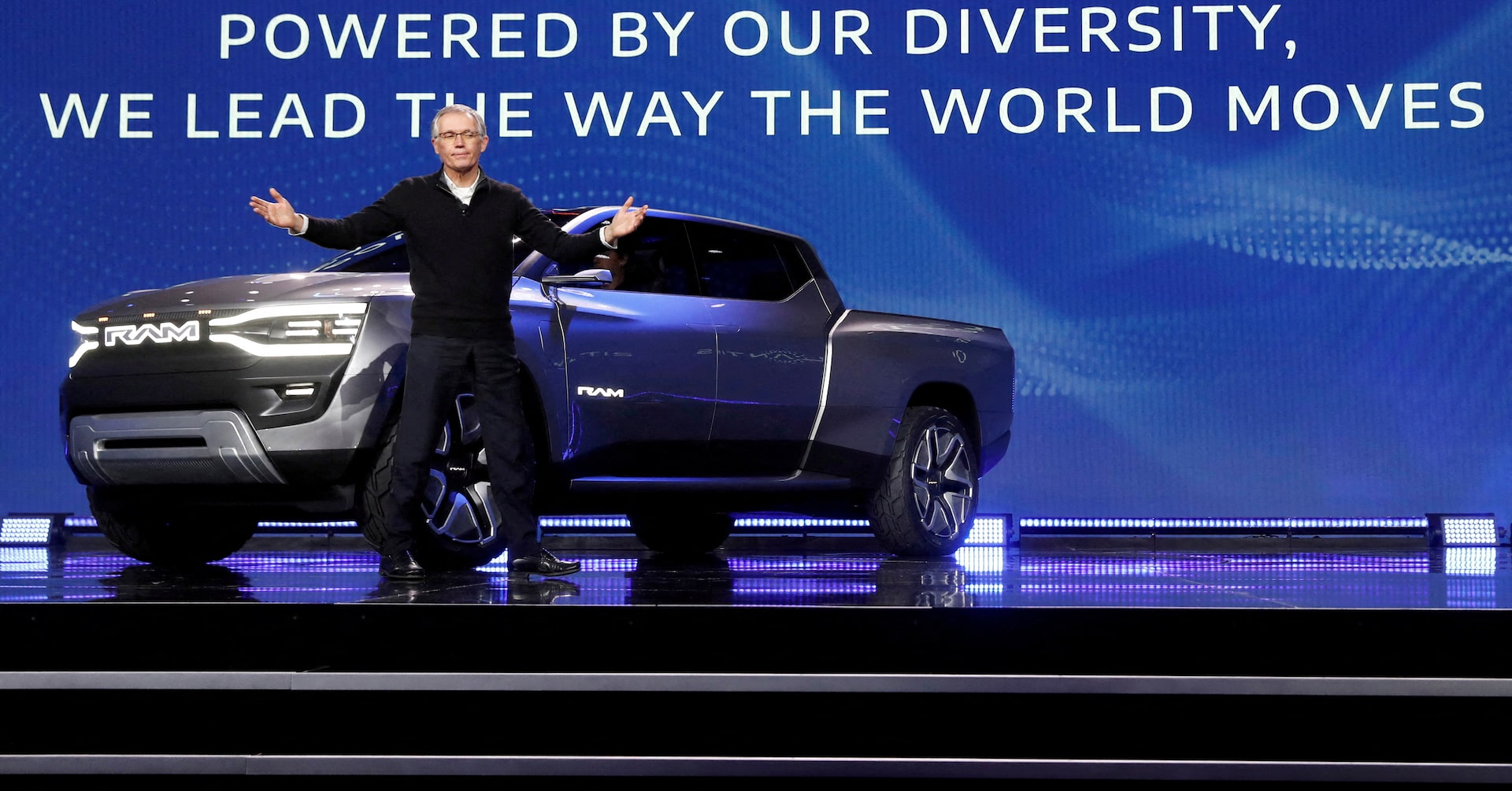
Stellantis CEO Carlos Tavares warns that imposing tariffs on Chinese electric vehicles in Europe and the U.S. could have severe economic consequences, including job losses and increased inflation. He argues that such tariffs would not protect Western automakers from the competitive edge of lower-cost Chinese manufacturers and calls for a strategic response to the growing market share of Chinese OEMs in Europe. The European Commission is set to decide on potential tariffs on June 5, amid rising tensions between Beijing, Brussels, and Washington over EV trade.
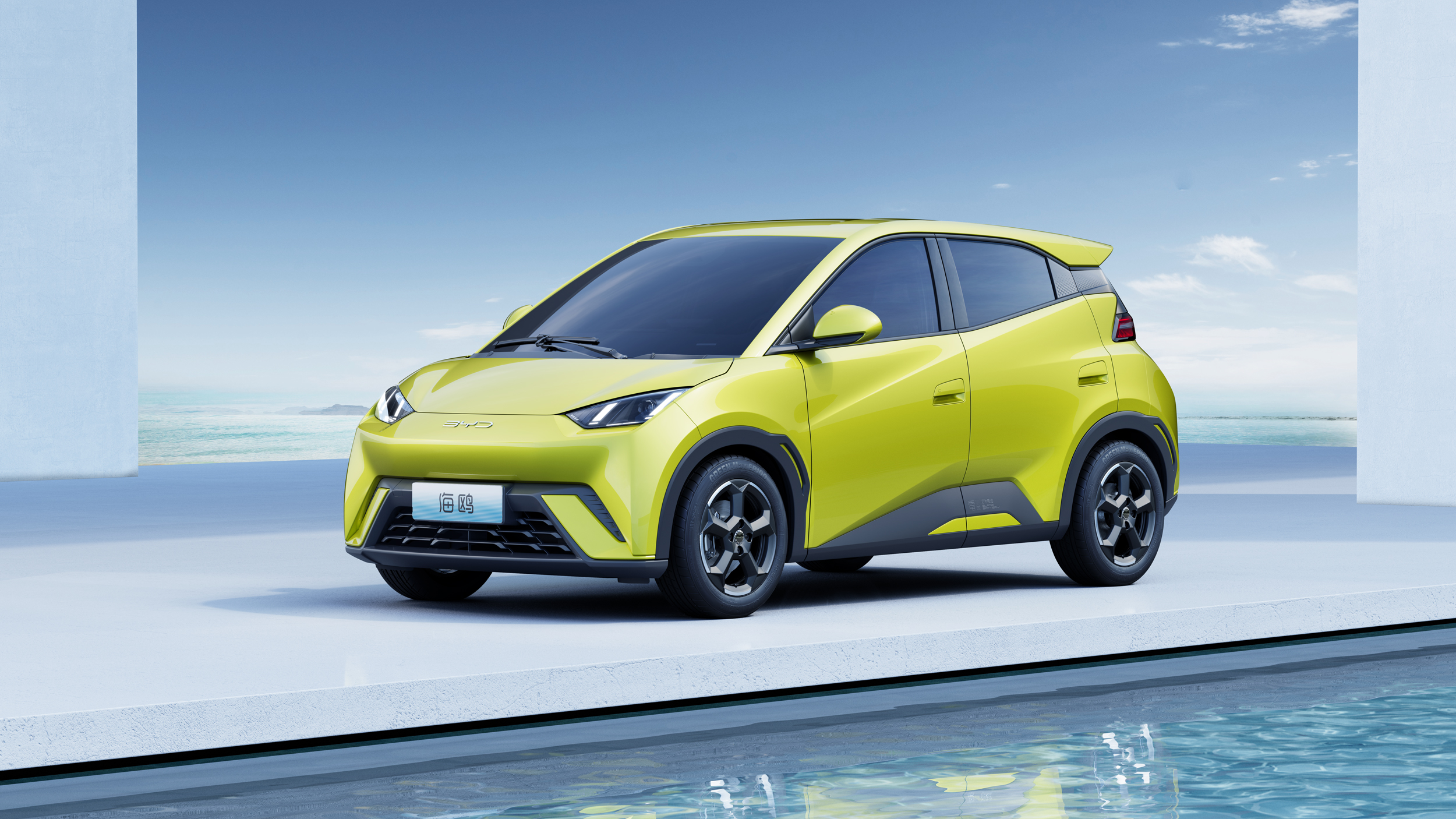
Chinese automaker BYD's release of the $10,000 Seagull EV has raised concerns in the U.S. auto industry, despite the company stating it has no immediate plans to enter the U.S. market. With other affordable mass-market EVs potentially following suit, U.S. automakers, including Tesla, are racing to develop their own next-generation, mass-market EVs. The introduction of low-cost Chinese autos backed by government funding could pose a significant threat to the U.S. auto sector, according to industry experts. Despite the warnings, BYD's EV sales have surged, and Tesla CEO Elon Musk has acknowledged the competitiveness of Chinese car companies.
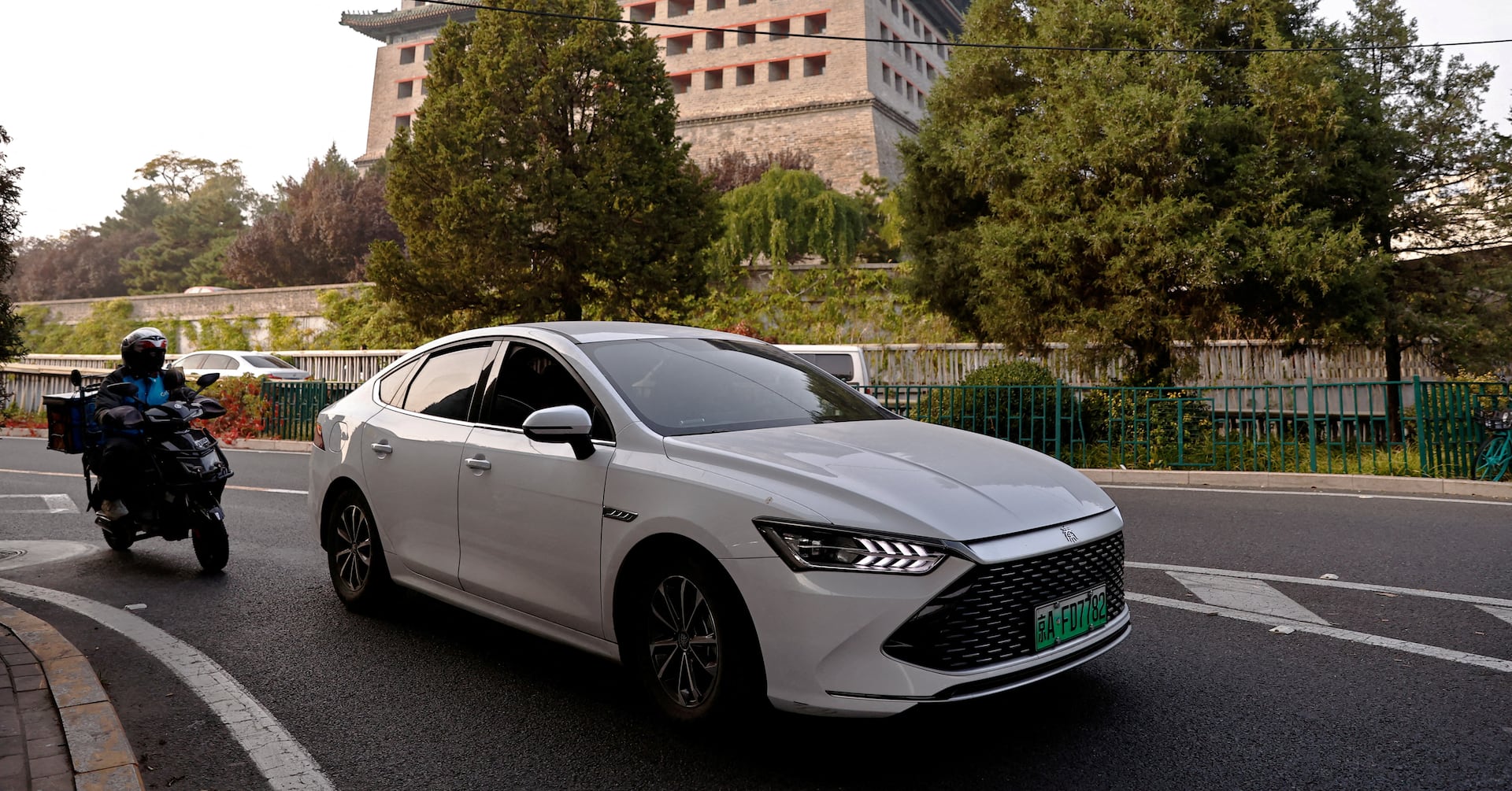
Nvidia is expanding its collaborations with Chinese automakers such as BYD, Xpeng, and GAC Aion's Hyper brand to develop self-driving vehicles and AI-augmented infotainment technology. BYD will use Nvidia's Drive Thor chips for increased levels of autonomous driving and digital functions, while other automakers will also utilize Nvidia technology for various purposes. Additionally, Nvidia announced partnerships with U.S. software company Cerence, Chinese computer maker Lenovo, and Soundhound to adapt AI systems for in-car computing and develop in-vehicle voice command systems.
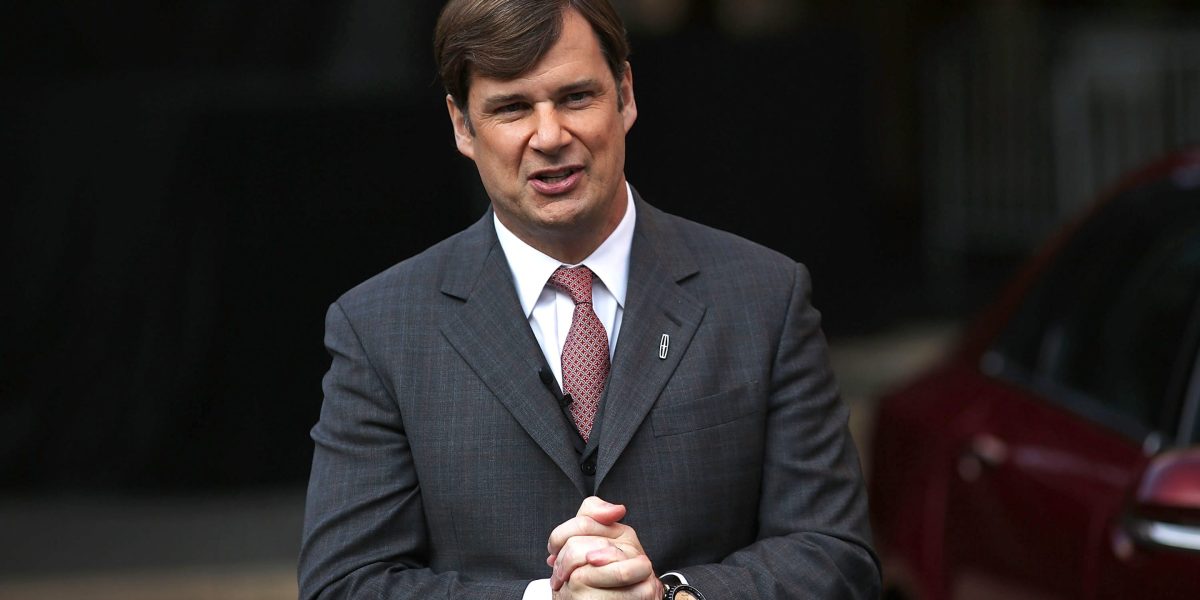
Ford Motor Co. plans to tackle its electric vehicle losses by focusing on developing inexpensive, small electric vehicles to compete with Tesla Inc. and Chinese automakers. The company's current battery-powered models lost $4.7 billion last year, and it projects losses to grow to as much as $5.5 billion this year. Ford is recalibrating its EV strategy to move away from large, expensive EVs and is aiming to generate profits with a new low-cost EV platform. The automaker also plans to scale back EV spending by $12 billion while increasing output of traditional internal combustion engine models to fund future growth.
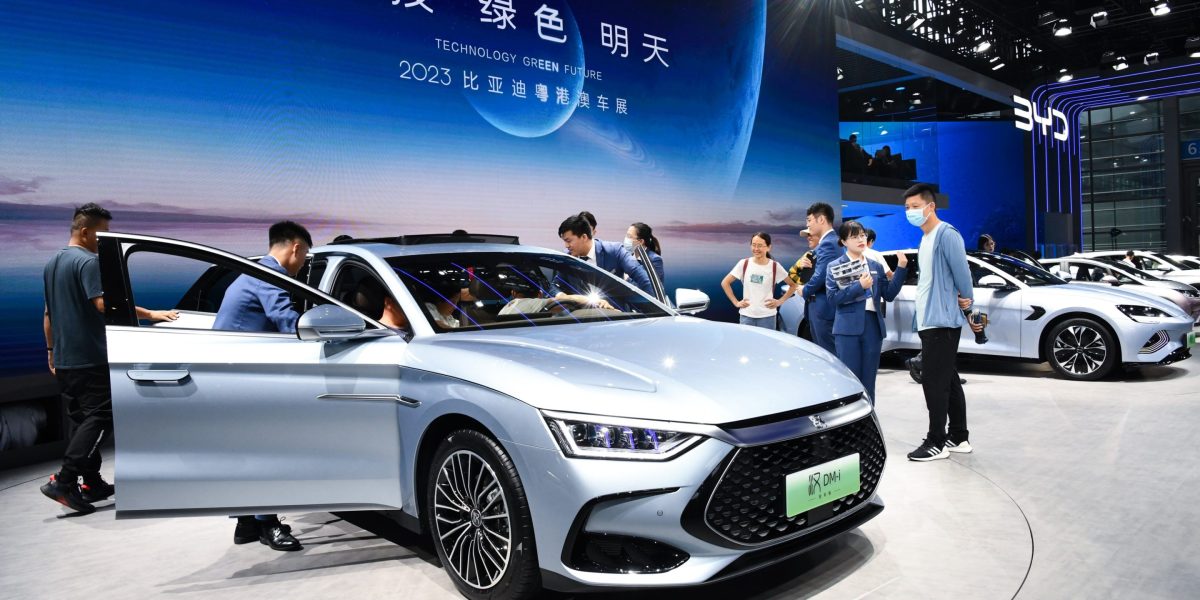
The China Association of Automobile Manufacturers retracted a pledge made by 16 automakers, including Tesla, to refrain from "abnormal pricing practices" in the country's electric-vehicle market. The association stated that the reference to pricing in the pledge was inappropriate and violated antitrust laws. The retraction came after the clause received widespread attention. The association urged companies to follow antitrust laws and rules promoting fair competition and independent pricing. The automakers had joined a signing ceremony in Shanghai, with Tesla being the only foreign brand. The price cuts initiated by Tesla last year led to a price war among major brands as car demand weakened due to Covid restrictions.
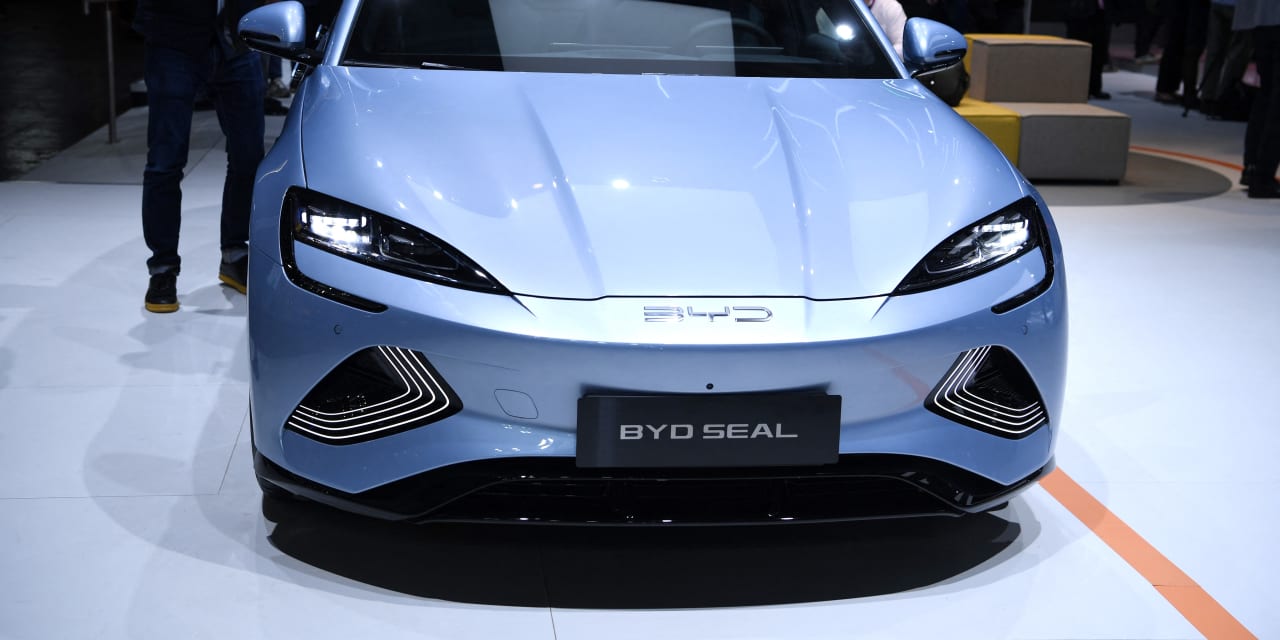
Chinese electric vehicle maker BYD reported a 445% YoY increase in full-year profit to $2.4 billion on sales of $63.1 billion, with almost 1.9 million vehicles delivered in 2022, up 150% from 2021. The results position BYD as a strong competitor to Tesla in the EV market.