Plug Power's stock rose after Clear Street upgraded its rating to Buy despite lowering its price target to $3, citing potential shareholder dilution and upcoming corporate decisions that could impact the stock. The broader market declined, and industry peers showed mixed results amid sector scrutiny.
H.C. Wainwright raised its price target on Plug Power to $7 from $3, citing rising electricity prices that could make green hydrogen more competitive, alongside recent operational milestones and strategic expansions, despite profitability challenges and trading above fair value.
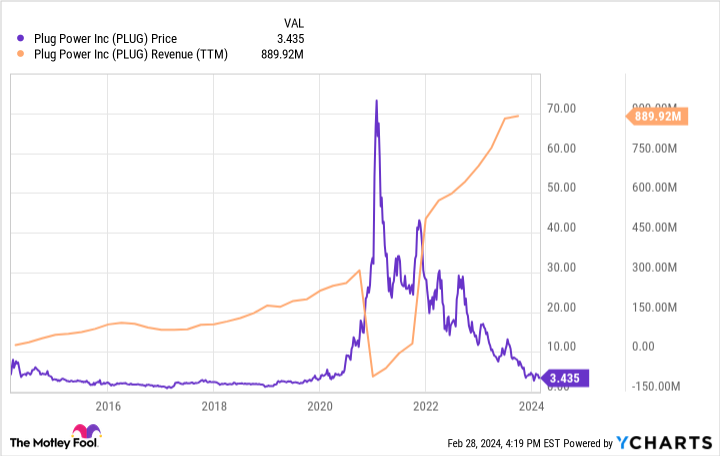
Plug Power's stock has risen nearly 90% this year amid hopes for a short squeeze due to high short interest, but concerns remain over potential share dilution, ongoing losses, and financial distress signals like a reverse split proposal, making it a risky investment despite Wall Street's optimistic target price.
Researchers from Korea have developed a new proton exchange membrane using SPAES that significantly reduces toluene crossover in hydrogen storage systems, potentially enabling more efficient and durable hydrogen fuel cells for eco-friendly vehicles by 2030, contributing to the hydrogen economy and reducing carbon emissions.
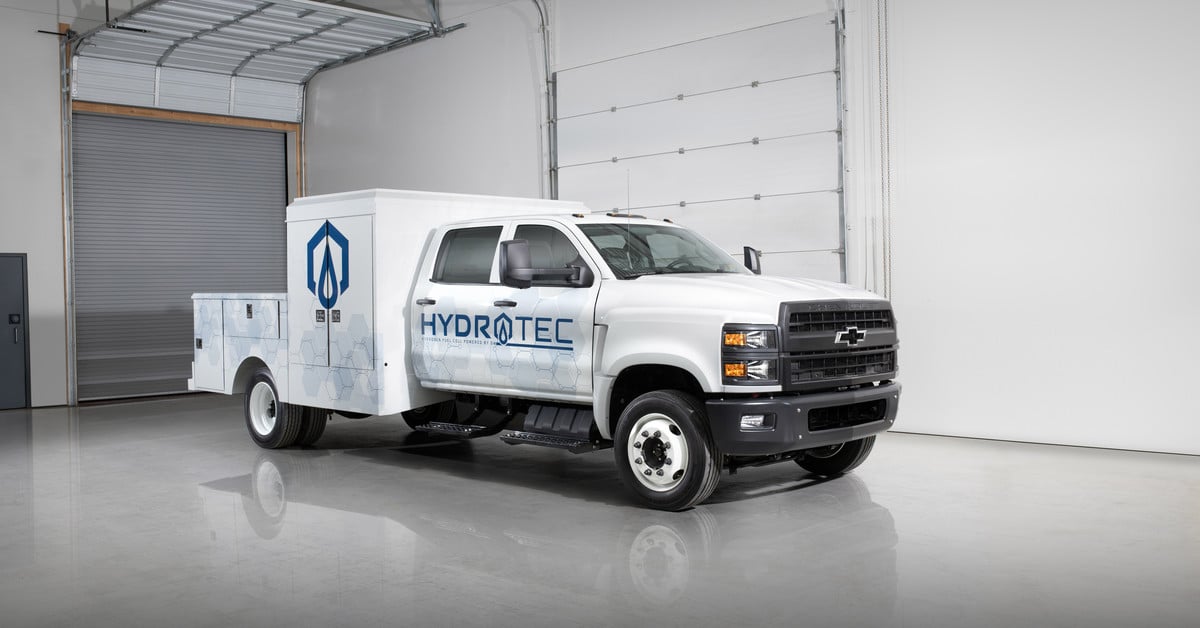
General Motors is developing a fleet of medium-duty trucks powered by hydrogen fuel cells as part of a pilot project sponsored by the US Department of Energy, aiming to demonstrate the viability of hydrogen as an alternative to diesel vehicles. The project, funded in part by DOE's SuperTruck program, will cost $65 million, with GM and its partners providing the majority of the funds. The trucks will share an exterior design with Chevy Silverado 5500 trucks and will be used by Southern Company for shop vehicles. GM is also working on hydrogen-related projects for various applications and is committed to cleaner methods of hydrogen production. However, the main challenge for hydrogen adoption is the lack of refueling infrastructure in the US.
Plug Power stock has experienced significant volatility, with recent surges and collapses. The company aims to revolutionize the energy industry with hydrogen fuel cells, but faces challenges in cost competitiveness and infrastructure. While it has ambitious revenue targets, its financial health is a concern, with a significant need for additional investment. The future of the hydrogen economy remains uncertain, and despite its potential upside, investing in Plug Power stock may be a long-term gamble.
Plug Power stock initially dropped over 10% after disappointing sales and earnings in its 2023 report, but later rebounded to a 1.7% gain. The company's report lacked specific details on Q4 performance and future guidance, but highlighted positive developments such as record annual revenue and resolving a going concern issue. However, concerns remain about its cash position and ability to continue as a going concern, with significant cash burn and high liabilities.
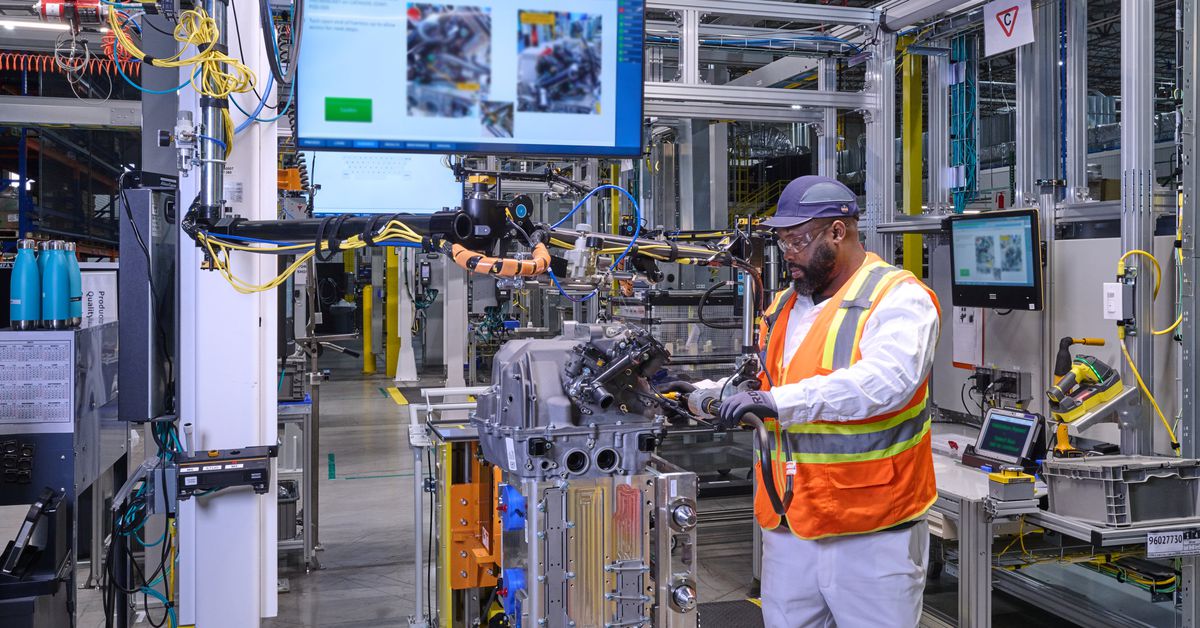
General Motors and Honda's joint venture, FCSM, has started producing hydrogen fuel cells for various applications, focusing on heavy-duty vehicles and mobile power generators. The companies aim to transition away from gas-powered vehicles and have invested $83 million in a manufacturing facility in Michigan. While hydrogen has struggled in the passenger car market due to infrastructure challenges, automakers are now targeting work trucks and construction equipment. The Biden administration has proposed tax guidelines to promote hydrogen production as a cleaner alternative to fossil fuels, but challenges remain in terms of hydrogen production's environmental impact.
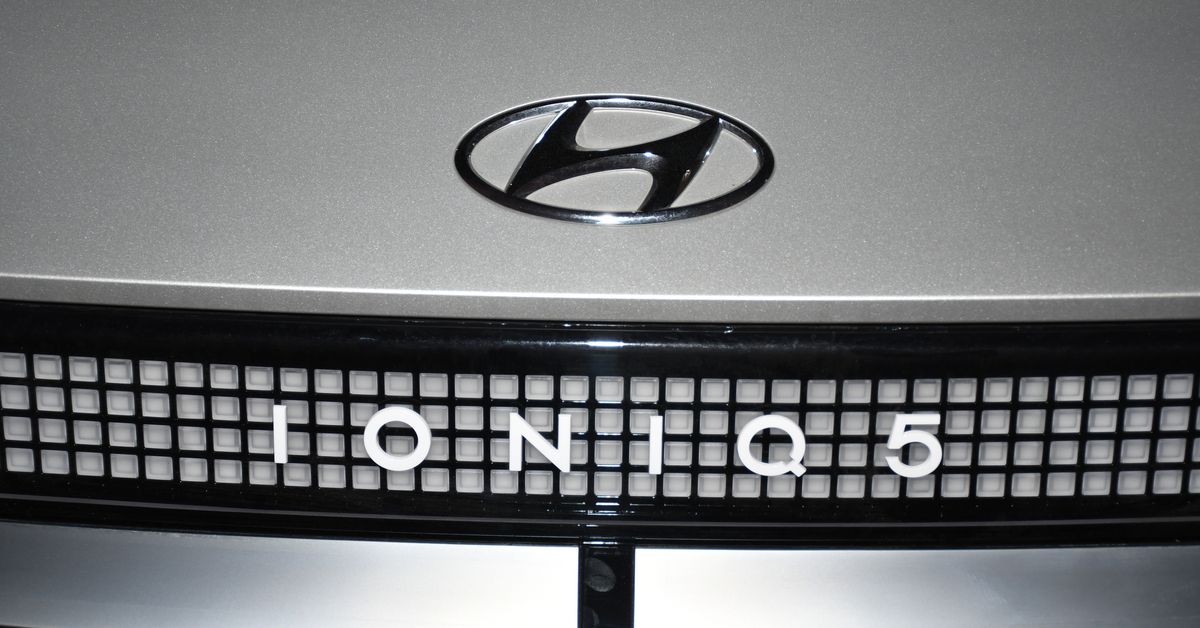
Hyundai plans to rely on hydrogen fuel cells generated from plastic, food, and organic waste to power a new generation of EVs, including passenger cars and heavy-duty trucks, by 2050. The company is developing waste-to-hydrogen methods and aims to commercialize megawatt-scale polymer electrolyte membrane electrolyzer manufacturing capabilities for green hydrogen production. However, the lack of hydrogen infrastructure and recharging stations remains a challenge, with only a few available in North America. Additionally, Hyundai is focusing on software-defined vehicles and AI integration, with a $100 million stake in AI chip manufacturer Tenstorrent to support these developments.
Hyundai announces that hydrogen will play a prominent role in its efforts to go carbon neutral by 2050, with plans to use hydrogen in passenger cars, trucks, buses, trams, and more. The company aims to offtake 3 million tons of hydrogen per year by 2035 and is also focusing on software-defined vehicles, including AI integration and a "Software-Defined Everything" strategy.
Plug Power CEO, Andy Marsh, expressed confidence in the company's future despite investor concerns following a plunge in PLUG stock. Marsh stated that the company is in a strong position and is actively exploring opportunities to raise cash. He emphasized that Plug Power has zero debt and a $5 billion unleveraged balance sheet. The company is considering options such as debt financing to raise $500 million and slowing down plant openings. Marsh acknowledged the challenges faced by the company but highlighted strong demand from major customers. Plug Power shares have fallen over 70% this year due to concerns about higher rates and falling valuations in the clean energy sector.
Plug Power's stock plummeted by 43% after the company reported weaker-than-expected results and issued a "going concern" notice, warning that it may not have enough funds to sustain operations over the next year. The hydrogen fuel cell developer posted a loss of $0.47 per share for Q3, higher than the estimated loss of $0.30 per share. The company's net revenue fell short of expectations, and its net loss totaled $283.5 million. Plug Power's CFO downplayed the concerns, citing a strong balance sheet, but analysts downgraded the stock and lowered their price targets. The renewable energy sector has faced challenges this year, and Plug Power's stock has been under pressure, down over 70% year to date.
Plug Power's stock plummeted by 40% after the company reported weaker-than-expected results and issued a "going concern" notice, expressing doubts about its ability to fund operations over the next year. The hydrogen fuel cell developer posted a loss of $0.47 per share for the third quarter, with net revenue falling short of expectations. Despite the CFO downplaying the warning, analysts have downgraded the stock and lowered their price targets, citing challenging operating and capital markets environments. Plug Power's stock has been under pressure, and renewable energy stocks have struggled this year.
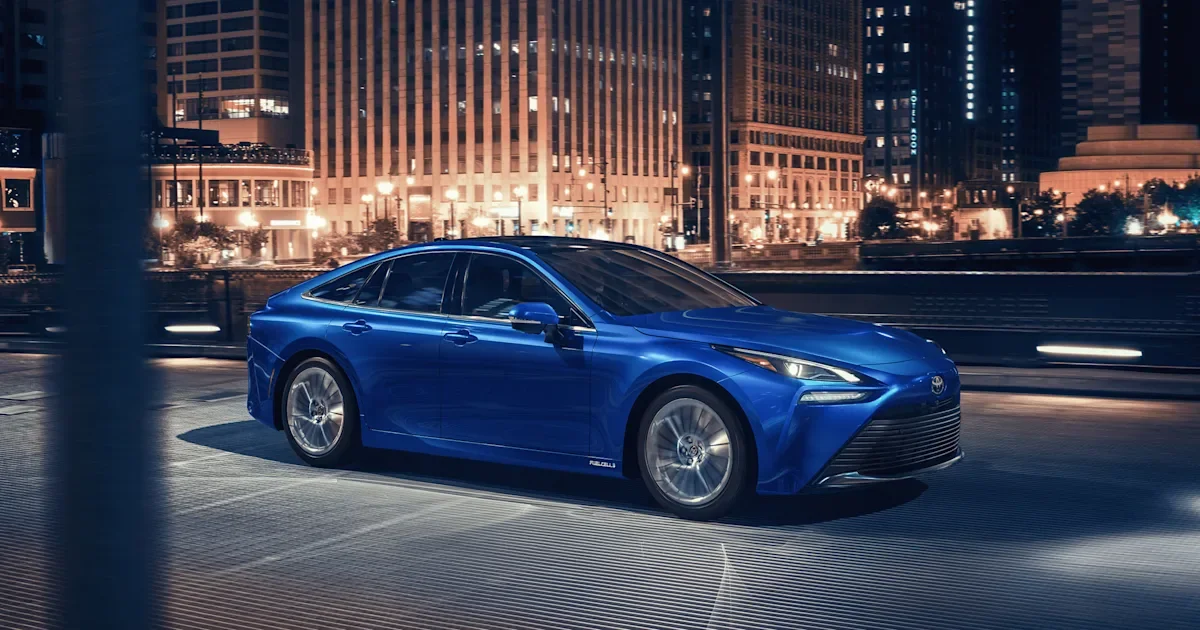
Toyota plans to launch a full EV lineup by 2026, with a goal of achieving a range of over 600 miles through the integration of next-generation batteries and sonic technology. The company has already released the bZ4X all-electric SUV and plans to release a "next-generation" EV for Lexus. Toyota has also invested heavily in battery EV technology and hydrogen fuel cells, with the opening of a BEV Factory and Hydrogen Factory. The company aims to streamline decisions and offer more advanced, cheaper fuel cells through alliances and its own innovation.
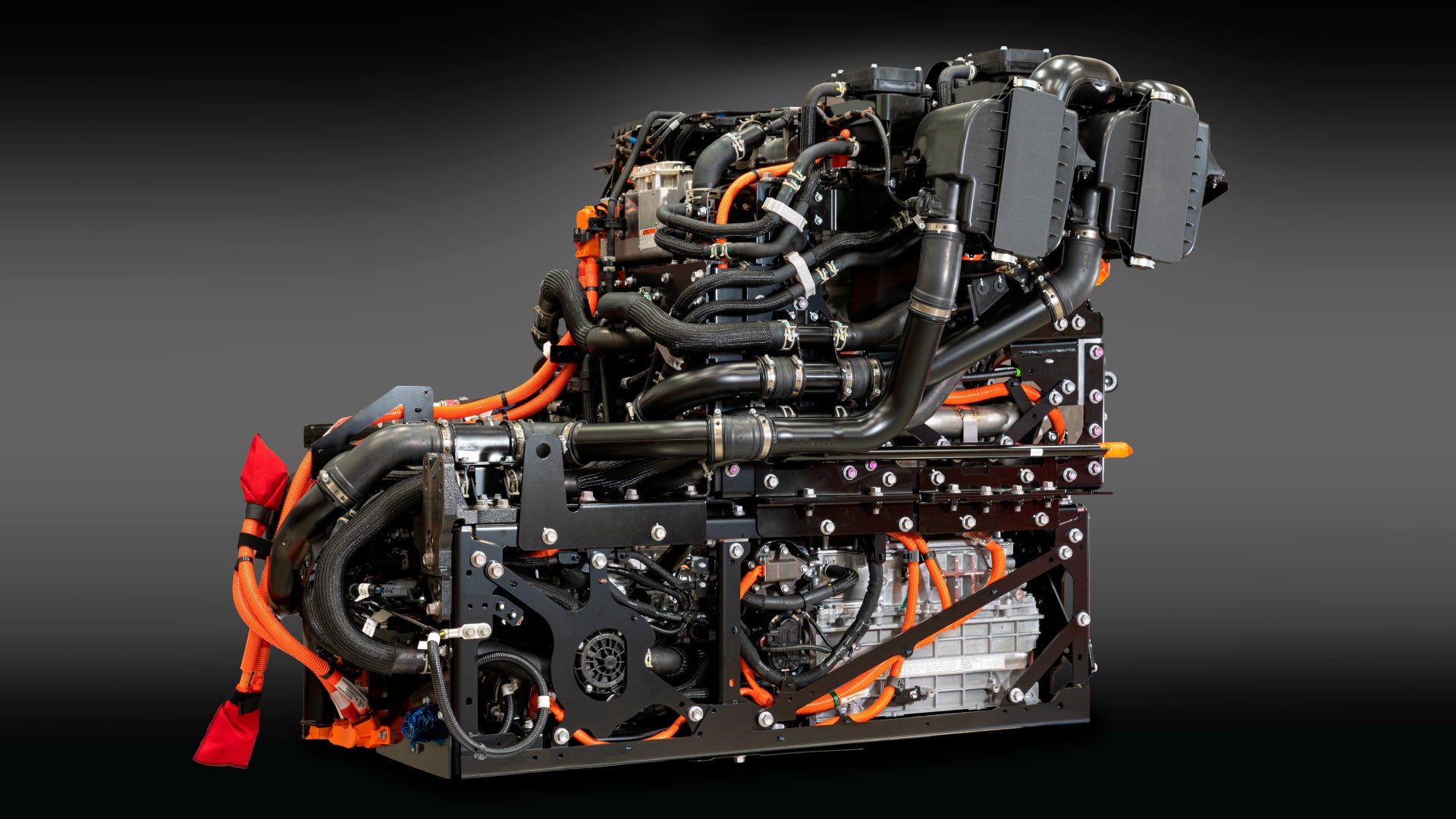
Toyota's fuel cell drivetrain for heavy vehicles has been approved by the California Air Resources Board (CARB) as an official Zero Emission Powertrain. The kit includes everything necessary to run a fuel-cell vehicle and is expected to be offered commercially as a viable alternative to diesel powertrains for heavy vehicles. The lack of infrastructure for hydrogen refueling is easily overcome for truck fleets operated out of freight depots, and quick refueling is a huge boon for commercial operators. Manufacturers using the powertrain may also be eligible for government incentives.