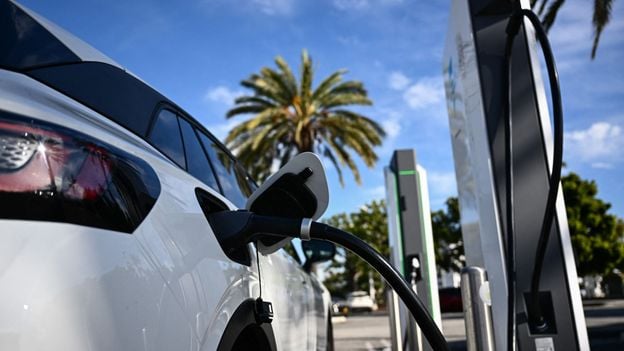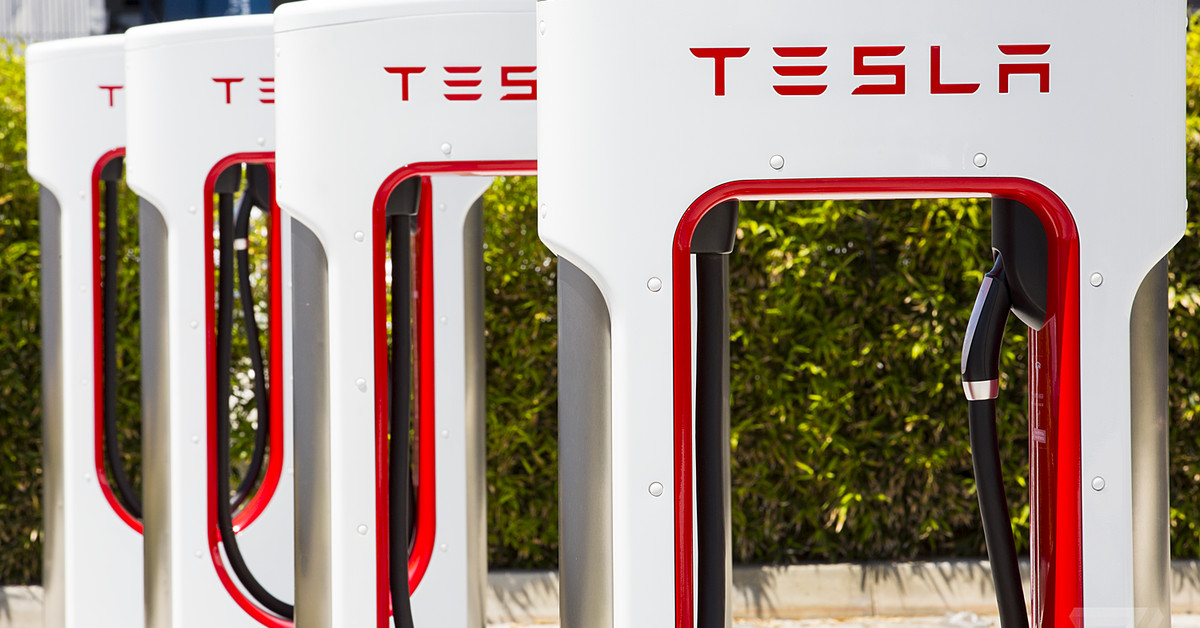
The availability of EV chargers is a critical factor in the adoption of electric vehicles, with concerns about public charging stations being the top reason for car shoppers sticking with gasoline. While the charger situation is gradually improving, the U.S. still lacks two-thirds of the fast chargers needed for the growing number of EVs on the road. Efforts to address this include a new charger network launched by seven automakers, government investment in charger infrastructure, and Tesla's network opening up to non-Tesla drivers. However, challenges such as charger reliability and accessibility in rural and low-income areas remain, indicating that more work is needed to fully support the transition to electric vehicles.
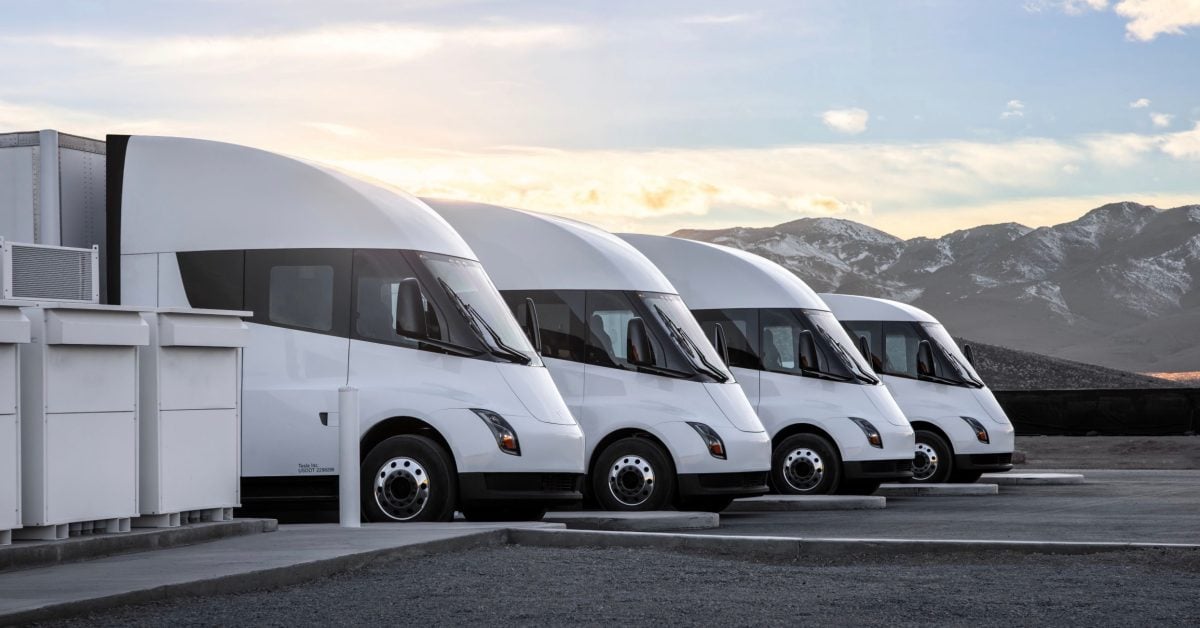
A Tesla engineer provided a rare update on the Tesla Semi electric truck program, revealing that the trucks have transported over 20,000 battery packs from Gigafactory Nevada to the Fremont factory at a lower operating cost than diesel trucks. The update comes as the EPA released new heavy duty truck rules, which are expected to accelerate the transition to electric trucks. However, Tesla's electric truck production is not likely to ramp up until the Gigafactory Nevada expansion is completed.
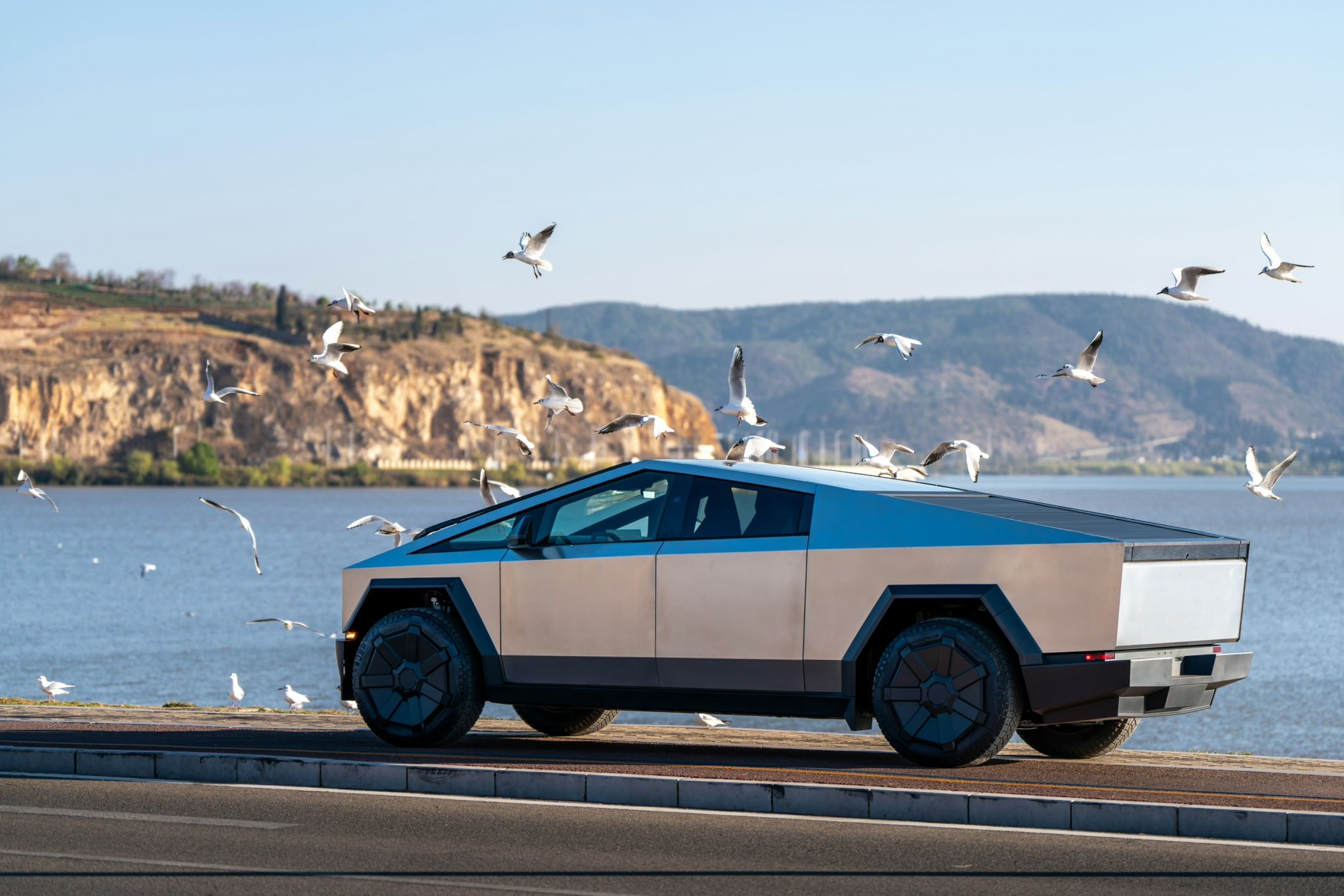
A Tesla owner conducted a quick heat test comparing the temperature of a Cybertruck's stainless steel panels with painted Teslas parked nearby, finding that the Cybertruck registered a temperature of 106.1 F, similar to a white-painted Tesla, and cooler than the black and midnight silver metallic Teslas. The results suggest that the Cybertruck's steel body may not get dangerously hot under the sun, boding well for the all-electric pickup truck's exposure to outdoor elements.
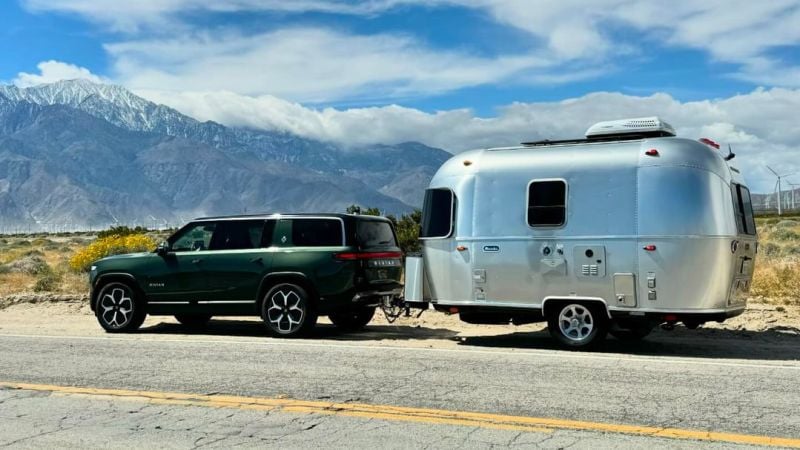
Electric vehicles are becoming more popular among campers, with about 4% of regular campers owning an electric vehicle compared to the national average of 1%. While electric trucks and SUVs offer advantages in towing camper trailers, concerns about range and charging infrastructure persist. Campground operators are working to address the need for more EV chargers, and trailer companies are focusing on aerodynamics and battery capabilities to accommodate electric tow vehicles. Despite challenges, the shift to electric vehicles is expected to reduce noise pollution and improve the camping experience.
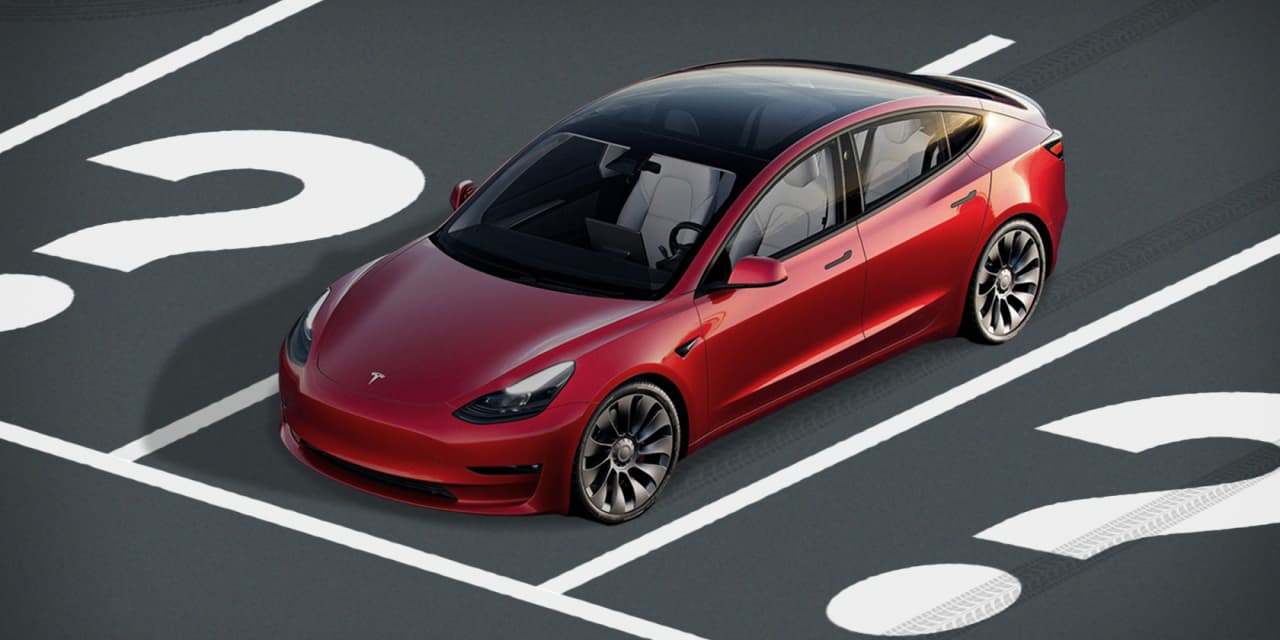
Leaked photos and a video on social media reveal new features of the rumored 'Ludicrous' version of Tesla's Model 3, which may include similarities to the Cybertruck. The car is expected to have three drive modes, active suspension, automatic shift between forward and reverse, sportier seats, and a redesigned exterior. Despite previous rumors, there's no 'Ludicrous' mode, raising questions about the car's official name. If reports are accurate, the new 'Ludicrous' Tesla Model 3 will be a significant upgrade over previous Performance variants and could be a popular choice if priced reasonably.
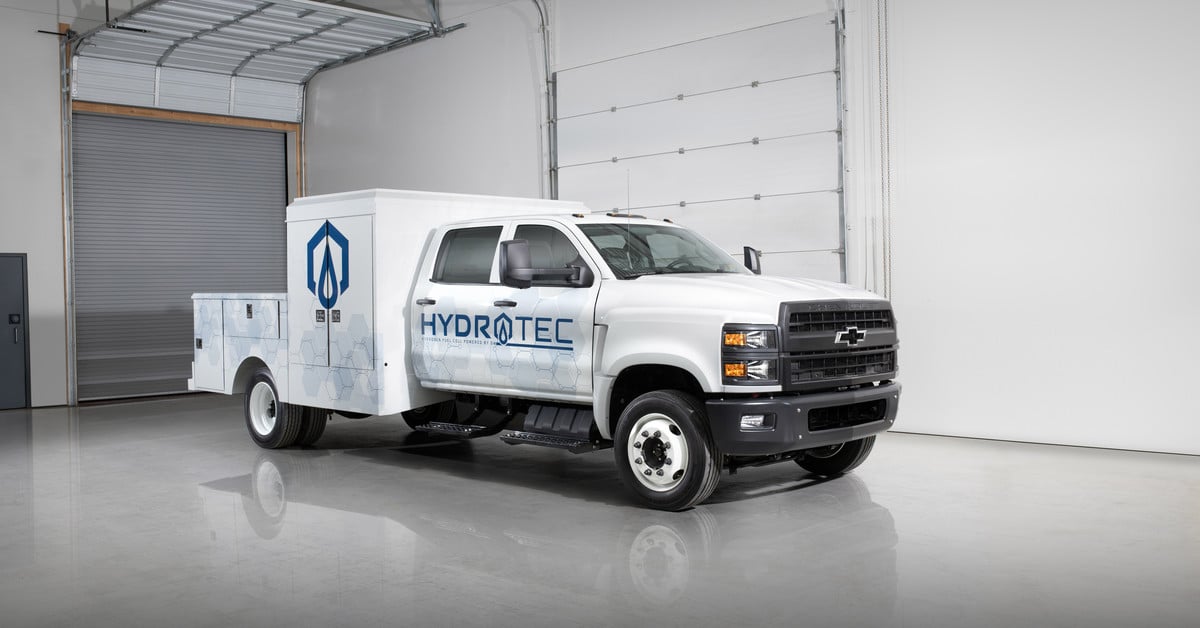
General Motors is developing a fleet of medium-duty trucks powered by hydrogen fuel cells as part of a pilot project sponsored by the US Department of Energy, aiming to demonstrate the viability of hydrogen as an alternative to diesel vehicles. The project, funded in part by DOE's SuperTruck program, will cost $65 million, with GM and its partners providing the majority of the funds. The trucks will share an exterior design with Chevy Silverado 5500 trucks and will be used by Southern Company for shop vehicles. GM is also working on hydrogen-related projects for various applications and is committed to cleaner methods of hydrogen production. However, the main challenge for hydrogen adoption is the lack of refueling infrastructure in the US.
The US electric vehicle (EV) market presents conflicting views, with rising sales but also significant hurdles such as slow adoption, high prices, and inadequate charging infrastructure. While EV sales in the US grew 40% year-over-year, automakers have cut sales forecasts and limited production. Pessimists highlight these challenges, while optimists believe in steady growth and long-term viability, emphasizing the slow-moving nature of the automotive industry and the significant investments already made in EVs.
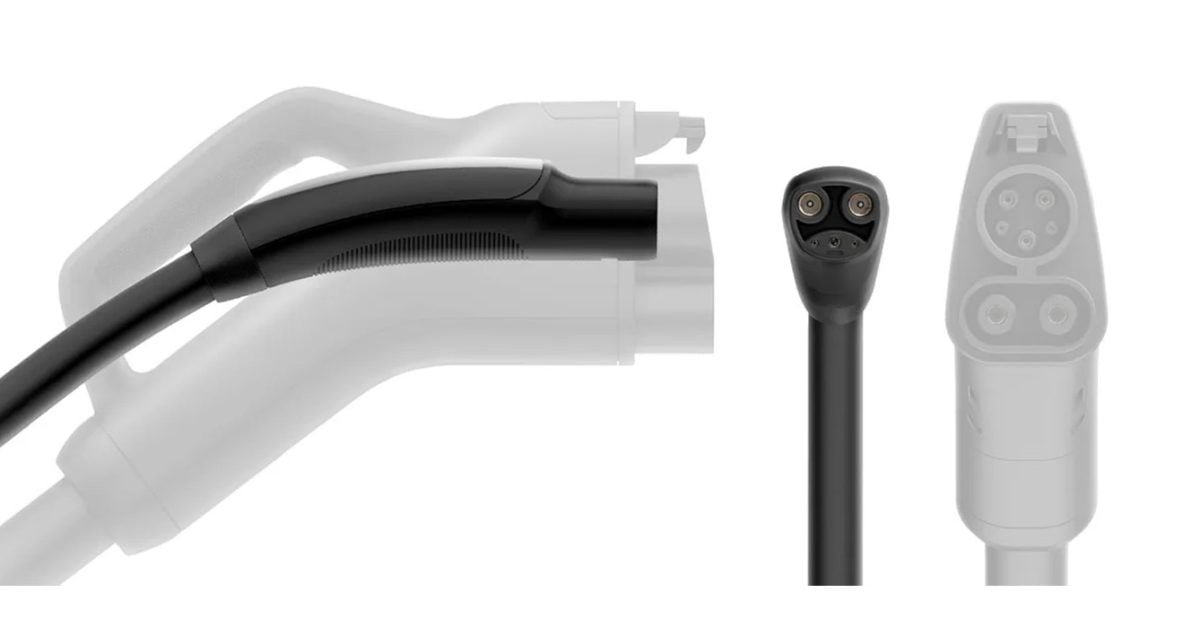
Stellantis, the parent company of Chrysler, Jeep, Ram, and Dodge, has announced that it will adopt Tesla's electric vehicle charging plug for its future EVs, making it the last major car company to do so. The decision is expected to give Stellantis' EV customers access to Tesla's superior charging network and provide peace of mind about the future of EV charging in North America and beyond. Stellantis will provide adapters to customers who own EVs with Combined Charging Standard plugs during the transition period, and its upcoming EVs, including fully electric Jeep, Ram, and Chrysler models, are planned for the next several years.
Stellantis has announced the adoption of the NACS for its upcoming electric vehicles in North America, but there's no deal with Tesla for the Supercharger network. While Stellantis will integrate NACS in its new electric vehicles starting in 2025, it has not mentioned a deal with Tesla for Supercharger access, instead focusing on its own IONNA charging network in partnership with other automakers.
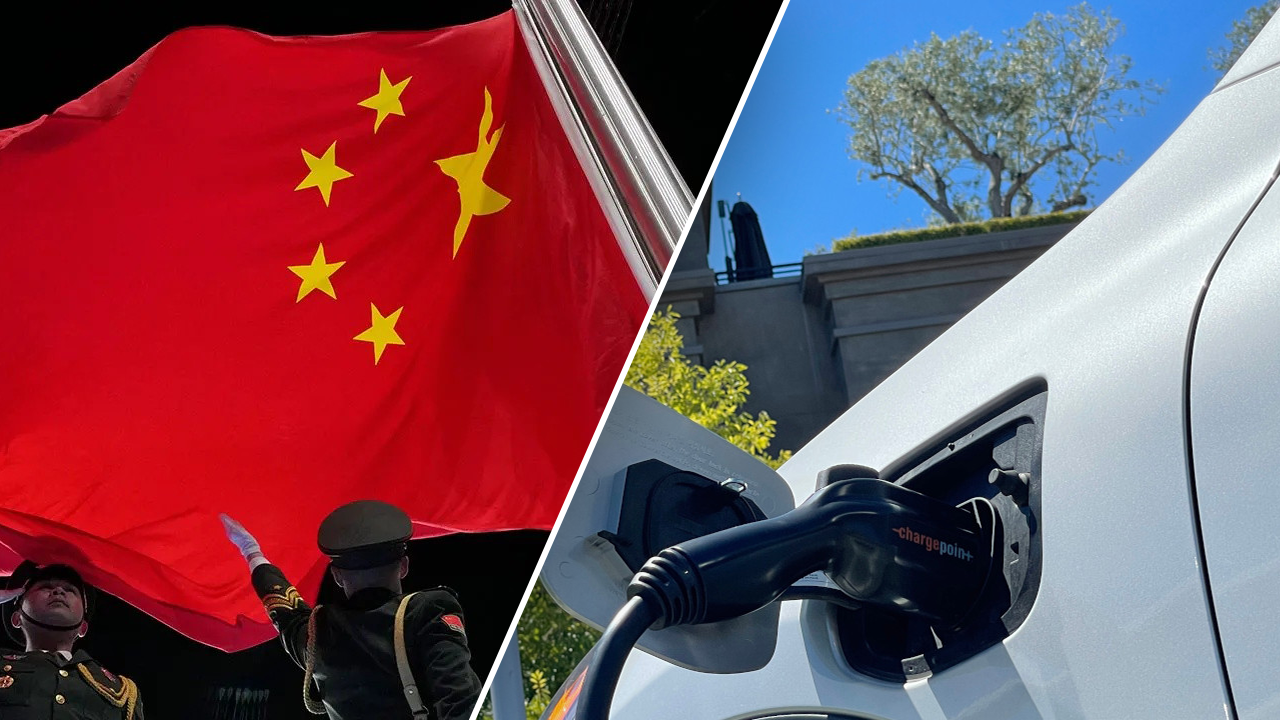
U.S. automakers are scaling back on electric vehicle production, creating an opportunity for cheaper Chinese EVs to enter the market, which some economists warn could pose a security risk due to potential data collection and remote control capabilities. Despite the Biden administration's push for green energy, challenges such as consumer interest, infrastructure, and cost concerns are hindering the U.S. EV market, while China's advancements in EV technology could threaten both the economy and national security.
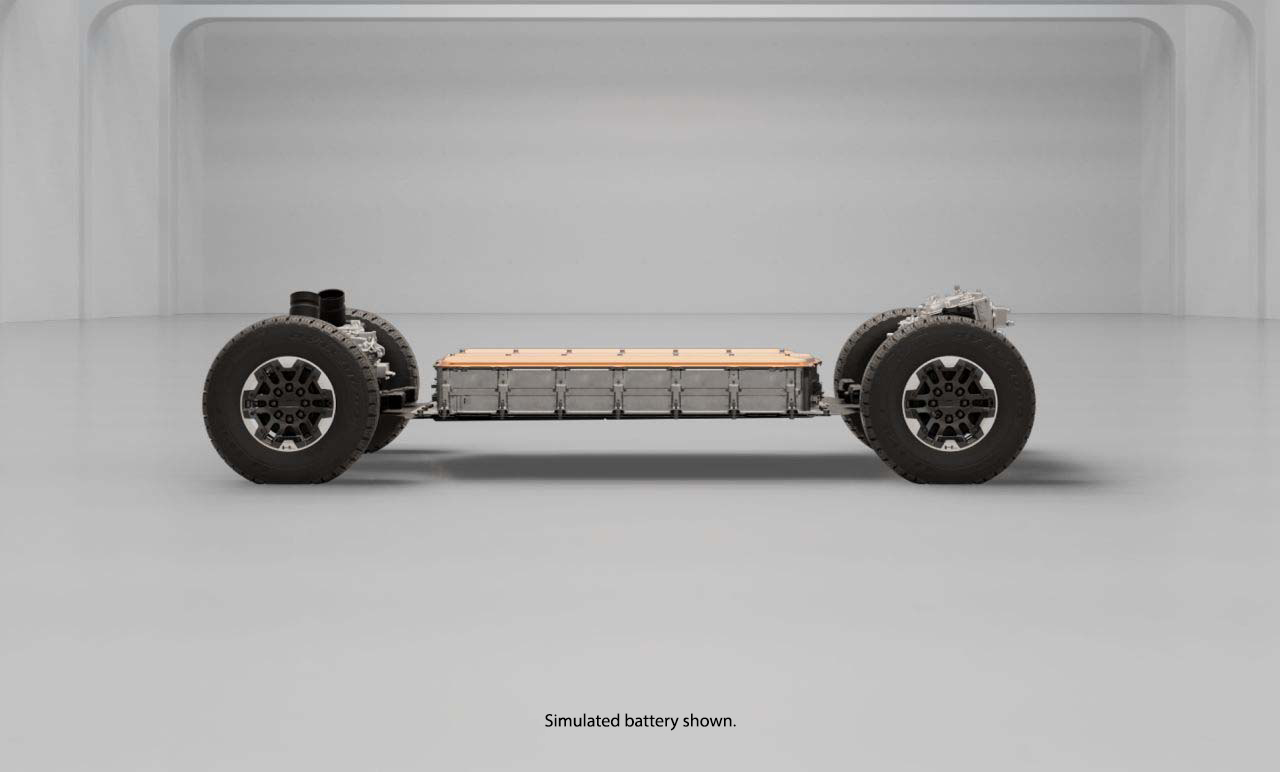
General Motors may have found a solution to its Ultium battery project bottlenecks with the addition of Kurt Kelty, a former Tesla battery technology senior director, as the company’s Vice President of Batteries. Kelty's expertise in battery chemistry development and supply chain partnerships is expected to help GM achieve its electrification goals and position the company as a leader in EV technology. The Ultium battery pack project has faced production challenges, leading to delays in launching an effective EV lineup, but Kelty's arrival is seen as a key addition to address these issues and improve the efficiency of producing vehicles on the Ultium platform.
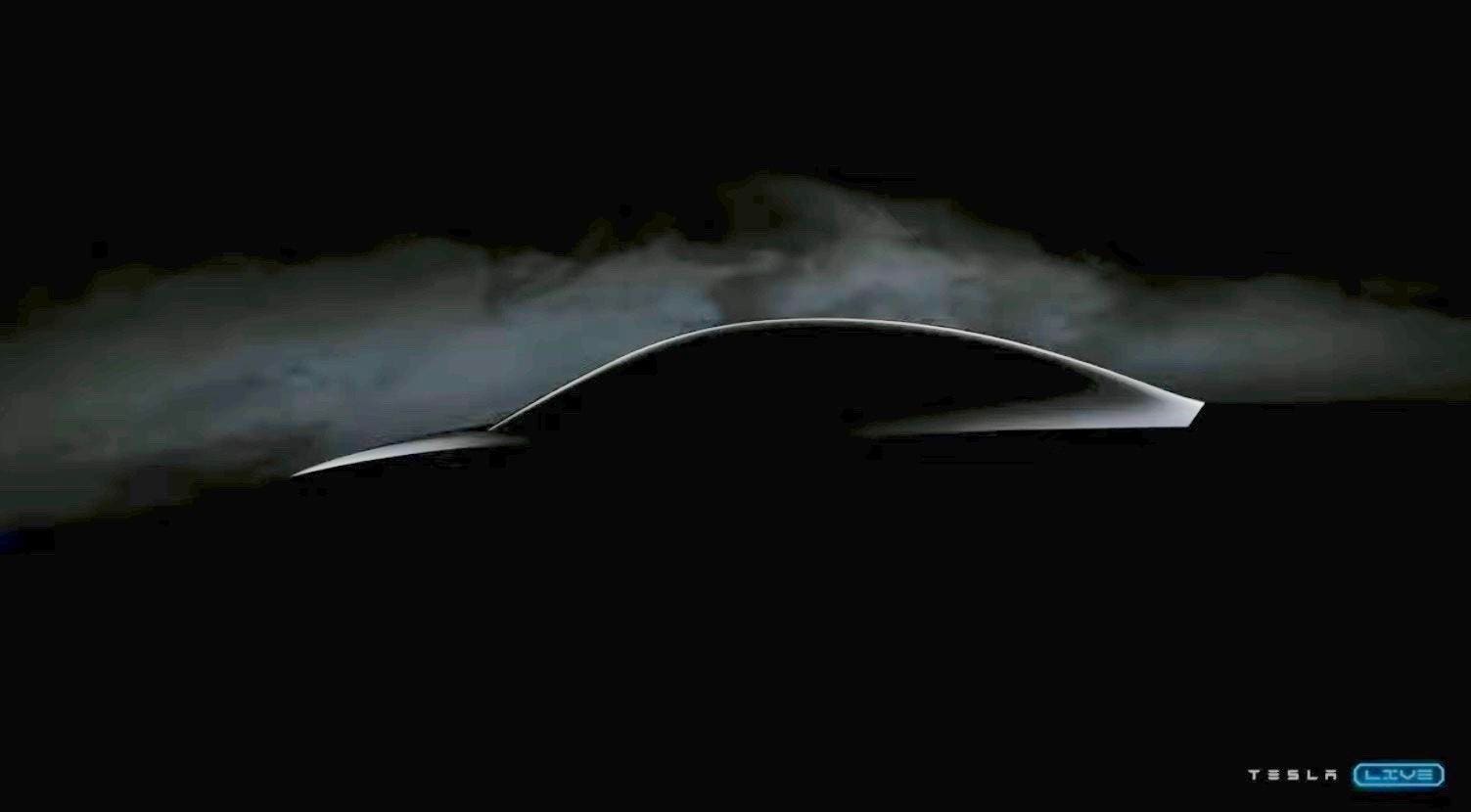
Tesla's next-generation low-cost vehicle, the 'Model 2,' is set to arrive in 2025 with a price range of $25,000 to $30,000, featuring a new manufacturing process dubbed Tesla 3.0. However, General Motors plans to introduce its own affordable competitor, a new Chevrolet Bolt on the Ultium platform, in 2025, potentially beating Tesla to market. Both companies are aiming to reduce costs and offer truly low-cost electric vehicles, but Tesla's reputation and brand image may give it a competitive advantage.
The median range for electric vehicles (EVs) in 2023 has reached 270 miles, a significant increase from previous years and more than enough to cover the average weekly commute for US drivers. With advancements in technology and materials, automakers are enabling longer and more efficient travel for EVs. The average US driver travels around 37 miles per day, making the 270-mile range ample for most weekly commutes. Additionally, the average price of EVs has fallen, making them more competitive with gas-powered vehicles.
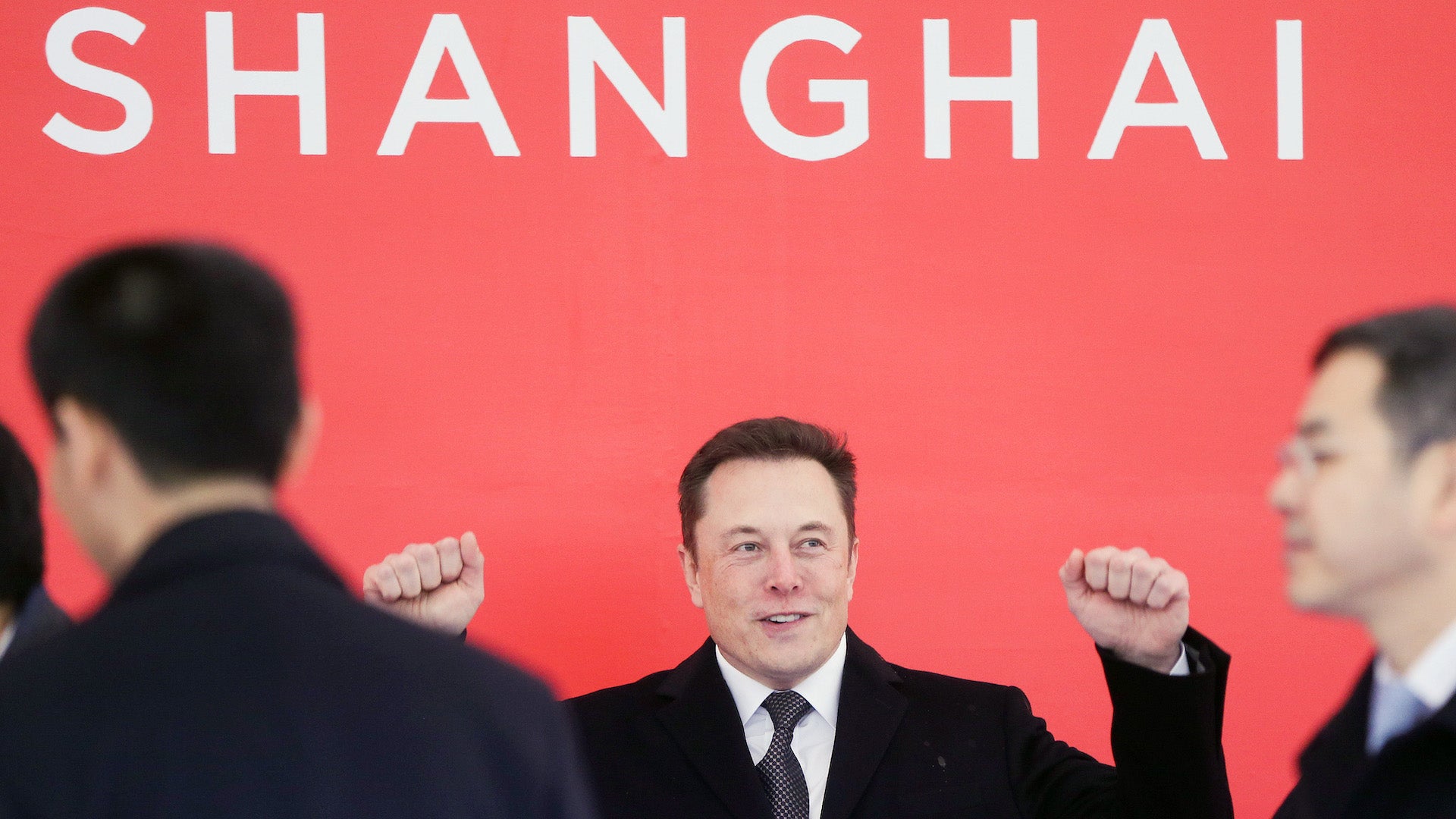
Tesla CEO Elon Musk warns that Chinese car companies, particularly in the electric vehicle sector, are extremely competitive and could dominate the global market without trade barriers. Concerns arise as Tesla loses EV sales volume crown to Chinese brand BYD, leading to slashed prices and potential profitability issues. Musk hints at a new vehicle on a next-gen platform in 2025, possibly a long-promised cheaper model. China's advantage in battery supply and production poses a significant challenge to the US EV industry, despite efforts to catch up. While Chinese-made cars face hurdles in the US market, they are making inroads under different branding.
Despite substantial government subsidies and efforts from companies like Tesla, GM, and Ford to promote electric vehicles (EVs), evidence suggests that consumer preference for traditional gasoline-powered cars remains strong. EV sales have only seen a marginal increase, with EVs spending longer on dealer lots than gasoline-powered cars. State governments continue to offer significant subsidies for EVs despite budget deficits. Concerns about the reliability of the electrical grid and the sustainability of renewable energy sources further contribute to doubts about the future of EVs.