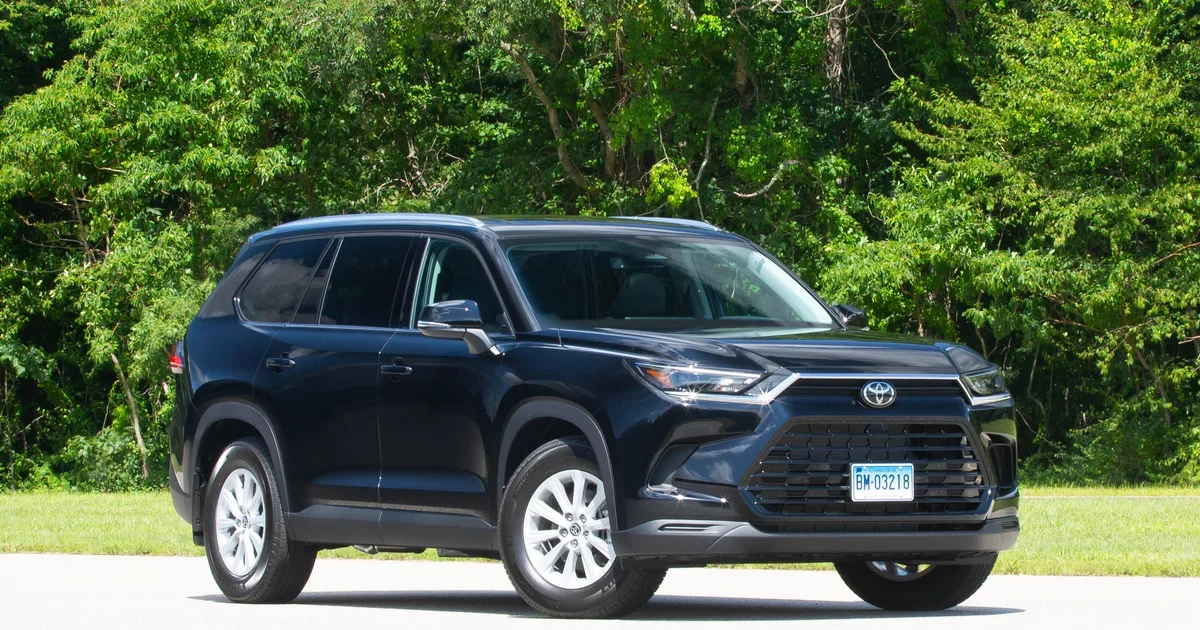
Toyota is recalling over 55,000 hybrid vehicles, including 2025-2026 Camry Hybrid and 2026 Corolla Cross Hybrid models, due to a loose bolt in the inverter assembly that can cause power loss or fires. Owners will be notified by February 2026 for repairs.
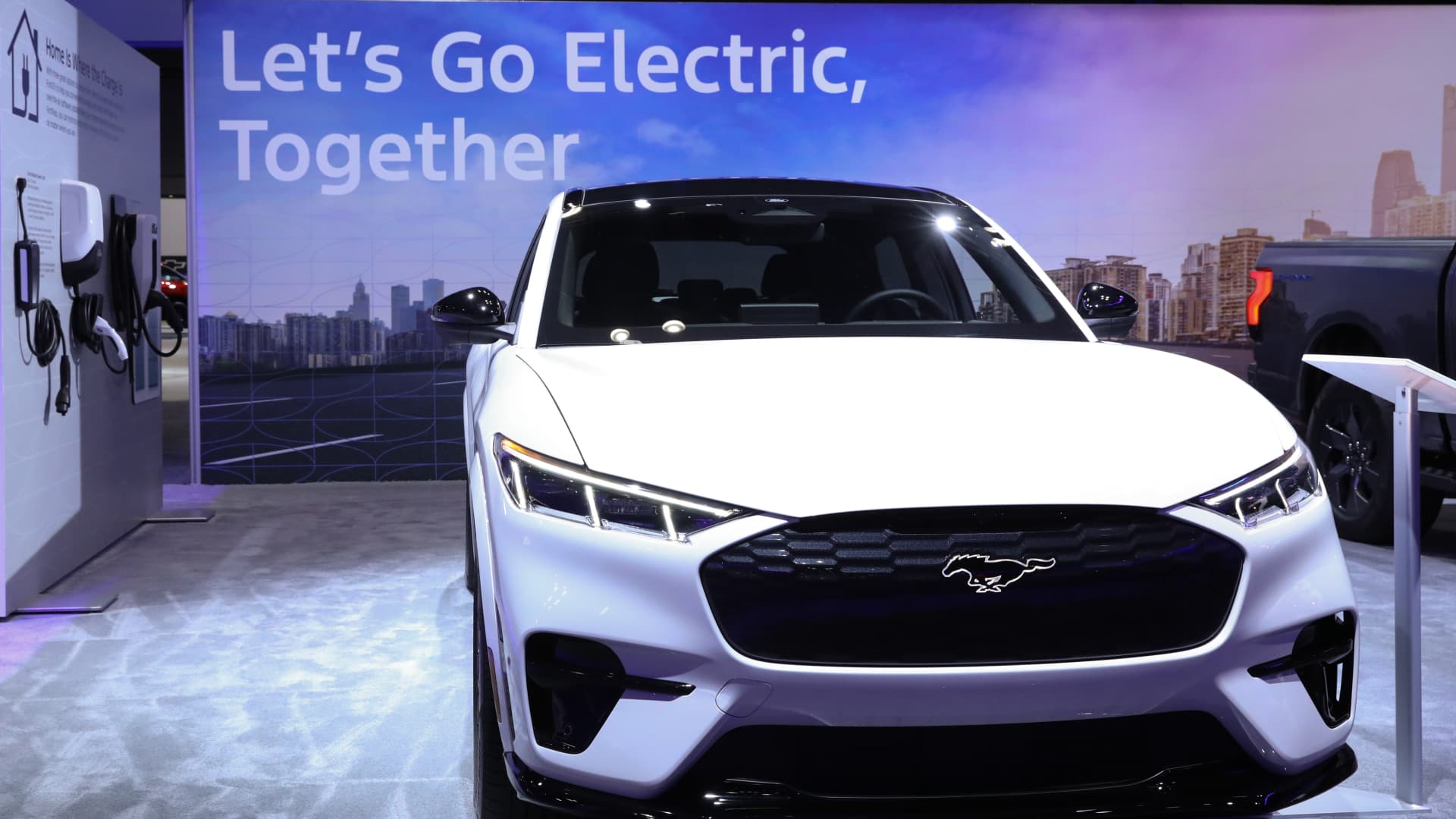
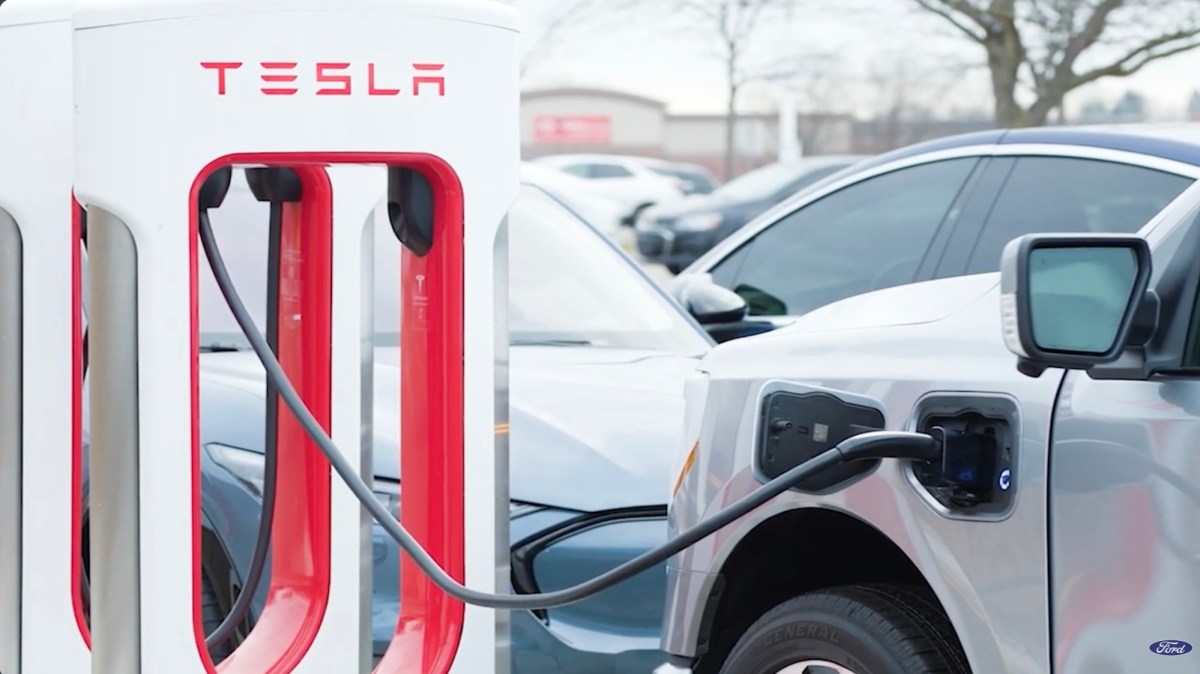
Ford is recalling over 270,000 electric and hybrid vehicles in the U.S., including F-150 Lightning, Mustang Mach-E, and Maverick models, due to a parking function problem that could cause vehicles to roll away. The company will provide a free software update to fix the issue.
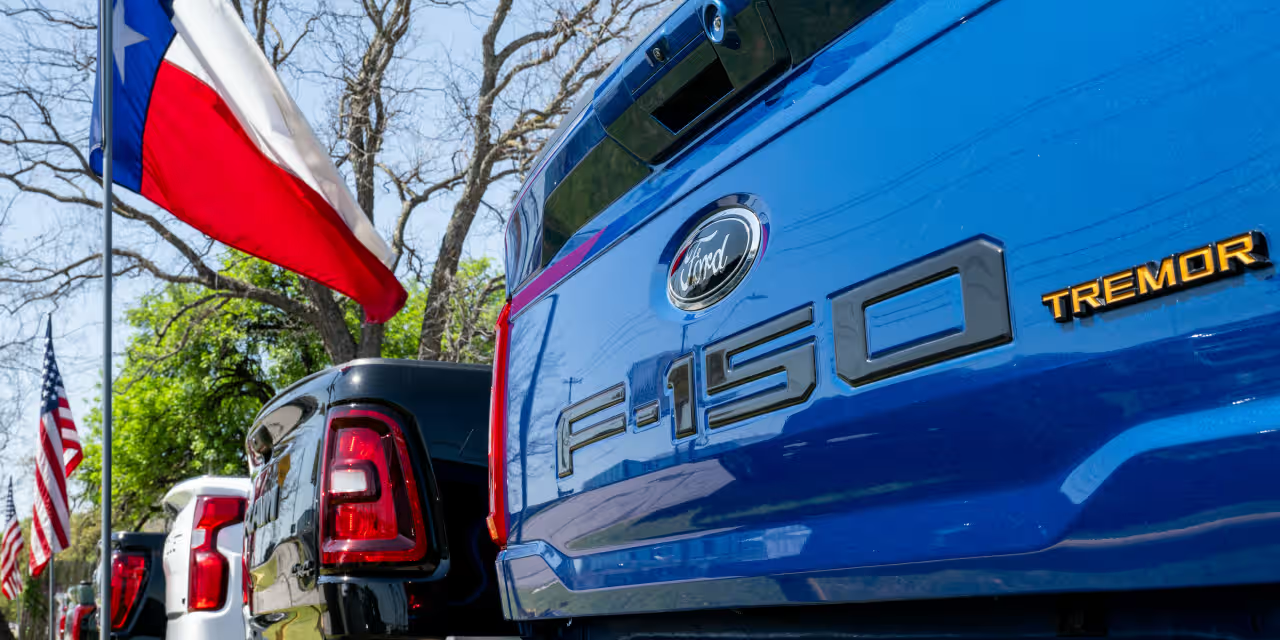
Ford is expected to report its third-quarter earnings with a focus on record hybrid vehicle sales, especially the hybrid F-150, which could serve as a key earnings booster amid concerns over declining EV demand and supply chain disruptions caused by a fire at an aluminum plant. Despite challenges, Ford's stock has outperformed the market, and the company aims to improve margins and operational performance.
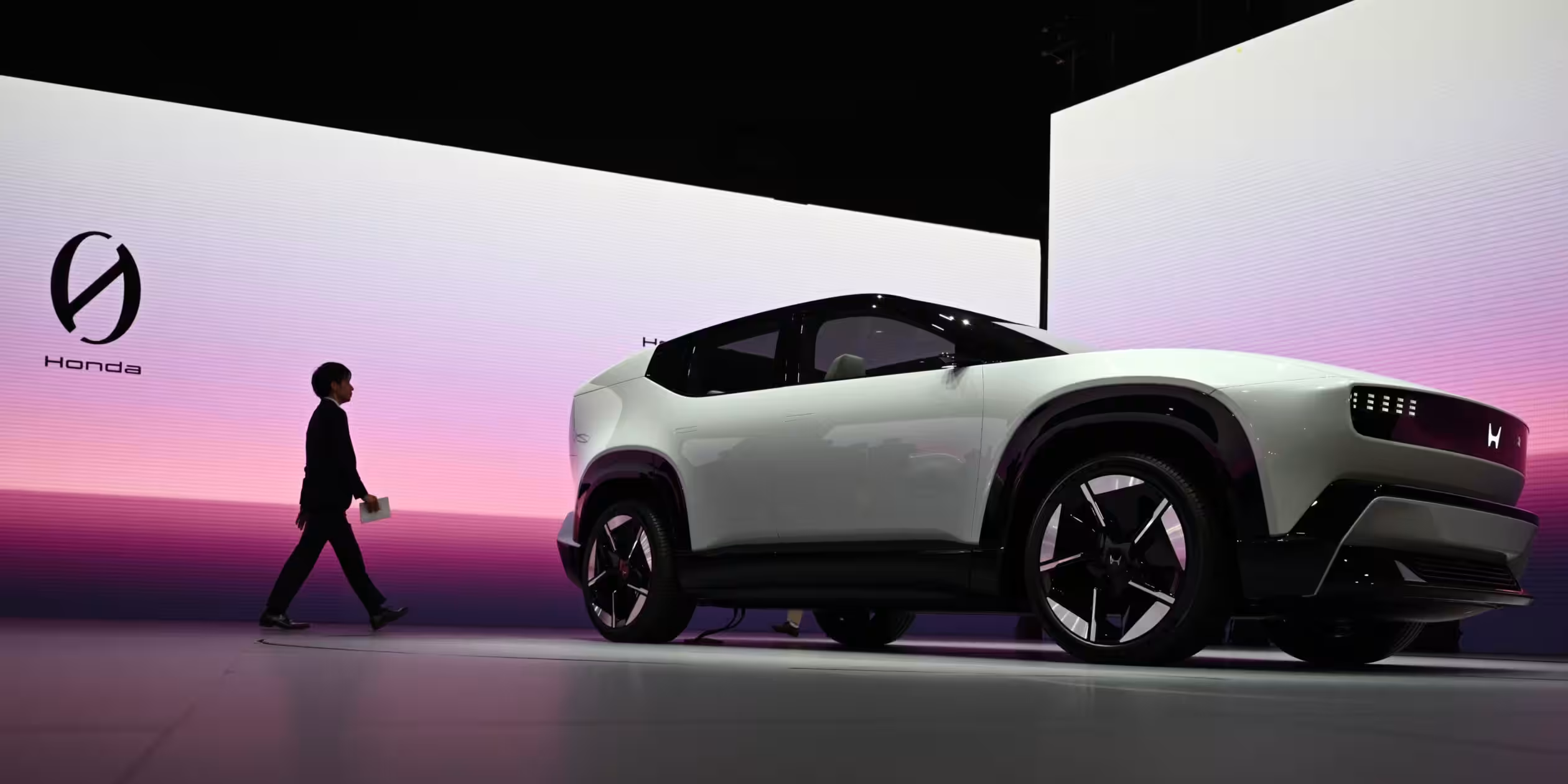
Honda has halted the development of a large electric SUV and is shifting its focus from EVs to more profitable hybrid vehicles due to declining demand for electric vehicles in the US.
Ford's U.S. vehicle sales rose 11.2% in May, driven by a 65% surge in hybrid and all-electric vehicle sales. Despite this growth, EVs and hybrids only made up 14% of total sales. The company faces challenges with its Model E unit, which reported significant losses. Ford plans to focus on hybrid technology and delay new all-electric vehicle production.
Ford's US auto sales surged 11.2% in May, driven by strong performances in hybrid and truck sales, particularly the Maverick and F-150 hybrids. Despite a pivot from EVs to hybrids, Ford's EV sales also saw significant growth, though the EV unit remains unprofitable. CEO Jim Farley emphasized the long-term potential of hybrid powertrains and hinted at future EV profitability. Ford's SUV sales also increased, led by models like the Bronco and Explorer.
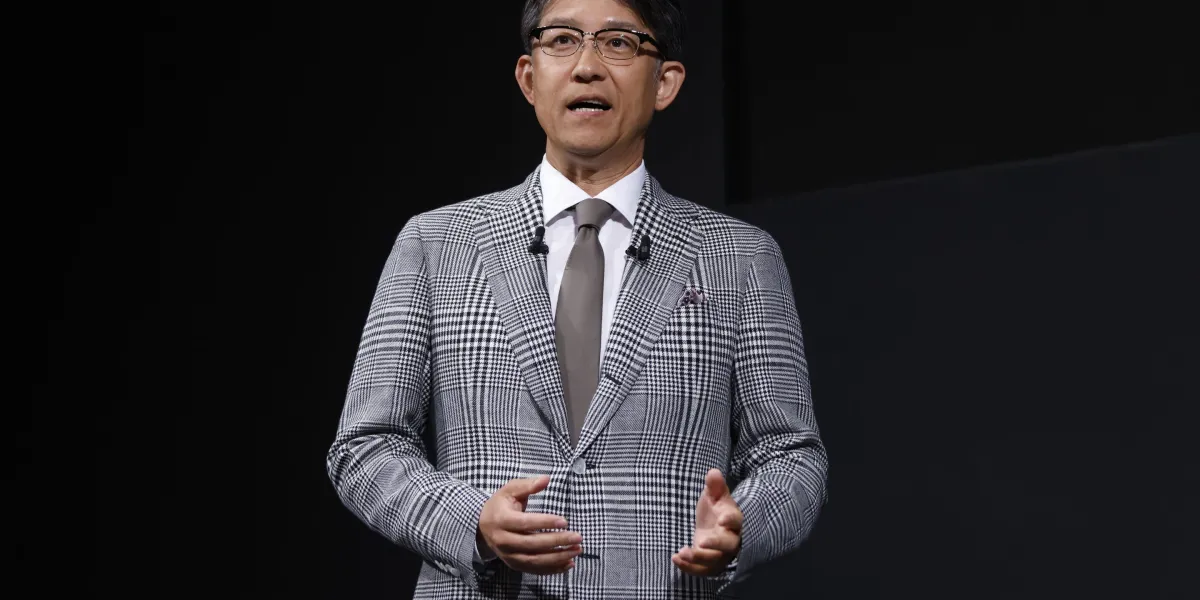
Toyota, having been vindicated for its focus on hybrids over fully electric vehicles, is now developing smaller, more efficient internal combustion engines optimized for hybrids and capable of using alternative fuels. This move is part of Toyota's "multi-pathway" approach to reducing emissions, offering diverse options beyond just EVs. Despite initial criticism, Toyota's strategy has proven successful as global EV sales stagnate, leading to strong hybrid sales and a significant profit increase.
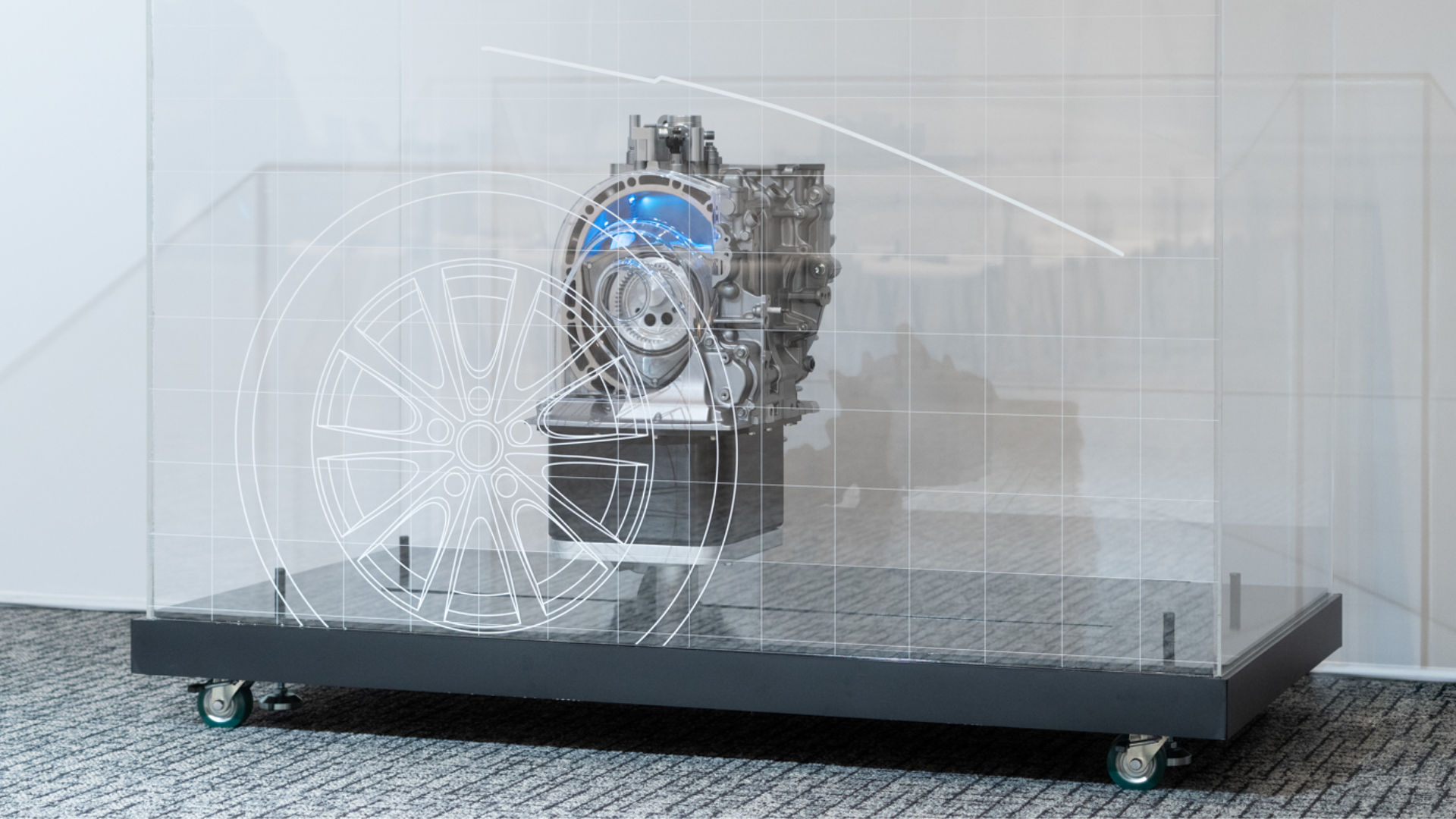
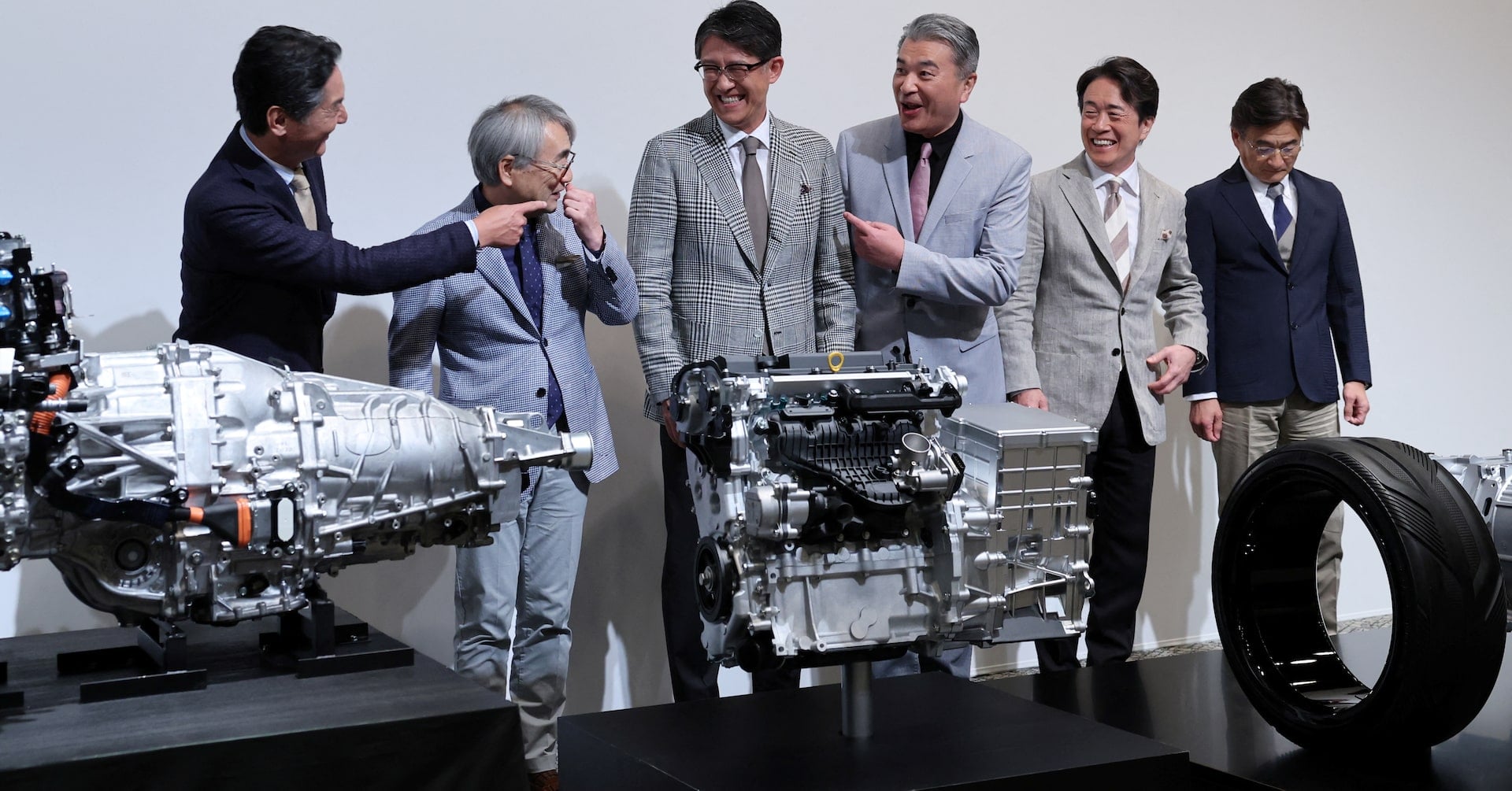
Toyota, along with Subaru and Mazda, is developing new compact 1.5L and 2.0L internal combustion engines that are adaptable to various carbon-neutral fuels like e-fuel, biofuels, and liquid hydrogen. These engines are designed to be smaller, lighter, and more efficient, aiming to meet stricter emissions standards and integrate seamlessly with electric drive units. This initiative reflects Toyota's strategy to maintain a diverse range of powertrain options, including hybrids, as the automotive industry moves towards tougher emission norms and carbon neutrality.
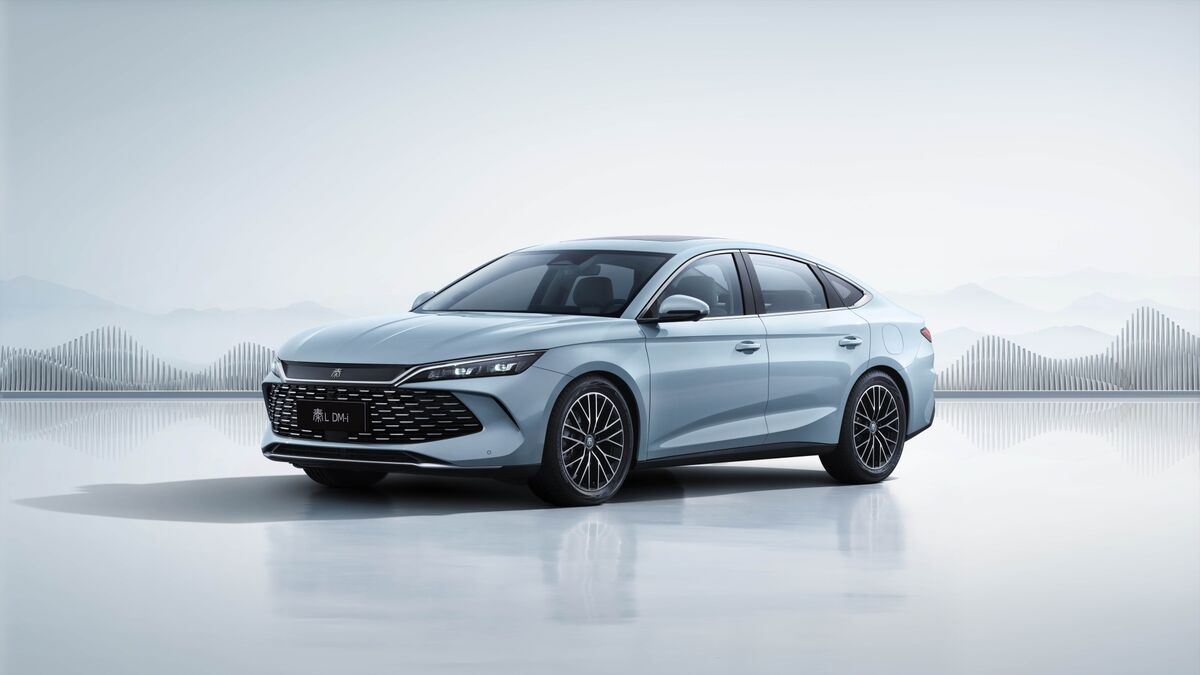
BYD Co. has introduced a new hybrid powertrain that can travel over 2,000 kilometers without recharging or refueling, launching it in two sedans priced under $14,000. This move aims to enhance BYD's competitive edge against major automakers like Toyota and Volkswagen.
Toyota showcased new compact engines that can run on various fuels, including biofuels and e-fuels, aiming to meet tougher emissions standards. The engines, developed in collaboration with Subaru and Mazda, are designed to integrate with electric drive units and offer significant size and weight reductions. This move aligns with Toyota's strategy of promoting multiple powertrain options, including hybrids, amid a slowdown in EV growth.
Former auto industry executives Bob Lutz and Bob Nardelli criticize the handling of the electric vehicle (EV) push, stating that it happened "too soon and too fast." They argue that the focus on EVs should have been preceded by an emphasis on hybrid vehicles and that the forced transition to zero emission transportation in the U.S. has been mishandled. They also express concerns about the impact on the car dealership experience and the potential challenges posed by China's growing presence in the EV market. Despite the criticism, they acknowledge the inevitability of a gradual transition to EVs, with Lutz predicting that EVs could represent about 25-30% of the market in the next 10 years.
Despite initial setbacks and lower-than-expected demand for electric vehicles, Ford is pushing forward with its electrification plans, including a low-cost electric vehicle project. The company's focus on hybrid vehicles has also proven successful, with an 86% increase in electric vehicle sales and a 42% rise in hybrid sales in the first quarter of 2024. Ford is continuing to offer ICE vehicles while expanding its hybrid offerings, and it plans to transition its Oakville Assembly Plant to produce three-row EVs in 2027. Additionally, Ford is preparing to launch a new electric truck and commercial vehicle, while a "skunkworks" team in California is developing a smaller, low-cost, profitable, flexible EV platform capable of underpinning multiple vehicles at high volumes.
Ford delays production of new electric vehicles to focus on making more hybrid vehicles due to plummeting consumer demand for EVs, with the launch of at least two new three-row electric vehicles delayed from 2025 to 2027. The company plans to expand its hybrid electric vehicle offerings and expects to offer hybrid powertrains across its entire Ford Blue lineup in North America by the end of the decade. The decision comes as Ford's electric vehicle business incurred significant losses, while consumer complaints about high prices, quality, reliability, charging infrastructure, and performance in cold weather persist. Additionally, former President Donald Trump has vowed to reverse President Joe Biden's electric vehicle mandate if re-elected, citing concerns about the mandate's impact on the U.S. auto industry.
Ford is delaying the production of two electric vehicles, opting to introduce hybrids instead, reflecting a shift towards bolstering cash flow and near-term profits. The company's success historically stems from a startup mentality, exemplified by the Mustang Mach-E and past pivots like the Taurus and Explorer. Facing challenges with EV pricing and charging infrastructure, Ford is working on developing a low-cost EV through a skunkworks led by an ex-Tesla executive, potentially reinvigorating its startup spirit.
Ford's hybrid vehicles had their best sales quarter ever, with a 42% increase in sales compared to the previous year, while gas-guzzling SUVs also saw historic sales. The company's electric vehicles, including the Mustang Mach-E, F-150 Lightning, and E-Transit van, performed well, with an 86% increase in sales over the previous year. However, Ford still trails Tesla in EV sales. The automotive industry is seeing a resurgence in hybrid vehicle sales, but there are concerns that hybrids may not be sufficient to address the current climate crisis, with the Biden administration emphasizing the need for a rapid transition to battery EVs.