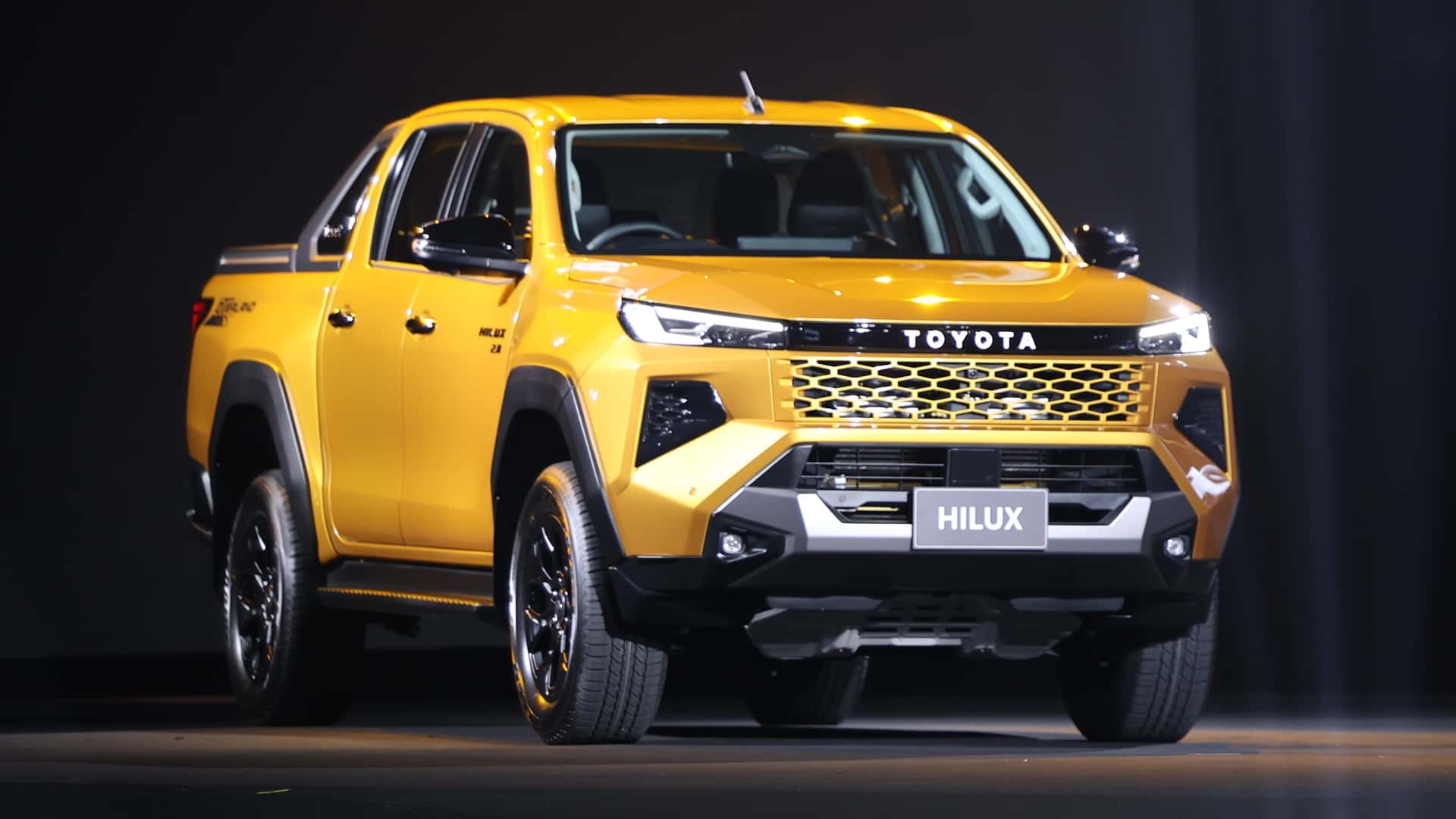
Toyota is launching the ninth-generation Hilux in 2026, featuring a fully electric version alongside traditional diesel and gasoline options, with significant design and tech updates, including a new interior, modern styling, and advanced safety features, primarily for the European market.
Toyota, Subaru, and Mazda have announced new low or no-carbon combustion engines that can use alternative fuels, posing a significant challenge to pure-play electric vehicle makers like Tesla, Rivian, and Nio. These new engines, which can be used in hybrid vehicles, address several issues currently hindering EV adoption, such as cost, range anxiety, and charging infrastructure. This development could shift the competitive landscape in the automotive industry, favoring companies with diversified approaches to low-carbon transportation.
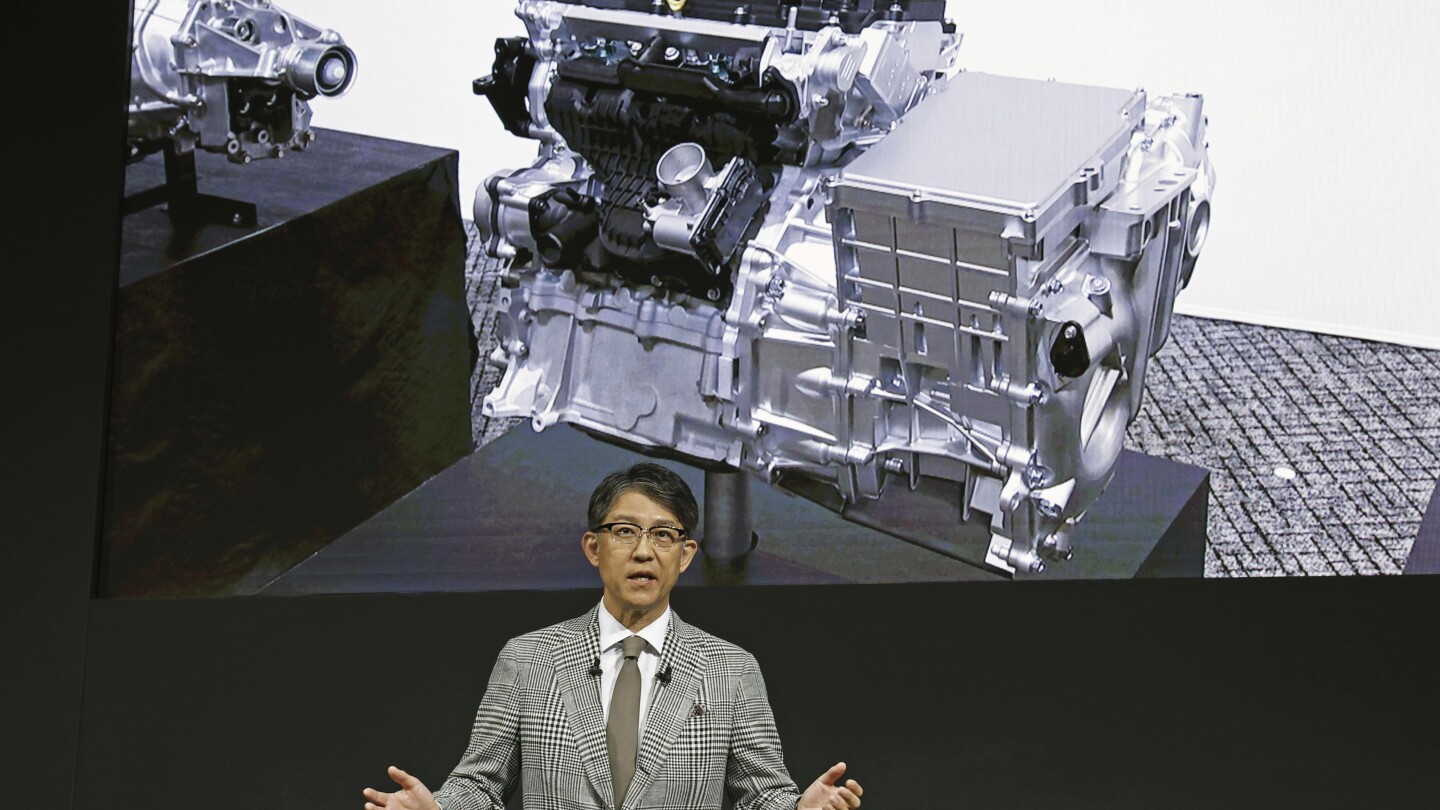
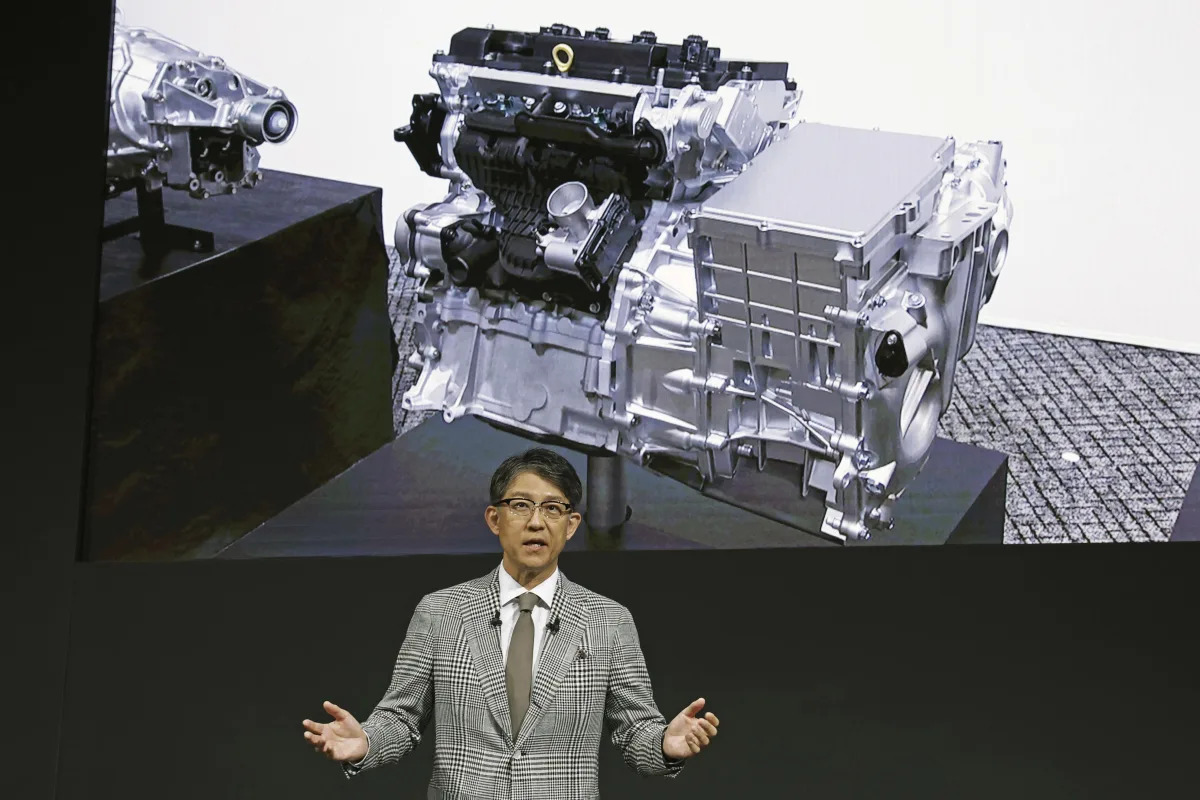
Toyota has unveiled plans to innovate the traditional internal combustion engine by using green fuels like hydrogen and bioethanol, and integrating them with electric motors in hybrids. This move comes as many automakers push for fully electric vehicles. Toyota's new engines aim to support the transition to carbon neutrality while addressing the economic and social impacts of a sudden shift to electric cars. Domestic allies Subaru and Mazda also showcased their ecological engine advancements. However, details on market availability were not disclosed.
Toyota announced plans to develop compact engines running on green fuels like hydrogen and bioethanol, alongside electric motors in hybrids, as part of its strategy to achieve carbon neutrality. Despite the global push for fully electric vehicles, Toyota emphasizes a multi-pathway approach, collaborating with Subaru and Mazda to meet diverse energy needs and maintain economic stability. The company highlighted the challenges and uncertainties in the transition to electric vehicles, including the environmental impact of battery production and the need for gradual change.