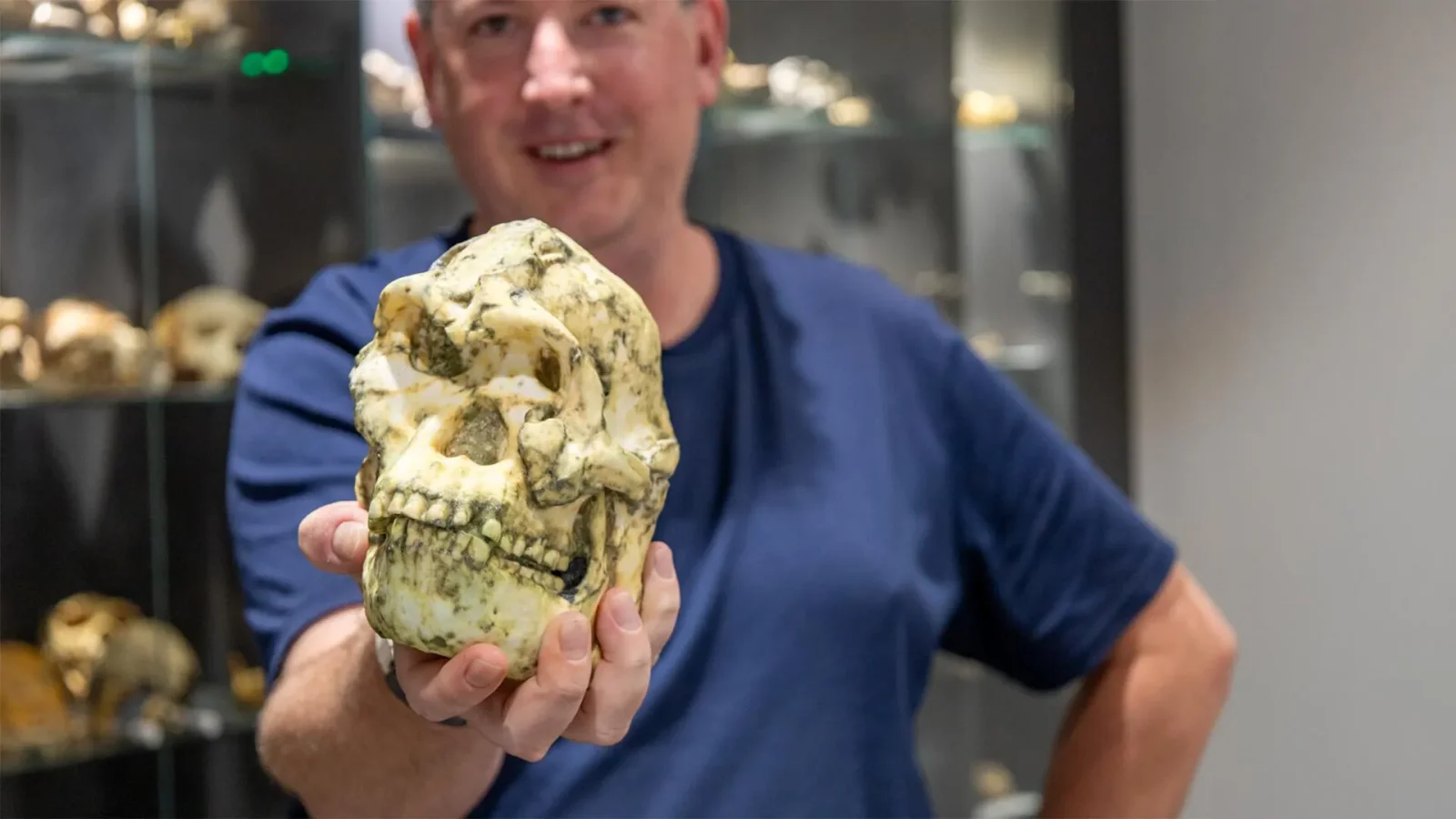
A nearly complete early human fossil known as Little Foot, found in South Africa, is now believed by researchers to possibly represent a new, previously unrecognized species, challenging previous classifications and offering new insights into human evolution.
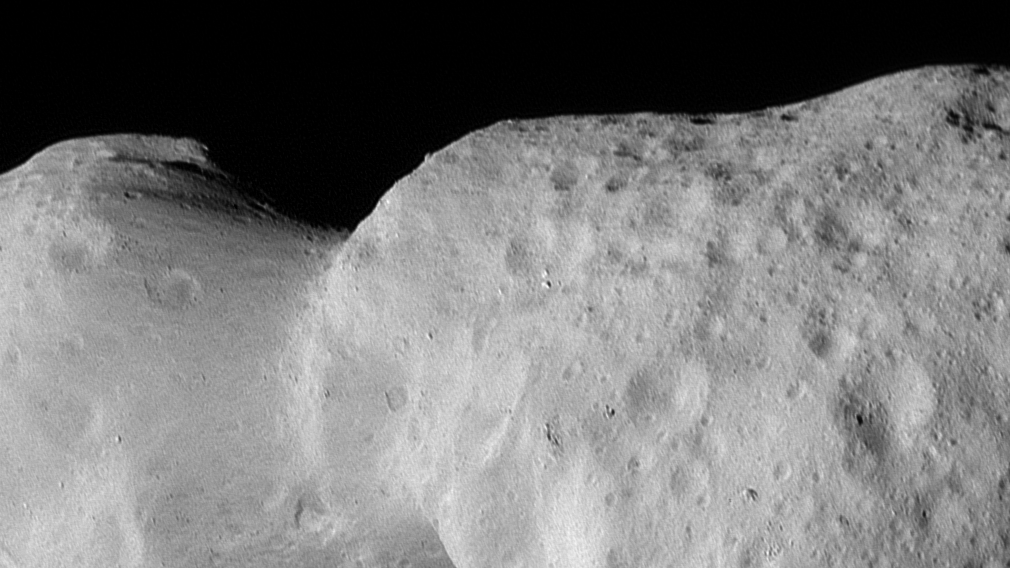
NASA's Lucy spacecraft flyby of asteroid Donaldjohanson led to the official naming of its geological features, with names inspired by human origins and significant paleoanthropological sites, highlighting the connection between space exploration and human history.
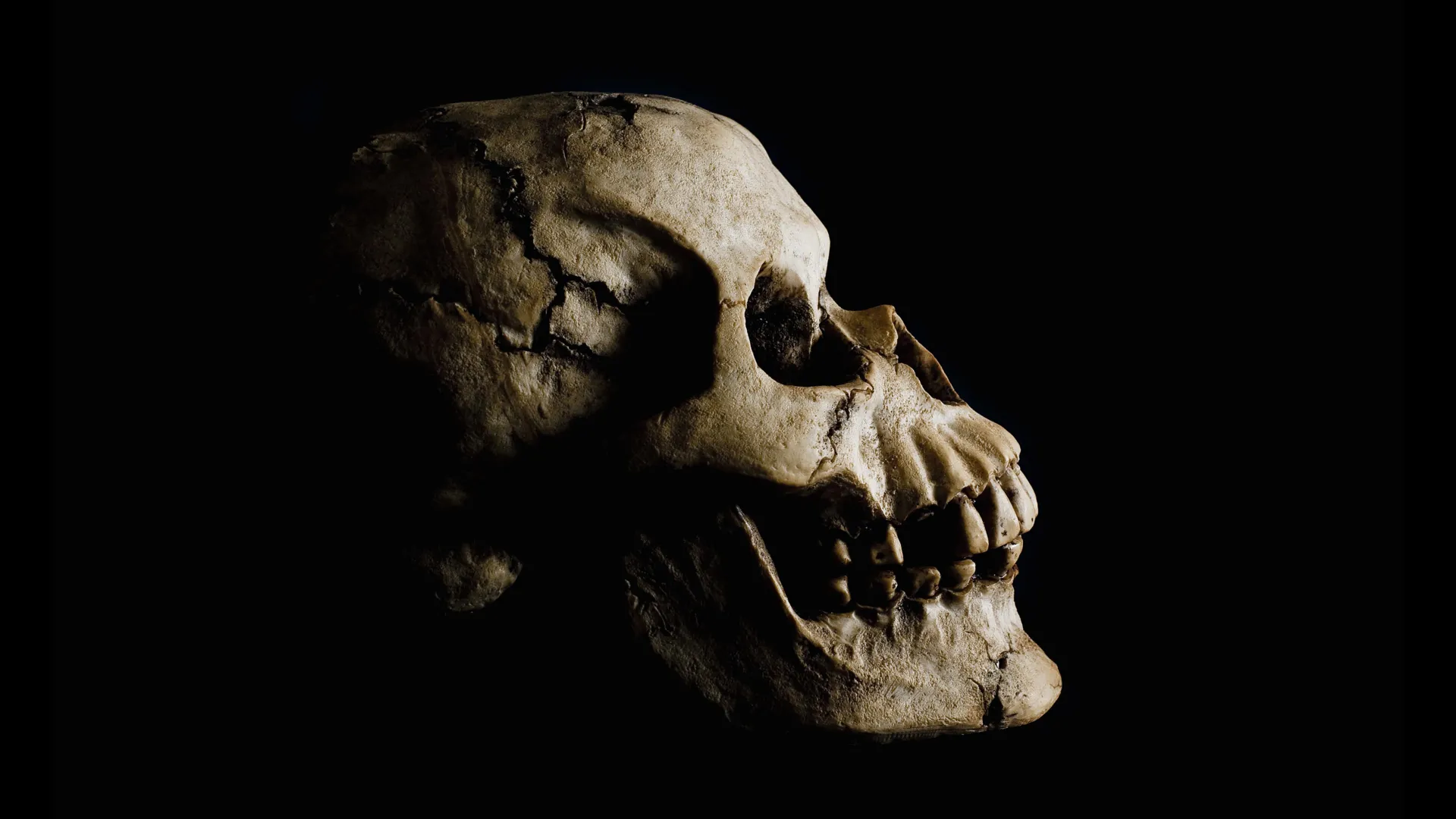
Scientists in Ethiopia discovered fossils indicating that Australopithecus and the earliest Homo species coexisted around 2.6 to 2.8 million years ago, including a new Australopithecus species and the oldest Homo fossils, challenging linear views of human evolution and highlighting a complex, bushy evolutionary tree.
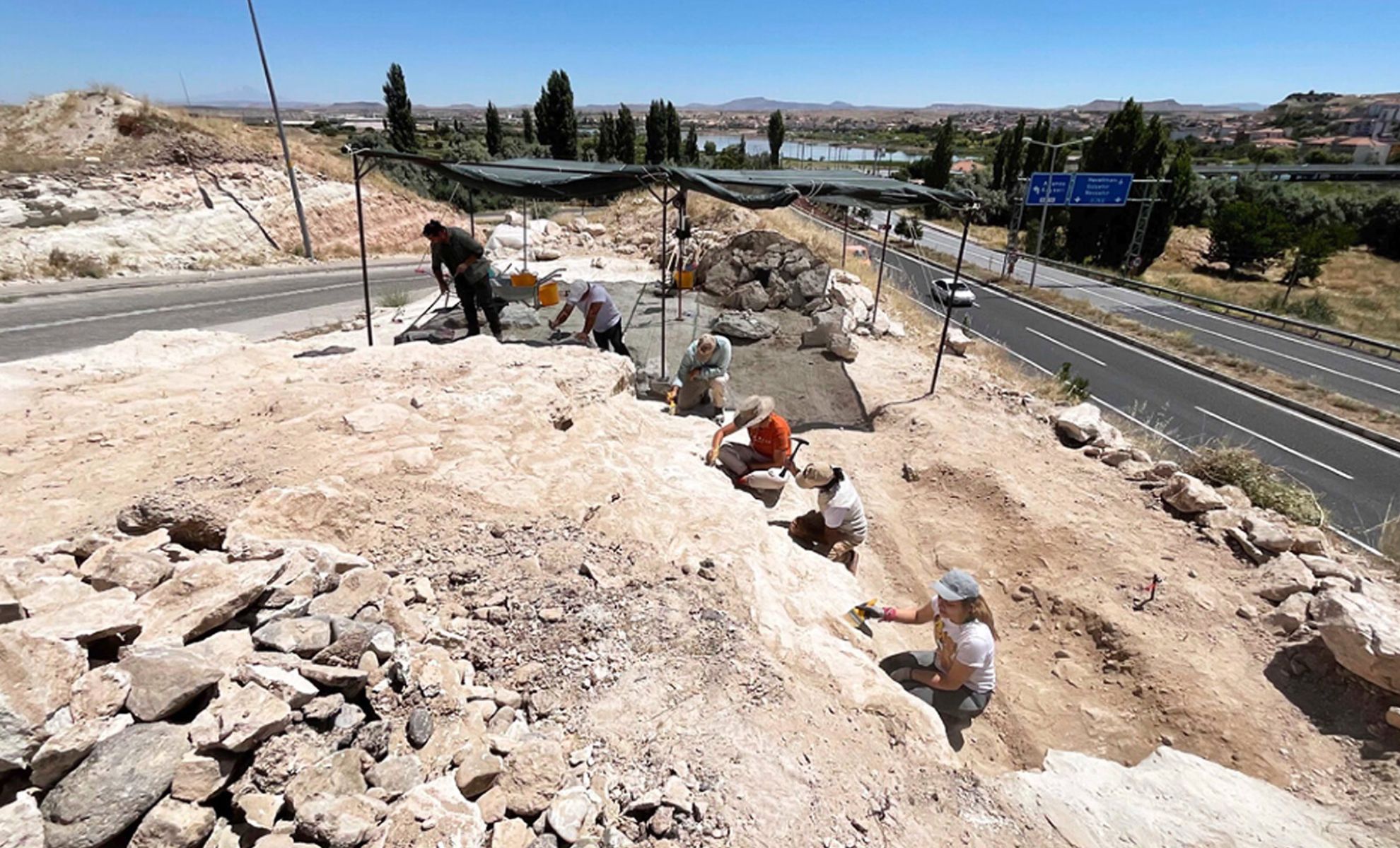
A study using advanced argon-argon dating on 10-million-year-old fossils in Turkey suggests that Anatolia played a more significant role in mammal and early human evolution than previously thought, challenging traditional African-centric models and highlighting the region's importance as a crossroads for species migration and climate-driven ecological change.
A new AI-driven study reveals that Papua New Guineans are genetically closely related to other Asian populations, sharing a common Out of Africa ancestry, with unique demographic history and significant Denisovan DNA, though their exact origins remain complex and not fully resolved.
Researchers suggest that during the last ice age, the first humans to reach the Americas may have traveled along a sea ice "highway" in Beringia, providing another piece to the puzzle of how humans crossed into North America. Climate data and ocean modeling indicate that sea ice may have been used as a platform for migration, potentially aiding the journey from Asia to North America. This finding challenges previous theories and highlights the adaptability of ancient migrants to rapidly changing conditions.
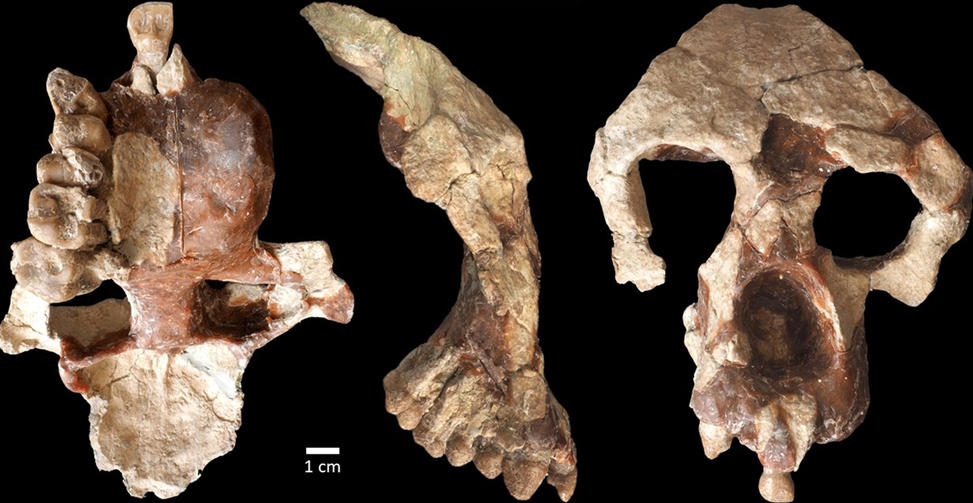
The discovery of an 8.7-million-year-old fossilized ape in Turkey challenges long-accepted ideas of human origins. The fossil, named Anadoluvius turkae, supports the hypothesis that the ancestors of African apes and humans may have evolved in Europe and later migrated to Africa. The findings suggest that hominines not only evolved in western and central Europe but also spent over five million years evolving there before dispersing into Africa. The fossil provides strong evidence that a group of early hominines originated in Europe and later dispersed into Africa. The study's authors conclude that the ancestors of African apes and humans came from Europe and the eastern Mediterranean. Further research is needed to establish a definitive connection between the two groups.