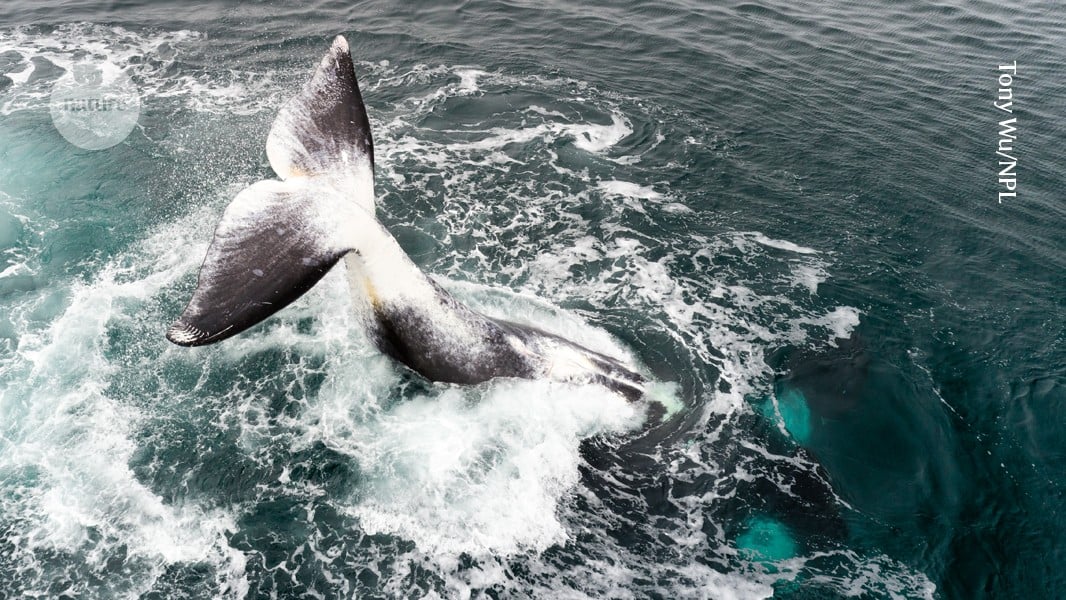
The bowhead whale can live over 200 years due to a highly effective DNA-repair protein, which could provide insights into extending human lifespan by enhancing genome stability and repair mechanisms.
Scientists suggest that due to the natural decline in physiological resilience with age, the maximum human lifespan is likely between 120 and 150 years, regardless of lifestyle or medical advancements, highlighting inherent biological limits to longevity.
Ovaries hold the key to understanding human lifespan, according to recent research. Scientists are intrigued by the enigmatic role of ovaries in aging and longevity, with studies suggesting that they may play a crucial role in determining how long humans live. This new understanding could potentially lead to breakthroughs in extending human lifespan and improving overall health.
Human life expectancy is projected to increase to between 100 and 120 years within the next 50 years, particularly in developed countries, according to a study by researchers at Malardalen University. Advancements in technologies such as artificial intelligence and wearable devices will enable individuals to track their health status and receive early recommendations for lifestyle changes, resulting in improved health and longer lifespans. The COVID-19 pandemic has also contributed to better knowledge of virus tracing and the use of AI in diagnosing diseases and developing treatments. However, climate change poses significant challenges to healthcare systems and overall well-being.
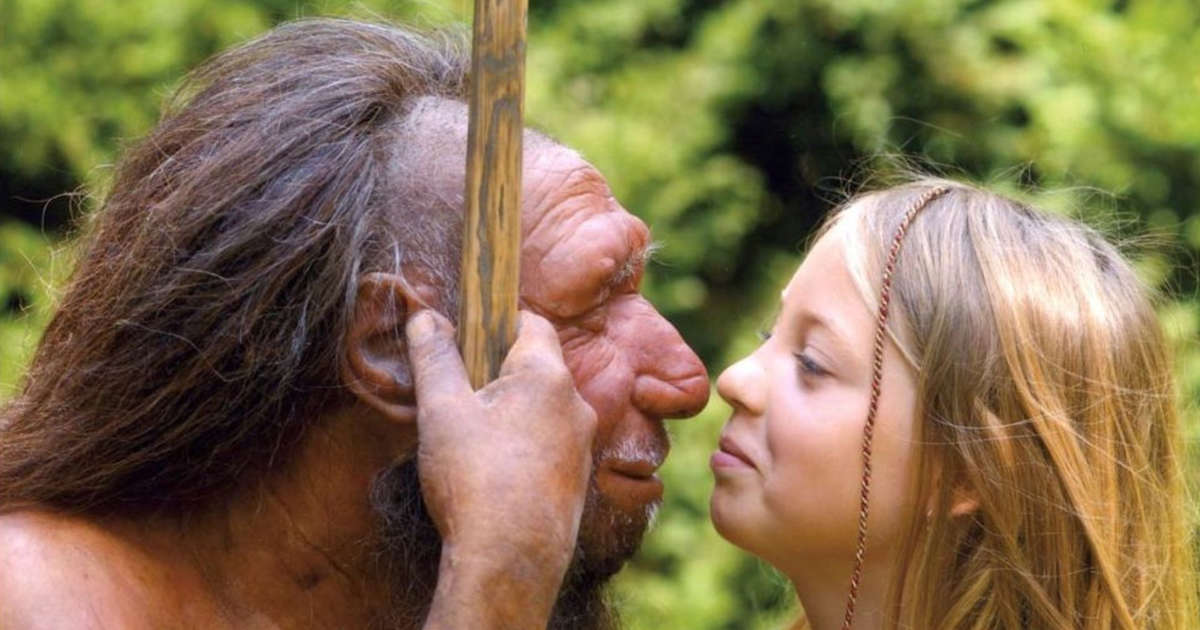
Determining the life expectancy of ancient humans is challenging due to the scarcity of detailed population records and lack of information regarding specific mortality rates. Recent scientific research suggests that genetics and lifestyle factors play a significant role in determining human lifespan. While the average lifespan of ancient humans is difficult to determine, certain research indicates that the life expectancy of Neanderthals and early humans found in western Eurasia was not significantly different from each other.