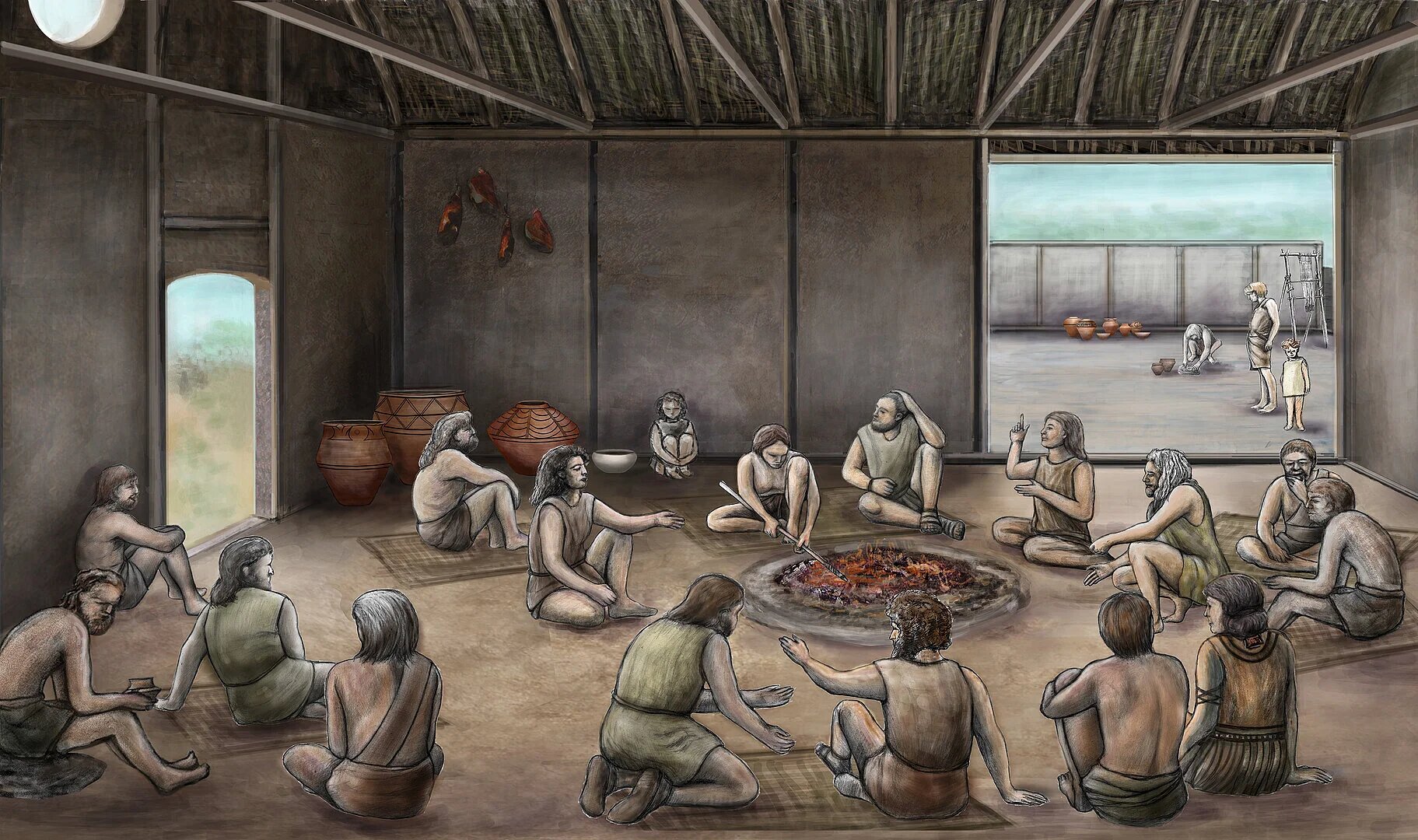
A study by researchers at Kiel University applies the Human Development Index to analyze Europe's first mega settlements, such as the Cucuteni-Trypillia communities, which existed 7,000 to 5,000 years ago. Using the 'capability approach,' the study suggests that expanded opportunities and social equality, rather than climate change or population growth, attracted people to these settlements and spurred innovation. This approach offers new insights into the social dynamics of ancient societies and challenges traditional archaeological interpretations.
A study led by Charles Sturt University projects a significant rise in global cancer cases and deaths by 2050, with disparities widening between low and very high Human Development Index (HDI) countries. Cancer cases are expected to increase by 76.6% and deaths by 89.7%, with low HDI countries seeing the most dramatic rise. The study highlights the need for improved healthcare access and quality to address these disparities and improve cancer outcomes.
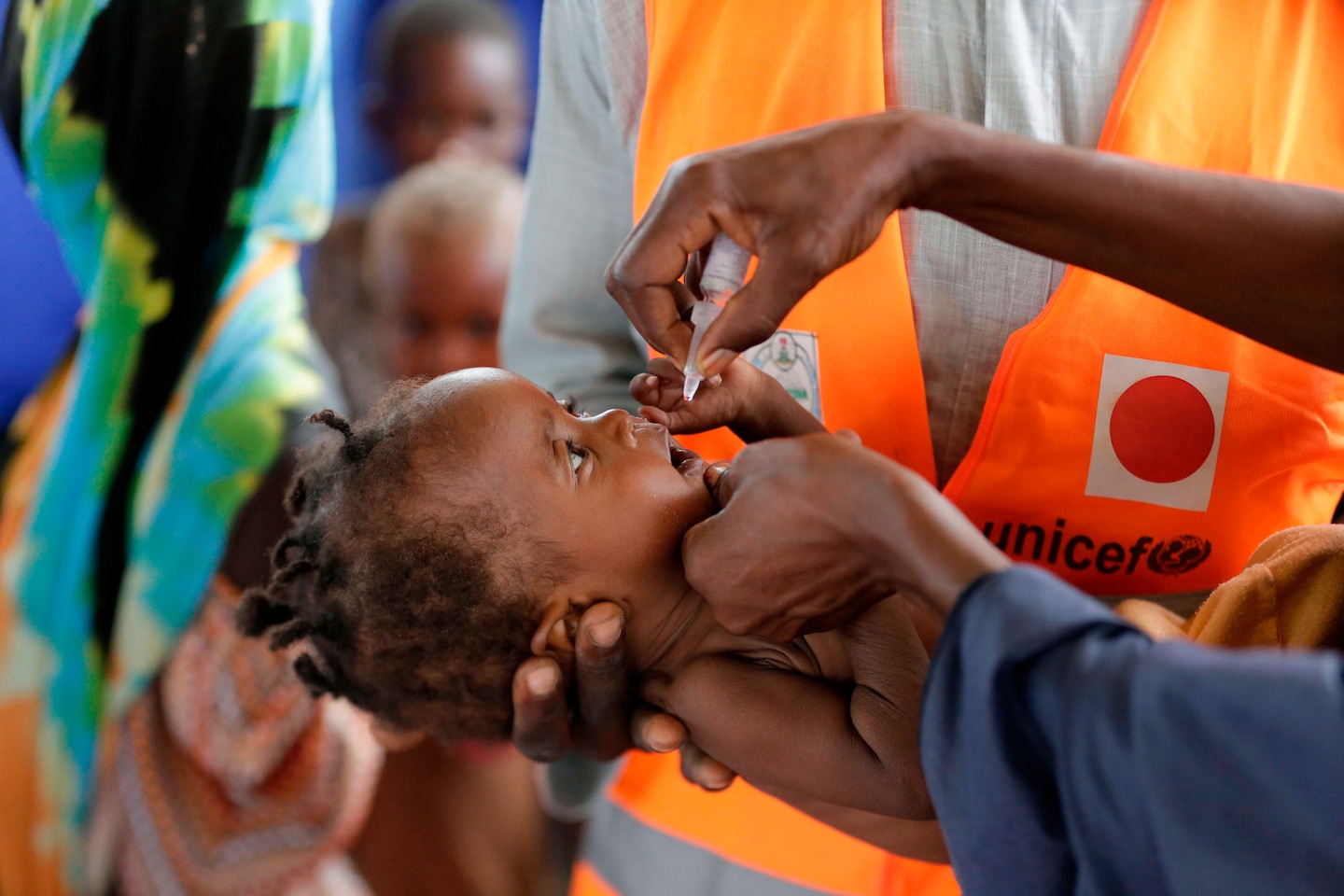
A U.N. report reveals that while affluent nations have recovered their pre-pandemic levels of well-being, half of the world's poorest countries, including Nigeria, Pakistan, and Sierra Leone, continue to lag behind. The report warns of a widening gap between the richest and poorest nations, exacerbated by political polarization and a rise in armed conflicts. It calls for greater financial support for global public goods, such as vaccine development and climate change mitigation, and emphasizes the need for reforming globalization to address environmental concerns and the needs of heavily indebted developing nations.