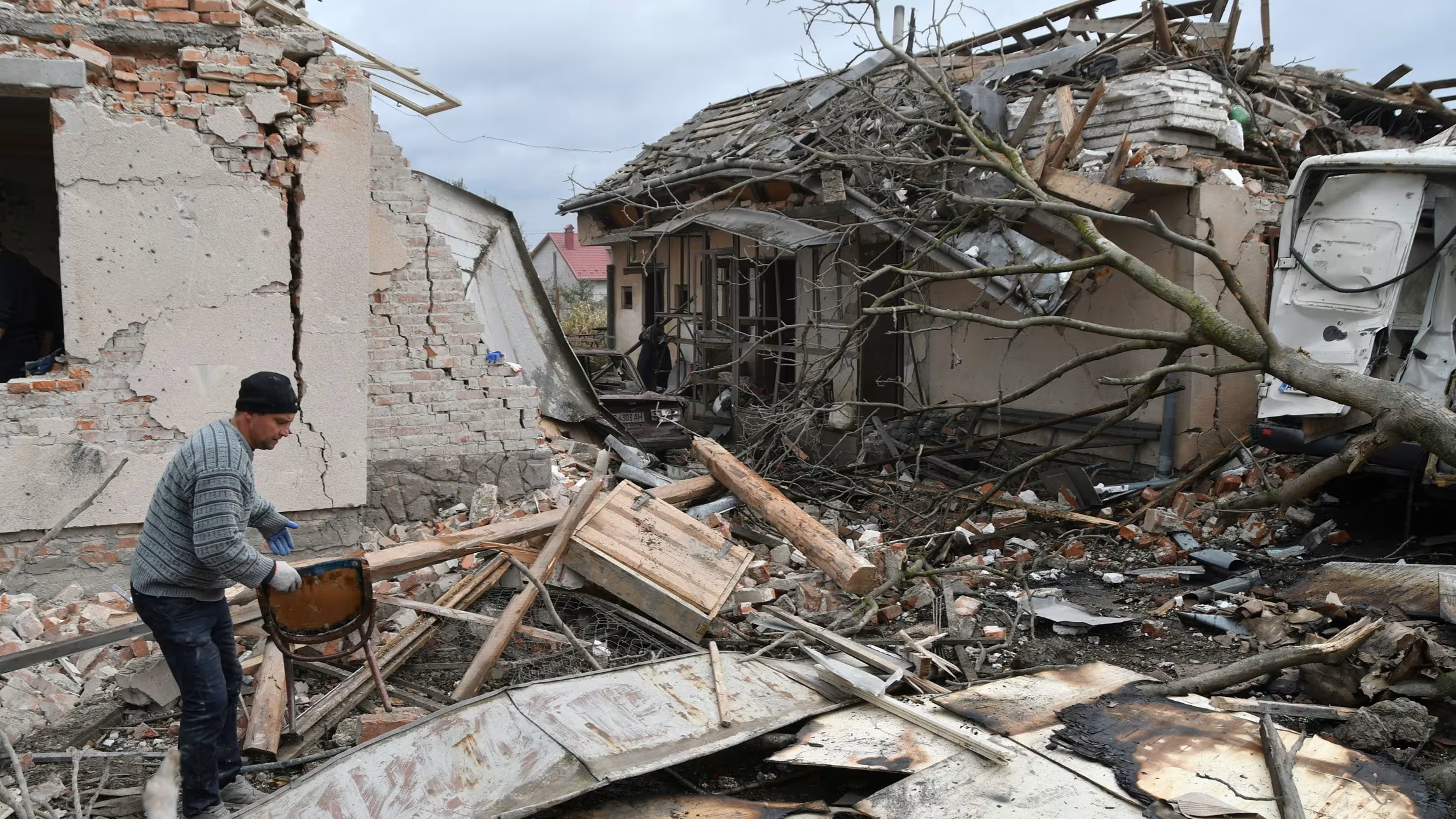
Prime Minister Carney announced an additional $2.5 billion in support for Ukraine, including financial aid and guarantees to aid Ukraine's recovery and peace efforts, reaffirming Canada's strong commitment amidst ongoing conflict with Russia.
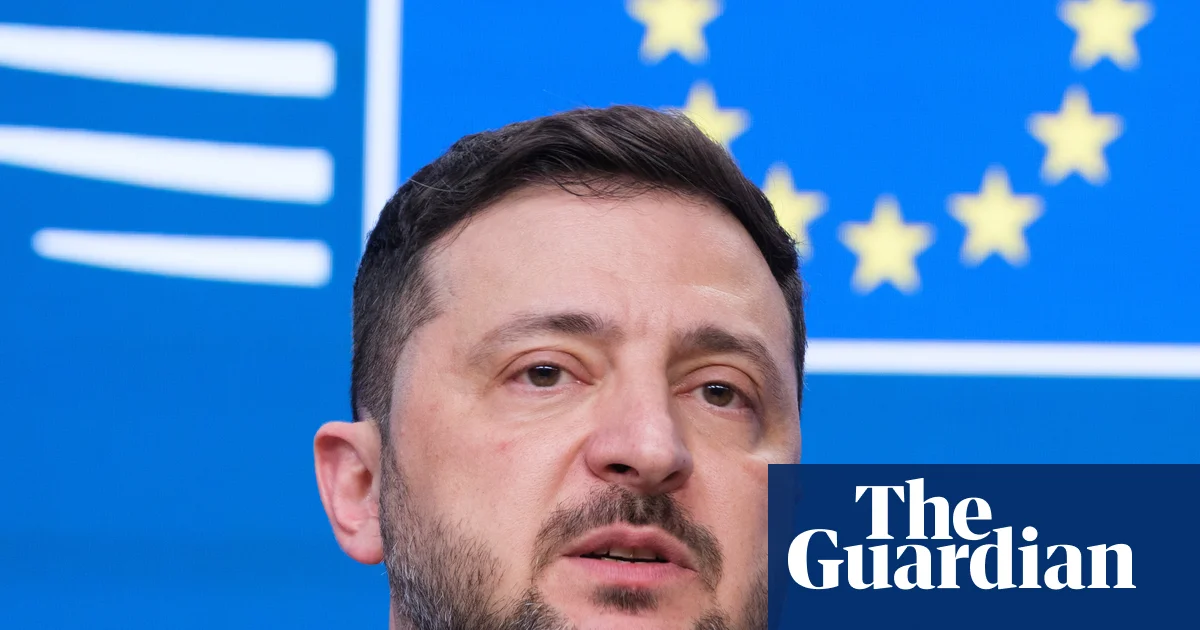
EU leaders agreed on a €90bn loan to Ukraine funded by the EU budget, without using Russia's frozen assets as collateral, amid disagreements over guarantees and reparations, aiming to support Ukraine's urgent financial needs in its conflict with Russia.
The European Union has agreed to provide Ukraine with a €90 billion loan after plans to freeze Russian assets as a source of funding were unsuccessful.
The Federal Student Aid Training Conference will be held in person from March 4-6, 2026, at the Ronald Reagan Building in Washington, D.C., offering updates on policies, keynotes, and networking opportunities for financial aid professionals, with recordings available and future virtual events planned.
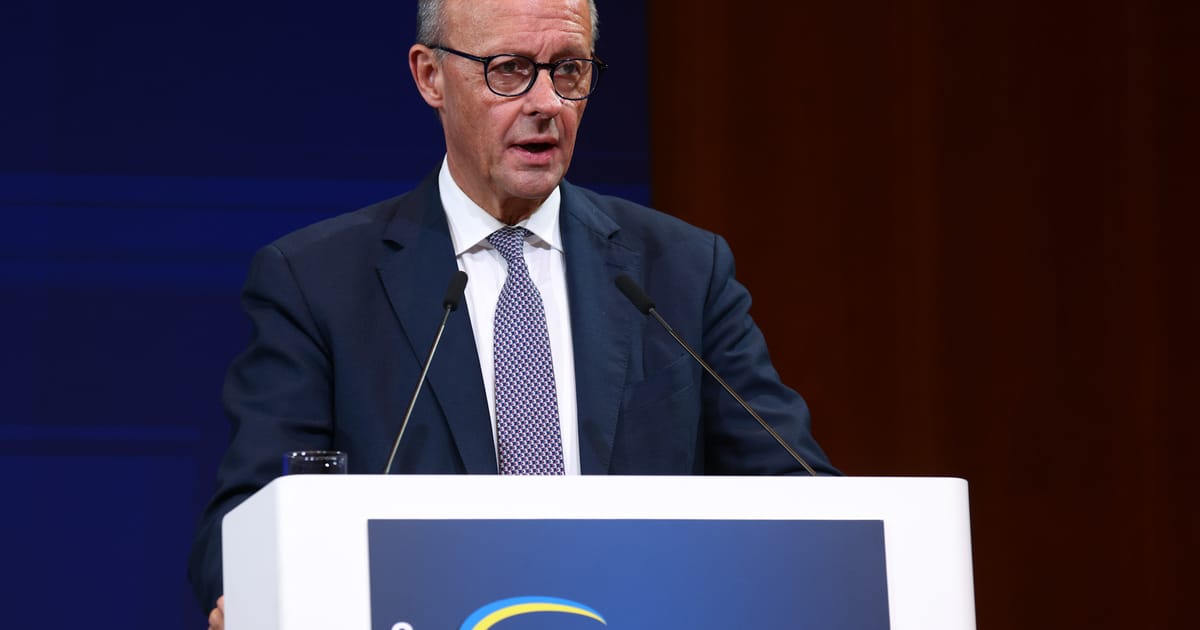
German Chancellor Friedrich Merz warned that the EU would face severe long-term damage if it fails to agree on a multi-billion-euro loan to Ukraine, which involves using frozen Russian assets. The effort faces opposition from some EU countries and external pressures from the US and Russia, complicating the rescue plan amid geopolitical tensions and legal challenges.
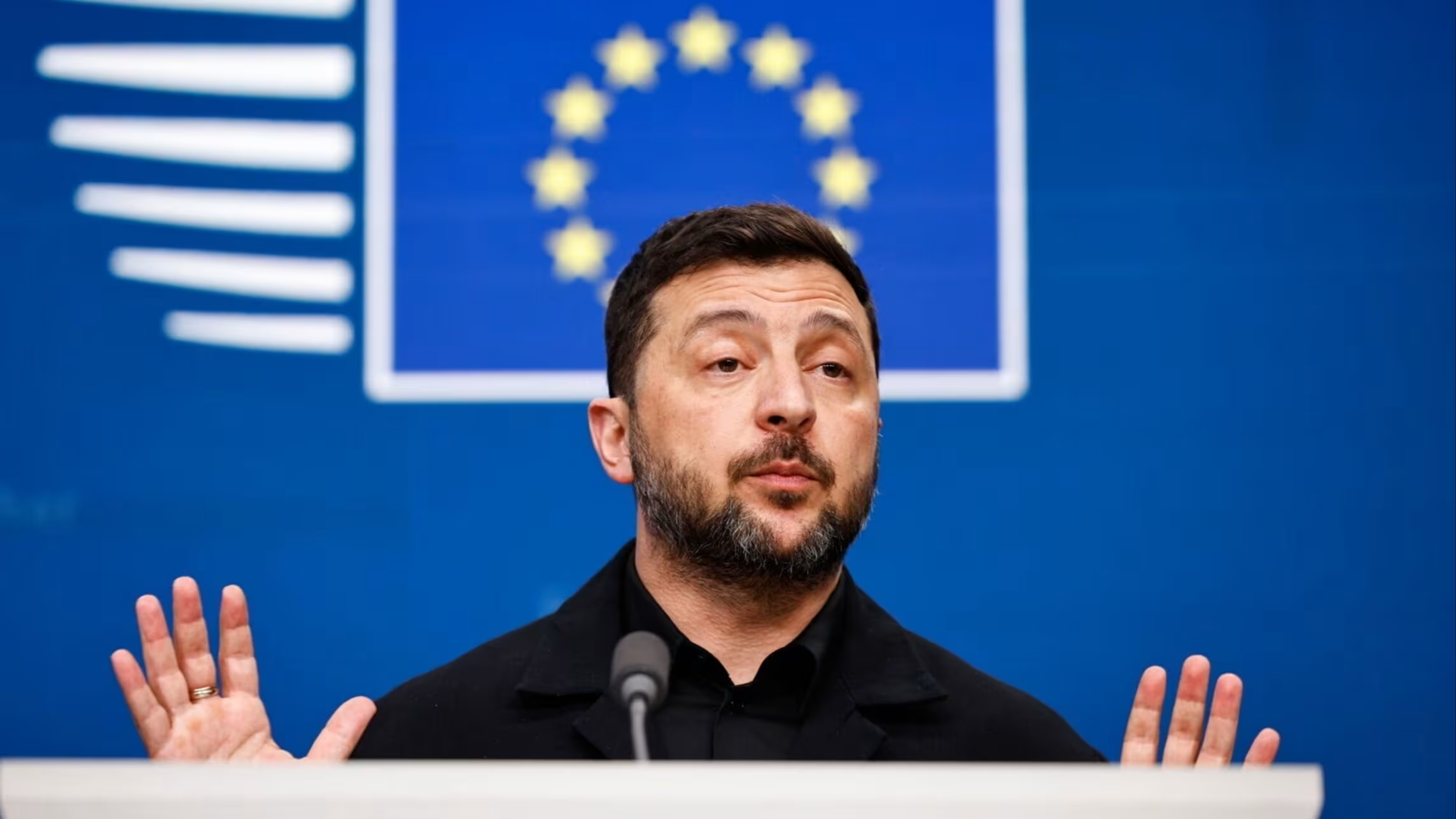
The EU is initiating a critical week with discussions involving Zelenskyy and efforts to secure a €210 billion loan, while also addressing internal challenges such as electricity grid reform, energy security, and geopolitical issues related to Russian assets and Ukraine.
A startup executive, Olivier Amar, was sentenced to over five years in prison for fraud related to a $175 million acquisition by JPMorgan Chase, involving false claims of customer numbers to influence the deal, with additional restitution ordered.
A UN report reveals that financial aid from wealthy nations to help poorer countries adapt to climate change is declining, with 2023 aid dropping 7% and unlikely to meet the $40 billion annual pledge by 2025, highlighting a setback in global climate efforts.
EU leaders have delayed a €140 billion loan to Ukraine, which is contingent on the use of frozen Russian assets, highlighting ongoing geopolitical tensions and financial negotiations.
Bessent has signed an economic stabilization deal with Argentina, including a $20 billion swap agreement and plans for an additional $20 billion in private or sovereign wealth fund financing, aimed at fostering economic freedom and stability in Argentina, despite political criticism and concerns over collateral and guarantees.
The Trump administration plans to double its financial support to Argentina through private-sector financing, aiming to increase US influence in the region and support the country's economic stability.
The article discusses how private colleges increasingly use behind-the-scenes discounting and financial aid to offset high sticker prices, with about two-thirds of students receiving aid, making college more affordable despite high published tuition. It highlights the complexity and lack of transparency in aid calculations, the importance of price in college decisions, and the overall value of a college degree despite rising costs.
Ukraine is requesting more flexibility in how it spends a €140 billion loan from Russia, which is part of a financial aid package. The article also discusses subscription offers for Financial Times journalism, but the main focus is on Ukraine's appeal for flexible use of the loan funds.
The FAFSA for the 2026-27 school year has launched earlier than ever, with new features like faster verification and a new aid calculation formula using the Student Aid Index, aiming to streamline the application process and improve access to federal financial aid.