During the winter, hot, dry indoor environments from constant heating can exacerbate or cause symptoms like headaches, fatigue, and coughing due to decreased air circulation, increased exposure to indoor pollutants, and dehydration. Dry air can pull moisture from the body, leading to dry skin and mucus membranes, making individuals more susceptible to illness. To combat these effects, it's recommended to drink more water, use a humidifier, maintain heating equipment, and improve indoor air quality with filters and purifiers.
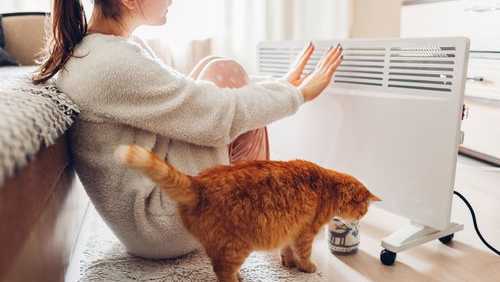
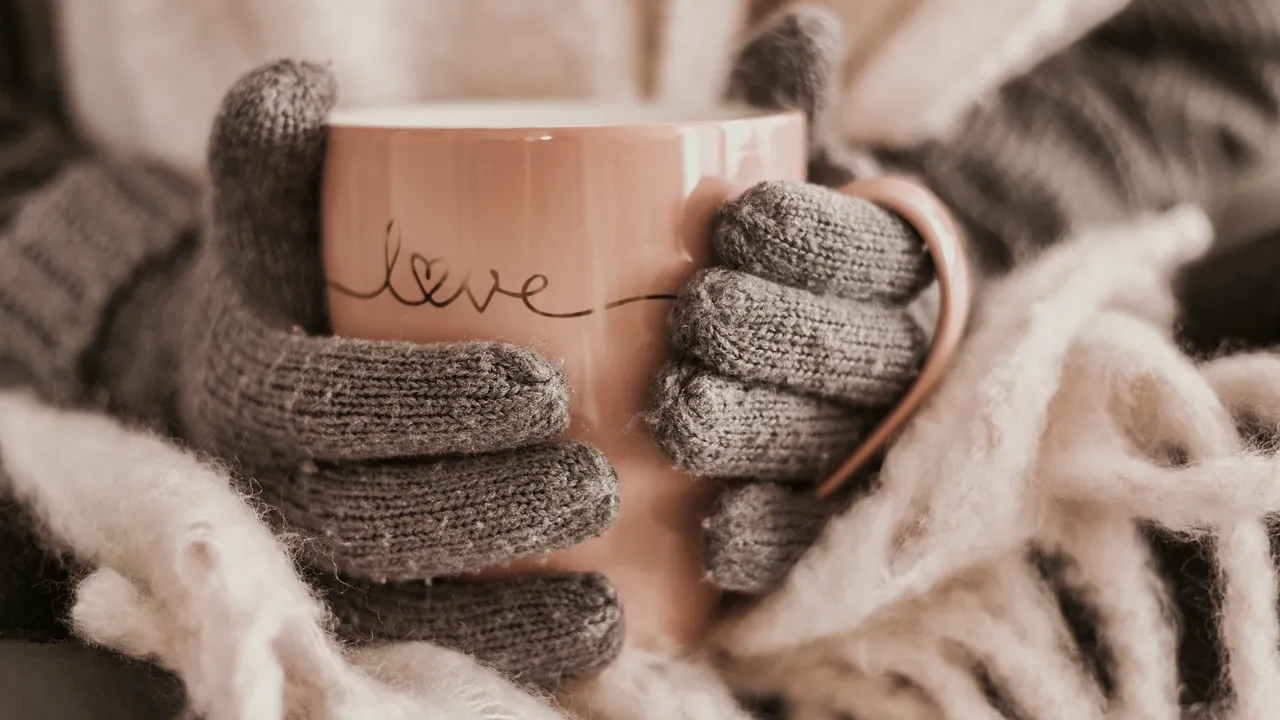
Staying warm during winter without breaking the bank is crucial for health, especially for those with arthritis, diabetes, and heart disease. Tips include using hand warmers, staying active, layering clothing, sealing windows and doors, and optimizing home appliances. Enjoying warm beverages and foods, using fireplaces, and avoiding candles are also recommended to stay warm and safe during the cold weather.
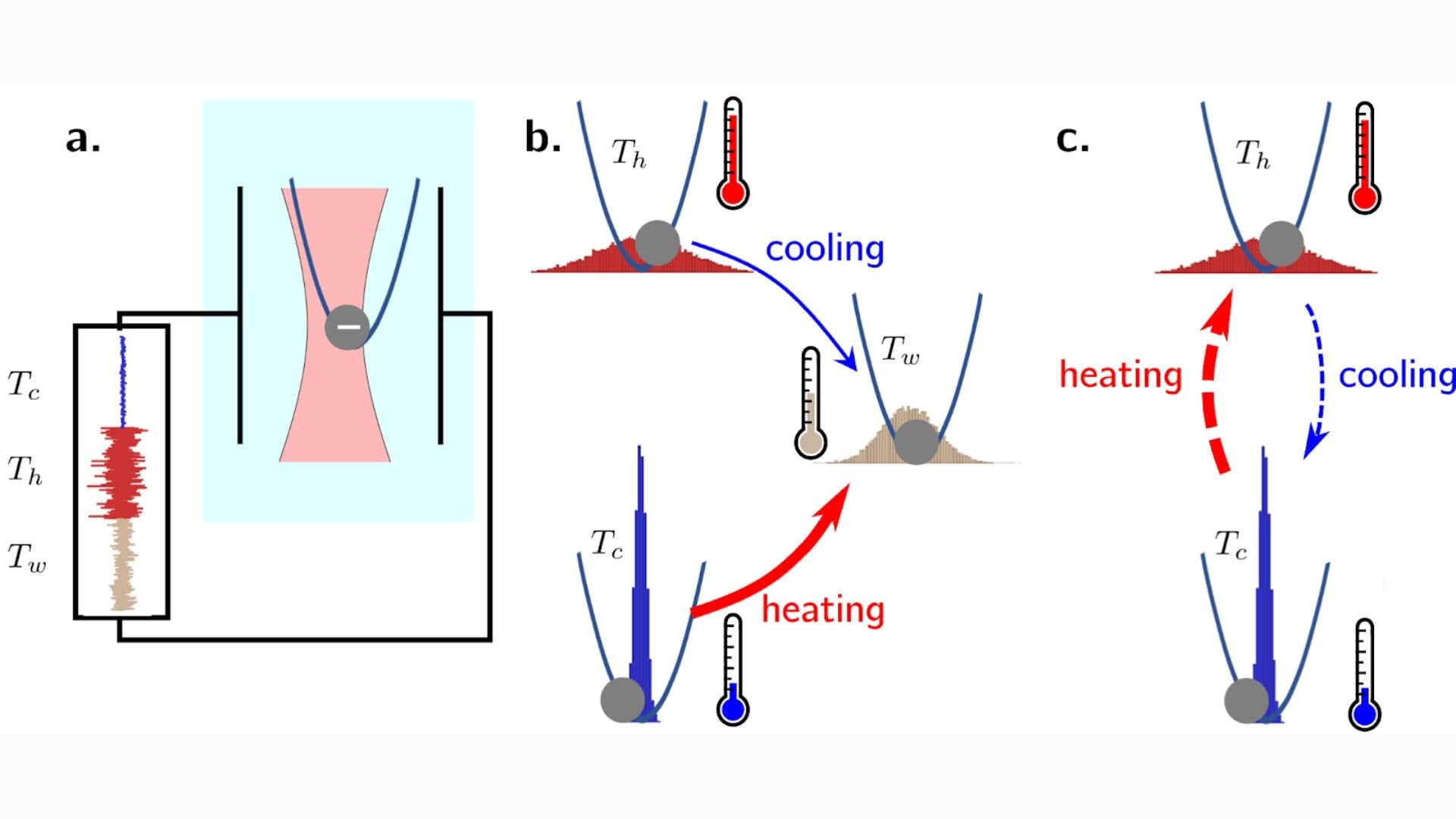
Scientists from Spain and Germany have discovered a fundamental asymmetry showing that heating is consistently faster than cooling, challenging conventional expectations in thermodynamics. They introduced the concept of "thermal kinematics" to explain this phenomenon, which involves the exchange and redistribution of energy among individual particles within a system. The researchers used optical tweezers to observe and quantify the dynamics of microscopic systems undergoing thermal relaxation, and their findings could have implications for the development of new general theories for the dynamics of Brownian systems driven far from equilibrium.
As the winter season approaches, there are various ways to stay warm and save money, from using space heaters and cozy indoor gear to investing in smart thermostats and plugs. Additionally, selecting the right winter gloves and utilizing Wi-Fi thermostats can help keep you warm while reducing heating costs. These tips can provide both warmth and potential monetary savings during the colder months.
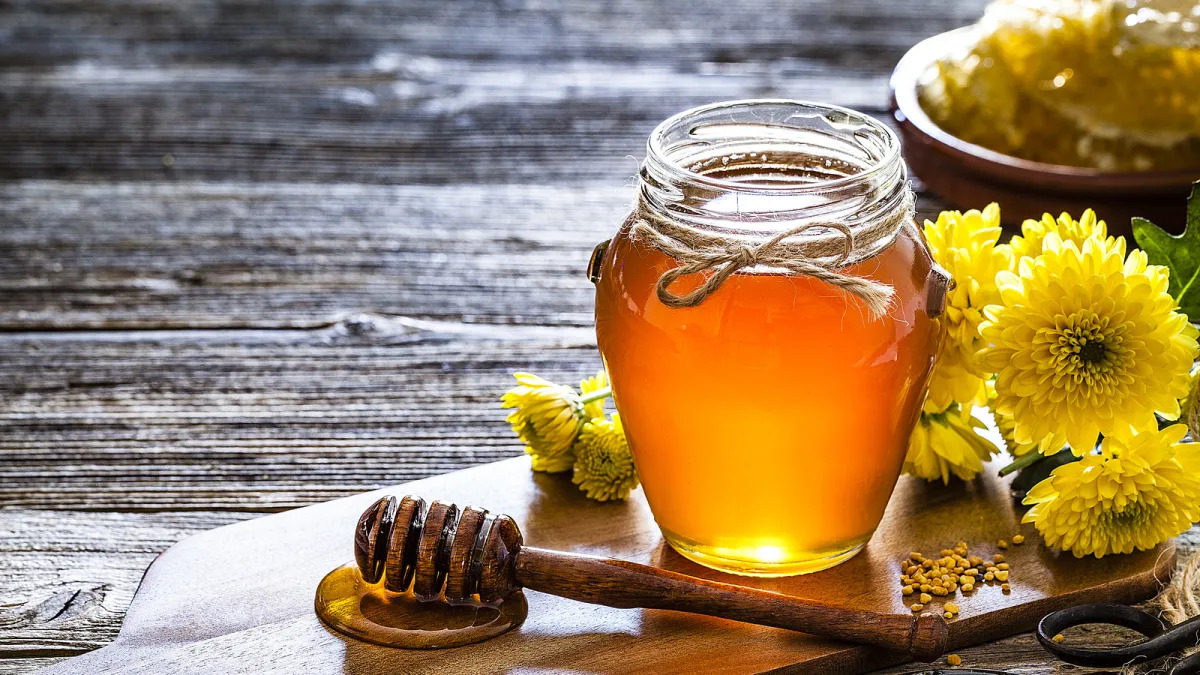
Heating honey above 95 degrees Fahrenheit can degrade its nutritional content, as high heat breaks down enzymes and beneficial components. Raw honey, which is not pasteurized, retains its antioxidants, amino acids, and other nutrients. Pasteurized honey found in grocery stores may not offer the same health benefits. It is recommended to heat raw honey only up to 95 degrees Fahrenheit and use pasteurized versions for cooking.
The ideal time to turn on the heat in the fall depends on factors such as the location and insulation of your house, as well as your local climate. However, it is recommended to keep the indoor temperature above 64 degrees Fahrenheit for the health of individuals with respiratory or cardiovascular conditions, as lower temperatures may cause issues. For healthy individuals under 65, lower temperatures are generally not a health risk as long as they are active and can use clothing or heating devices to stay warm. If you have a programmable thermostat, Energy Star suggests setting it to turn on the heat when the temperature drops to 70 degrees in the morning or evening, with an eight-degree setback during the day and at night for energy efficiency.
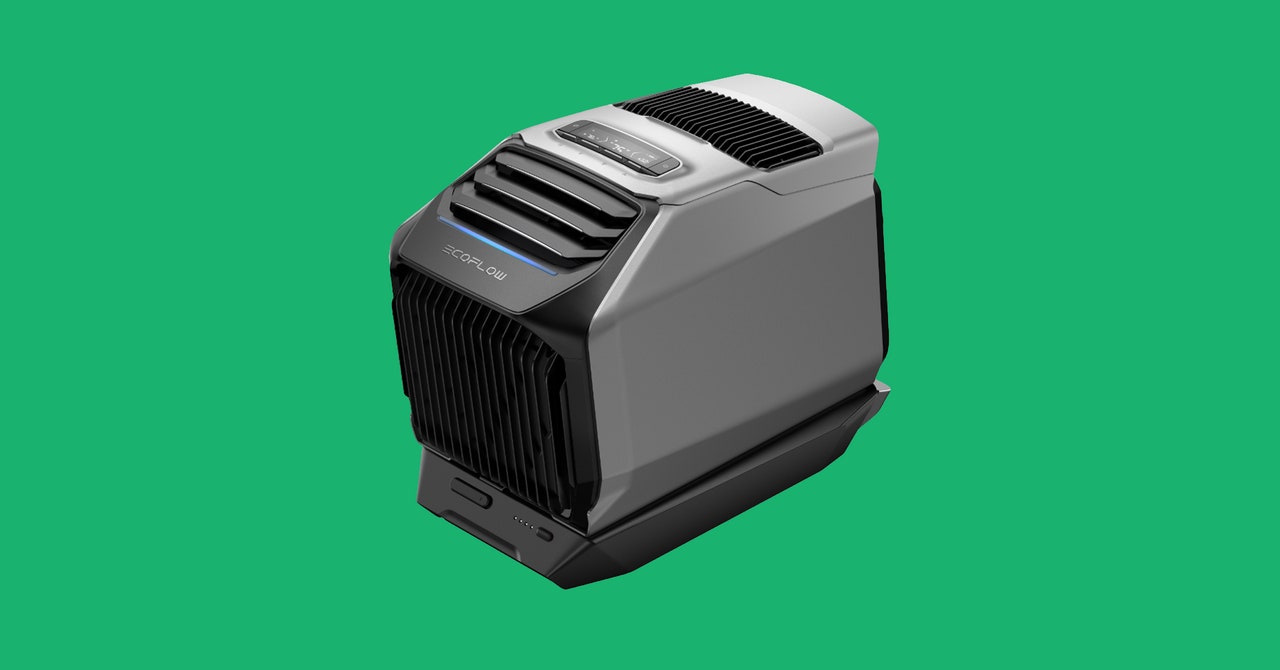
EcoFlow's Wave 2 portable AC offers cooling and heating capabilities, with a battery option for off-grid use. The battery stores 1,159 watt-hours, providing up to three hours of max output, eight hours in Eco mode, and can also act as a portable charger. The AC unit uses a natural propane refrigerant with low environmental impact. It can be powered by solar panels, but requires at least 400 watts for optimal performance.
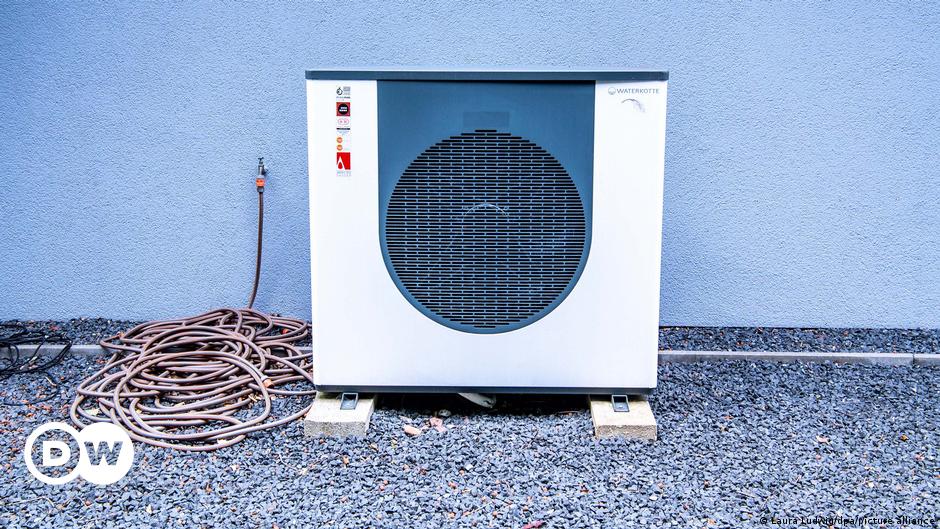
The German government plans to make the building sector climate neutral by 2045, with a ban on new oil and gas heating systems from 2024. From next year, all new heating systems must be powered by at least 65% renewable energies. However, the announcement has caused many homeowners to try to install the cheaper gas and oil heating systems before the end of the year. The engineer believes the German government's plan to install 500,000 heat pumps annually from 2024 is unrealistic because of the lack of specialist companies and skilled workers in Germany.