A vascular surgeon warns that common foods like processed meats, fried street foods, refined carbs, sugary drinks, high-salt items, and ultra-processed foods can silently increase the risk of heart attacks by raising blood pressure, blood sugar, and inflammation, emphasizing the importance of mindful eating for heart health.
Sleeping with ambient light in your bedroom is linked to a 42% higher risk of heart attack over nine years, as light at night disrupts circadian rhythms and elevates cardiovascular risks. Managing bedroom lighting by using blackout curtains and turning off devices may help protect heart health.
A coronary artery calcium scan is a valuable tool for assessing individual heart attack risk, especially for those with borderline or intermediate risk factors, helping guide decisions on statin therapy and potentially reducing heart disease incidence, though it is underused due to cost and lack of widespread insurance coverage.
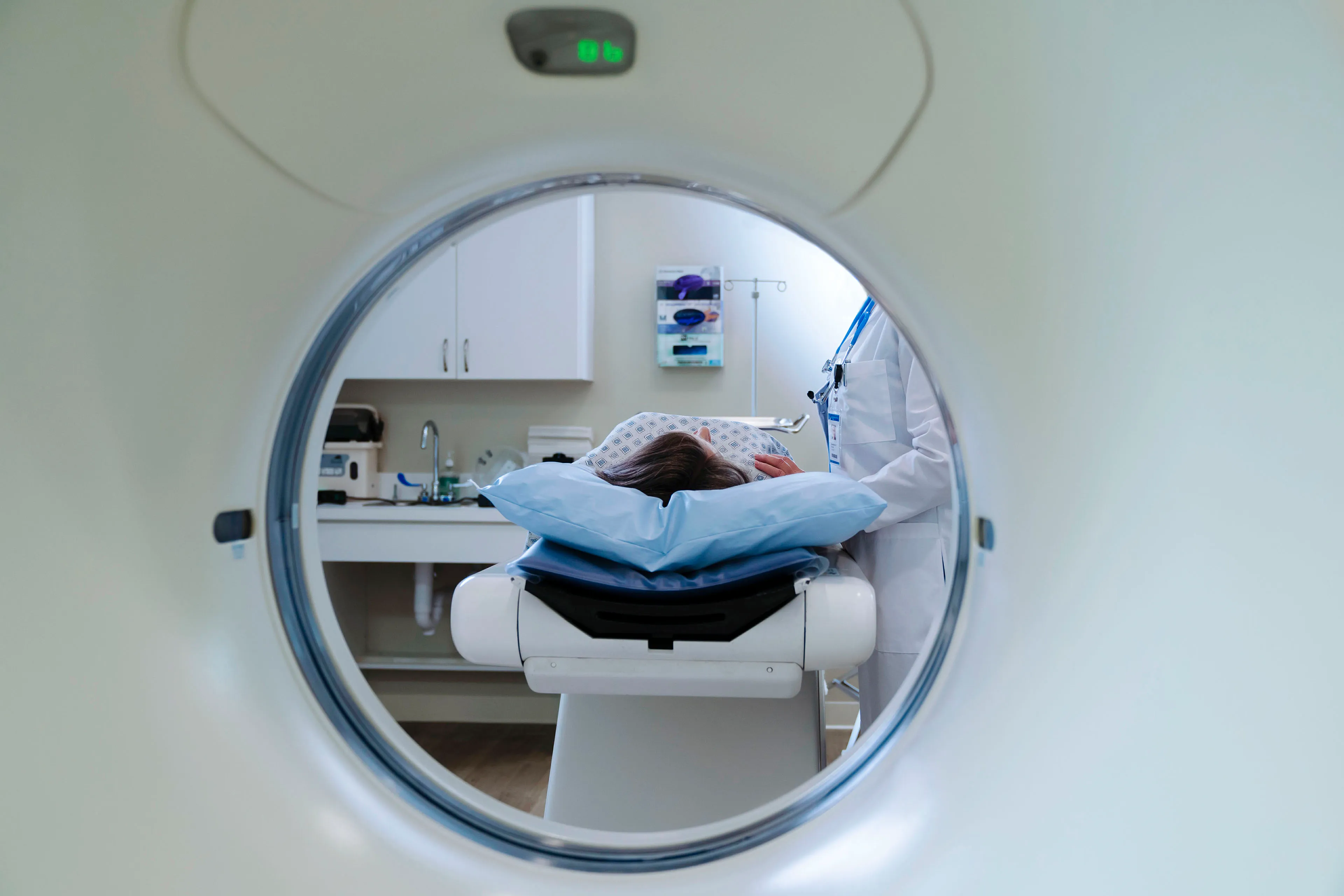
A quick, painless CT scan called the Coronary Artery Calcium (CAC) test can more accurately predict heart attack risk by detecting calcium buildup in arteries, offering a valuable tool for early detection and prevention beyond traditional cholesterol tests.
A study shows that replacing 30 minutes of sedentary time with either light or moderate-vigorous physical activity or sleep can significantly reduce the risk of cardiac events and death, highlighting the importance of movement and rest for heart health, especially after hospital visits for chest pain.
Cardiologists emphasize that the majority of heart attacks are preventable by understanding and avoiding risk factors. Factors such as age, gender, family history, medical conditions, and lifestyle habits contribute to heart attack risk. The most crucial habit to avoid is smoking or vaping, as it significantly increases the risk of cardiovascular disease. Additionally, maintaining a healthy diet, managing stress, and regular exercise are essential for lowering the risk of heart attack and promoting overall heart health.
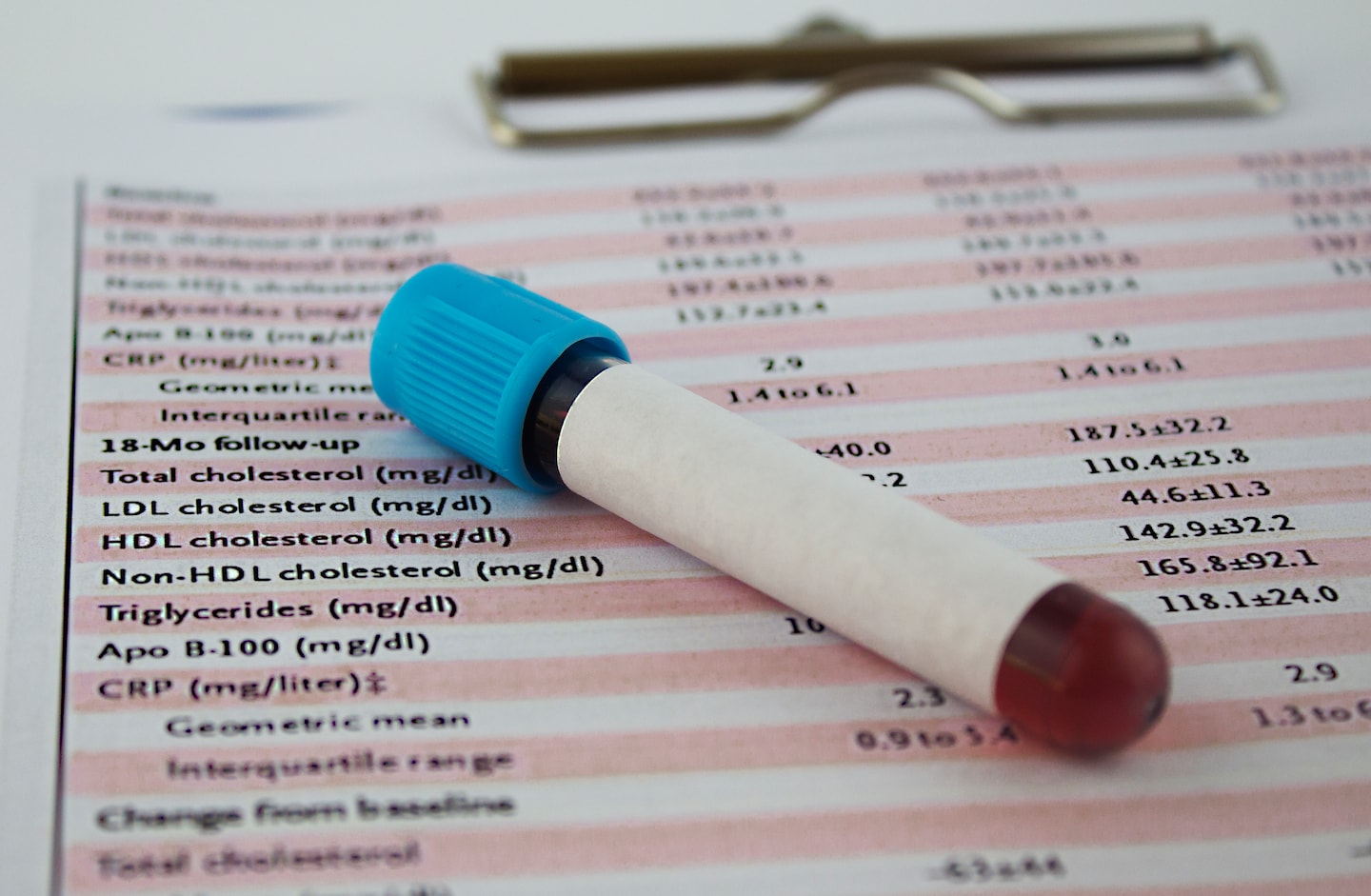
A growing number of physicians and researchers are advocating for a shift from the traditional emphasis on "good" or "bad" cholesterol to a more accurate marker of heart attack risk: apolipoprotein B (apoB). Research shows that measuring the number of apoB particles in the blood predicts cardiovascular risk far more accurately than the standard good-cholesterol/bad-cholesterol lipid panel. Despite evidence in favor of apoB testing, current cholesterol guidelines in the U.S. do not recommend it for all patients, leading to a lack of awareness among both patients and doctors. Proponents argue that apoB testing offers more specificity than traditional cholesterol markers and can help identify individuals at greater risk for heart disease, especially in younger populations.
Lipoprotein(a) (Lp(a)), a protein that can significantly increase the risk of heart attack when present in high levels in the blood, is often overlooked as a red flag for heart disease. Lp(a) causes atherosclerosis, inflammation, and increases the risk of clotting, making it a triple threat. Despite its prevalence and impact on cardiovascular health, only a small percentage of Americans have had their Lp(a) levels checked. While there is currently no therapeutic available to reduce Lp(a) levels, it is still important to test for it as it can help identify individuals at higher risk and allow for the mitigation of other cardiovascular risk factors. Researchers are actively studying Lp(a) and developing potential therapeutics to reduce its risk in the future.
Lipoprotein(a) or Lp(a) is a protein that significantly increases the risk of heart attack when present in high levels in the blood. Lp(a) causes atherosclerosis, inflammation, and increases the risk of clotting, making it a triple threat for heart disease. Approximately 20% of the population, particularly Black and South Asian Americans, are at risk due to Lp(a), yet fewer than 1% of Americans have had their levels checked. While there is currently no therapeutic available to directly reduce Lp(a), it is important to reduce other cardiovascular risk factors. Testing Lp(a) levels can help individuals mitigate overall risk and make informed decisions about their health. Researchers are working on developing drugs to treat high Lp(a) levels, and lipoprotein apheresis is available for a small number of high-risk patients.
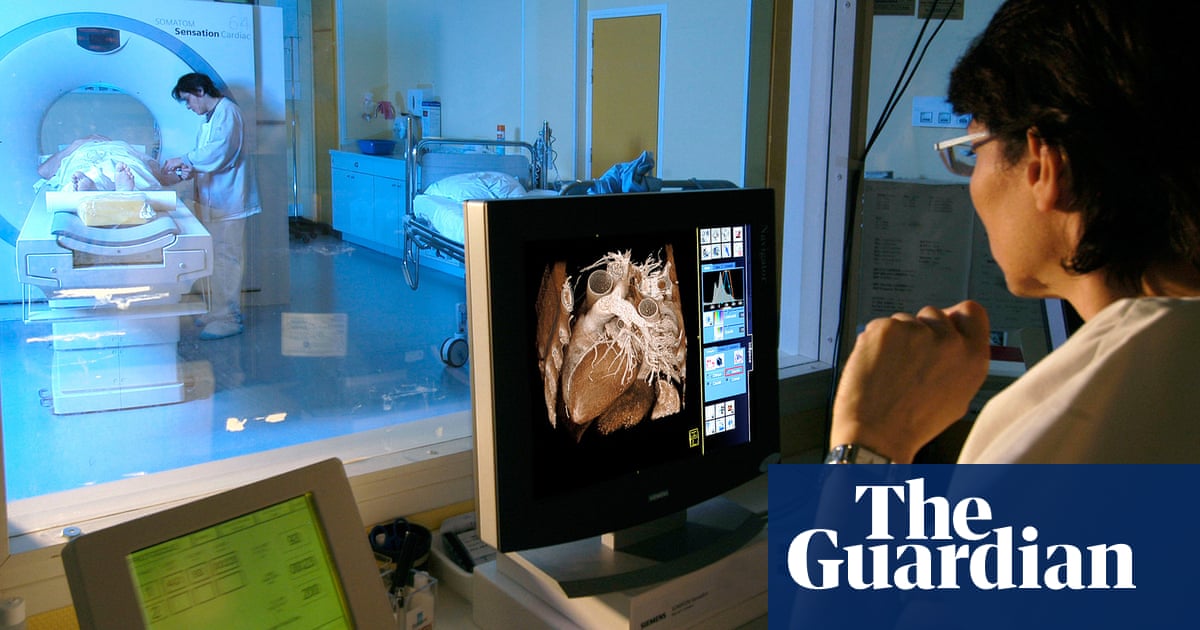
A study conducted by the University of Oxford has found that artificial intelligence (AI) can predict a person's risk of having a heart attack up to 10 years in advance. By improving the accuracy of cardiac CT scans, AI technology could potentially save lives and enhance treatment for nearly half of all patients. The study, funded by the British Heart Foundation, analyzed data from over 40,000 patients and found that AI-generated risk scores accurately predicted the likelihood of a heart attack. The implementation of this AI tool across the NHS could help prevent thousands of avoidable deaths from heart attacks each year in the UK.
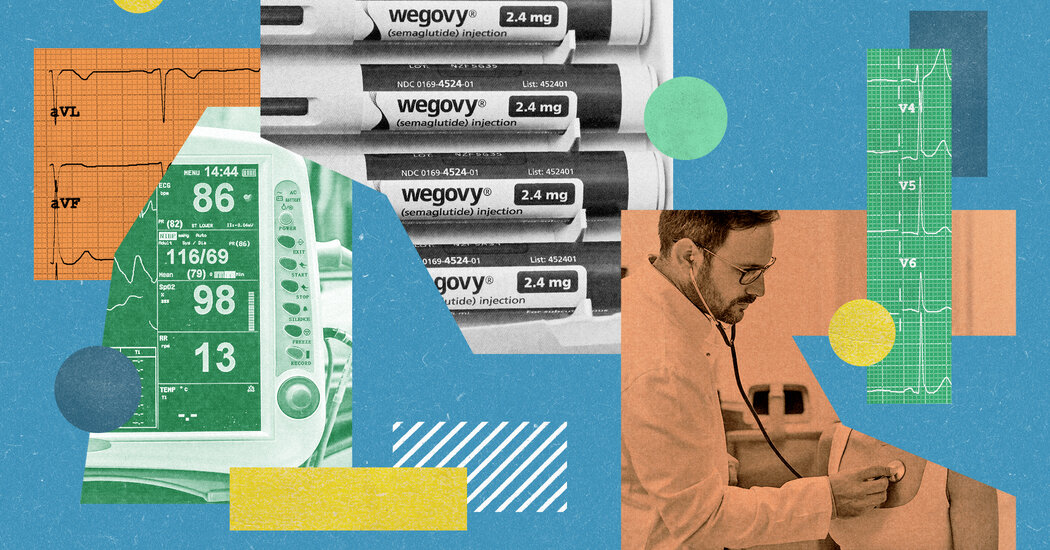
A new study presented at the American Heart Association meeting suggests that the weight loss drug Wegovy can reduce the risk of heart attack, stroke, or death from cardiovascular issues by 20% among overweight or obese people with heart disease. The study, which followed over 17,000 adults for up to five years, is the longest and largest trial of semaglutide, the compound in Wegovy. The drug's potential to not only treat obesity and diabetes but also lower the risk of other serious diseases linked to obesity could drive demand and pressure insurance companies to cover it more broadly. However, questions remain about how the drug helps the heart and its effectiveness in real-world settings with a more diverse patient population.
The coronary calcium score, obtained through a quick CAT scan, can provide valuable information about an individual's risk of having a heart attack. The score measures the presence of calcium in the coronary arteries, indicating the presence of coronary artery disease. Even a low score can indicate the presence of the disease, making it a reliable predictor of cardiac events. The test can help determine the need for lifestyle changes and medical interventions, and may influence decisions regarding statin therapy. While it is not necessary to repeat the test annually, individuals with a score of zero are advised to consider repeating it in five years.
A new study has found that the risk of heart attacks increases significantly on extremely hot and polluted days. The research suggests that the combination of high temperatures and air pollution can have a detrimental effect on cardiovascular health, leading to a higher risk of heart attacks. These findings highlight the urgent need to address climate change and reduce air pollution to protect public health.