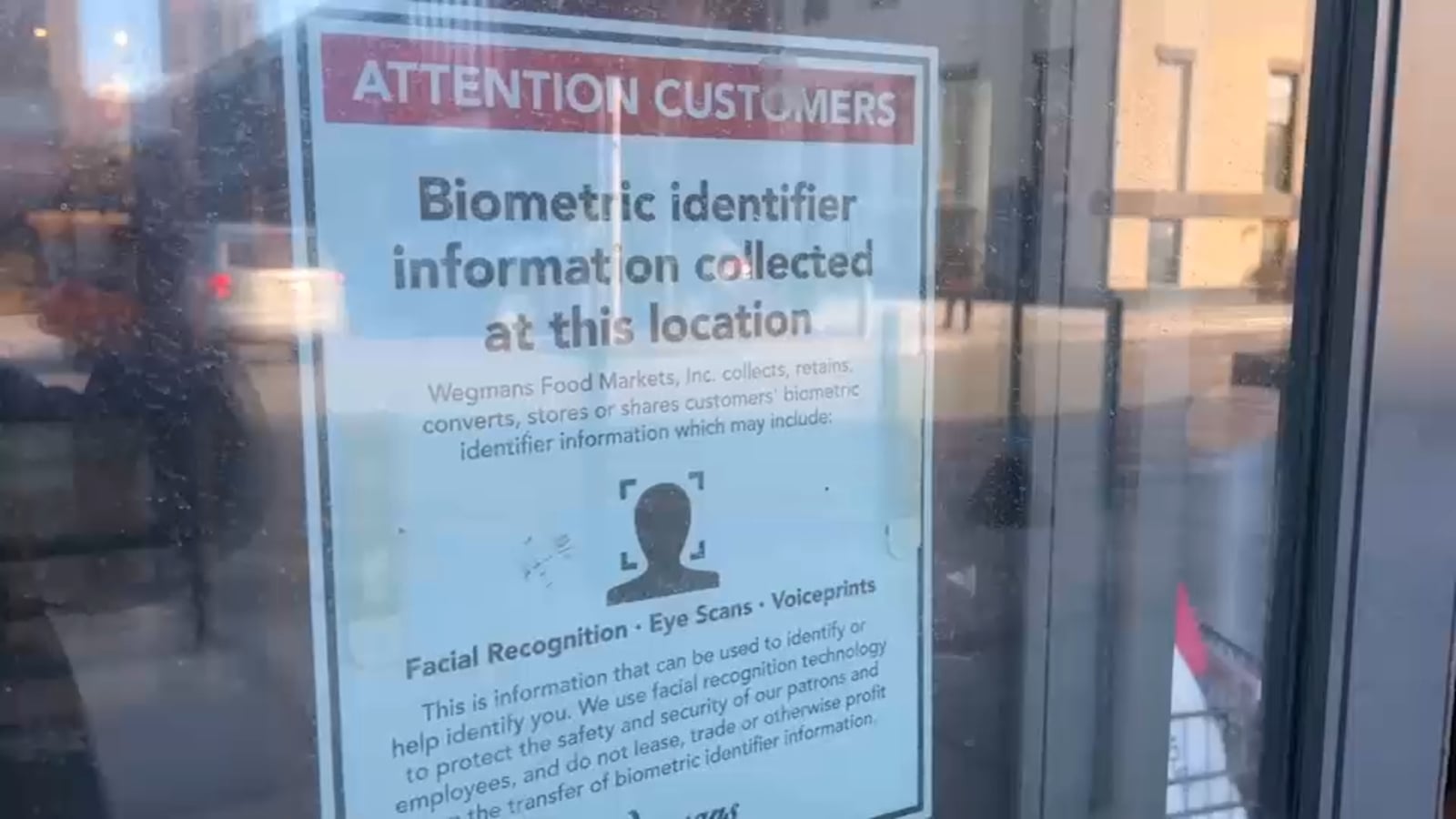
Signs at Wegmans stores in NYC indicate that biometric data such as facial recognition, eye scans, and voiceprints are stored to enhance security, despite initial claims of data deletion during pilot programs, raising privacy concerns amid stalled legislation to restrict biometric storage.
Wegmans in NYC has expanded its biometric data collection to all shoppers, capturing facial, eye, and voice data without clear assurances on data storage or sharing, raising privacy concerns and sparking criticism from privacy advocates and some shoppers.
AI health coaches are emerging as a promising tool to help interpret biometric data and improve personal healthcare, but concerns about privacy, data security, and the current infancy of the technology temper their potential. While they could fill gaps in healthcare access and motivate behavioral change, risks related to mishandling sensitive data and over-reliance on imperfect AI models remain significant. The future of AI health coaching depends on balancing innovation with robust safeguards.
JP Morgan has mandated employees at its new New York headquarters to share biometric data, such as fingerprints or eye scans, for building access, moving from a voluntary to a required process, aiming to enhance security amid increased safety concerns following recent violent incidents involving US corporations.
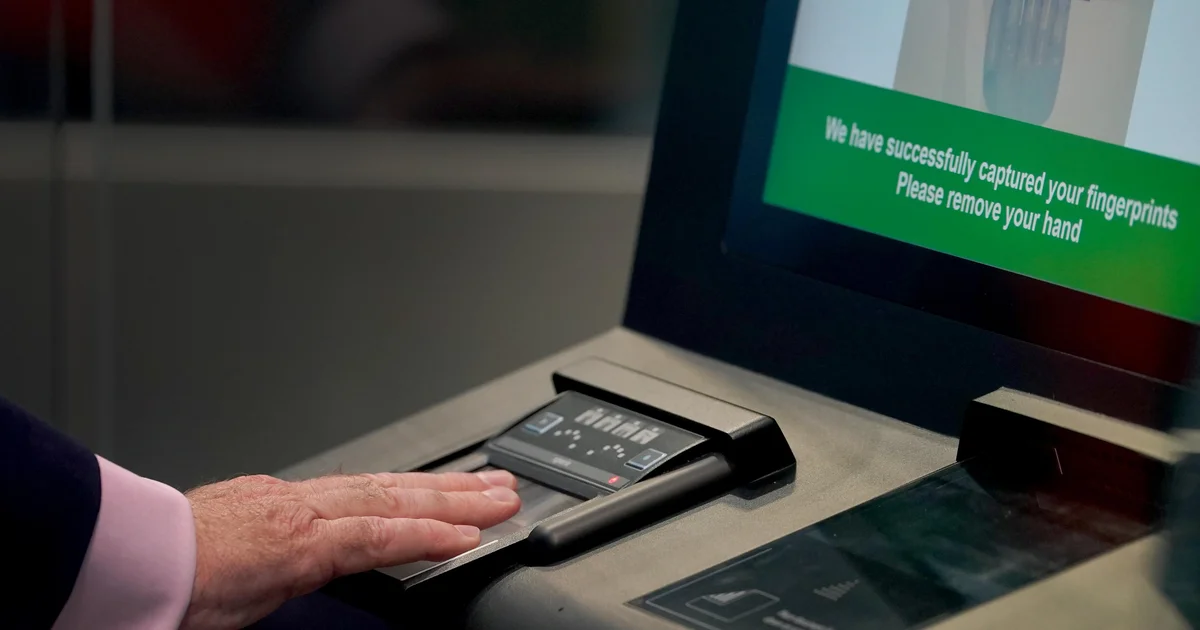
Starting October 12, Spain will implement the EU's new Entry/Exit System (EES), requiring travelers, including Americans, to provide biometric data such as fingerprints and a face scan upon entry, replacing traditional passport stamps. The rollout is part of a broader EU effort to modernize border control, with Spain among the first to adopt the system at key entry points like Madrid Airport, while other countries face delays. The EES aims to streamline entry processes and enhance security, with full implementation expected by April 2026.
Starting October 2025, Americans traveling to most European countries within the Schengen Area will be required to have their fingerprints and photos scanned upon entry and exit as part of a new EU biometric system, replacing passport stamps to enhance security and track border crossings. Refusal to comply will result in denied entry, and the system will store data for several years. The initiative aims to improve border control amid increased migration and security concerns.
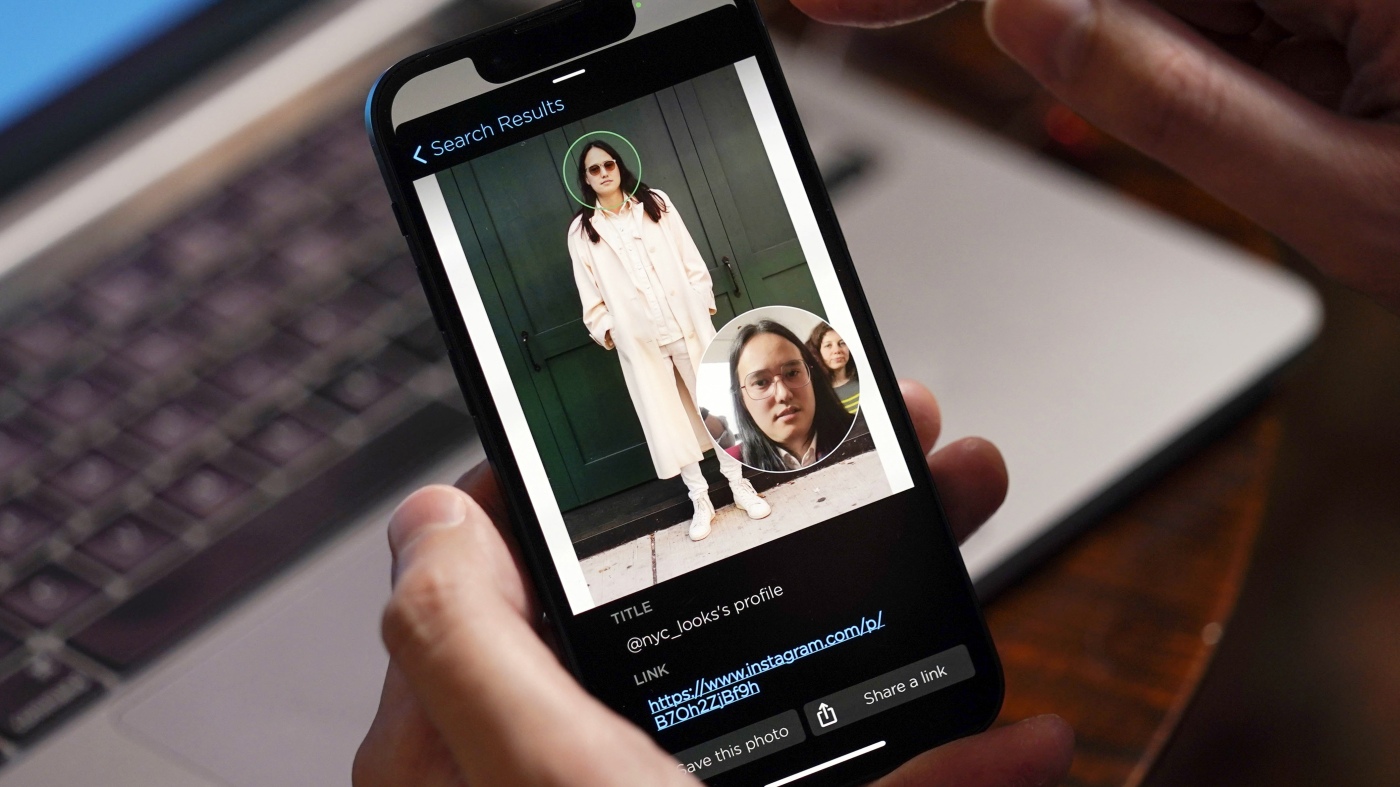
States are increasingly enacting laws to regulate biometric data collection amid a lack of federal regulation, with some cases leading to large settlements with tech companies. However, enforcement is challenging, especially against overseas companies like PimEyes, which operate beyond U.S. jurisdiction. Public concern about privacy and facial recognition technology is growing, but federal legislation remains stalled due to industry lobbying.
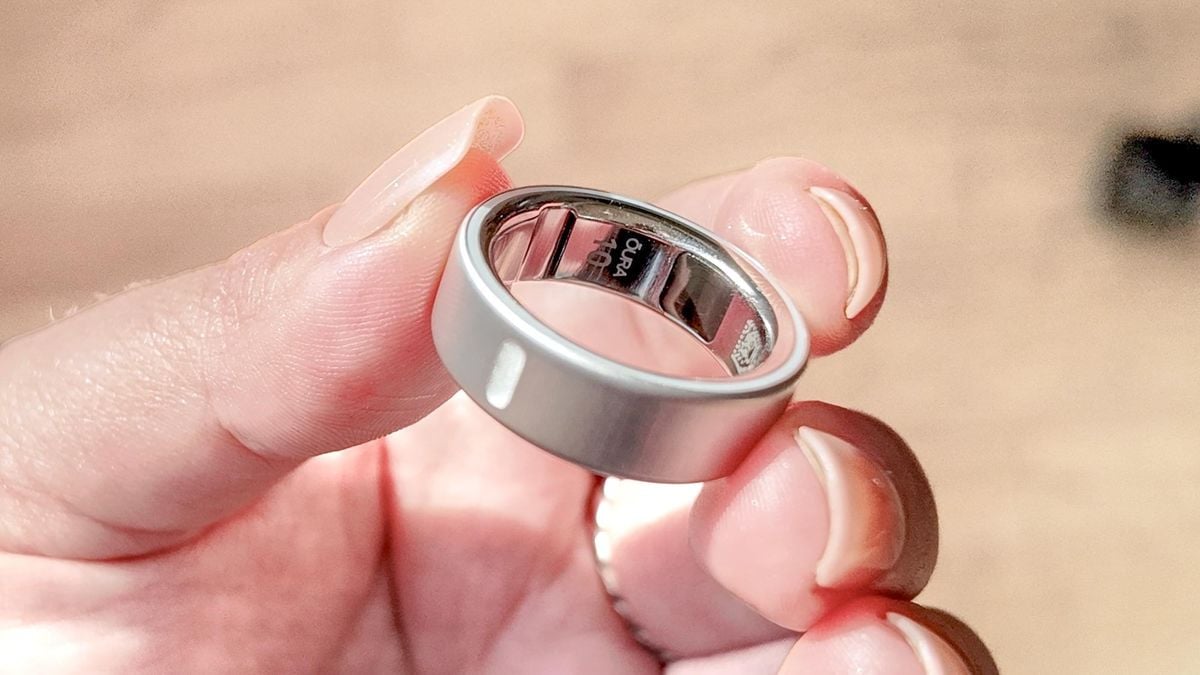
Oura has introduced a new feature called Symptom Radar for its smart rings, which analyzes biometric data to detect early signs of respiratory strain, such as colds and flu. This feature, available to Oura Ring 3 and 4 users, assesses metrics like heart rate variability and temperature against personal baselines to alert users of potential health issues. It encourages users to activate Rest Mode for recovery when deviations are detected. The feature, developed from the TemPredict initiative, highlights Oura's commitment to health monitoring with high accuracy.
A federal judge has allowed a lawsuit against Target to proceed, accusing the retailer of violating Illinois' Biometric Information Privacy Act by collecting facial geometry scans without consent. The class-action suit, filed by four Illinois women, claims Target used facial recognition software in its stores without informing customers or obtaining their consent, as required by the law. Target's request to dismiss the lawsuit was denied, with the judge finding the plaintiffs' allegations credible. Target has until December 13 to respond to the complaint.
An Illinois woman has filed a class action lawsuit against Target, alleging that the company collected and stored her biometric data, including face and fingerprint scans, without her consent, in violation of the state's Biometric Information Privacy Act (BIPA). The lawsuit claims that Target's surveillance systems in Illinois stores surreptitiously collect biometric data on customers without their knowledge or consent, and seeks statutory damages for the alleged violations. Similar class action lawsuits have been filed against other companies, including Facebook, Google, Snapchat, and TikTok, for alleged violations of BIPA.
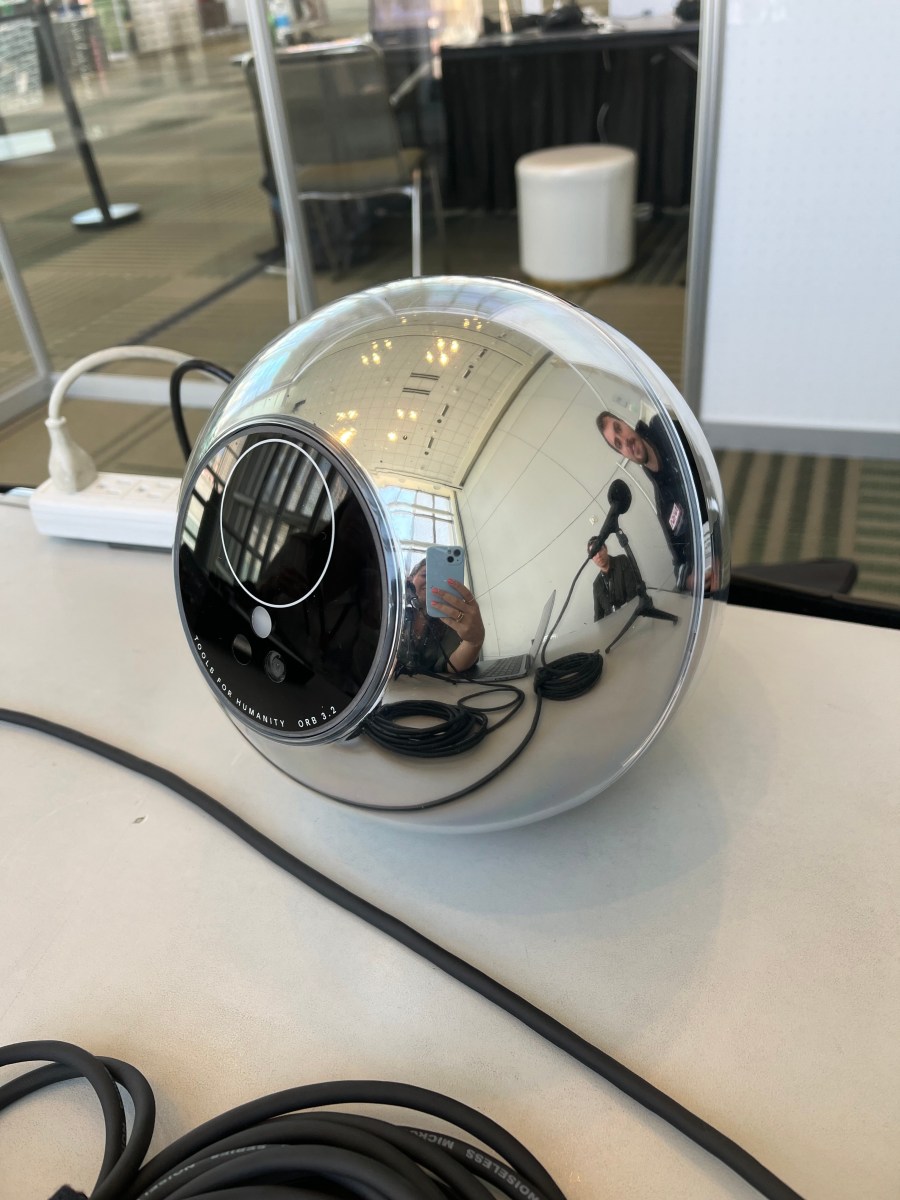
Spain has banned Worldcoin for up to three months due to perceived privacy risks from its iris-scanning technology, which offers a digital ID and free cryptocurrency. The Spanish data protection regulator demanded Worldcoin to cease the collection of personal information and stop using gathered data, citing complaints about insufficient information and data collection from minors. Worldcoin has criticized the ban, while other European authorities are also investigating the project's compliance with GDPR. Worldcoin's ID aims to allow users to prove their humanity online, and the project is backed by prominent venture capital names.
Spain has banned Worldcoin for up to three months due to perceived privacy risks from the venture, which scans irises in exchange for a digital ID and free cryptocurrency. The Spanish data protection regulator demanded Worldcoin immediately cease the collection of personal information and stop using data it has already gathered, citing insufficient information, data collection from minors, and not allowing for the withdrawal of consent. Worldcoin has drawn criticism from privacy campaigners globally over the collection, storage, and use of personal data. The company has rebuked the ban, stating that the regulator is "circumventing EU law" and spreading inaccurate claims about their technology.
Spain's data protection authority has ordered Worldcoin to temporarily stop collecting and processing personal data in the country due to privacy concerns, using powers contained in the GDPR. The controversial blockchain crypto project, which scans eyeballs to create a unique identifier, has faced scrutiny from European privacy regulators and has been the subject of complaints related to data processing transparency, collection of data from minors, and withdrawal of consent. Worldcoin's regional rollout in several European markets, including Spain, has attracted attention from data protection authorities, with Spain taking unilateral action to protect local users. The company's DPO has accused the AEPD of spreading inaccurate claims and circumventing EU law, while the AEPD has ordered the immediate cessation of data processing to protect individuals' rights and freedoms.
Spain's data protection regulator has ordered Sam Altman's cryptocurrency project, Worldcoin, to cease collecting personal information in the country via eyeball-scanning "orbs" and to stop using data it has already gathered. The regulator expressed concerns about the collection of biometric data, particularly from minors, and emphasized the need for compliance with biometric data laws. This move adds to a series of setbacks for Worldcoin, which has faced regulatory scrutiny in various countries and has raised controversy over its methods of identifying real humans in exchange for cryptocurrency tokens.
Apple is introducing a new security feature for iPhones called Stolen Device Protection, which adds an extra layer of protection against thieves. Instead of relying solely on a passcode, users will now be required to enter biometric data (Face ID or Touch ID) to access sensitive information or make changes. For more sensitive actions, users will also have to wait through an hour-long security delay before re-entering biometric data. The feature will be available to all iPhone users in an upcoming software update.