Dr. Bondre explains that CT Angiography is not always necessary for detecting heart blockages, especially in low-risk, asymptomatic patients with normal ECG and stress test results. Standard tests like ECG and stress tests are effective for initial assessment, but have limitations in detecting all artery issues. CT Angio provides detailed images and is useful for intermediate or high-risk patients or when other tests are inconclusive, but it involves radiation, risks from contrast dye, and higher costs. Medical guidelines recommend using CT Angio selectively, emphasizing lifestyle modifications for prevention.
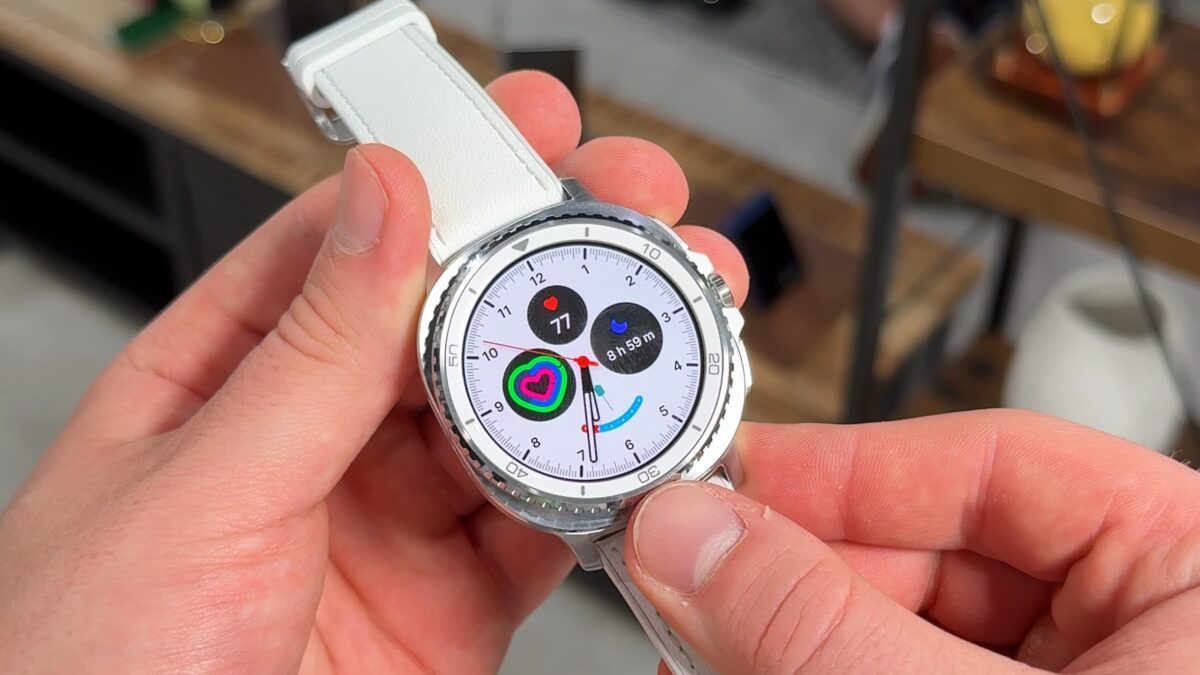
Samsung is developing AI-powered features for its Galaxy Watch to detect signs of heart failure, specifically Left Ventricular Systolic Dysfunction, using advanced ECG analysis in collaboration with Medical AI. The technology, already in use in South Korean hospitals, aims for early detection and improved treatment outcomes, pending regulatory approvals for global release.
Researchers have developed EchoNext, an AI tool that analyzes standard ECGs to detect hidden structural heart diseases more accurately than cardiologists, potentially transforming routine cardiac tests into early screening methods for serious heart conditions.
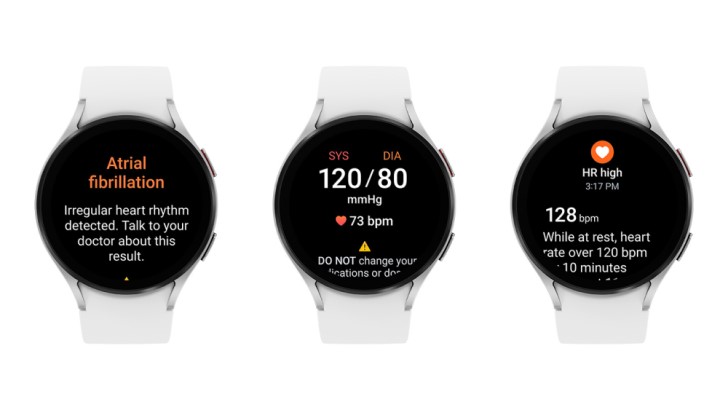
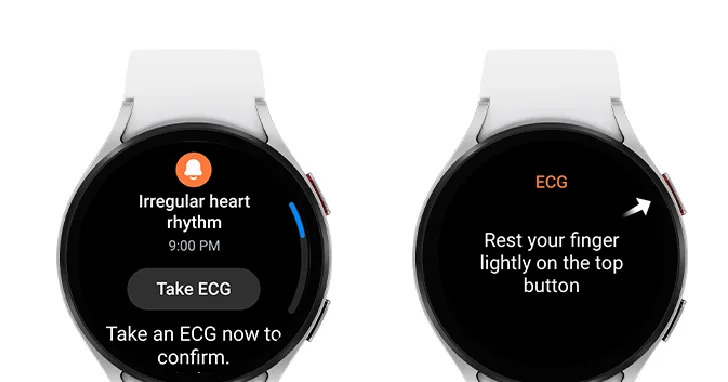
Samsung has announced that its Irregular Heart Rhythm Notification (IHRN) feature will be available in 13 markets starting this summer. The IHRN feature, combined with the app’s Blood Pressure and Electrocardiogram (ECG) monitoring, detects heart rhythms suggestive of atrial fibrillation (AFib), helping Galaxy Watch users understand their heart health more comprehensively. The IHRN feature checks for irregular heart rhythms in the background and warns the user of potential AFib activity.
Samsung's Galaxy Watch will soon be able to alert wearers to irregular heart rhythms, as the US FDA has approved the Health Monitor app's irregular heart rhythm notification feature for the device. The watch's BioActive Sensor will look for irregular heart rhythms in the background, and if it picks up several irregular measurements consecutively, the watch will alert the wearer to possible AFib activity. The notification will suggest that the user takes an ECG reading for a more accurate measurement.
A stress test is a medical test that involves walking on a treadmill or riding a stationary bike while a healthcare provider monitors your heart rhythm, blood pressure, and breathing. It is usually ordered when there is ambiguity around whether or not someone has coronary artery disease. The test can detect abnormalities in blood pressure, heart rate, or ECG, and could point to coronary artery disease. The data gathered from the stress test may help diagnose or monitor heart disease, plan a surgical or exercise intervention, monitor treatment, or order additional testing.
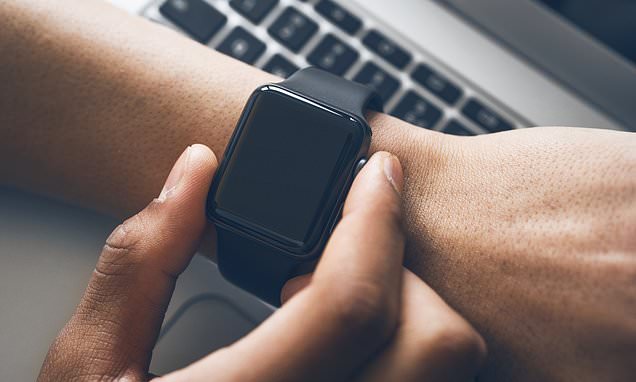
A new study from University College London suggests that a smartwatch’s heart rate tracker could potentially predict when someone has a higher risk of heart failure. The study analyzed data from 83,000 people between the ages of 50 and 70 with no known cardiovascular disease. They had all undergone 15-second electrocardiograms (ECGs), which record the heart’s activity, including the rate, rhythm and strength of the heartbeat. The researchers found that those whose recordings captured an extra heartbeat were twice as likely to develop heart failure or arrhythmia (irregular heart rhythm) in the next decade than those who didn’t have the extra beat.
A study of over 83,000 people suggests that a smartwatch can detect a telltale early warning sign of heart failure. People whose heartbeats are too close together, indicating a different electrical pattern in the lower chambers of the heart, have about twice the risk of heart failure. This abnormality can be picked up using an ECG on a smartwatch, and around one in 50 middle-aged people have irregular heartbeats like these every 15 seconds. Knowing this could allow middle-aged people to ask their GP to monitor their heart more closely. Smartwatches may also flag up someone's risk of an irregular heartbeat, called atrial fibrillation, which can lead to dizziness and shortness of breath.
Researchers have developed a machine learning algorithm that can predict the risk of death within one month, one year, and five years of a patient being admitted to the hospital with an 85% accuracy rate, using ECG data and demographic information. The algorithm sorts patients into five categories from lowest to highest risk. The study is a proof-of-concept for using routinely collected data to improve individual care and allow the health-care system to "learn" as it goes.