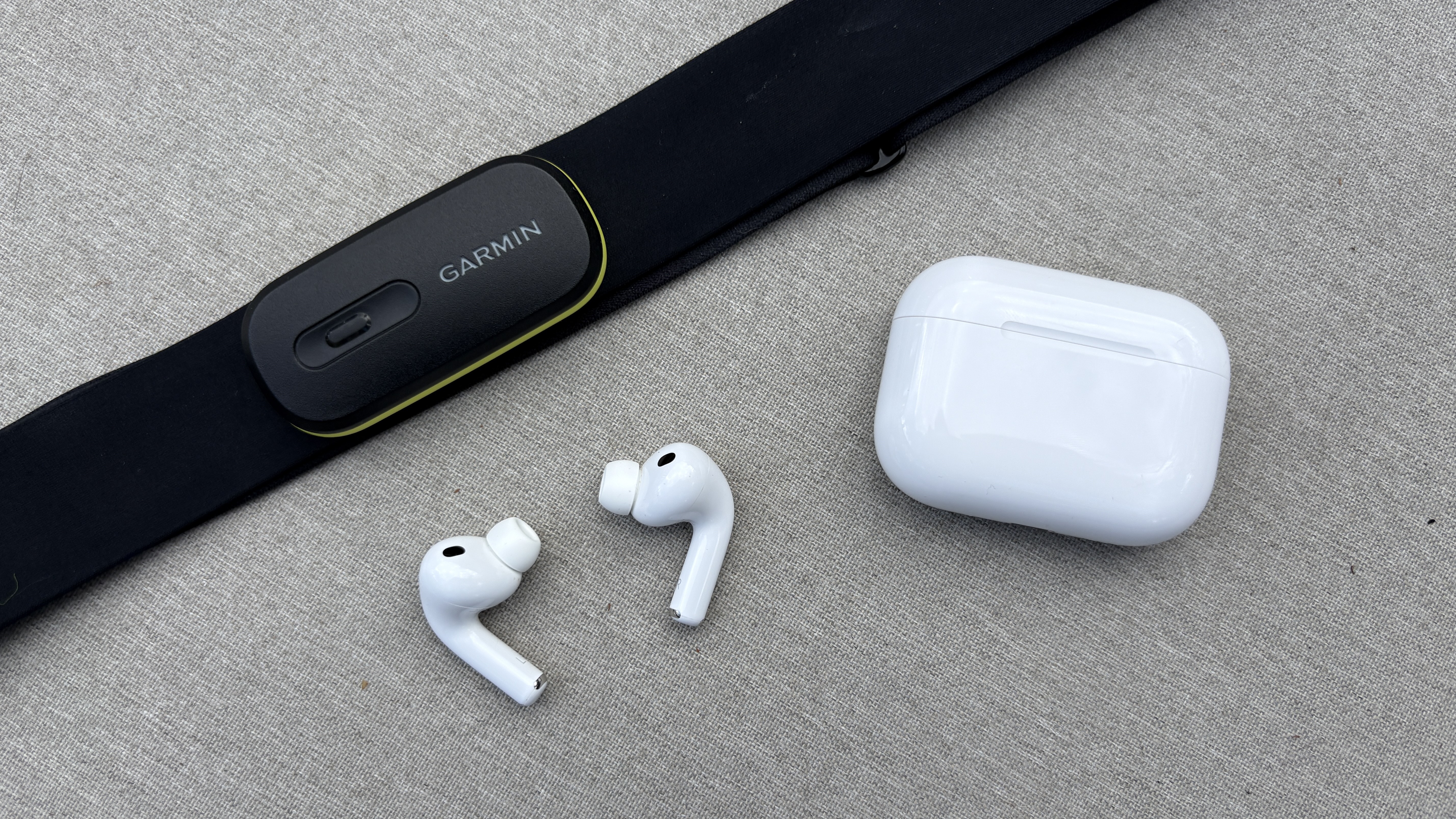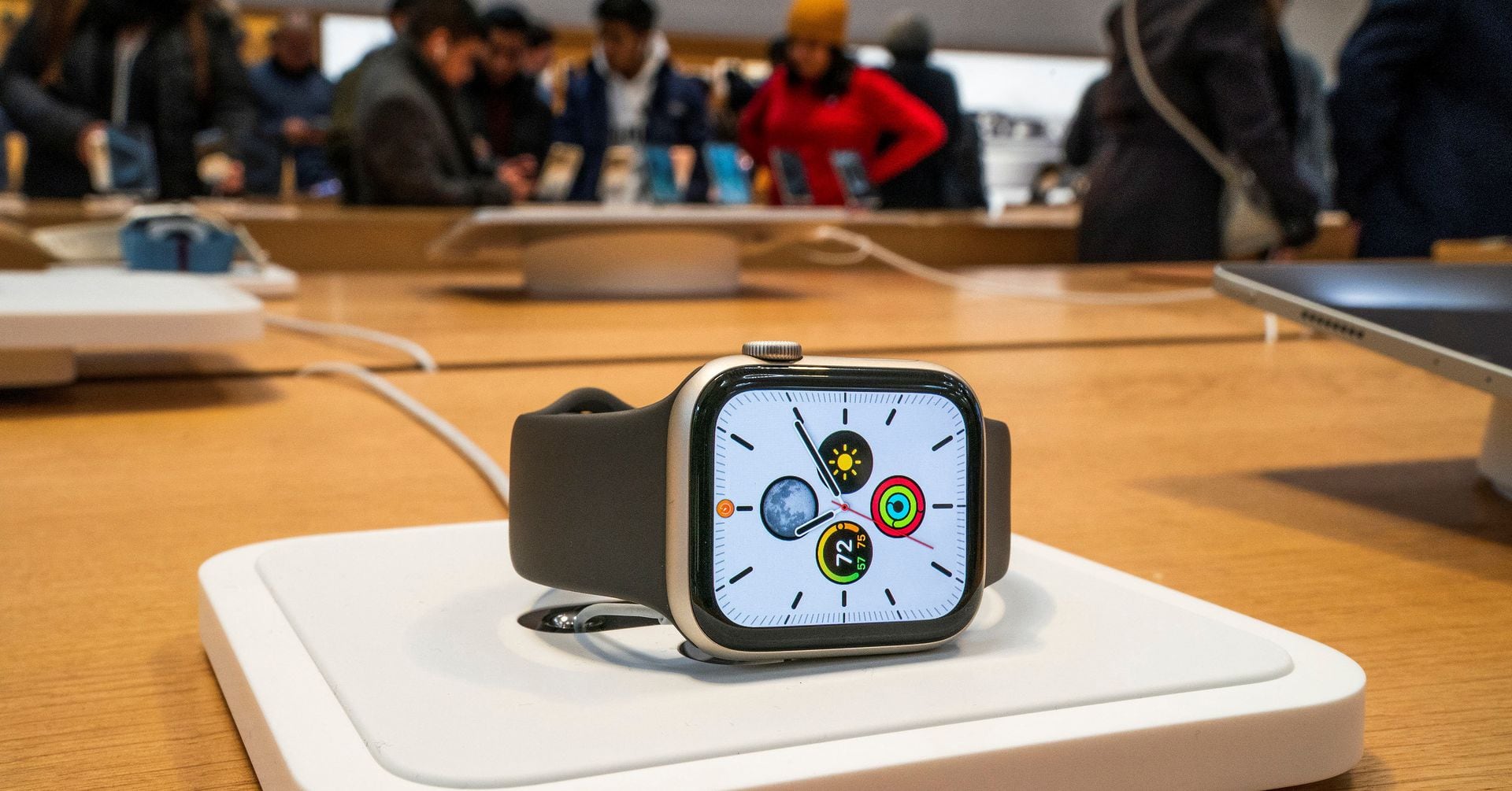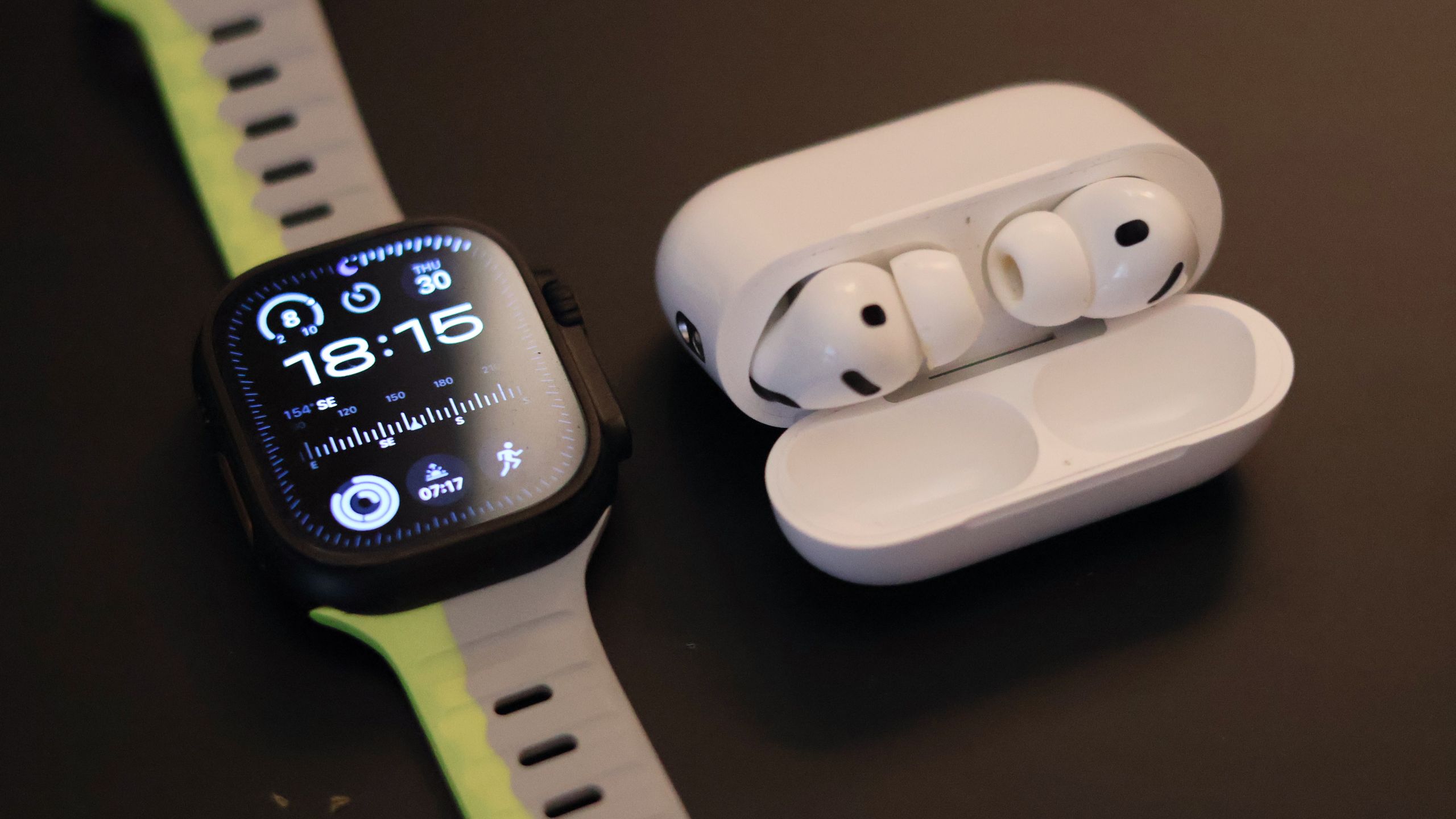
The AirPods Pro 3 for 2025 introduces significant fitness features, including improved fit, noise canceling, and notably, in-ear heart rate sensing, making them a versatile health and fitness accessory alongside the Apple Watch. While they perform well in heart rate tracking, they lack detailed workout zone data and calorie accuracy compared to dedicated fitness devices, but they offer a convenient, integrated experience for casual fitness enthusiasts.
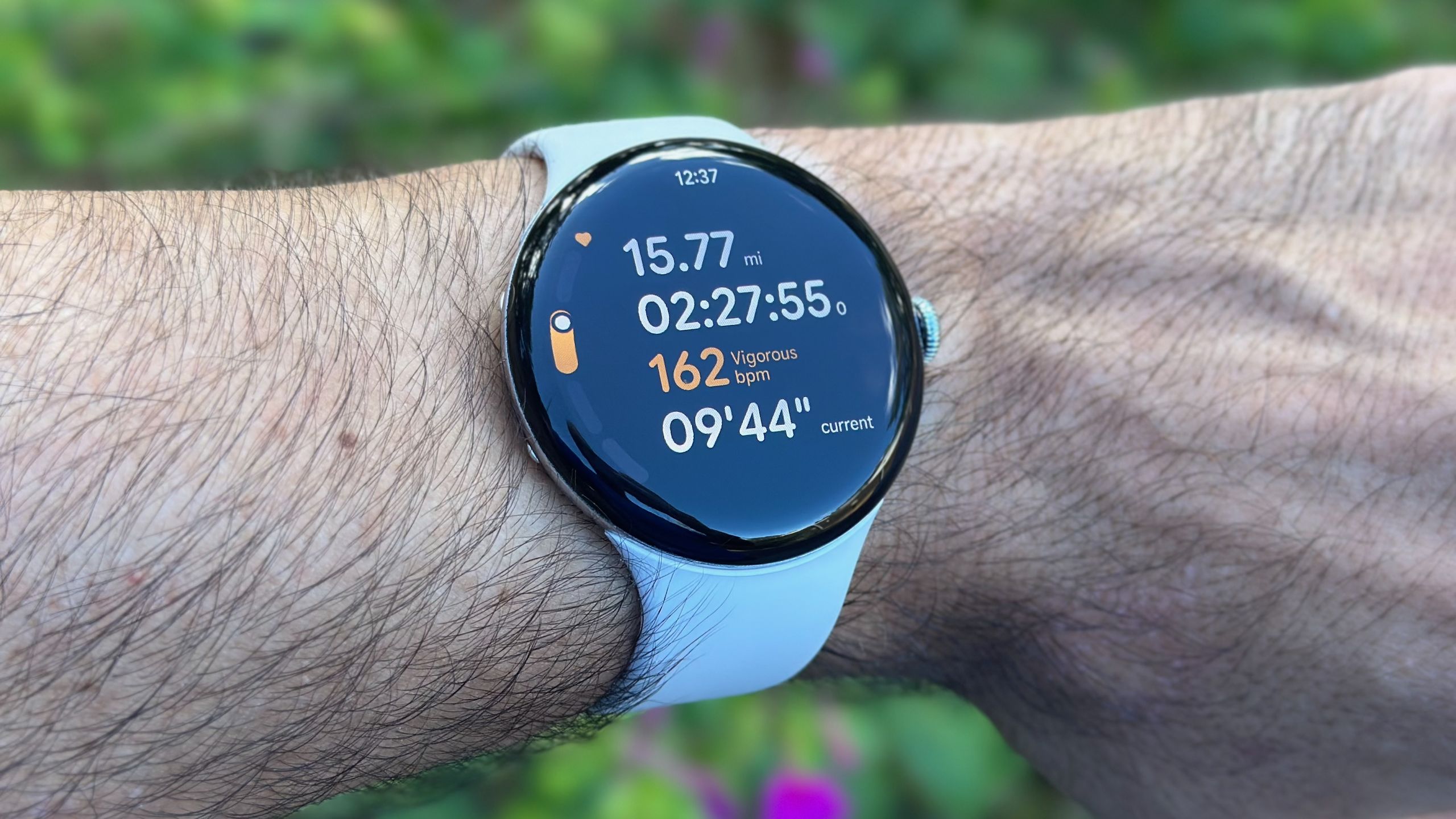
The Pixel Watch 4 performs well in GPS accuracy and fitness tracking, comparable to Garmin devices in many aspects, but still lacks some advanced features for serious athletes, such as detailed running metrics and gym exercise tracking, while offering a bright display and efficient battery life.
The Apple AirPods Pro 3's heart rate sensor, which uses infrared light and advanced algorithms, provides highly accurate readings that closely match those of a professional chest strap, outperforming previous headphone models and even some smartwatches during rigorous workouts.
The AirPods Pro 3 feature a new custom photoplethysmography sensor that provides highly accurate heart rate monitoring, outperforming previous Apple earbuds and rival devices, making them a top choice for fitness enthusiasts seeking all-in-one audio and health tracking.
Researchers at UC Santa Cruz developed Pulse-Fi, a system that uses WiFi signals to monitor heart rate without sensors or wires, by analyzing variations in WiFi channel information caused by heartbeats, potentially enabling wireless health monitoring and other RF-based detections.
Researchers at UCSC have developed Pulse-Fi, a system that uses existing Wi-Fi signals and machine learning to accurately measure heart rate without wearable devices, working reliably at various distances and positions, and potentially expanding to respiratory monitoring for health diagnostics.
A normal resting heart rate for most adults is between 60 to 100 beats per minute, with athletes often having lower rates. Factors like age, stress, and physical activity influence this rate, which is a key indicator of cardiovascular health. High resting heart rates can signal health issues like tachycardia, while low rates may indicate bradycardia. Monitoring your pulse can be done easily without high-tech gadgets, and changes in resting heart rate should be discussed with a healthcare provider. Meditation and regular exercise can help maintain a healthy heart rate.
A federal judge dismissed a lawsuit by AliveCor accusing Apple of monopolizing the U.S. market for heart rate monitoring apps for its Apple Watch. AliveCor claimed Apple violated antitrust and unfair competition laws, alleging that Apple copied its ideas and updated the heart rate algorithm to prevent competition. Apple stated that the lawsuit challenged its ability to make improvements to the Apple Watch and confirmed that its actions were not anticompetitive. AliveCor plans to appeal the decision and is still litigating separate patent infringement claims against Apple.
Google researchers have explored a new approach called audioplethysmography (APG) to measure heart rate using off-the-shelf active noise-canceling (ANC) earbuds and a software update. APG uses ultrasound signals bounced off the inside of the ear canal and detects skin surface perturbations to measure blood activity. The technique showed resilience in various conditions, including darker skin tones. While the APG signal can be noisy and affected by body motion, the researchers found ways to overcome these challenges. The study demonstrated promising results with a median error rate of 3.21 percent for heart rate and 2.70 percent for heart rate variability. Although this is only a study, it showcases Google's interest in wearables and their potential advancements in heart rate monitoring technology.
The Apple Watch saved the life of a 29-year-old woman from Cincinnati by detecting a pulmonary embolism in her sleep. The watch measures heart rate throughout the day and detects high or abnormal heart rates while resting. It uses photoplethysmography technology to measure heart rate. Heart rate monitoring can be enabled by going to the "Settings" application on the watch or the Apple Watch app on the iPhone.
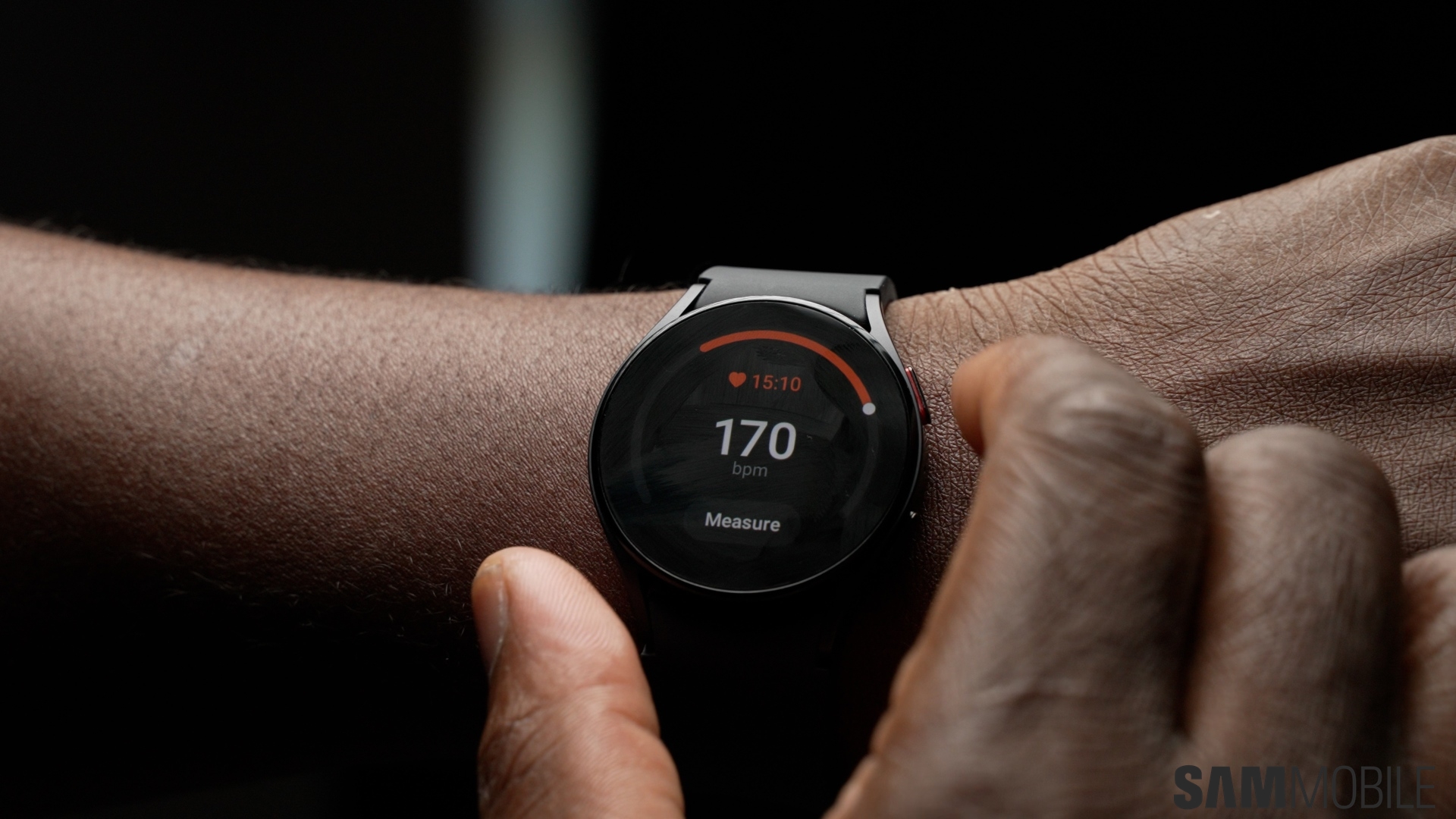
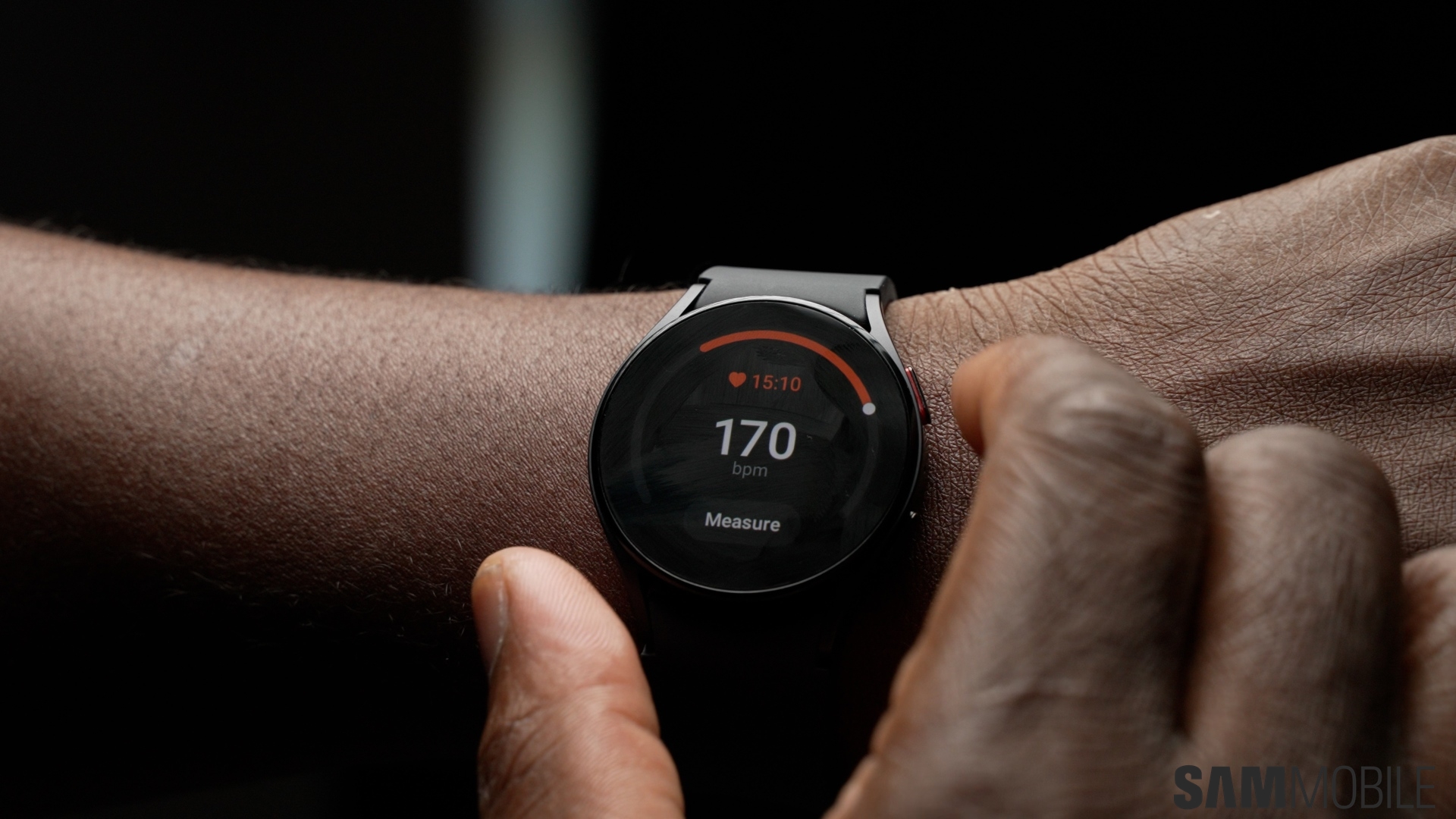
Samsung's upcoming Galaxy Watch 6 series will feature an FDA-cleared Irregular Heart Rhythm Notification (IHRN) component, allowing users to monitor their heart rate for signs of atrial fibrillation (AFib) using the BioActive Sensor. The IHRN feature will also be available on previous Galaxy Watch editions via an update. The One UI 5 Watch update will bring personalized heart rate zones, improved safety features, and better sleep tracking. Samsung prioritizes proactive safety solutions and enables users to receive a more holistic understanding of their cardiovascular and overall health.
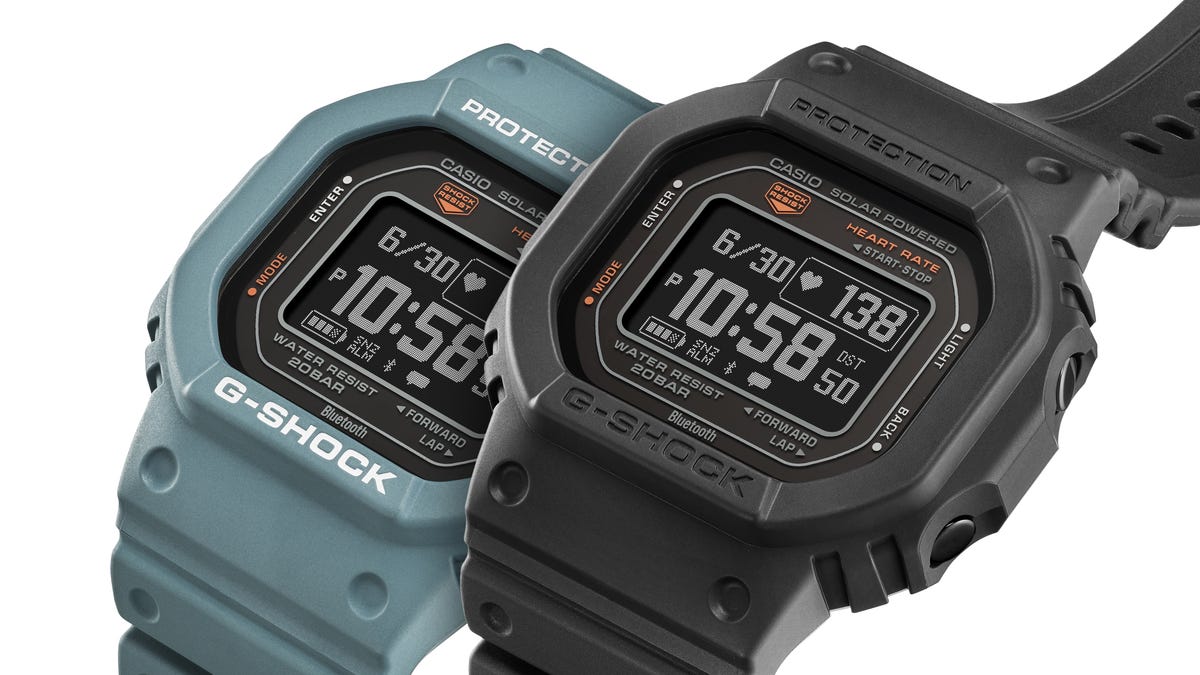
Casio has released a new version of its G-Shock digital watch, the DWH5600, which features an optical heart rate monitor, an accelerometer for tracking physical activities, and a Bluetooth connection to a smartphone for notifications and GPS tracking. The watch also includes solar charging, but a wired charger is also included. The fitness tracking is not as robust as larger G-Shock models, but it can track walks, runs, and workouts, and can calculate cardio load, blood oxygen levels, and sleep quality. The DWH5600 is available for pre-order for $299 and will be fully available on May 19.
Samsung's Galaxy Watch 5 allows users to monitor their heart rate and set custom low and high heart rate alerts. Users can enable continuous heart rate monitoring or set the HR sensor to perform scans at regular intervals. To set heart rate alerts, users can access the Samsung Health menu in the Settings app and define their desired BPM levels for the alarm.