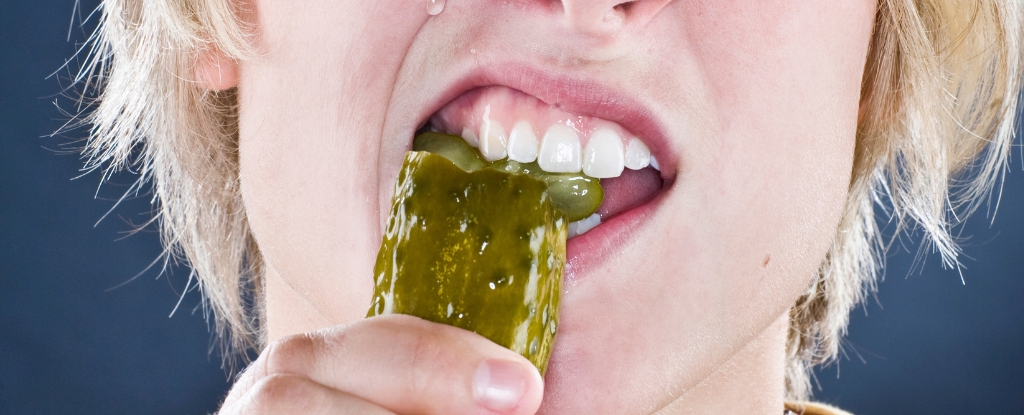
Cravings and appetite changes are not reliable indicators of cancer, despite popular stories; they can be caused by various factors, and only specific signs like ice chewing linked to iron deficiency should prompt medical testing. For cancer detection, rely on established symptoms and screening rather than single food cravings.
Cortisol is a vital hormone involved in many essential bodily functions, including managing blood sugar, inflammation, and waking us up in the morning. Contrary to popular belief, short-term stressors and daily fluctuations in cortisol are normal and not harmful, but chronic stress can disrupt its natural rhythm and negatively impact health. The article emphasizes that worrying about cortisol levels or trying to manipulate them with trendy methods is unnecessary for most people, and instead recommends focusing on overall well-being through sleep, exercise, and stress management.
A recent study reveals the significant impact of genetics on alcohol tolerance, with some people experiencing unpleasant side effects even from modest amounts of alcohol due to their genes. Research also challenges long-standing health myths, such as the link between saturated fat and heart disease, and the dangers of cholesterol-rich foods, emphasizing the importance of understanding genetic predispositions and making informed dietary choices.
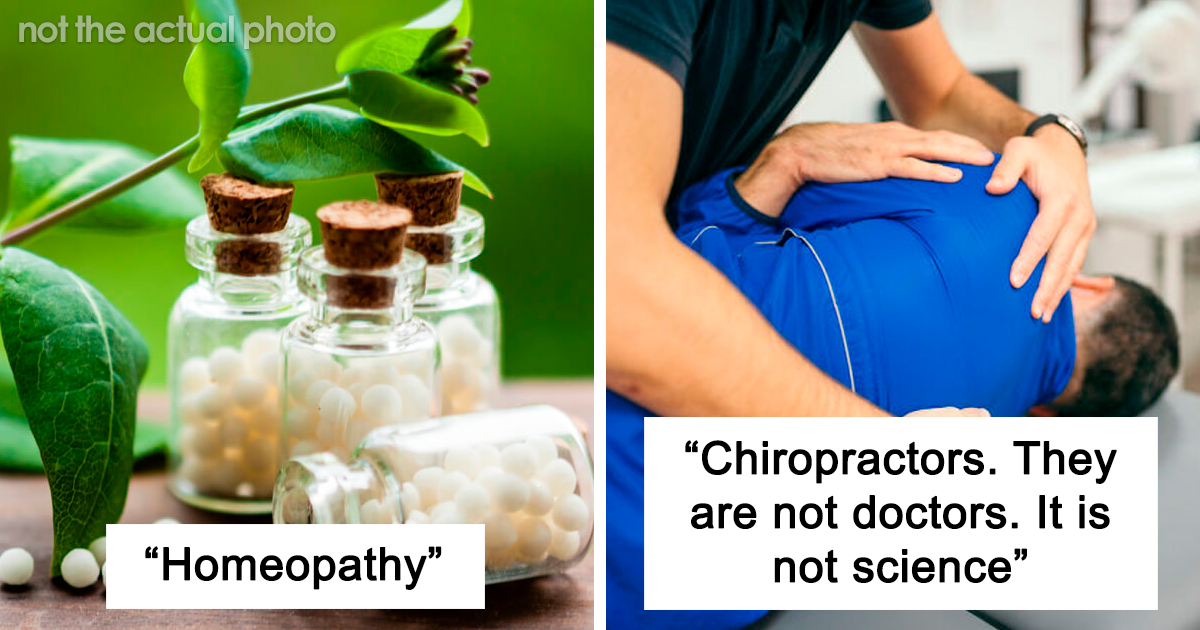
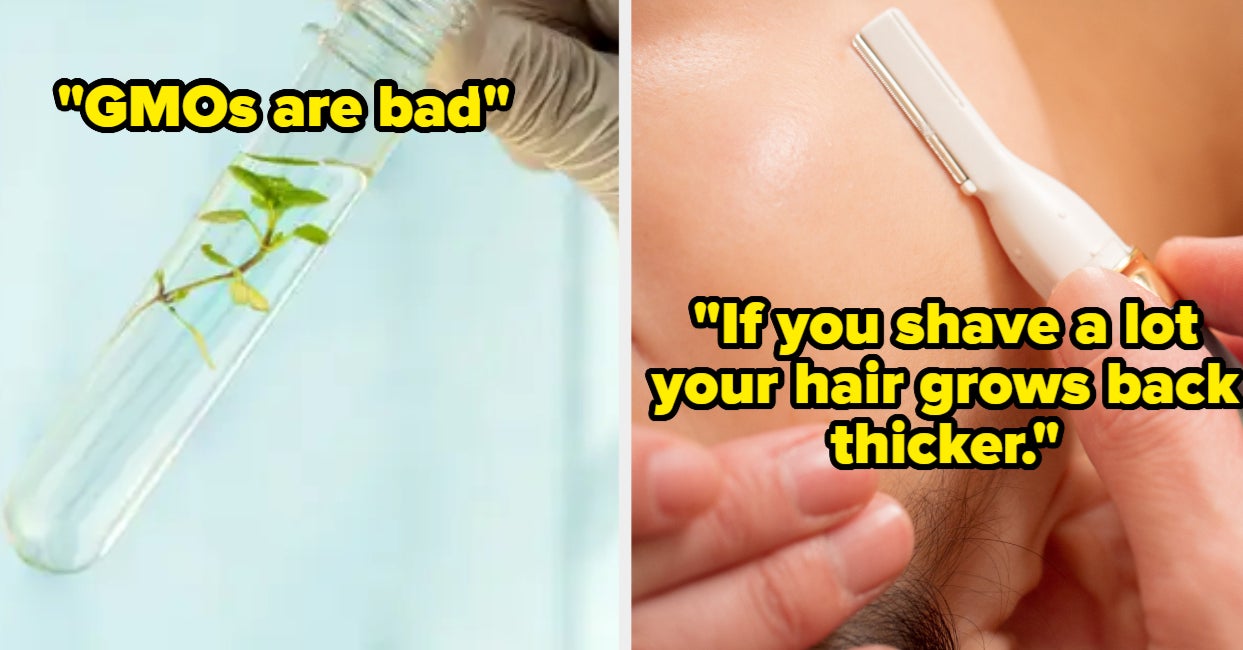
A Reddit user asked about widely accepted health myths, sparking a discussion on debunked misconceptions about health, including addiction, detox programs, and the effectiveness of certain treatments. The post garnered almost 6.5k comments and 5.3k upvotes, highlighting the public's growing awareness of health-related misinformation online. Participants shared their experiences and knowledge, shedding light on prevalent health myths and the importance of fact-checking in the digital age.
Reddit users discuss and debunk 15 health myths, including the misconception that "all natural" implies healthiness, the belief that cracking knuckles causes arthritis, and the idea that targeted weight-loss is possible. Other debunked myths include the notion that fat makes you fat, the effectiveness of essential oils in curing illnesses, and the idea that addiction is a lack of willpower.
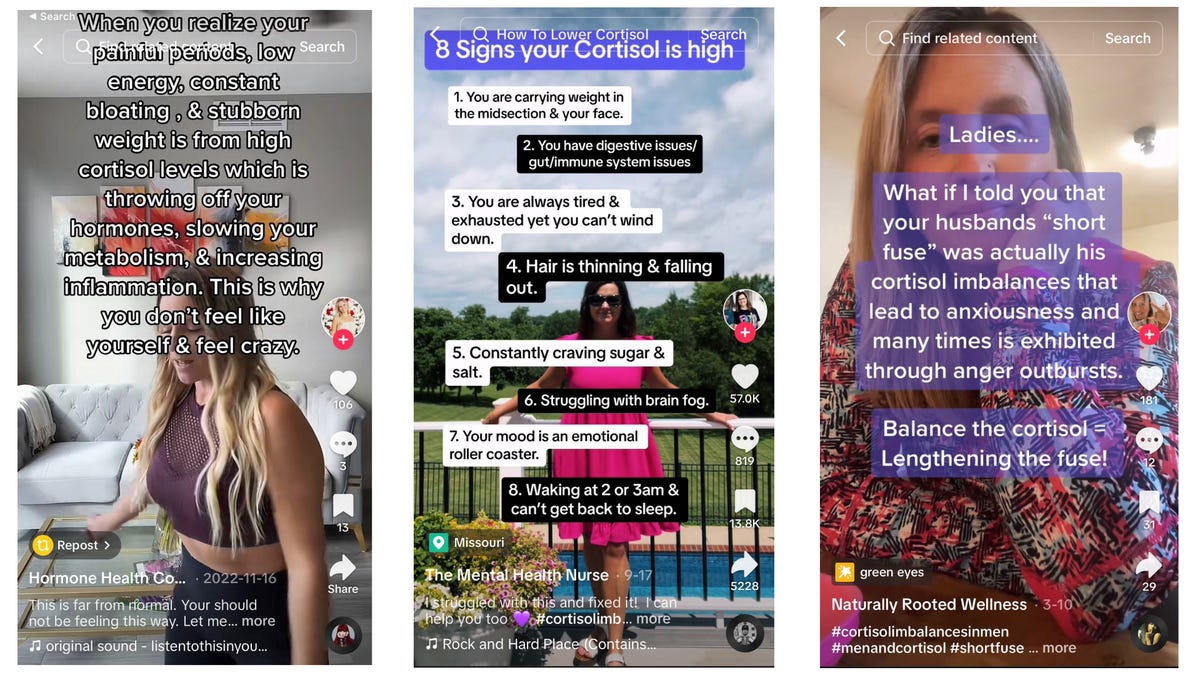
TikTok influencers are promoting the myth that many common health issues are caused by high cortisol levels and can be resolved by purchasing their supplements. However, the symptoms they attribute to high cortisol, such as cravings for sweet and salty foods, poor sleep, and belly fat, are not specific enough to indicate elevated cortisol levels. While cortisol does play a role in stress response, it is not the sole cause of these symptoms. Medical conditions that cause abnormal cortisol levels should be discussed with a doctor, not TikTokers. TikTok's advice on lowering cortisol includes purchasing supplements, practicing specific types of massage or meditation, and following certain diets, but there is no solid scientific evidence supporting these recommendations. It is important to consult a healthcare professional for accurate diagnosis and treatment of any health concerns.
Adrenal fatigue is not a recognized medical condition, but some alternative wellness practitioners recommend adrenal cocktails to support the adrenal glands. However, there is no evidence that these drinks are helpful or necessary for adrenal health. Adrenal insufficiency is a verified medical condition that requires proper diagnosis and treatment. Adrenal cocktails may be problematic for people with blood sugar regulation issues and high blood pressure. It's best to visit a healthcare provider to rule out medical conditions that may be causing symptoms often linked to adrenal fatigue. A balanced diet, restful sleep, stress management, and physical activity are more helpful for overall health.
This article debunks some common home remedies and health myths. Epsom salt baths, ginger ale for nausea, and feeding a cold and starving a fever are all debunked. However, witch hazel for hemorrhoids, chamomile tea for sleep, and aloe for burns are found to be effective. The article also provides tips for treating poison ivy and hiccups.