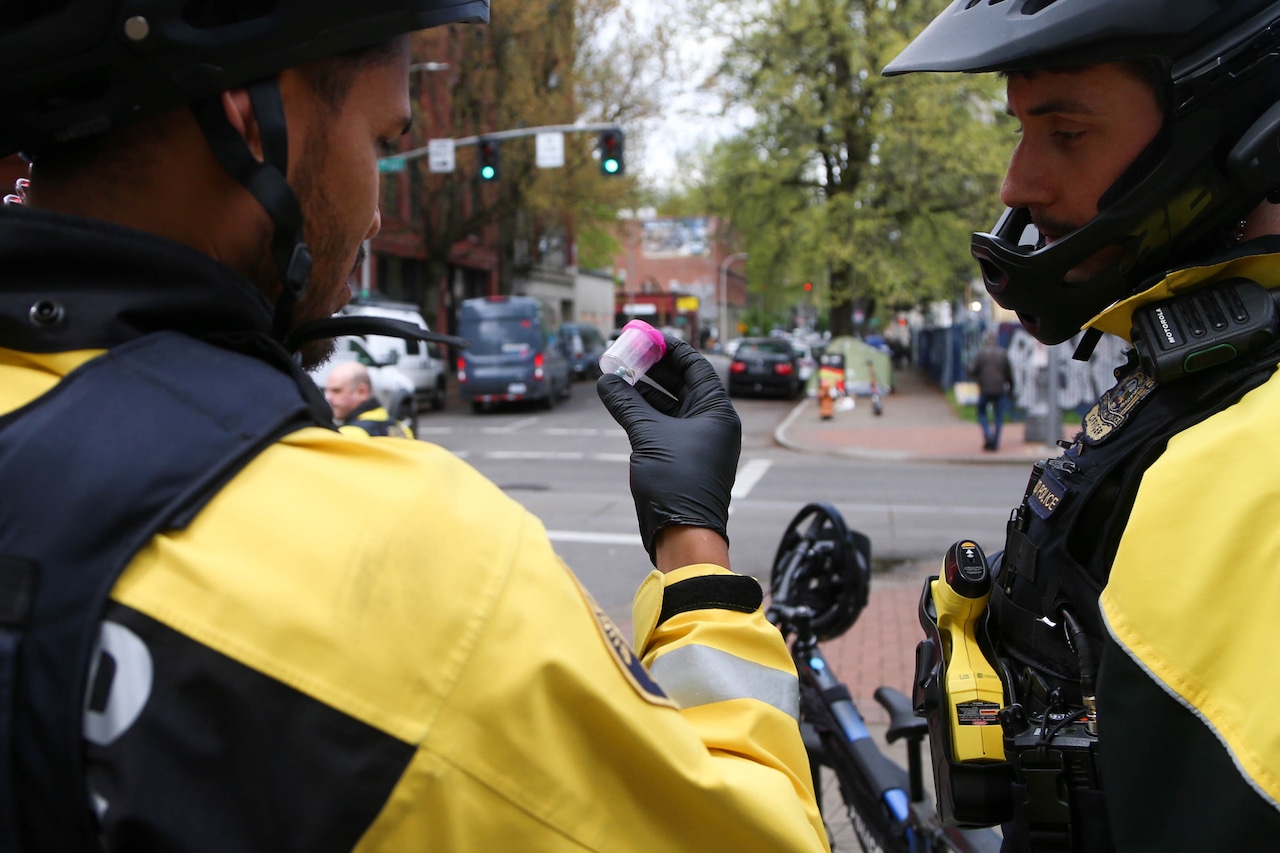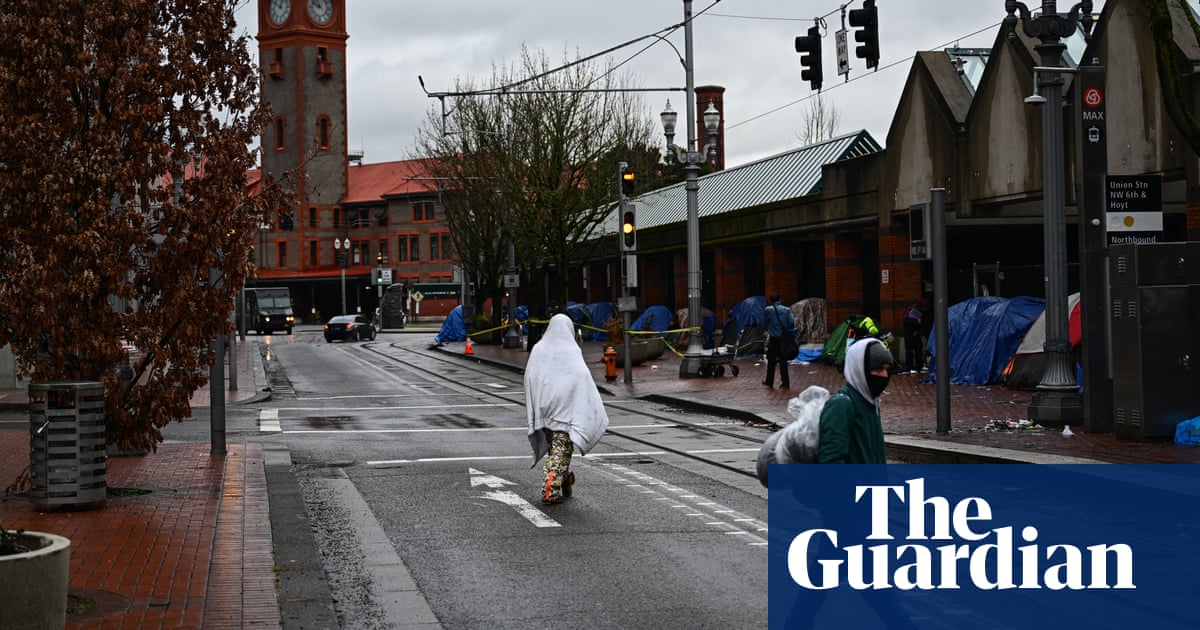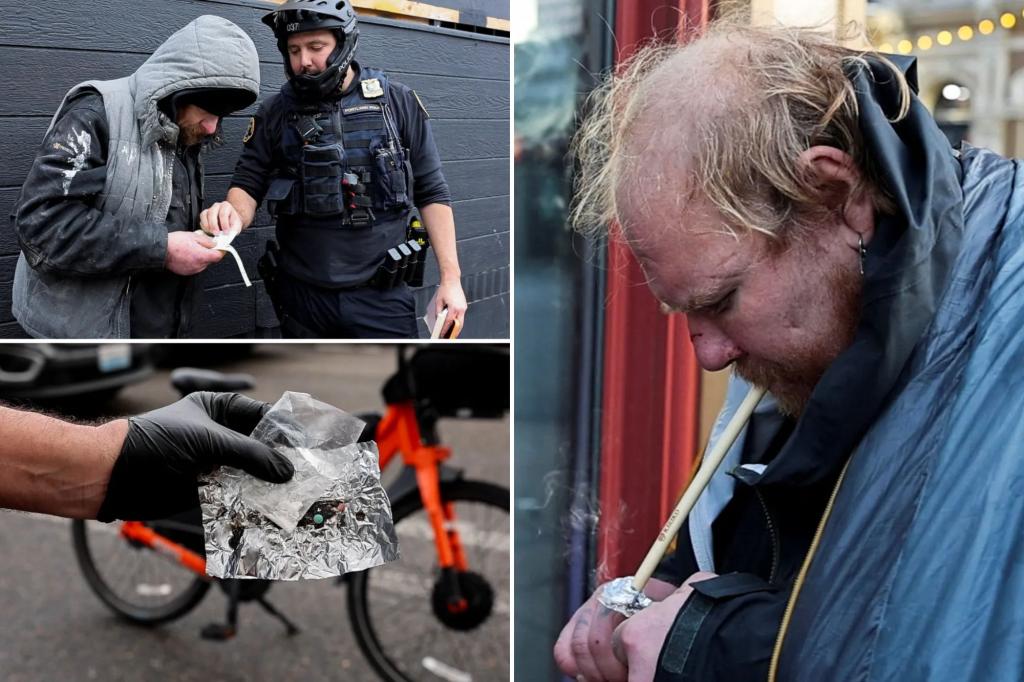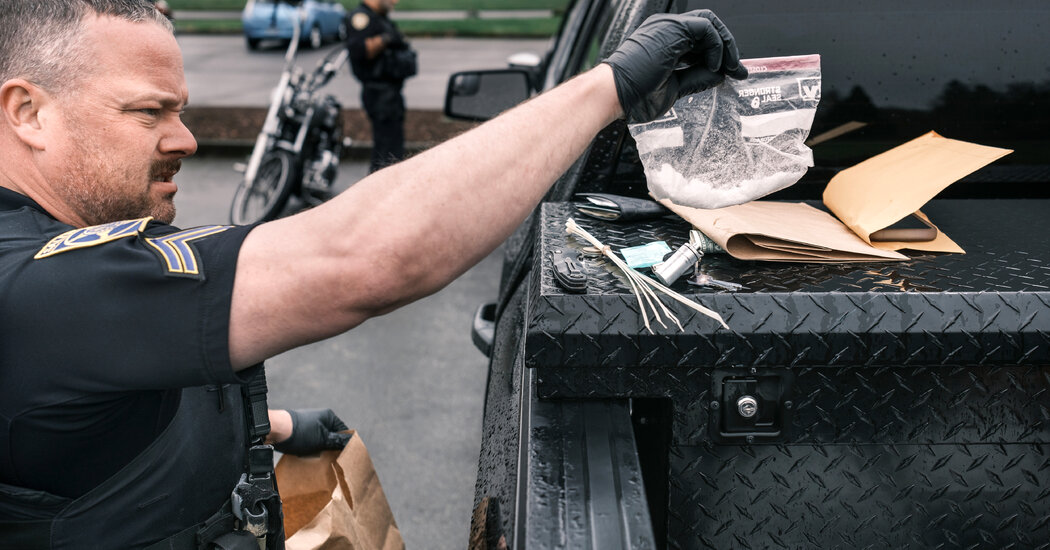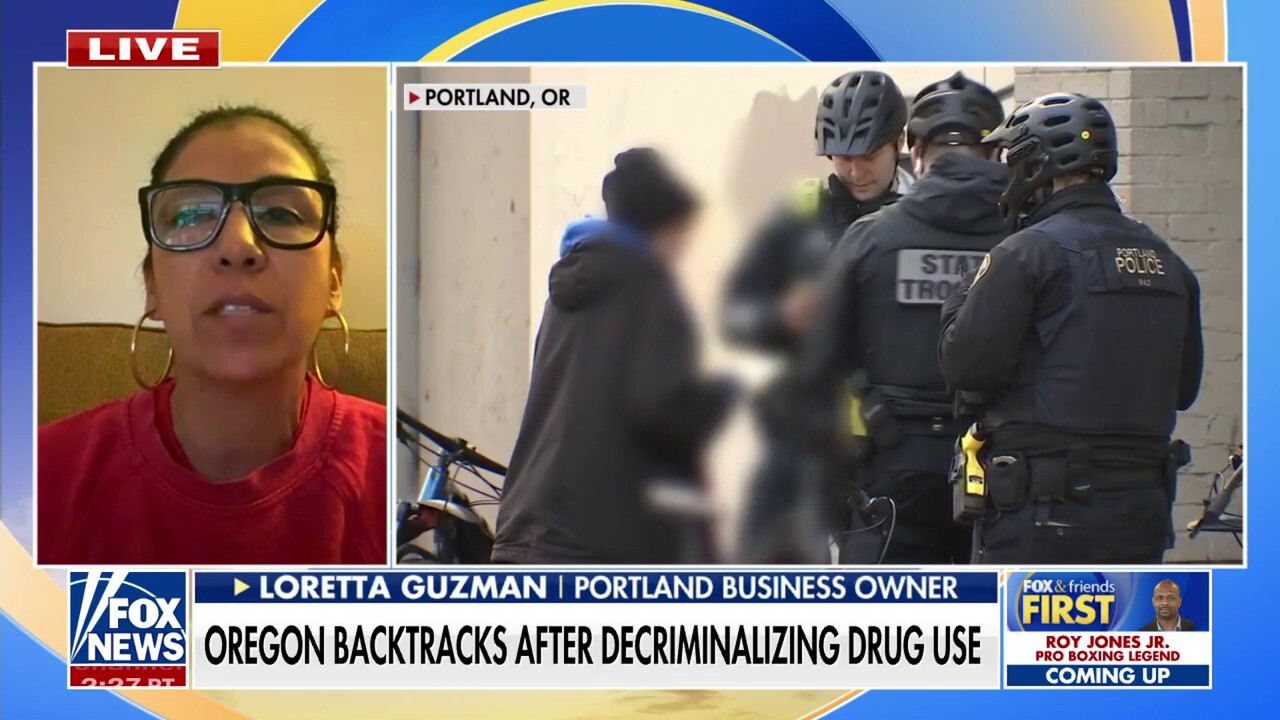
A Portland café owner warns that the city is ill-equipped to help drug addicts following the reversal of Oregon's 2020 drug decriminalization law, which led to a surge in addiction and overdose deaths. The new law makes personal drug possession a misdemeanor punishable by jail time, but the owner doubts its effectiveness. She criticizes the lack of assistance from city officials and highlights the struggles of law enforcement in addressing the issue. The previous law directed cannabis tax revenue towards addiction services, but state auditors found challenges in setting up the new treatment system. Democratic leaders have declared a state of emergency for downtown Portland due to the public health and safety crisis.
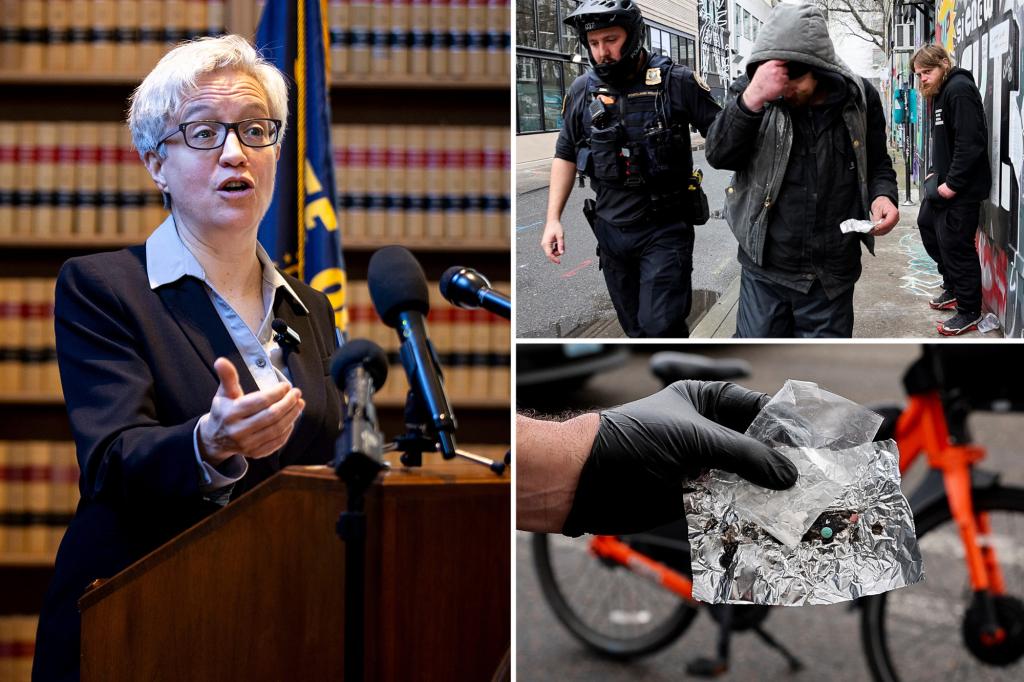
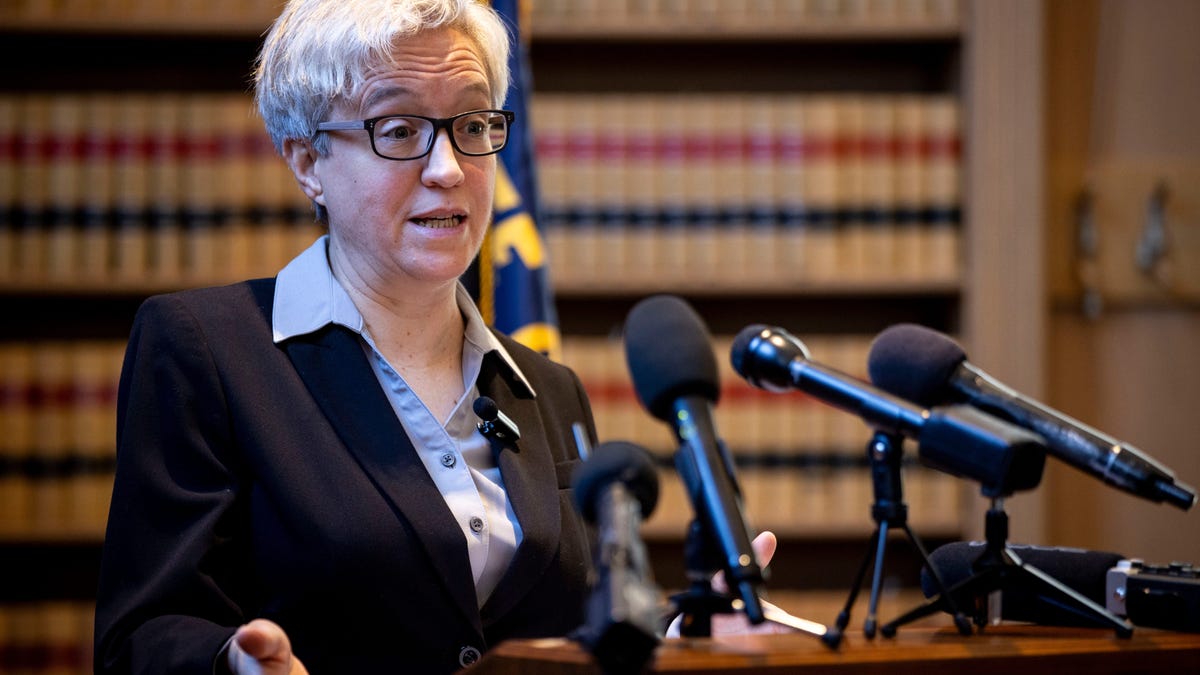
Democratic Gov. Tina Kotek of Oregon has signed legislation to recriminalize the possession of small amounts of certain drugs, overturning a voter-backed measure from 2020 that decriminalized minor drug possession. The move comes as the state grapples with a surge in homelessness, homicides, and overdose deaths. The new law makes drug possession a misdemeanor punishable by up to six months in prison and allows for police crackdowns on drug use in public spaces. Another bill signed allocates funds for behavioral health and education programs, emphasizing the need for coordination and non-jail opportunities for misdemeanor sanctions.
Oregon Governor Tina Kotek signed a bill into law that reintroduces criminal penalties for possession of small amounts of drugs, effectively ending the state's groundbreaking drug decriminalization law enacted three years ago. The new law, which will go into effect this fall, aims to address rising drug overdose deaths by implementing a "drug enforcement misdemeanor" for possession of illicit drugs. The bill passed with bipartisan support, and counties are working to establish deflection programs to provide alternatives to incarceration for individuals with drug possession charges.
Oregon Gov. Tina Kotek signed a package of bills that reverts minor drug possession to a crime and allocates funds to behavioral health programs, marking the end of the state's brief experience with drug decriminalization. The move comes after discussions with various groups and signals a shift away from the previous approach.
Oregon, the first state to decriminalize illicit drugs, is now reversing course and reinstating criminal penalties for drug use and possession. While some health advocates argue that Oregon's experience should not discourage other decriminalization efforts, opponents point to a surge in overdose deaths and public drug use as reasons for the reversal. The federal government is also considering reclassifying marijuana, while other states are exploring harm reduction approaches and decriminalization measures for drug possession. Despite Oregon's rollback, advocates remain hopeful that other states will continue to pursue broader decriminalization efforts.
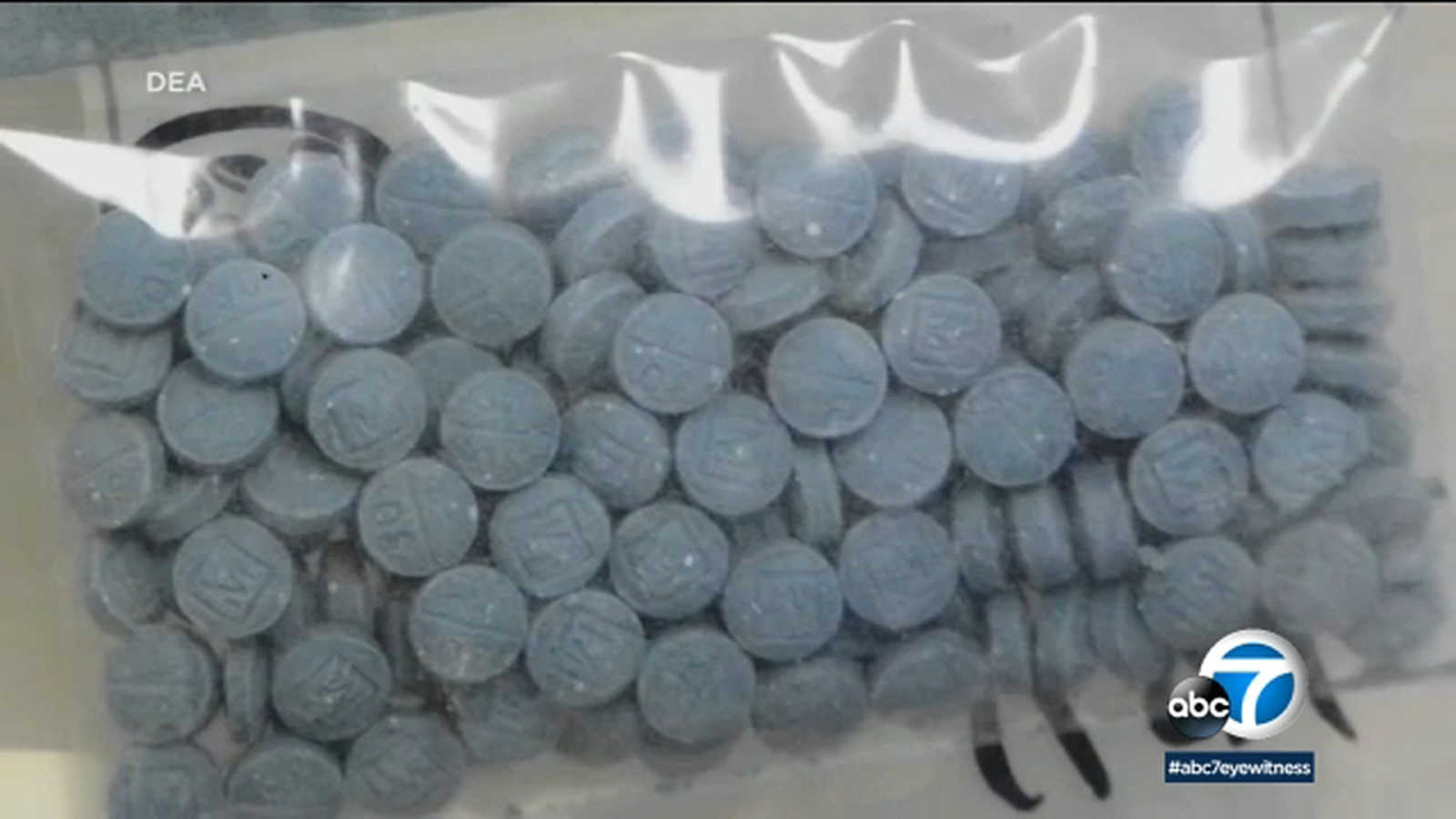
Oregon will revert back to criminalizing drug possession, including fentanyl, after a bipartisan vote in the Legislature ended the state's brief experiment with drug decriminalization. The new law, House Bill 4002, allows for the prosecution of drug dealing and aims to facilitate access to medications for opioid addiction. The bill also introduces deflection programs, giving local governments, police, and prosecutors the option to divert individuals found with small amounts of drugs away from arrest and prosecution and into treatment. The changes are set to take effect on September 1, with the state allocating $211 million for deflection programs and other services.
Oregon lawmakers are moving to end the state's three-year drug decriminalization "experiment" due to skyrocketing overdose deaths and public drug usage, with a bill to recriminalize possession of hard drugs like fentanyl, heroin, cocaine, and methamphetamine passing in the state Senate. The measure, which also includes provisions for addiction services and penalties for drug dealers, now awaits the decision of Democratic Gov. Tina Kotek.
Oregon lawmakers passed a bill to recriminalize the possession of small amounts of drugs, undoing a key part of the state's drug decriminalization law in response to the deadliest overdose crisis in U.S. history. The measure makes possession of drugs a misdemeanor, punishable by up to six months in jail, and aims to increase access to addiction medication and housing without facing discrimination. Supporters argue it will improve access to treatment, while opponents fear it will reinforce a failed punishment narrative and disproportionately impact marginalized communities.
Oregon lawmakers have voted to reintroduce criminal penalties for the possession of hard drugs, effectively ending the state's three-year decriminalization experiment. The new law makes minor drug possession a misdemeanor and allocates millions of dollars toward specialty court programs, mental health, and addiction treatment. Despite concerns about racial disparities and the impact on marginalized communities, proponents argue that the measure is necessary to address the fentanyl crisis and public drug use. Critics argue that restoring criminal penalties may not effectively address drug use and could exacerbate existing inequalities.
Oregon lawmakers passed a bill to recriminalize the possession of small amounts of drugs, undoing a part of the state's drug decriminalization law in response to the deadly overdose crisis. The bill makes drug possession a misdemeanor, punishable by jail time, and aims to increase access to addiction medication and housing without discrimination. Supporters believe it will improve access to treatment, while opponents argue it could disproportionately impact marginalized communities and reinforce failed punitive tactics.
Oregon lawmakers have passed a bill to recriminalize the possession of small amounts of drugs, undoing a key part of the state's first-in-the-nation drug decriminalization law. The measure makes possession of drugs like heroin or methamphetamine a misdemeanor, punishable by up to six months in jail, while also aiming to make it easier to prosecute drug sellers and increase access to addiction medication and housing without facing discrimination. The move comes as the state grapples with a deadly overdose crisis, but critics argue that the bill represents a return to the failed war on drugs and could disproportionately impact marginalized communities.
Oregon, which decriminalized hard drugs in 2020, is now reversing course due to soaring overdose deaths and ongoing drug-related issues. State lawmakers have passed a bill to reimpose criminal penalties for drug possession, signaling a setback for the drug reform movement. The decision comes amid concerns about open drug use and a lack of effective treatment programs, prompting some politicians to support the rollback despite previously endorsing decriminalization. Advocates warn against returning to a "war on drugs" approach and urge investment in affordable housing and drug treatment options instead.
The Oregon Senate has passed House Bill 4002, a bipartisan bill that would reverse the state's voter-approved drug decriminalization policy, allowing for criminal penalties for possession of small amounts of illicit drugs. The bill also includes provisions for drug treatment and record expungement, but has faced criticism from advocates for drug decriminalization. Governor Tina Kotek has not indicated whether she will sign the bill, but has expressed openness to rolling back decriminalization.
Oregon lawmakers are considering rolling back the state's drug decriminalization measure, Measure 110, due to surges in fentanyl use and overdoses. The measure, which eliminated criminal punishment for possession of minor amounts of drugs, has faced challenges in implementation, including a lack of behavioral health services and a surge in illicit fentanyl use. The proposed legislation would make possession of drugs a misdemeanor and encourage referral to state-funded treatment programs, sparking intense debates over drug policy, public safety, and justice in Oregon.
The Oregon House passed House Bill 4002 in a bipartisan 51-7 vote, making minor drug possession a misdemeanor crime and signaling a potential end to the state's experiment with decriminalization. The emotional proceedings reflected a shift in sentiment, with four Democrats and three Republicans voting against the measure, while two lawmakers were excused.