OpenAI CEO Sam Altman claims the company's revenue exceeds reports of $13 billion annually and could reach $100 billion by 2027, driven by major infrastructure deals and expanding AI services, despite ongoing losses and high capital expenditures. Altman is confident in steep revenue growth and the company's future dominance in AI, with some projections suggesting revenues could surpass $100 billion as early as 2028 or 2029.

AMD's stock can continue to rise due to its strong market share gains in AI-related graphics processing units, high projected growth rates, and increasing analyst estimates, despite high valuations. The article also discusses broader market trends, sector valuations, banking industry warnings, Medicare decisions, Bitcoin's decline, and passive investing risks.
Federal Reserve Chairman Jerome Powell highlighted the difficulties in creating new growth and inflation projections, signaling increased uncertainty in the stock market outlook as even the Fed is cautious.
The World Bank has projected that global growth will slow in 2023 to its lowest level since the 2008 financial crisis due to higher interest rates, inflation, and more restrictive credit conditions. The international group lowered its outlook for nearly all advanced economies and cut growth projections for 70% of emerging markets. The US economy is projected to slow to 1.1% in 2023 from 2.1% in 2022 and then drop to 0.8% in 2024, mainly because of the lingering impact of a sharp rise in interest rates. The World Bank warns global growth could be even weaker than anticipated if banking stress worsens or inflation is persistent enough to prompt higher-than-expected interest rates.
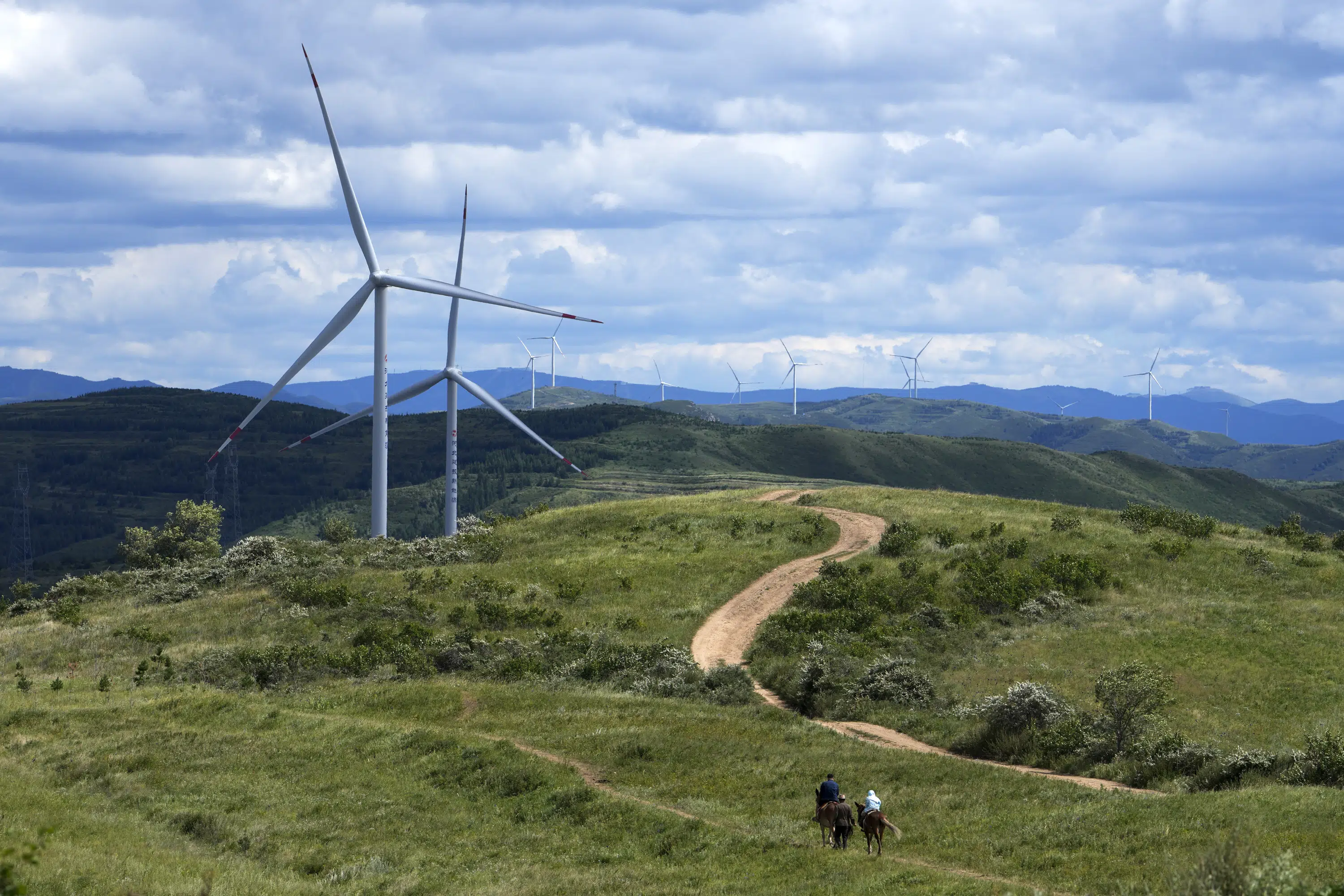
The wind power industry is expected to experience rapid growth in 2023, with incentives and policy changes in key nations helping to overcome factors that led to a slowdown in 2022. The Global Wind Energy Council projected 680 gigawatts of new onshore and offshore wind will be installed by 2027, enough to power about 657 million homes annually. The industry added about 78 gigawatts of wind capacity globally in 2022, down 17% from 2021, but still the third-best year ever for new capacity. The wind power market stalled in 2022 because of government policies that encouraged “race to the bottom” pricing, and because of inflation, higher logistics costs and inefficient permitting and licensing rules.