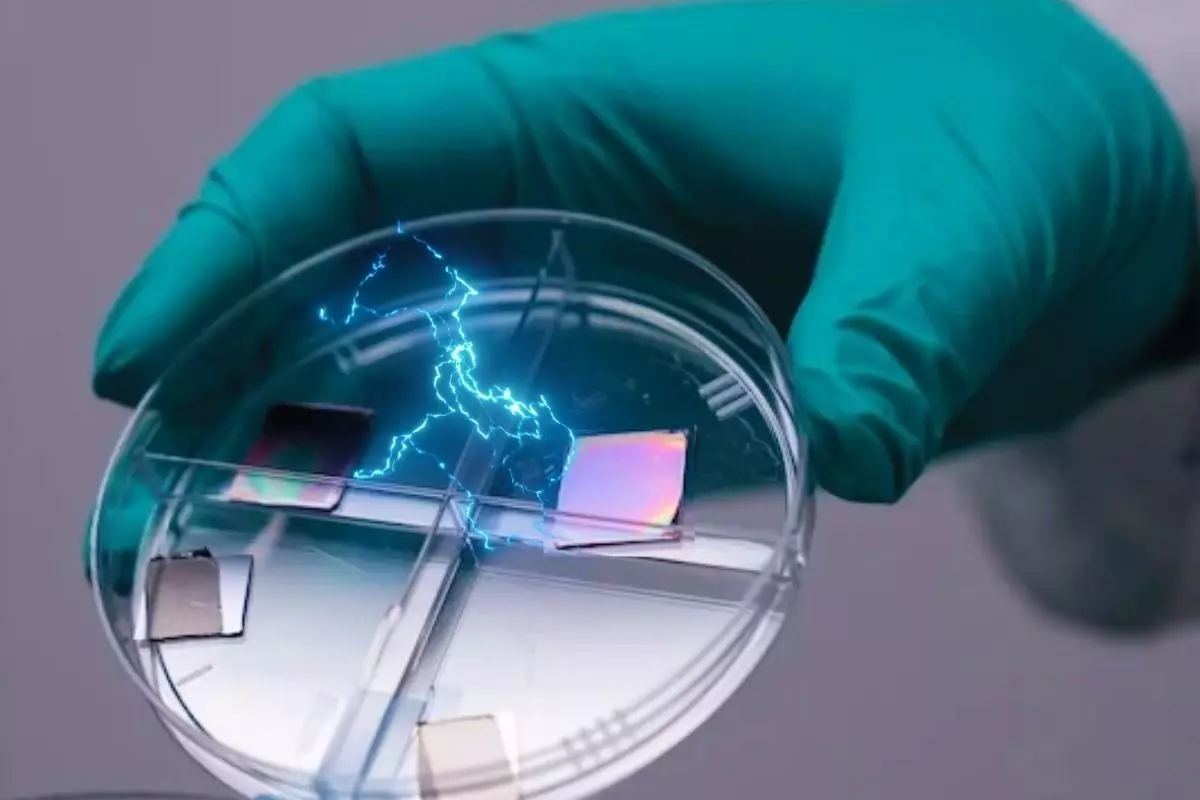
The US has developed a quantum-based thermal energy storage system that converts heat to electricity with up to 60% efficiency, potentially transforming renewable energy by enabling reliable, round-the-clock power without heavy reliance on batteries or fossil fuels.
U.S. electricity prices have surged by 43% since 2019 due to factors like AI-driven data centers, reshoring manufacturing, and increased renewable energy, prompting calls for investment in firm power sources such as nuclear and natural gas. Key stocks in the sector, including GE Vernova, Centrus Energy, Oklo, and BWX Technologies, have seen significant gains, with a focus on stabilizing and modernizing the grid to reduce costs and support economic growth.
A new liquid air energy storage facility in the UK, set to open in 2026, aims to provide a cost-effective alternative to batteries and hydro for storing renewable energy, helping to stabilize the grid and accelerate the transition away from fossil fuels, despite current economic challenges.
Texas state government is pushing legislation to boost electricity supplies during peak demand summer periods, but experts warn that one of the bills, SB 2012, includes so-called guardrails that could ultimately sink efforts to incentive energy companies to develop new dispatchable power facilities. The bill caps the state Public Utility Commission's proposed performance credit mechanism at $500 million annually. The Texas grid faces a new reality, and for the first time in its history, doesn't have enough dispatchable power generation to meet demand during times of peak consumption.