EU officials are concerned about advancing a 2040 climate target amid a heat wave and political challenges, with some actions by Ursula von der Leyen indicating a possible scaling back of the Green Deal to preserve political stability.
The article discusses Europe's ongoing struggles with climate policy, highlighting controversies such as the selection of a Saudi Aramco staffer for a key climate science report, political conflicts within the EU over the Green Deal, and internal disagreements over greenwashing regulations, all amid broader global tensions and controversies.
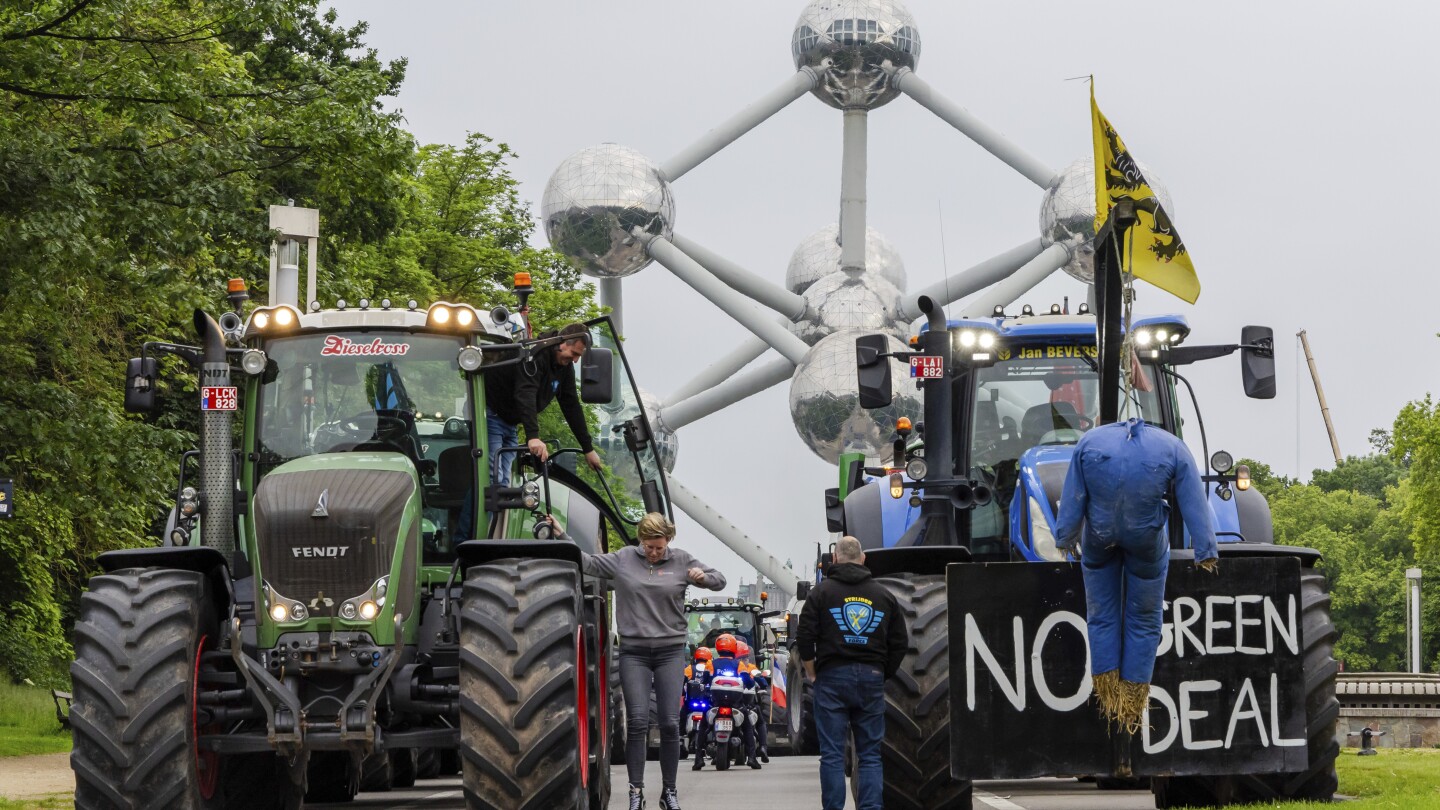
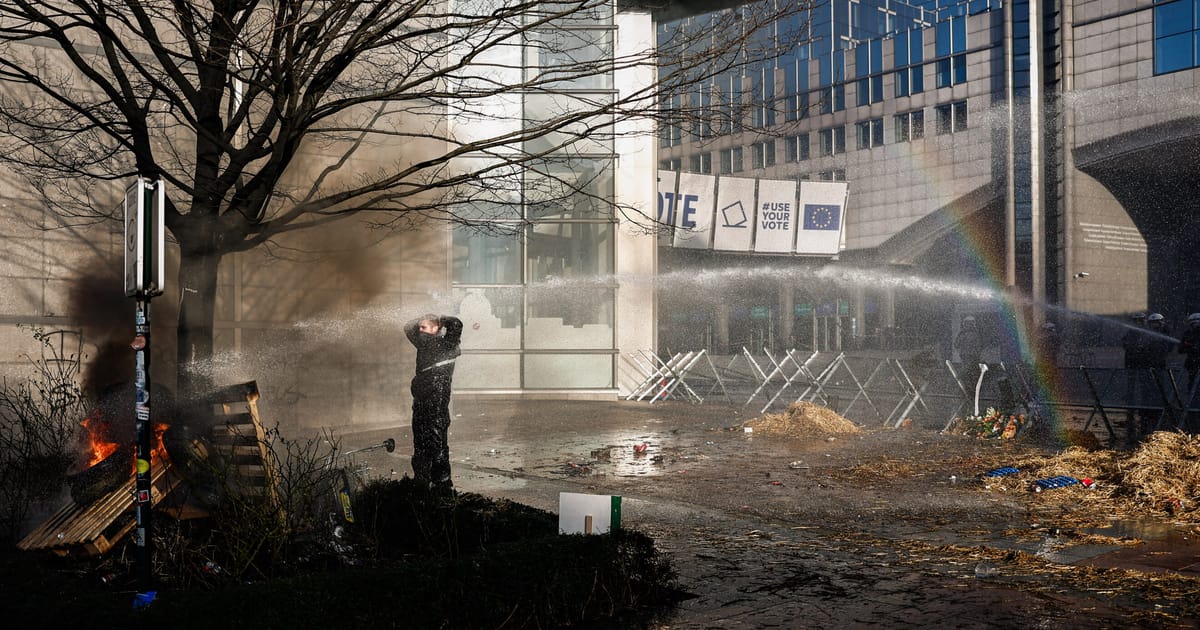
Ahead of the EU elections, far-right groups are mobilizing farmers across Europe to protest against environmental regulations that they claim threaten traditional farming practices. These protests, supported by parties like the Flemish Interest and figures like Hungary's Viktor Orban, highlight the political divide between environmentalists and populist forces. The demonstrations aim to challenge the EU's Green Deal climate pact, which seeks to make the bloc climate-neutral by 2050 but has faced backlash from the agricultural sector.
The EU is facing rebellion from conservative MEPs over its 2040 climate goal, with farmers protesting and elections approaching. Spain's deputy PM warned that EU conservatives are fueling the far right with their Green Deal crusade, while a science advisory body gave the EU a poor climate progress report card. Additionally, John Kerry's climate legacy has been criticized for its impact on global climate diplomacy.
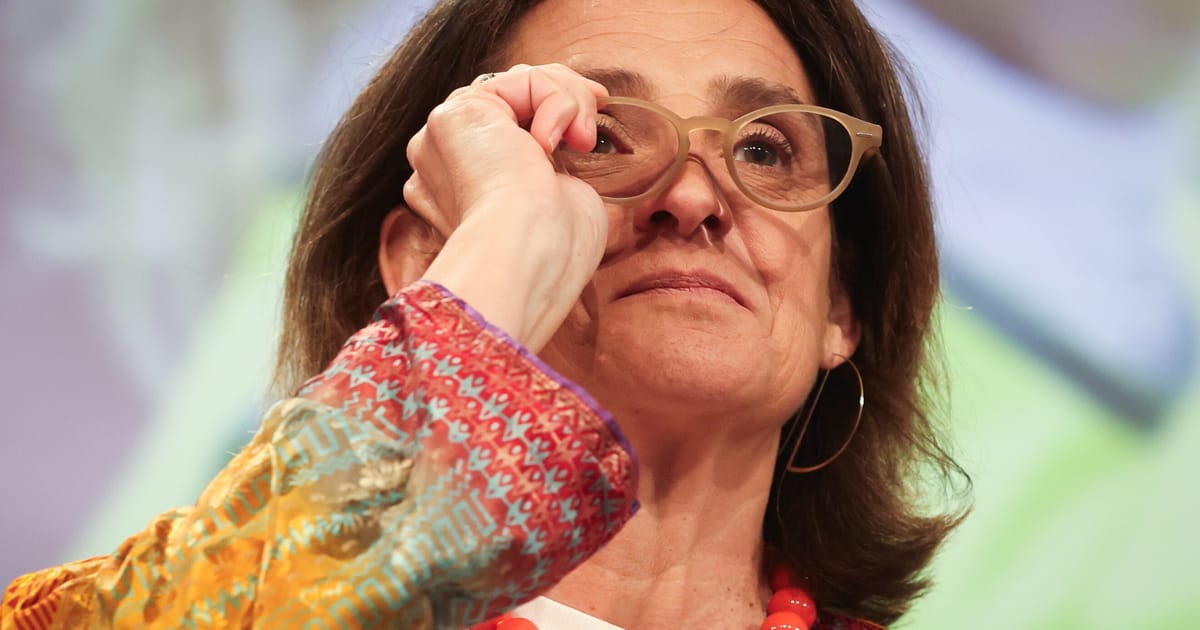
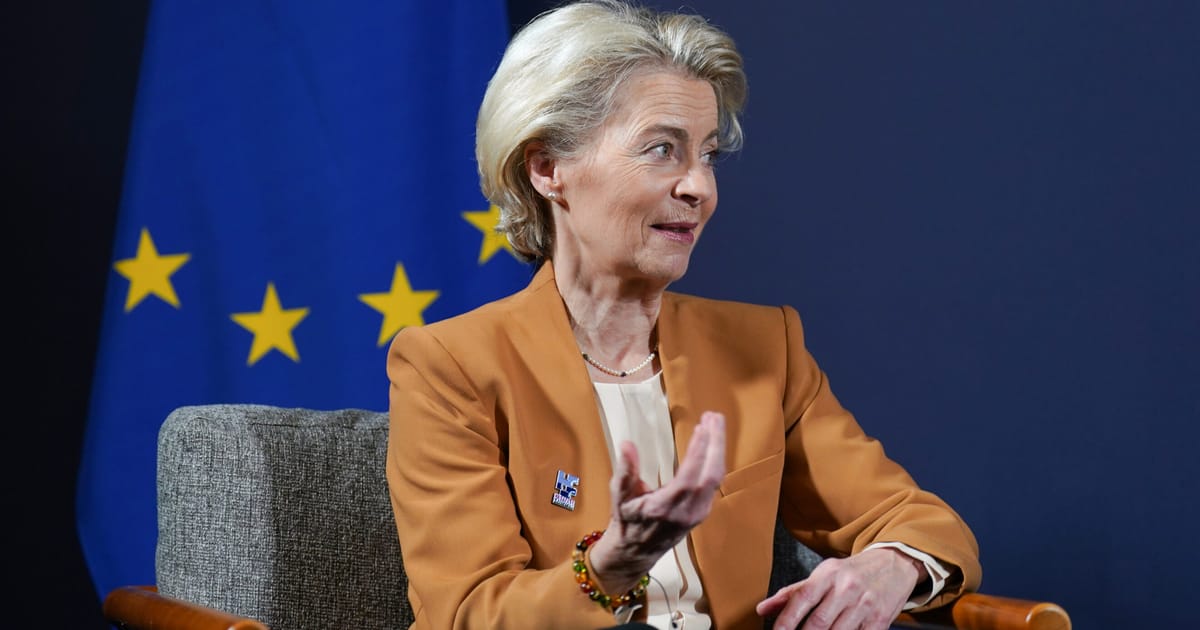
Ursula von der Leyen faces internal rebellion within her party over the 2040 climate goal, with EU conservatives criticizing the Green Deal and fueling the far right, as warned by Spain's deputy PM Teresa Ribera. The EU received a negative climate report card, highlighting the need for massive changes, while John Kerry's climate legacy is questioned. Additionally, concerns arise about the potential backlash from the losers of the green revolution in 2024.
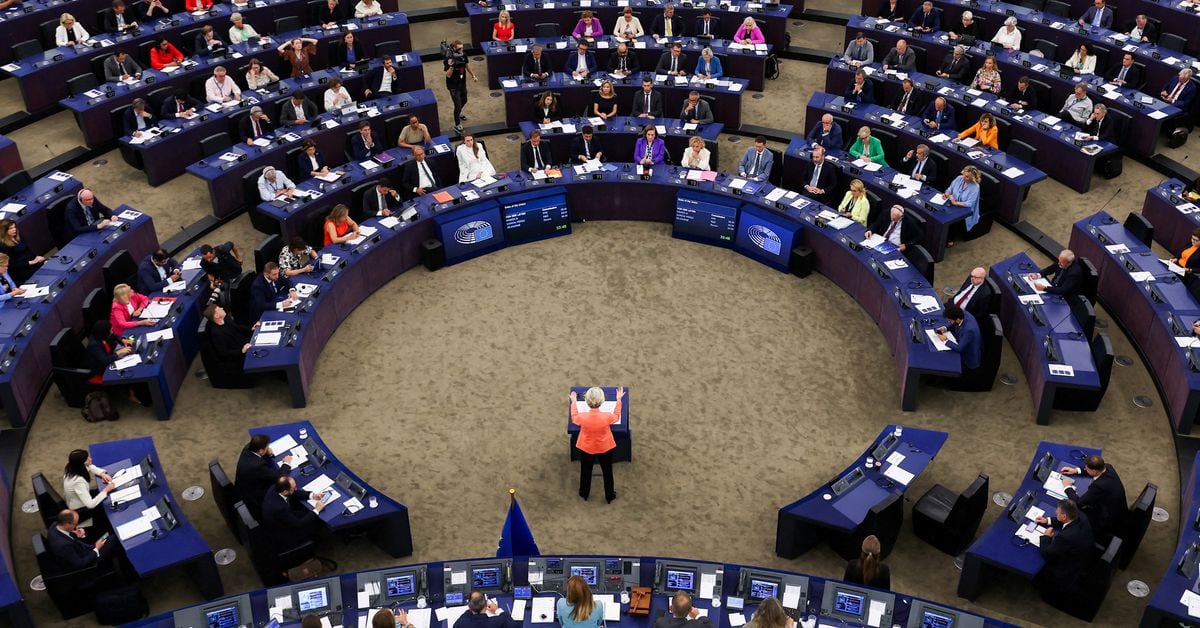
The European Union's green initiatives, including the ambitious Green Deal aimed at achieving net zero carbon emissions by 2050, may face challenges as nationalist and conservative parties gain traction in the European Parliament. The electoral success of these parties, which are skeptical of the costs associated with the green transition, could lead to a dilution of environmental policies. Recent setbacks, such as the rejection of a bill to curb pesticide use and the weakening of waste reduction targets, indicate a growing resistance to stringent environmental legislation. With the next European Parliament elections approaching in June 2024, there is concern that the continent's green policies might be compromised if pro-environment socialist and green lawmakers lose ground to the rising influence of nationalist and conservative factions.
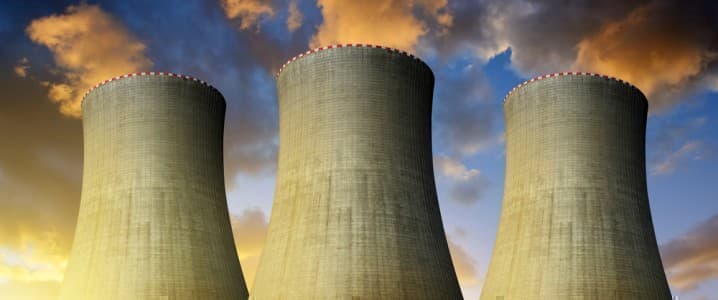
The EU has delayed a vote on the bloc's renewable energy targets as member states continue to argue about the role of nuclear power in the clean energy targets. The Renewable Energy Directive is a key part of the European Green Deal, the agreement paving the way for the EU to become a carbon-neutral bloc by 2050. The provisional deal needs to be endorsed by the EU member states and the European Parliament to become a binding law.
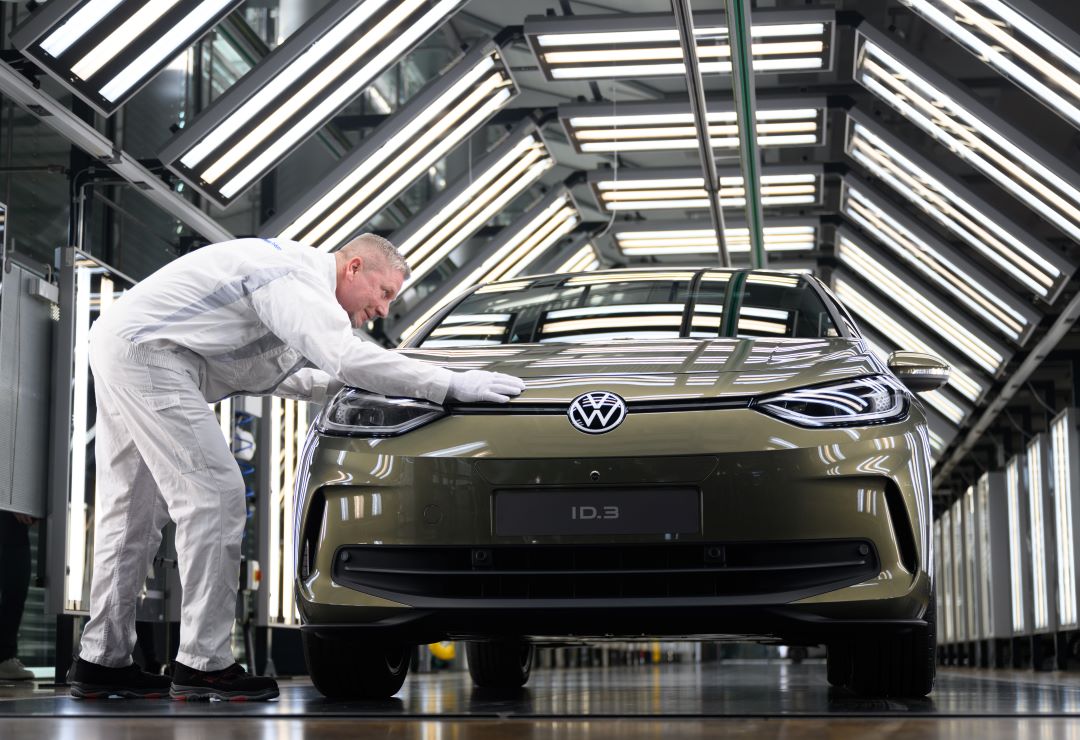
The EU's Green Deal Industrial Plan (GDIP) is a flawed policy of corporate handouts that props up already huge corporate profits with public budgets, instead of one based on a collective debate about social and ecological needs that could determine Europe's strategic industrial interests. The plan is centered on products like batteries, solar, windmills, biofuels, and hydrogen or carbon capture, and storage technologies that are inefficient, costly, unrealistic at scale, and causing damaging social and environmental impacts, but which work well for increasing the profits of large corporations. The GDIP offers no democratic revamp of industrial policy able to meet societal needs like quality jobs, public transport and services, and access to affordable renewable energy.