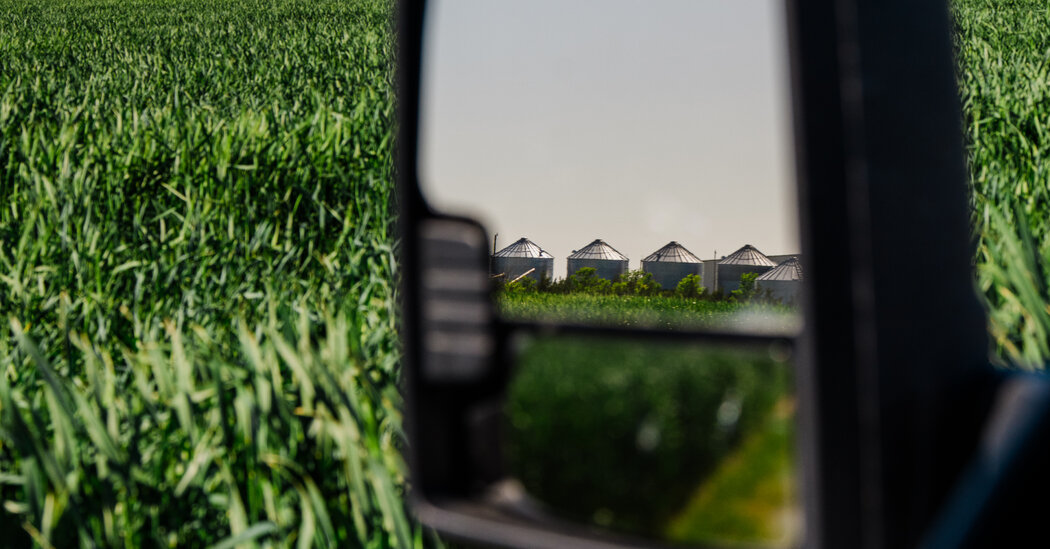
The article discusses how recent cuts by the Trump administration have severely impacted Kansas farmers by reducing food aid programs like Food for Peace, leading to surplus grain being sold for animal feed or dog food, and causing economic hardship for local farmers and related industries.
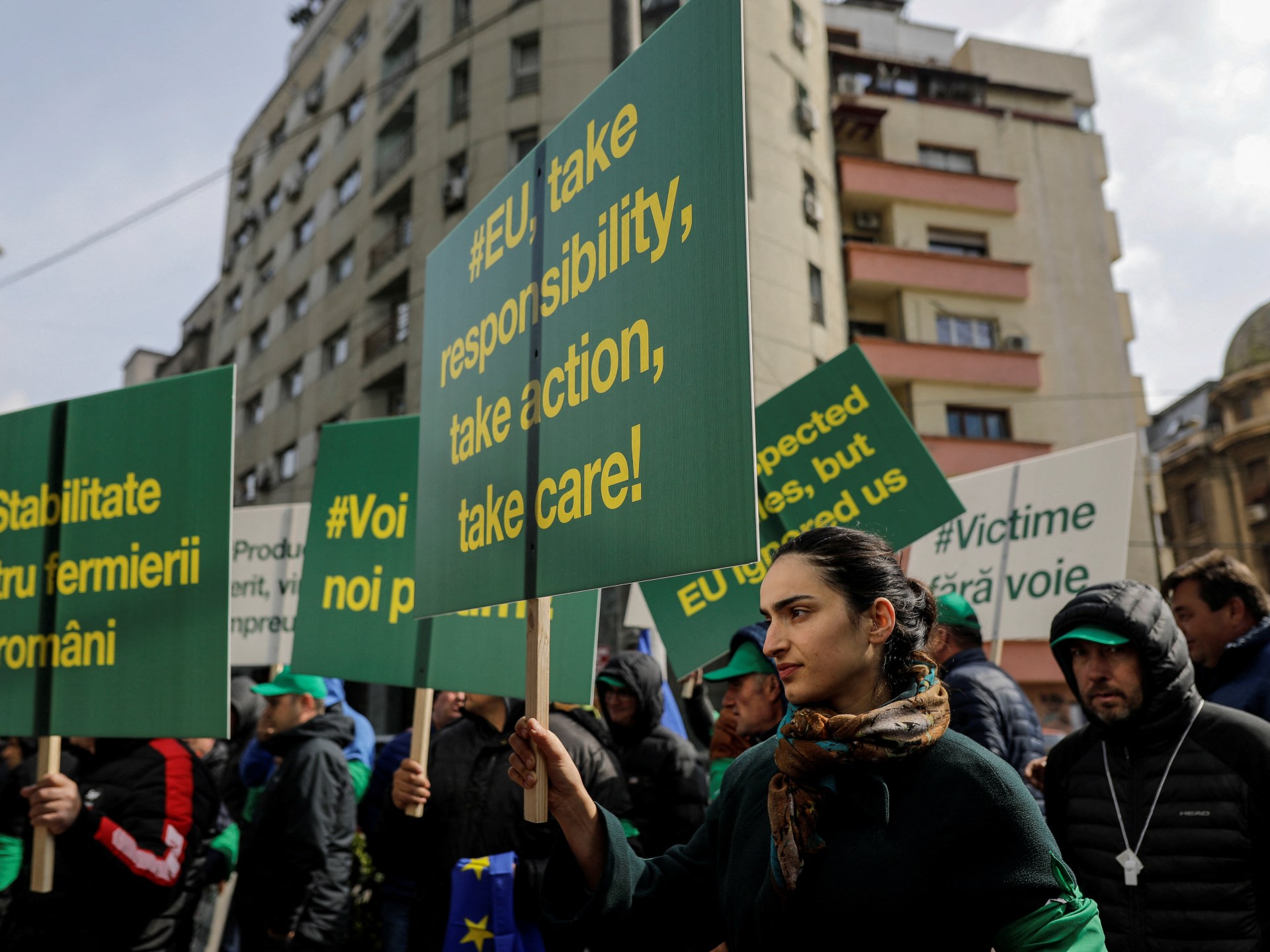
Ukrainian farmers are protesting the destruction of their grain by Polish farmers, who are upset over cheap grain imports mandated by the EU. The EU's tariff-free access to Ukrainian grain has caused unrest among farmers in eastern member states, who claim it undercuts their livelihoods. Despite the EU's financial assistance to offset losses, protests at border crossings have persisted, with Polish farmers demanding the scrapping of rules allowing cheap Ukrainian grain into the bloc. The ongoing conflict between Russia and Ukraine has also disrupted grain exports, impacting global supplies.
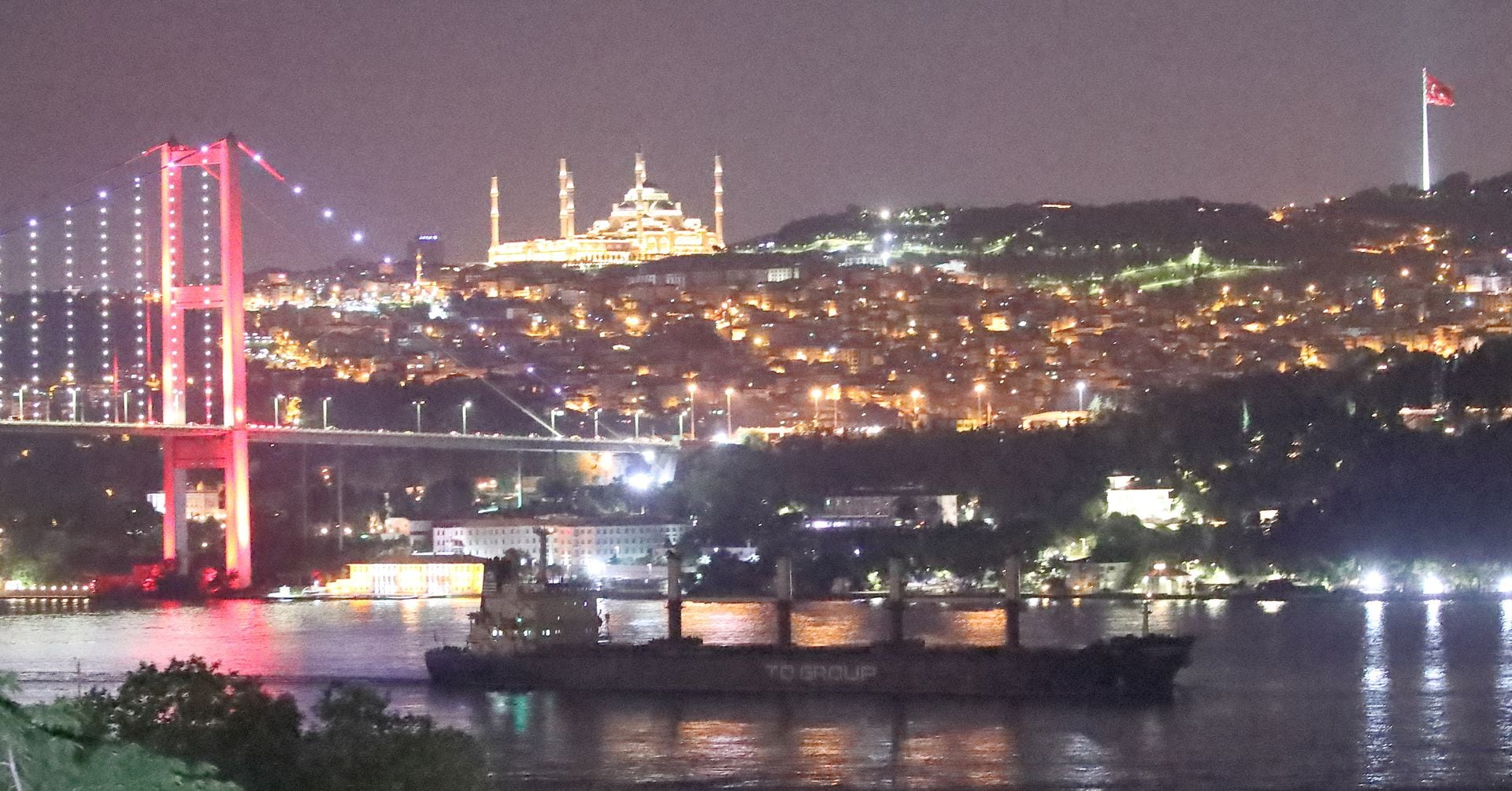
Turkish President Erdogan plans to discuss a new mechanism for allowing Ukrainian grain exports through the Black Sea with Russian President Putin during an upcoming visit. Efforts are being made to find alternative methods for transporting Ukrainian grain to world markets after Russia pulled out of the Black Sea Grain Initiative. Despite the absence of the accord, some ships have managed to transport Ukrainian grain from the Black Sea, and Turkey aims to address this de-facto situation with the new mechanism.
Despite Russia's naval blockade, Ukraine has successfully resumed its grain exports through the Black Sea, thanks to a combination of brave decisions, successful military operations, and international support. Ukrainian and Romanian port infrastructure near the Danube River mouth has played a crucial role in increasing export volumes, with Romanian support being central to this success. The Ukrainian military has challenged Russian naval superiority in the Black Sea, pushing the Russian navy back and opening the way for shipping to resume. The West could do more to support Ukraine and develop a Black Sea strategy that discourages further Russian aggression.
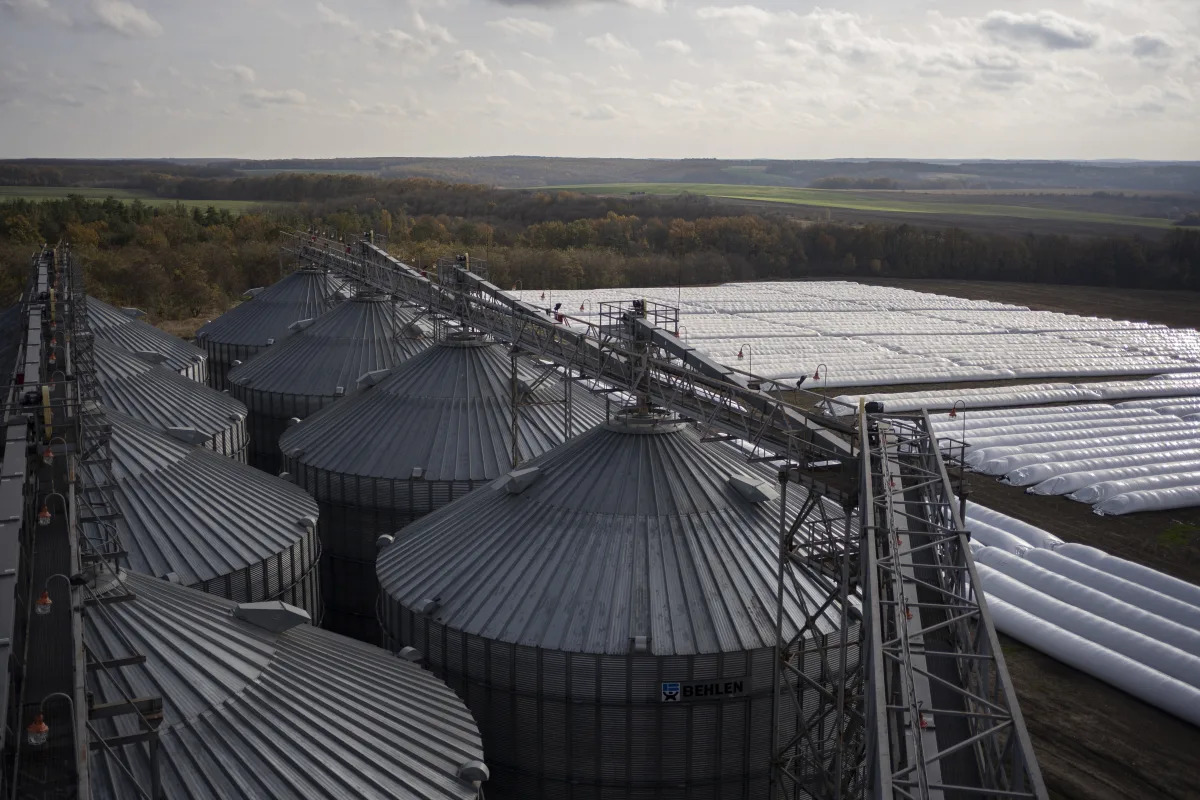
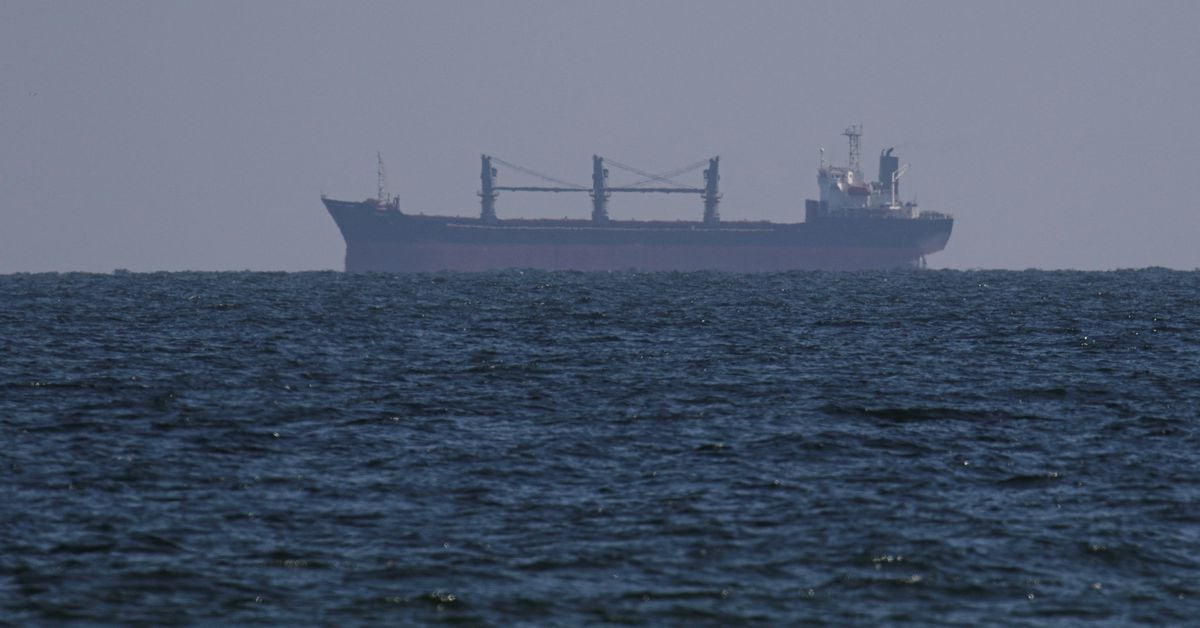
Ukraine has established a new shipping corridor in the Black Sea to export grain and other food products, despite threats from Russia. The corridor, protected by the military, has allowed Ukraine to increase its agricultural exports and provide affordable food to regions facing food insecurity. Although there is a risk of attack and floating mines, growing numbers of ships are heading to Ukraine's ports, boosting the country's economy. Russia had previously attacked Ukraine's ports and grain infrastructure, but the new corridor has enabled Ukraine to continue exporting over 5.6 million metric tons of grain.
Ukraine has established a new shipping corridor in the Black Sea to export grain and other food products, despite the threat of attack from Russia. The corridor, protected by the military, has allowed Ukraine to increase its agricultural exports and provide affordable food products to regions facing food insecurity. Although there are risks involved, such as attacks on ports and floating mines, the shipping corridor has boosted Ukraine's economy and brought back a key source of wheat, corn, barley, and sunflower oil to Africa, the Middle East, and Asia. The new corridor has helped Ukraine export over 5.6 million metric tons of grain and other products, but it still has a long way to go to reach pre-war export levels.
Ukraine's new temporary trade route in the Black Sea, established to move food exports out of its ports near Odesa, is showing potential despite initial concerns. The corridor has allowed Ukraine to export nearly 700,000 metric tons of grain, although this is significantly lower than the volumes exported under the previous grain initiative. The route has become a lifeline for Ukrainian farmers, but concerns remain due to Russian threats. The Black Sea route offers advantages over the Danube River ports, including deeper seaports and the ability to accommodate larger vessels. However, the Danube remains the favored option due to perceived safety and logistical challenges. Ukraine is taking measures to ensure security and has partnered with insurance brokers to provide coverage for ships leaving its ports.
Ukraine's navy has announced that 12 more cargo vessels are prepared to enter a newly established Black Sea shipping corridor, defying Russia's de facto blockade on Ukrainian sea exports. The move comes after Russia withdrew from a deal that allowed Ukraine to safely ship food products through its main export corridor. Ukrainian authorities have set up a temporary "humanitarian corridor" for cargo vessels, with several ships already departing from Black Sea ports. The navy spokesperson stated that Ukraine's defense forces are ensuring the safety of civilian ships in their territorial waters, as they proceed into the waters of NATO member countries. However, Ukrainian grain exports have declined by 24% due to blocked export routes and Russian attacks on Ukrainian ports.
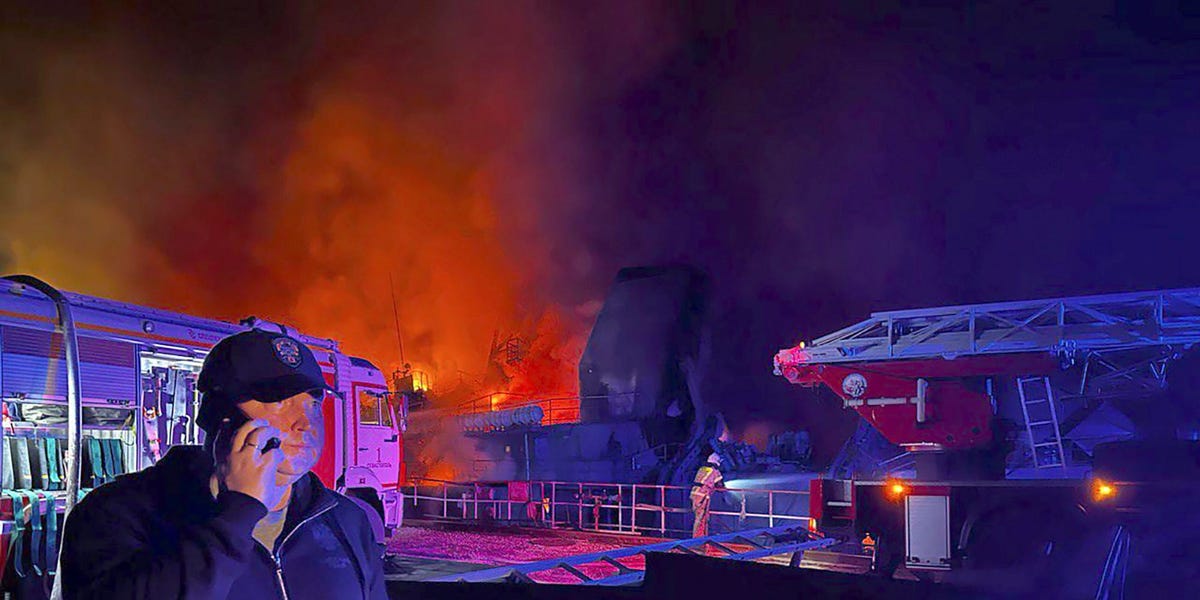
Ukraine has escalated its attacks on Russia's Black Sea Fleet, causing significant damage to Russian equipment and infrastructure in the occupied Crimean Peninsula. The increased tension comes after Russia withdrew from a UN-brokered deal that allowed Ukraine to export grain. Ukraine, known as "Europe's breadbasket," relies on access to Black Sea ports for its grain exports. However, Ukraine has recently established a new shipping corridor in the Black Sea, bypassing Russia's port blockades. The success of this new route may be attributed to Ukraine's ability to target Russian warships and deter them from entering Ukrainian waters. The economic interests of Ukraine in the Black Sea region add another layer to the ongoing conflict.
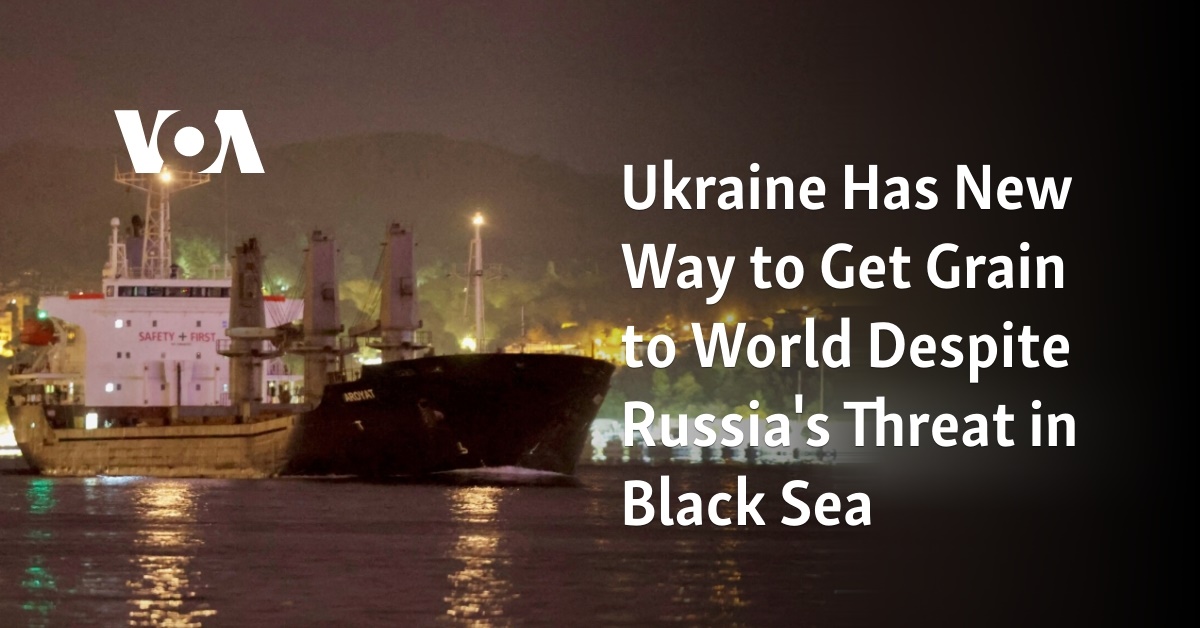
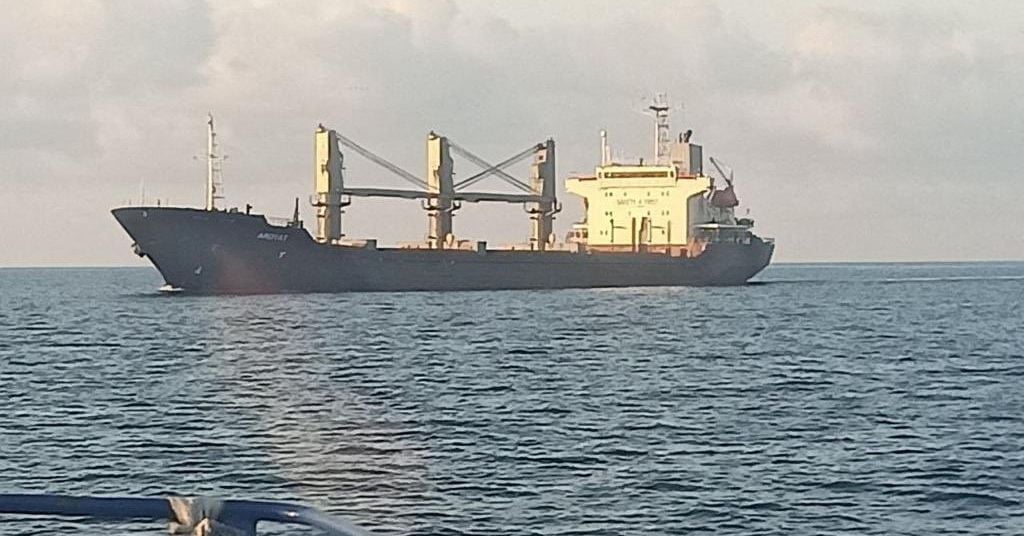
The first large grain ship has left a Ukrainian Black Sea port since Russia abandoned a UN-backed grain deal in July, which led to a de facto blockade. The ship, Aroyat, loaded with 17,600 metric tons of Ukrainian wheat for Egypt, departed from the port of Chornomorsk. This follows the smaller vessel, Resilient Africa, which left earlier in the week. Ukraine has established a temporary humanitarian corridor to bypass the blockade, allowing ships without grain to leave. Russia closed off the Black Sea ports after invading Ukraine, citing concerns about weapons smuggling. Moscow has launched attacks on Ukrainian grain export infrastructure, while Kyiv accuses Russia of using food supplies as blackmail.
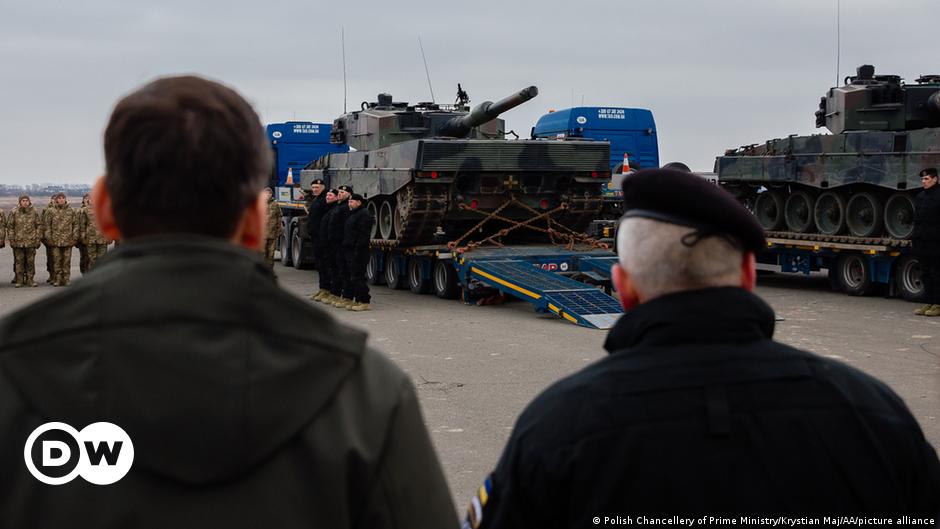
Poland has announced that it will no longer supply weapons to Ukraine but will fulfill previously agreed deliveries. Prime Minister Mateusz Morawiecki stated that Poland will focus on its own defense and arming itself with more modern weapons. The move comes amid a growing row over grain exports, with Poland banning Ukrainian grain imports to protect its farmers. Tensions between Warsaw and Kyiv have escalated, leading to the summoning of the Ukrainian ambassador. Polish officials defended the decision, emphasizing their previous support for Ukraine. The United States sought to reassure that the move would not affect alliance unity or Poland's determination to support Ukraine.
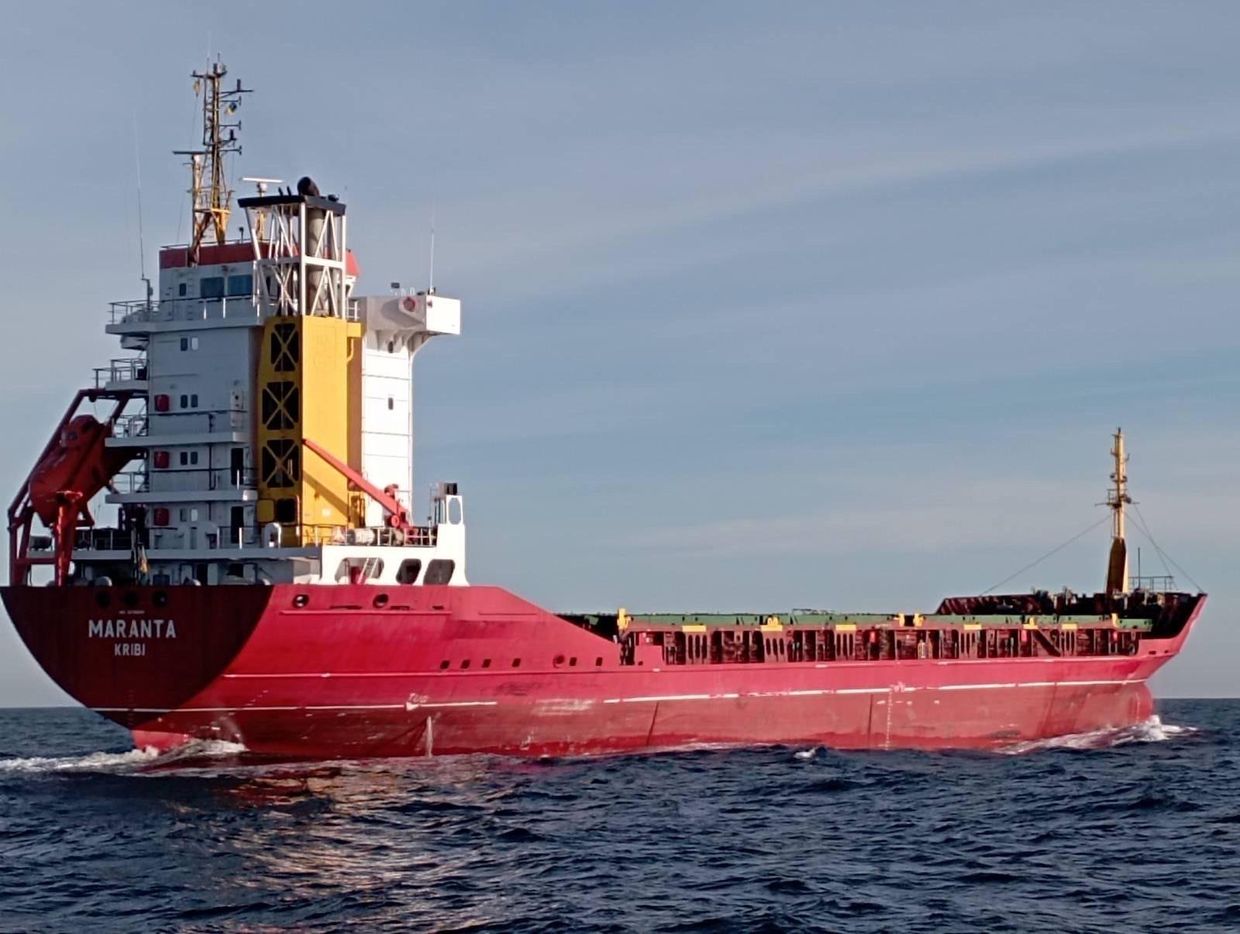
Two cargo vessels are heading to Ukrainian ports to load grain, becoming the first ships to use a temporary corridor in the Black Sea. This corridor was established by Ukraine to release ships trapped in its ports since the start of the war with Russia and to bypass a de facto blockade. The bulk carriers, "Resilient Africa" and "Aroyat," are transporting almost 20,000 tons of wheat for Africa and Asia. This test of Ukraine's ability to reopen shipping lanes comes as Russia attempts to reimpose its blockade and launches attacks on Ukrainian grain export infrastructure. The Black Sea grain deal, brokered by the UN and Turkey, aims to combat a global food crisis exacerbated by Russia's invasion of Ukraine.
Poland, Hungary, and Slovakia have imposed import restrictions on Ukrainian grain after the European Commission's ban on grain shipments from Ukraine expired. The ban had caused market distortions and anger among local producers. Meanwhile, North Korean leader Kim Jong Un visited Vladivostok in Russia, where he viewed aviation equipment and missile systems, raising concerns about a potential arms deal between Moscow and Pyongyang. Ukrainian President Volodymyr Zelensky vowed to respond civilly to the import restrictions, while Russia denied signing any military-technical cooperation agreements with North Korea. In other news, Ukraine's President is set to visit Washington next week to seek additional aid, and the US Ambassador to Russia visited detained Wall Street Journal reporter Evan Gershkovich. Additionally, UNESCO added Kyiv's St. Sophia Cathedral and Lviv to its World Heritage in Danger list, and Finland banned Russian-registered cars from entering its territory. Britain officially banned Russia's Wagner Group and Belarusian President Alexander Lukashenko suggested a "three-way cooperation" with Russia and North Korea.
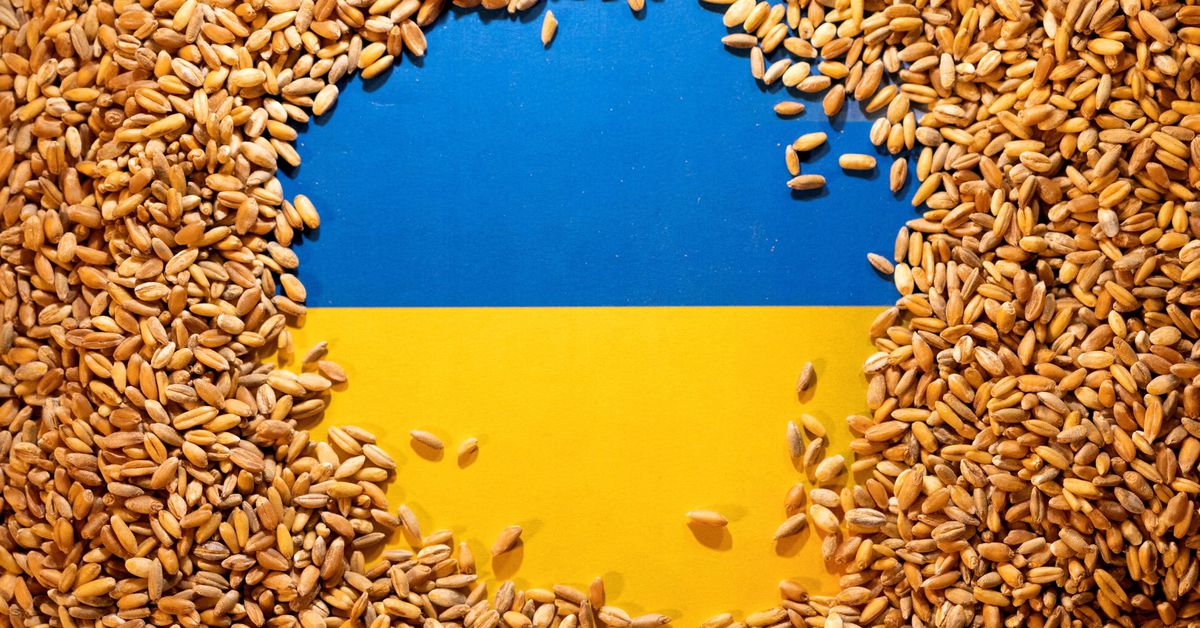
Tensions have arisen between Ukraine and its ally Poland over grain exports, causing concerns within the European Union. Poland, a strong supporter of Ukraine during wartime, is now facing an election issue as the influx of Ukrainian grain has led to depressed prices, prompting farmers to hold onto their harvest. The trade dispute has been exacerbated by Russia's blockage of Ukrainian food exports.
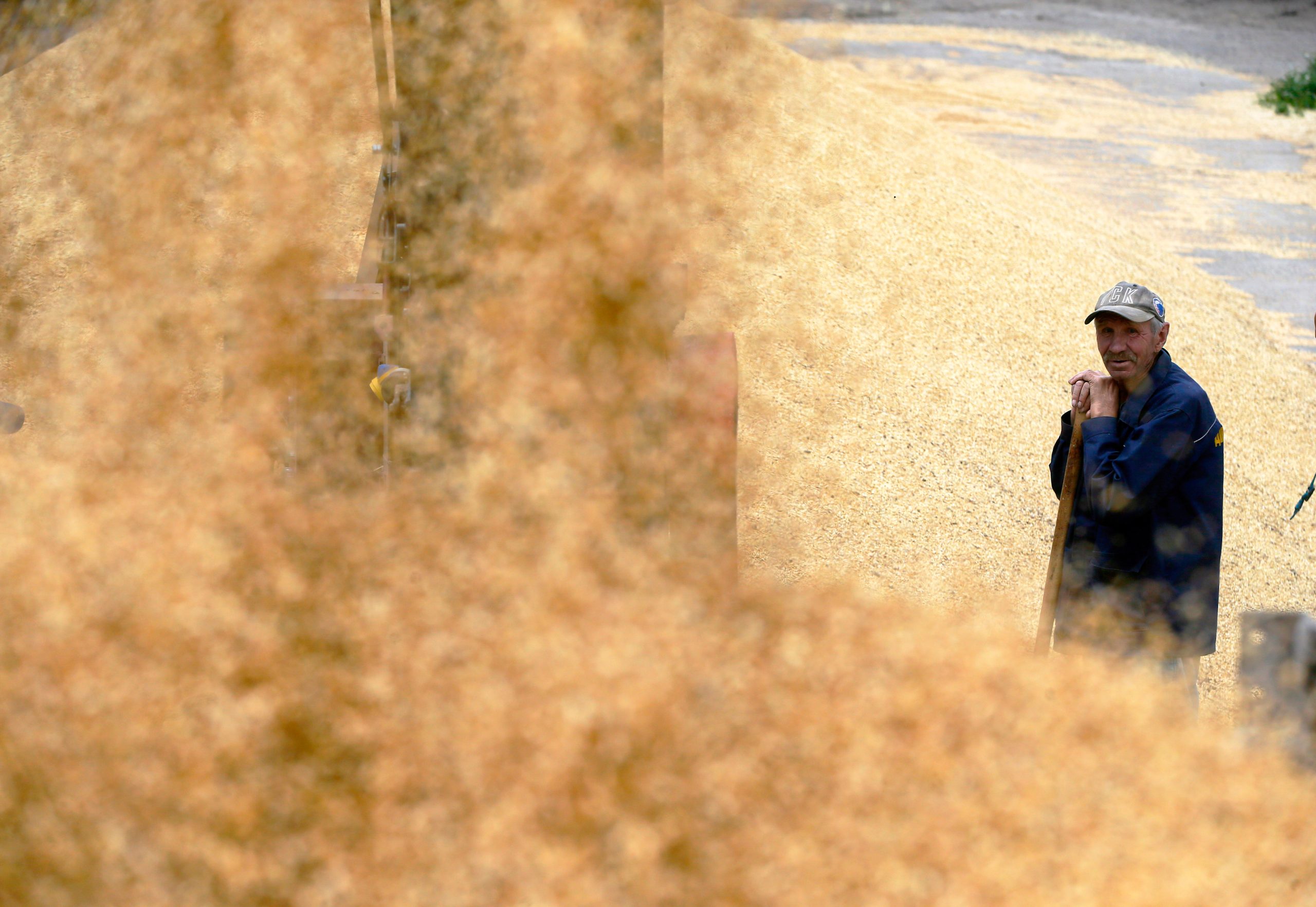
Ukraine's farmers, such as Valery Kolosha, are facing the consequences of Russia's restrictions on Ukraine's grain exports, resulting in a struggling market and economic impact.