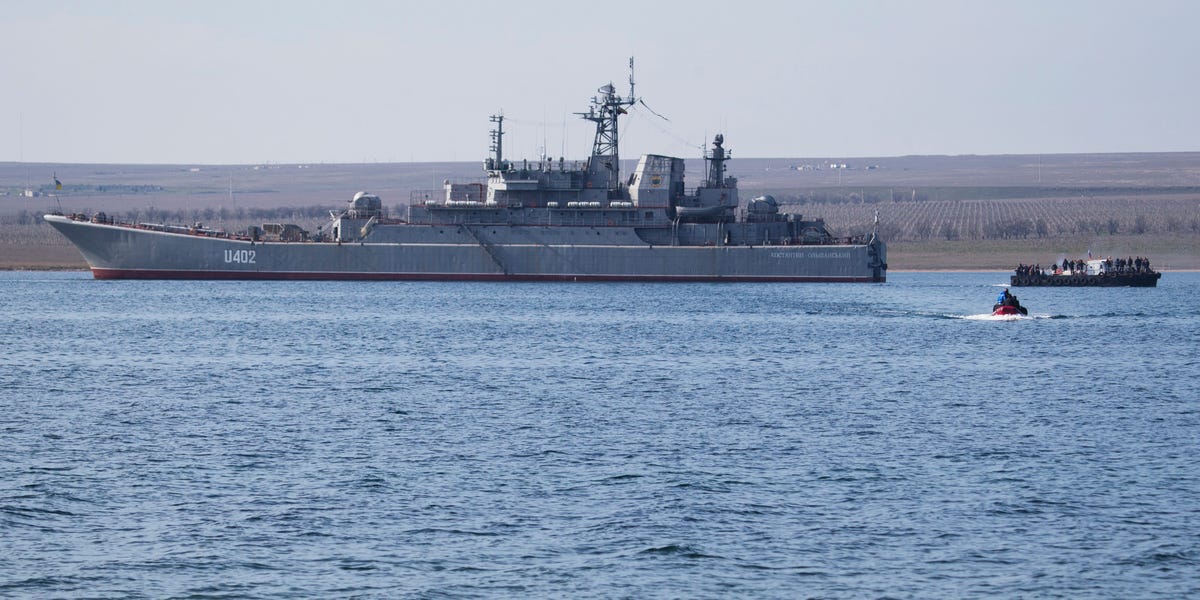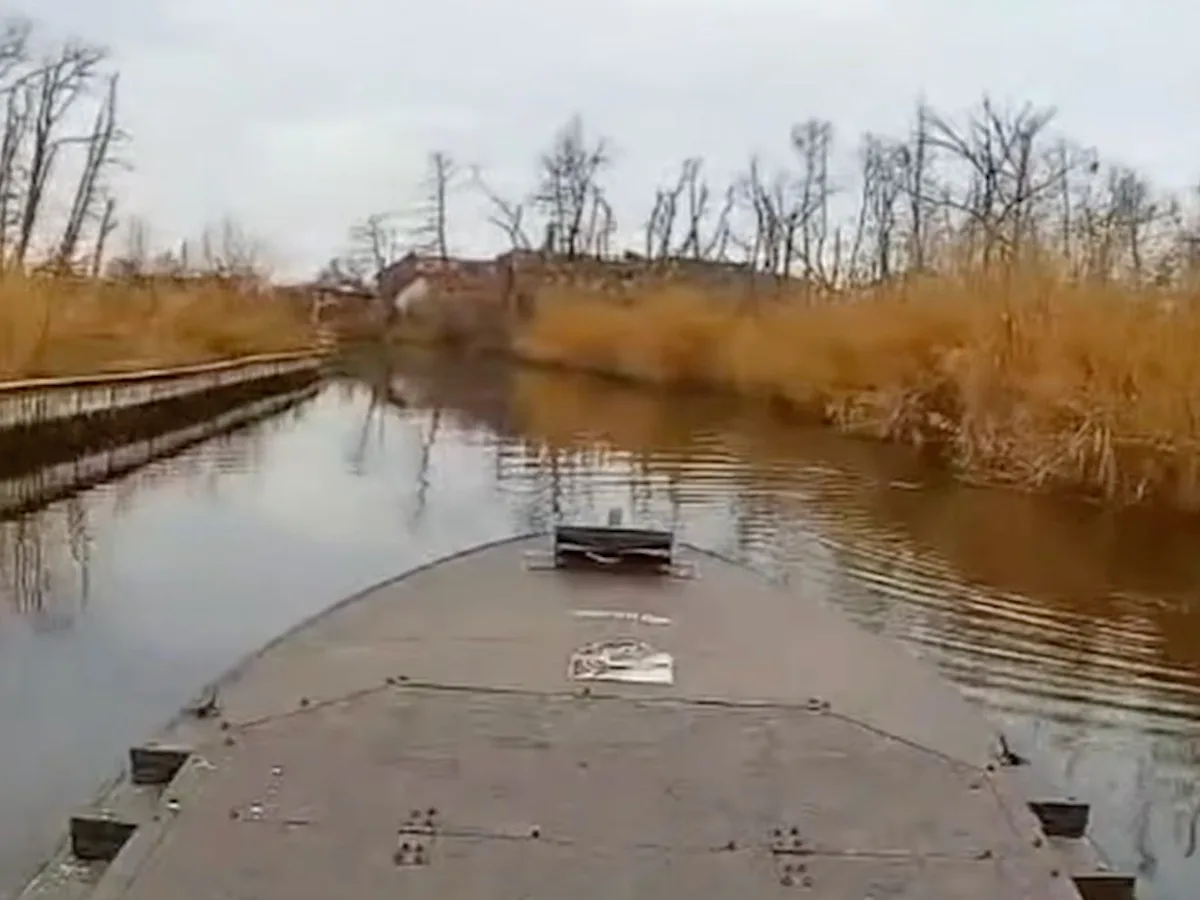
Ukraine's naval drones are expanding their operational scope from open ocean to inland waterways, successfully targeting Russian positions and vessels in confined waters like the Dnipro River, using new drone technology such as the Barracuda to weaken Russian naval assets and enhance Ukraine's asymmetric warfare capabilities.
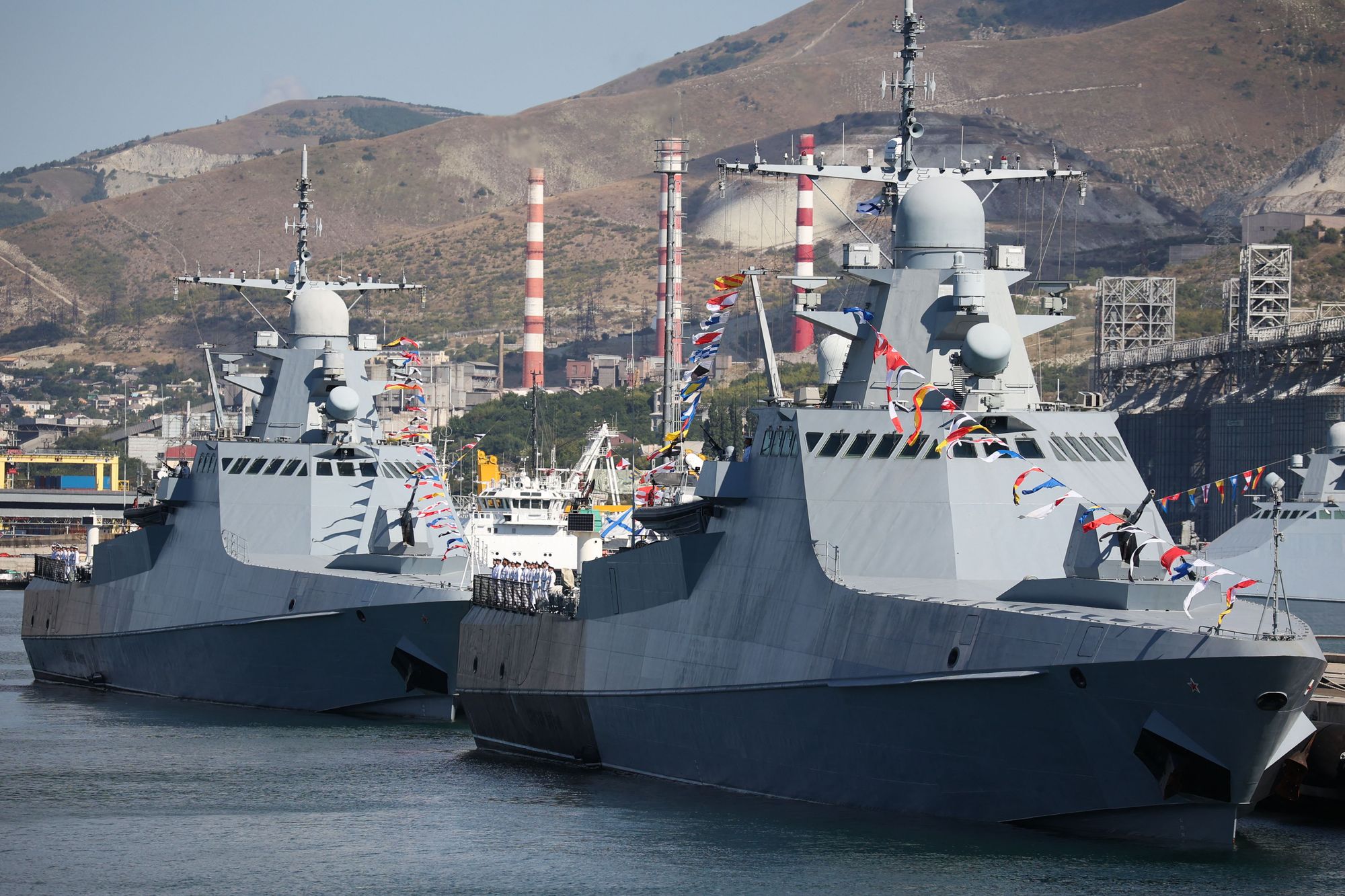
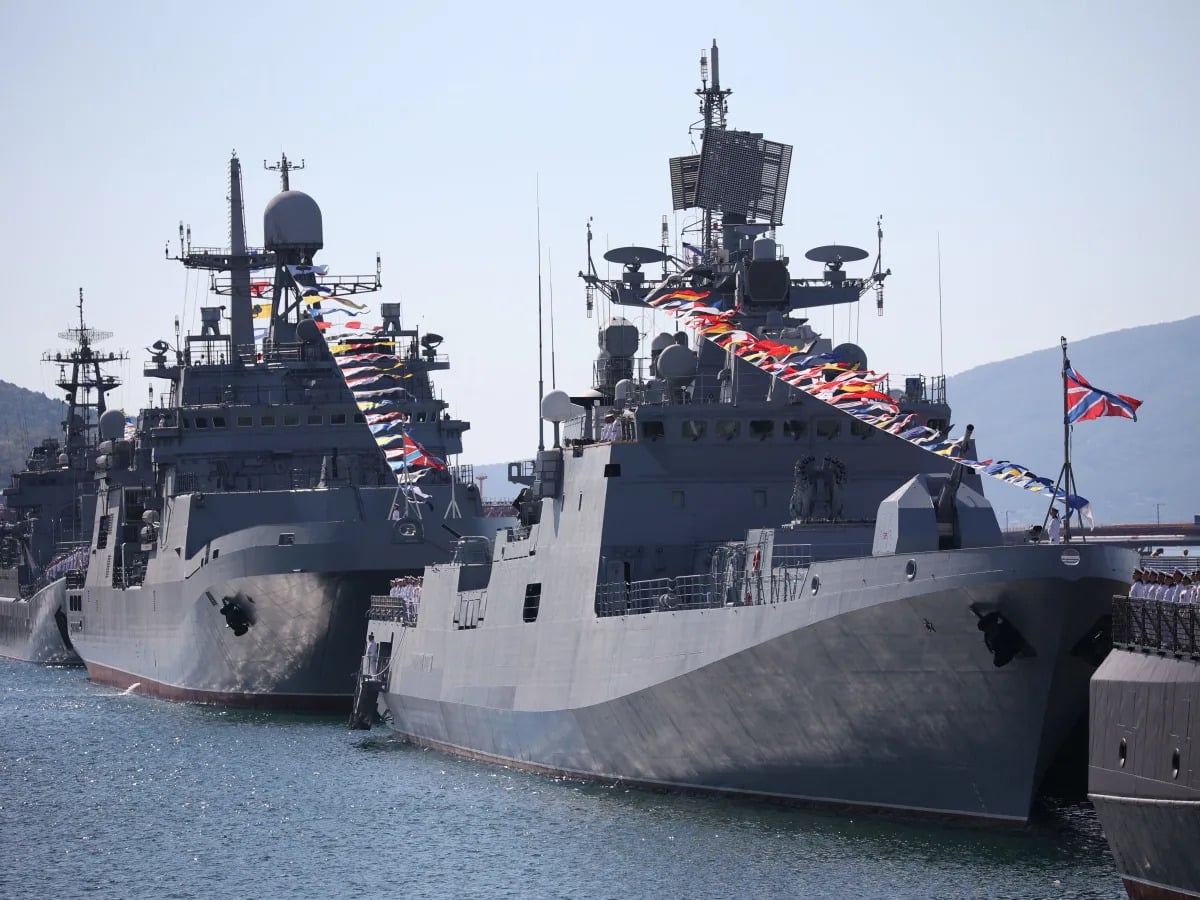
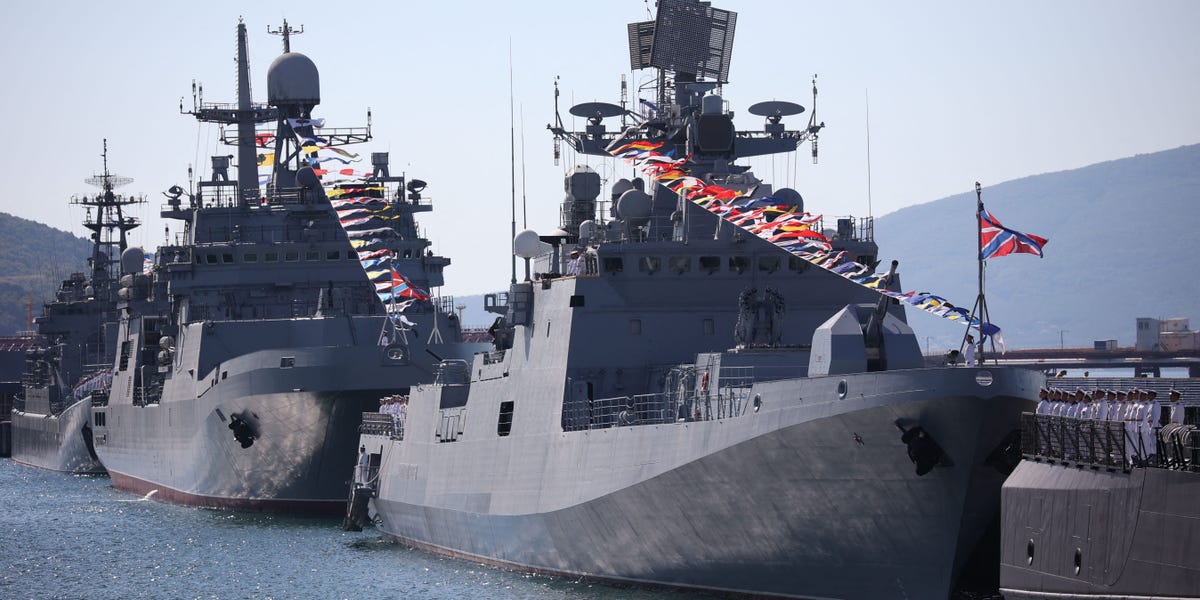
Russia plans to reinforce its Black Sea Fleet with new ships, aircraft, and robotic systems despite suffering significant losses to Ukraine, including the sinking of its flagship Moskva, as it aims to restore its maritime power and counter NATO influence in the region.
In Ukraine, a military intelligence unit led by a figure known as "Thirteenth" has developed unmanned sea drones that have significantly impacted Russia's Black Sea fleet. These drones, created by "Group 13" of Ukraine's HUR, have sunk or damaged numerous Russian ships, showcasing a cost-effective and innovative approach to naval warfare. Despite initial challenges, the drones have proven effective, particularly in swarms, and continue to evolve as Ukraine seeks to enhance their range and capabilities. Thirteenth emphasizes the ongoing nature of this technological battle and calls for continued Western support against Russia.
A senior Russian naval officer, Valery Trankovsky, was killed by an improvised explosive device in Sevastopol, with Ukraine's Security Service (SBU) claiming responsibility. The SBU described the attack as a special operation targeting Trankovsky for his role in planning missile strikes on Ukrainian civilian targets, including a deadly attack on a shopping mall in Vinnytsia. The incident highlights ongoing tensions and conflict between Russia and Ukraine, particularly in the strategically significant Black Sea region.
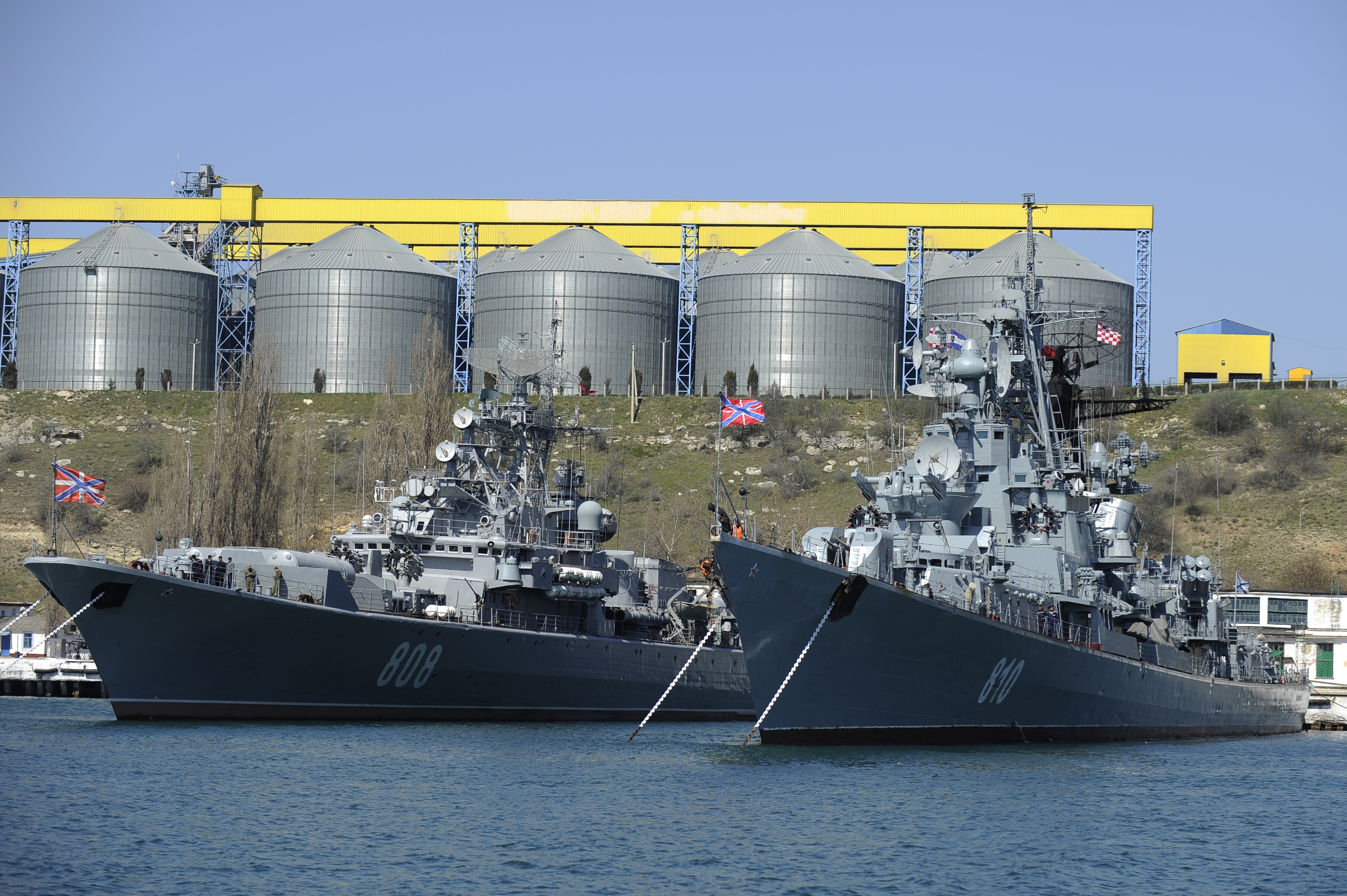
Russia has withdrawn its last Black Sea Fleet warship from Crimea, according to Ukrainian officials, marking a significant shift in naval control in the region. This move follows a series of successful Ukrainian attacks on Russian naval assets, which have forced Russia to relocate its fleet to more secure locations. The withdrawal is seen as a major setback for Russia, both militarily and politically, as it struggles to maintain its presence in the Black Sea.
Ukraine's navy reports that the last Russian patrol ship of the Black Sea fleet has departed Crimea, as Russia struggles with persistent Ukrainian drone and missile attacks. Russia has moved many of its naval assets from Sevastopol to Novorossiysk and is establishing another base in Abkhazia to protect its fleet. Despite significant losses in the Black Sea, Russia's overall naval force remains strong.
Ukraine's navy announced that Russia's last naval patrol ship has left Crimea, likely relocating due to Ukraine's military efforts against the Russian-occupied peninsula. Despite lacking major warships, Ukraine has significantly damaged the Russian Black Sea Fleet using missiles and naval drones.
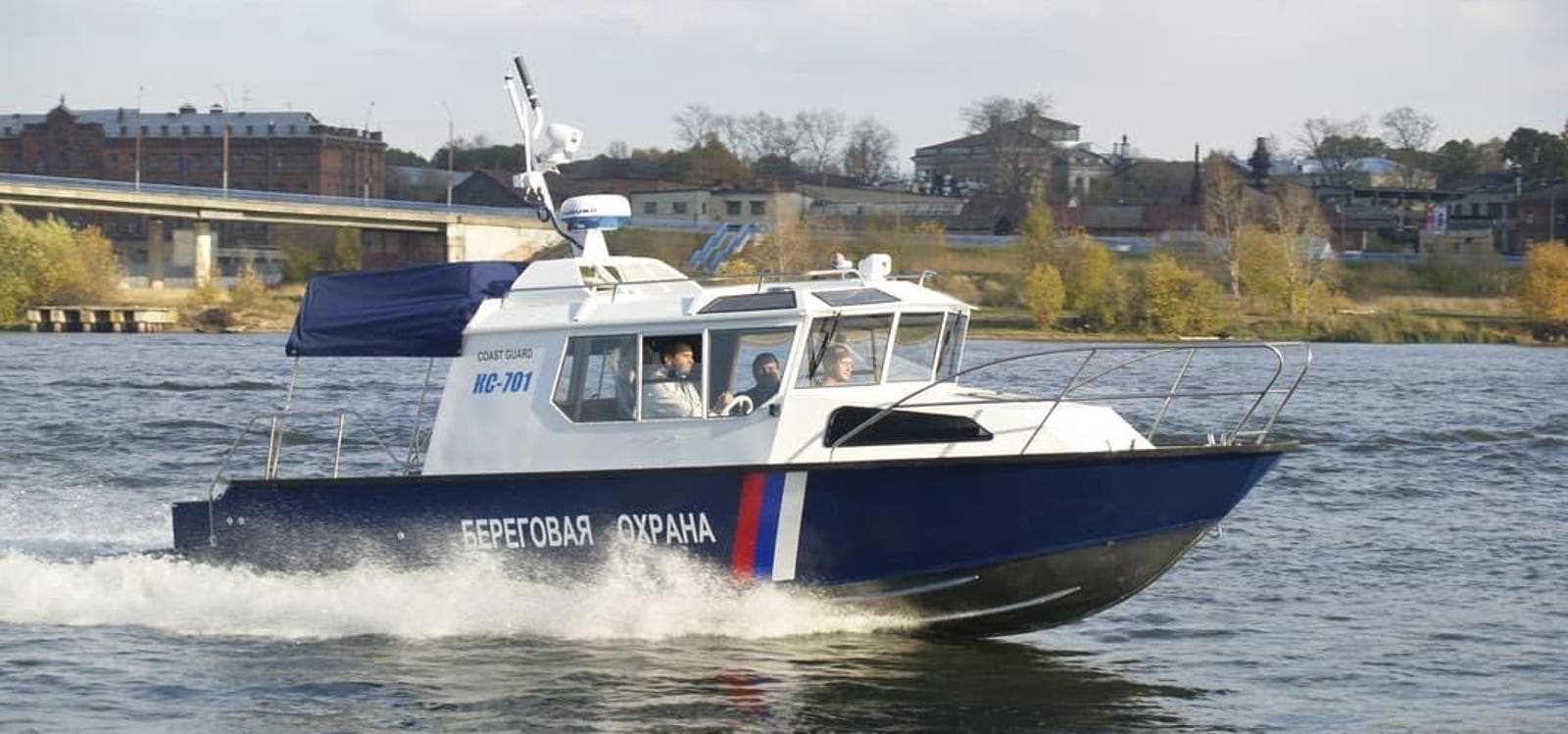
Ukraine has shifted its focus to targeting smaller Russian vessels left in Crimea after larger warships retreated to safer ports. In a recent raid, Ukrainian explosive-laden drone boats struck four KS-701 patrol boats, sinking two and damaging two others, significantly impacting the Russian Federal Security Service's maritime capabilities in the Black Sea. This strategy aims to disrupt Russian logistics and supply lines in Crimea.
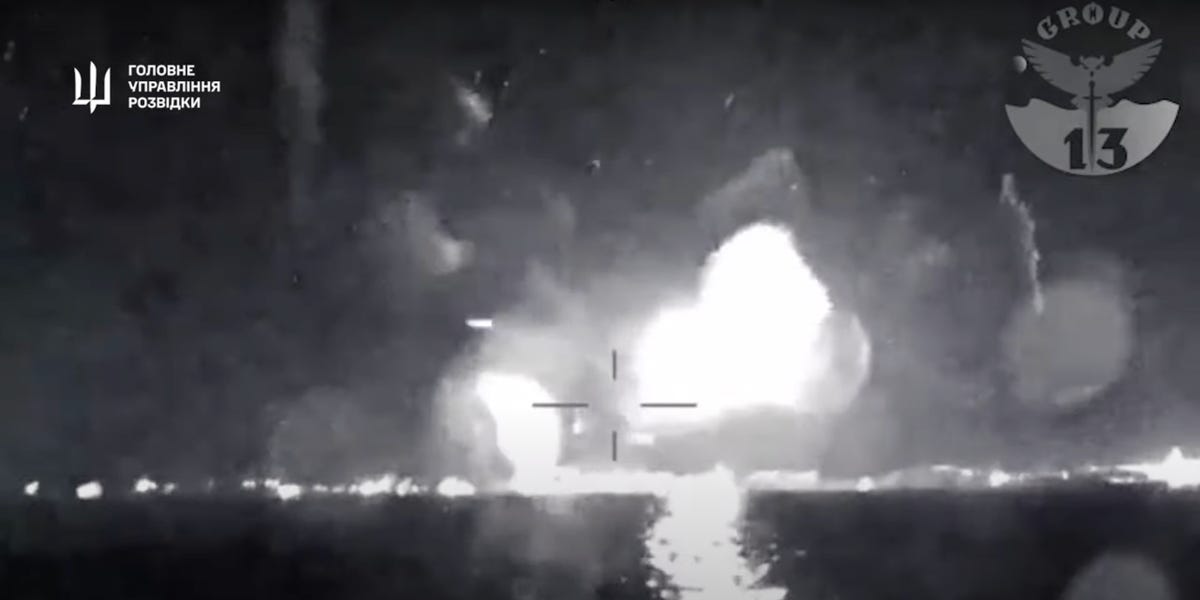
Ukraine used sea drones to strike two Russian naval vessels near Crimea, with footage showing a drone dodging heavy fire to hit a patrol ship. This attack is part of Ukraine's ongoing campaign against Russia's Black Sea Fleet, which has been forced to disperse and relocate due to repeated drone strikes.
A Ukrainian navy captain claimed that Russia's Black Sea Fleet has only one missile ship left in Crimea, which has not launched a single missile, following a series of successful Ukrainian attacks. A senior UK Royal Navy officer stated that 25% of Russia's Black Sea warships had been sunk or damaged. Ukraine has been using missiles and drones to strike Russian ships at Sevastopol, with the latest attacks hitting four vessels. The UK's defense minister described the Black Sea Fleet as "functionally inactive," and Russia's former Commander of the Black Sea Fleet was reportedly fired after the string of successful Ukrainian attacks.
A Ukrainian captain has claimed that Russia's Black Sea Fleet has only one missile ship left in Crimea, the Cyclone warship, which has not launched a single missile. Ukraine has been successfully using missiles and drones to strike Russian ships at Sevastopol, with recent attacks sinking or damaging 25% of Russia's vessels in the Black Sea. The UK's defense ministry reported that Russian vessels have relocated to Novorossiysk port in response to the attacks, and the former Commander of the Black Sea Fleet was fired after the string of successful Ukrainian attacks.
Ukraine claims that Russia has relocated almost all combat vessels capable of firing cruise missiles from Crimea, leaving only the Cyclone warship, which has not launched a single missile. Ukraine has been successful in targeting Russian vessels, including large landing ships and a submarine, using missiles and drones, forcing Russia to relocate some naval assets further from Ukraine's reach. Despite this, Russia remains dominant in much of the Black Sea and is reportedly planning a new military base in Abkhazia.
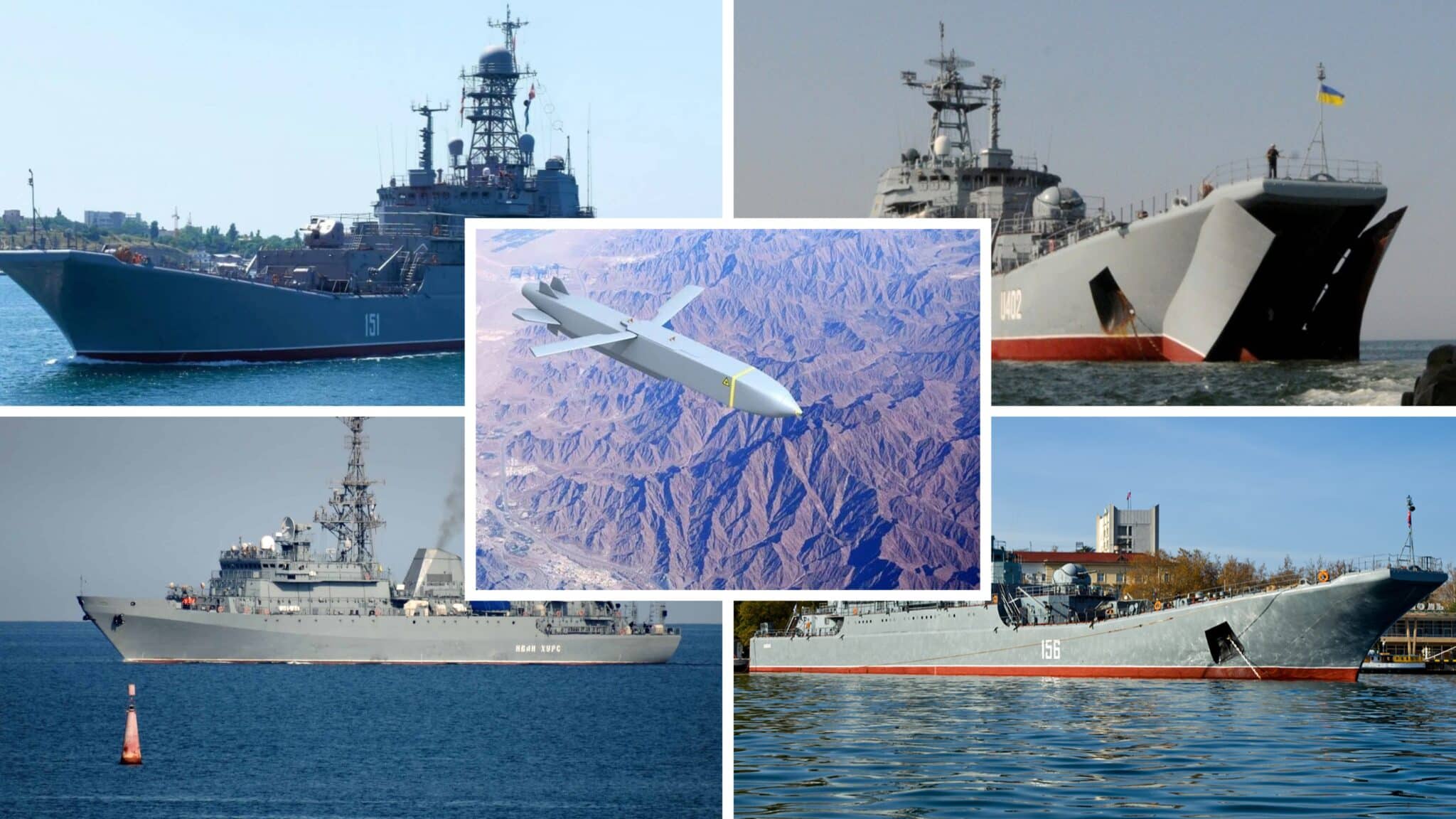
Satellite images shared by British defense officials reveal the extent of damage caused by Ukraine's recent strikes on Russian Black Sea Fleet targets, including two Ropucha-class landing ships and a communications hub in Sevastopol. The attacks have forced Russia to relocate higher naval assets to alternative port facilities further east, diminishing the fleet's ability to project power in the region. Moscow's shift of much of its fleet towards Novorossiysk has hampered its operations in the western part of the sea, but Ukrainian officials note that the port has inferior facilities compared to Sevastopol.
Ukraine's military claimed to have successfully attacked four Russian warships, including the Yamal and Azov, with Storm Shadow missiles in Sevastopol. The extent of the damage is uncertain, but the Russian Black Sea Fleet has suffered significant losses in amphibious ships, impacting its sea logistics capabilities and demonstrating the effectiveness of Russian air defense systems against advanced cruise missiles.
Ukraine revealed that its missile strikes on Russia's Black Sea Fleet were more successful than previously thought, damaging two additional vessels including a spy ship and a large landing ship. The homemade Neptune anti-ship missile was used in the attack, and the ships were reportedly left inoperable. Despite Ukraine's limited naval capabilities, it has continued to harass Russia's Black Sea Fleet using various tactics, prompting Russia to move its vessels to safer ports.