The article criticizes NASA and other government agencies for shifting their outreach focus away from inclusivity towards stereotypical representations of Americans, such as white males from the 1950s, reflecting a broader concern about the direction of public engagement and diversity efforts.
The White House has directed multiple agencies, including unlikely ones like Health and Human Services and Defense, to develop plans to oppose the growth of offshore wind energy, reflecting a government-wide effort to challenge this renewable energy source criticized by some political figures.
The Supreme Court has allowed the Trump administration to proceed with mass layoffs of federal workers, following a legal challenge that argued the president overstepped his authority without congressional approval. While some employees have been notified and are awaiting formal notices, the legality of the layoffs remains uncertain, causing ongoing stress and uncertainty among federal workers. The situation is complicated by early retirements and resignations, which may impact the scale of layoffs and the future of affected agencies.
White House security staff warned that Elon Musk's Starlink internet service installation at the White House posed potential security risks, including bypassing traditional monitoring and security controls, raising concerns about sensitive data exposure and hacking vulnerabilities, although official responses remain cautious and investigations are ongoing.
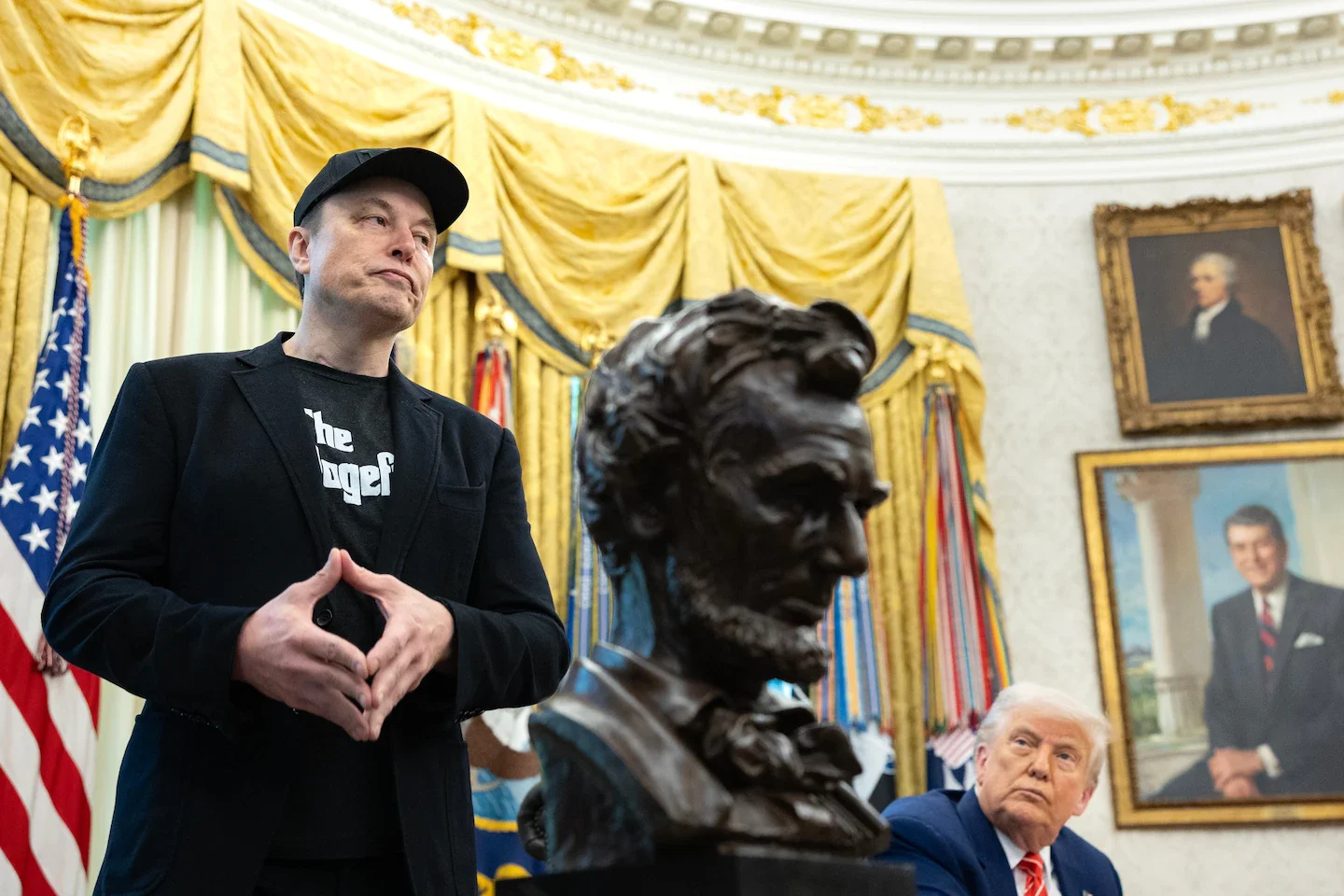
Elon Musk visited the White House to bid farewell after 130 days as a special government employee, during which his actions led to the weakening of his businesses and caused tensions with government officials, including President Trump.
Elon Musk's efforts to cut U.S. federal spending have resulted in modest savings of about $19 billion over four months, far below his initial goal of $2 trillion, with some cuts being reversed or delayed due to legal and procedural issues. The overall impact shows a slight increase in government spending, driven by rising debt interest and ongoing costs, despite targeted reductions in agencies like Education and USAID.
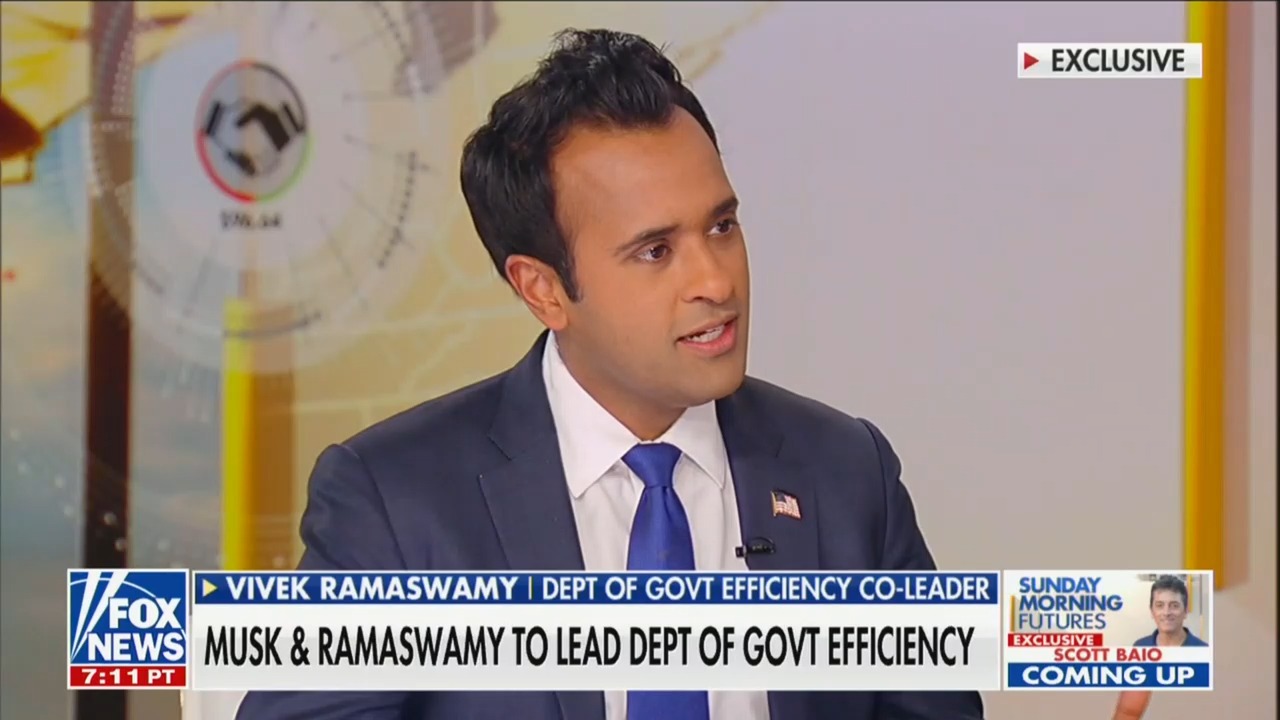
Vivek Ramaswamy, speaking on Fox News, stated his intention to "delete" certain government agencies as part of his political reform agenda. He emphasized the need for significant changes in the structure and function of federal agencies to improve efficiency and accountability.
The ban on iPhone use in Chinese government agencies has expanded to at least eight provinces, with officials instructing employees to use smartphone brands from local companies instead. The ban, which was initially implemented in September, is seen as a major challenge for Apple and other foreign technology companies operating in China. The extent and enforcement of the ban remain unclear.
U.S. Senator Ron Wyden has warned that foreign governments are spying on smartphone users by compelling Apple and Google to provide push notification records. These records, which include information about app usage and unencrypted text displayed in notifications, can be accessed by governments, both foreign and domestic. Wyden called for transparency from Apple and Google regarding the legal demands they receive, particularly from foreign governments. Both companies have expressed a commitment to keeping users informed about requests for push notification records.
Chinese hacker group Earth Lusca has been targeting government agencies worldwide with a new Linux backdoor called SprySOCKS. The malware, which originated from the Trochilus Windows malware, has been adapted for Linux systems and combines features from other malware. Earth Lusca exploits n-day vulnerabilities to gain initial access and deploys Cobalt Strike beacons for remote access. The SprySOCKS loader is dropped to establish persistence and perform various malicious activities, including collecting system information, starting an interactive shell, managing SOCKS proxy configurations, and conducting basic file operations. Organizations are advised to apply security updates to prevent compromise from Earth Lusca.
Russian state-sponsored hacking group APT29, also known as Cozy Bear, used a social engineering campaign on Microsoft Teams to compromise dozens of global organizations, including government agencies. The hackers posed as technical support staff and sent messages to manipulate users into granting approval for multi-factor authentication prompts, allowing them to gain full access to user accounts and exfiltrate sensitive information. Microsoft has mitigated the use of the domains and is investigating the activity, which targeted fewer than 40 organizations across various sectors. This incident follows recent Chinese hacking exploiting a flaw in Microsoft's cloud email service.
Microsoft has revealed that hackers based in China breached the email accounts of approximately 25 organizations, including multiple government agencies. While the affected countries and agencies were not named, at least one U.S. government agency was targeted. The hackers primarily focus on spying on western governments, and Microsoft worked with the federal Cybersecurity and Infrastructure Security Agency to remove them from the compromised systems. The breach occurred between May 15 and June 16, with the hackers primarily seeking access to email accounts. It is unclear whether the hacker group is affiliated with the Chinese government, but China has denied any involvement.
Chinese hackers, suspected to be state-backed, used a security hole in Barracuda Networks' Email Security Gateway to breach hundreds of public and private sector organizations globally, including nearly a third of government agencies. The hackers sent emails containing malicious file attachments to gain access to targeted organizations' devices and data. The majority of the impact was in the Americas, reflecting the geography of Barracuda's customer base. The activity began as early as October and was focused on issues that are high policy priorities for China, particularly in the Asia Pacific region.
Chinese hackers, suspected to be state-backed, breached hundreds of public and private sector organizations globally, including nearly a third of government agencies, using a security hole in a popular email security appliance. The cybersecurity firm Mandiant identified the group as UNC4841 and said they engaged in espionage activity in support of the People’s Republic of China. The hackers sent emails containing malicious file attachments to gain access to targeted organizations’ devices and data. The breach impacted organizations in the Americas, Asia Pacific, and Europe, the Middle East, and Africa. Barracuda Networks’ Email Security Gateway was compromised, and the California company recommended fully replacing the appliances.
Chinese hackers, suspected to be state-backed, used a security hole in Barracuda Networks' Email Security Gateway to breach hundreds of public and private sector organizations globally, including nearly a third of government agencies. The hackers sent emails containing malicious file attachments to gain access to targeted organizations' devices and data. The majority of the impact was in the Americas, reflecting the geography of Barracuda's customer base. The breach was discovered in June, and Barracuda recommended fully replacing the appliances. The U.S. government has accused Beijing of being its principal cyberespionage threat.