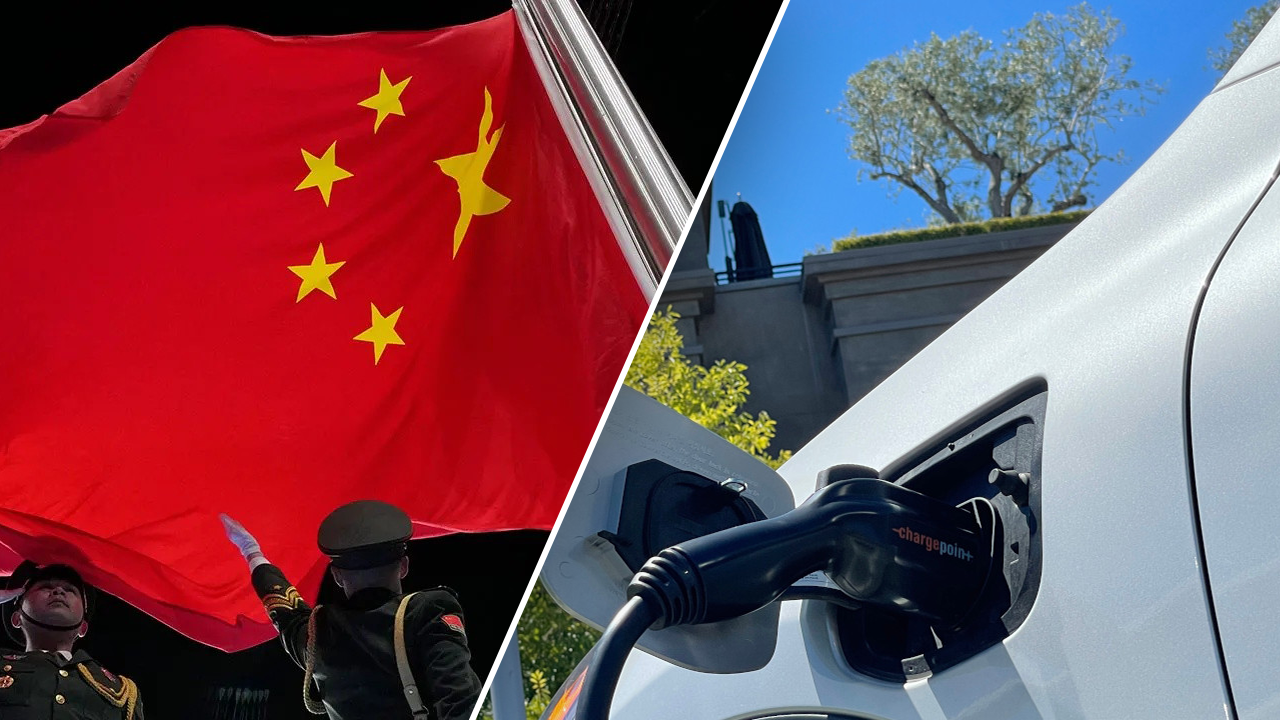
Norwegian and Danish authorities are urgently addressing security concerns after discovering that Chinese-made electric buses, used in Oslo and Denmark, could be remotely accessed and controlled by their manufacturer, raising fears about the safety and security of Chinese EVs across Europe.
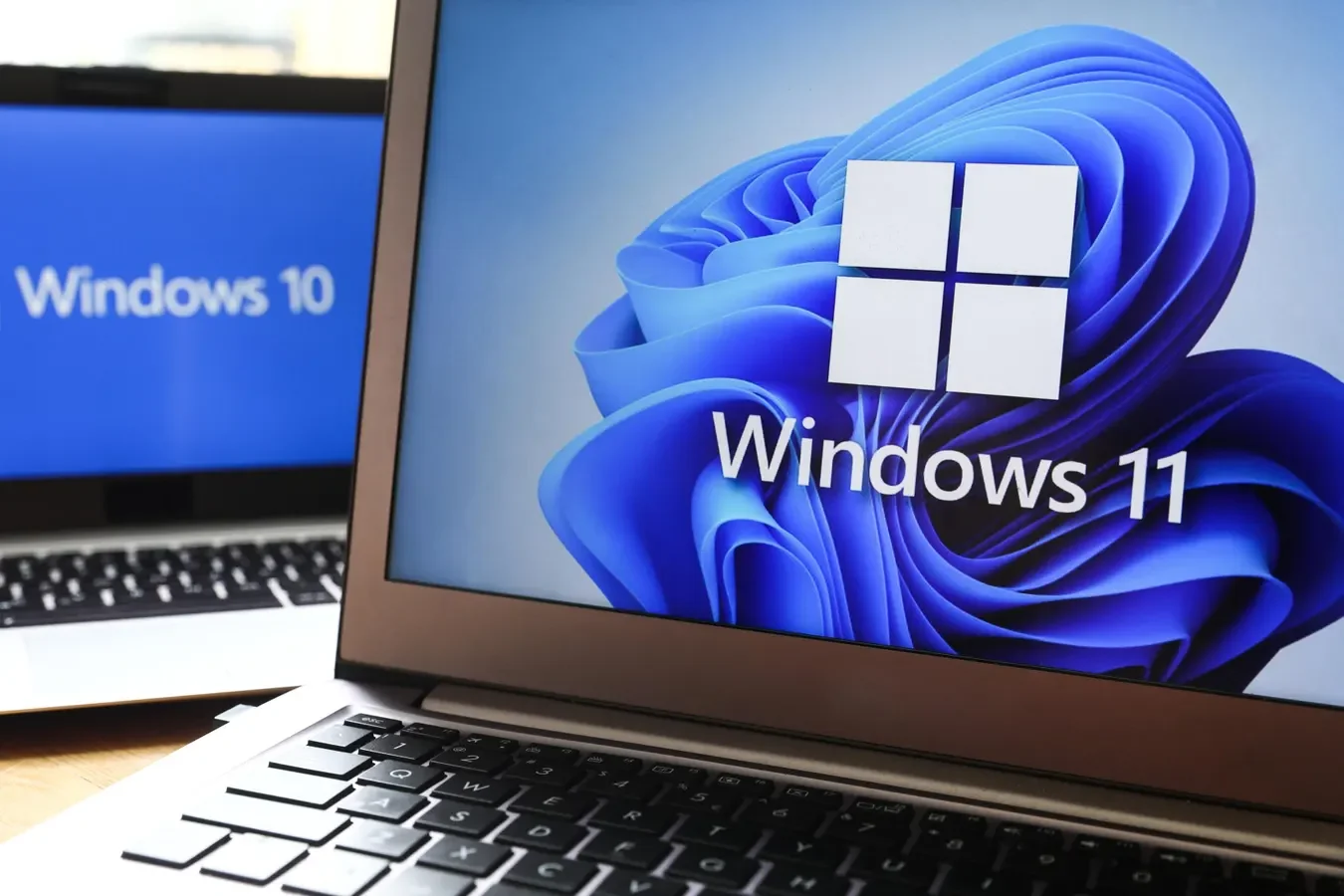
Microsoft's end of support for Windows 10 on October 14 poses a significant security risk to around 400 million users who cannot upgrade to Windows 11 due to hardware limitations. Users are urged to act now by enrolling in the Extended Security Updates program or upgrading to Windows 11 to avoid vulnerabilities and potential cyber threats, as support and updates will cease, leaving many PCs unprotected.
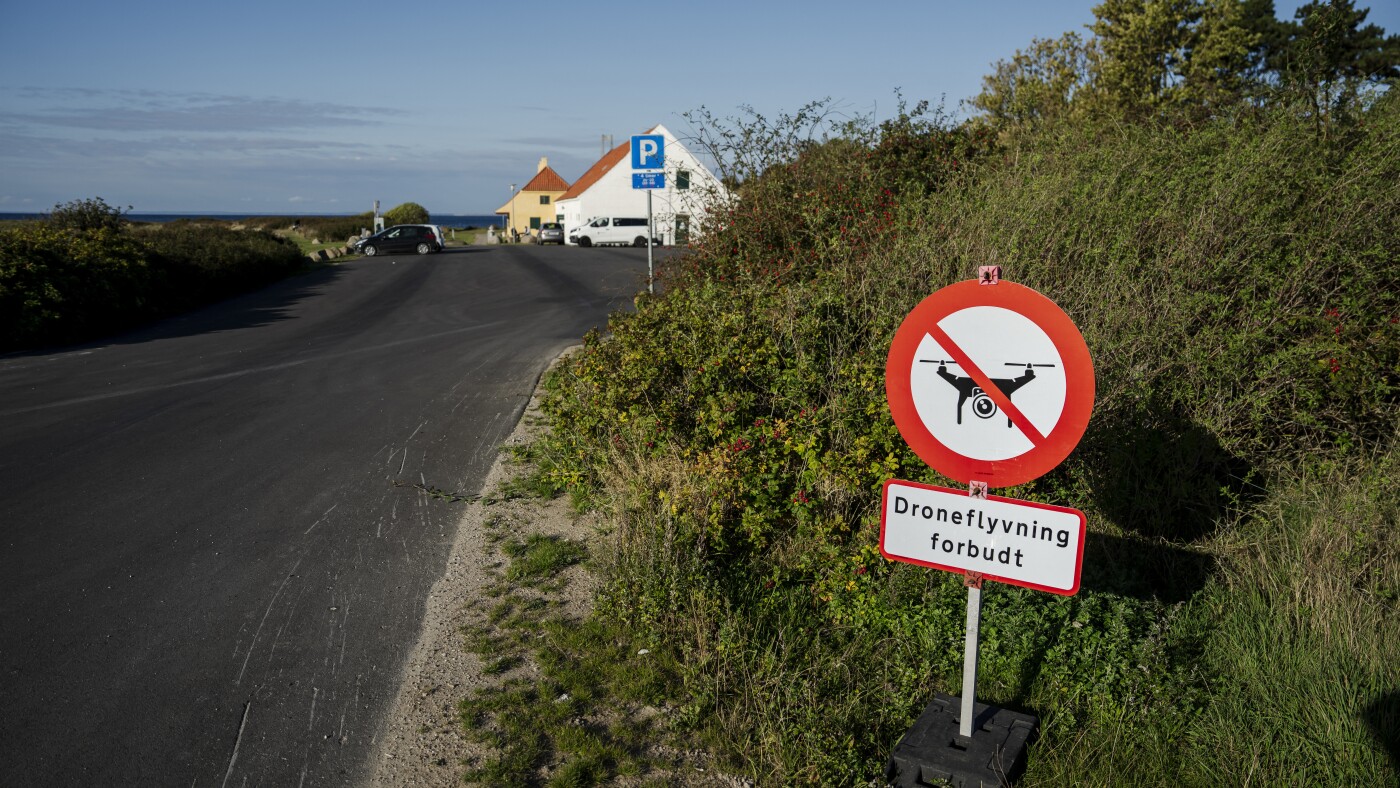
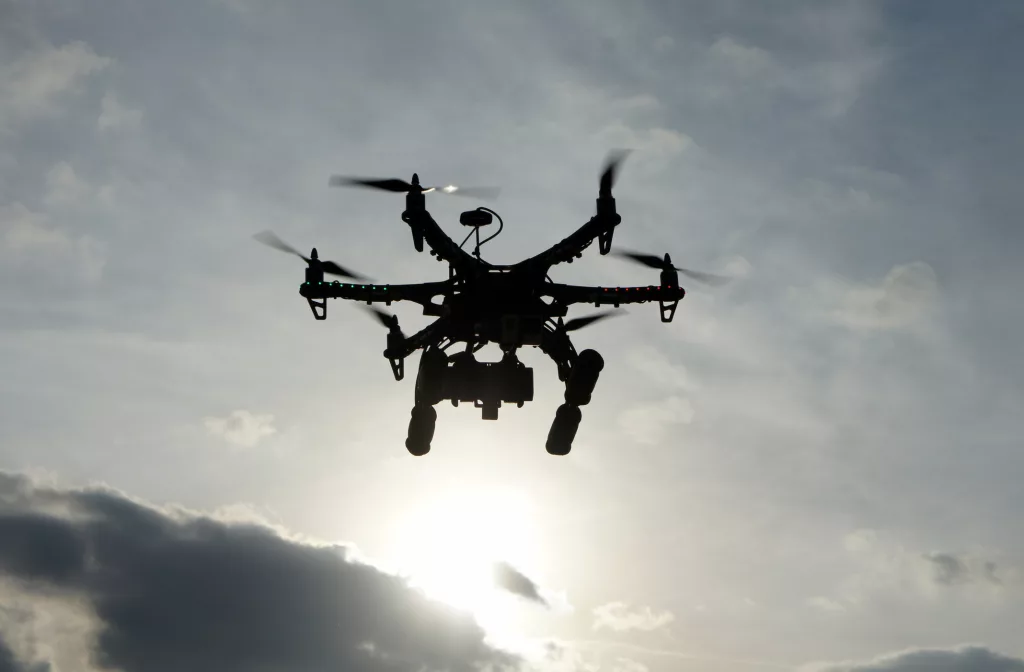
Denmark is on high alert after mysterious drone sightings, which the government attributes to hybrid warfare by Russia, leading to increased security measures, public panic, and emergency preparedness efforts.
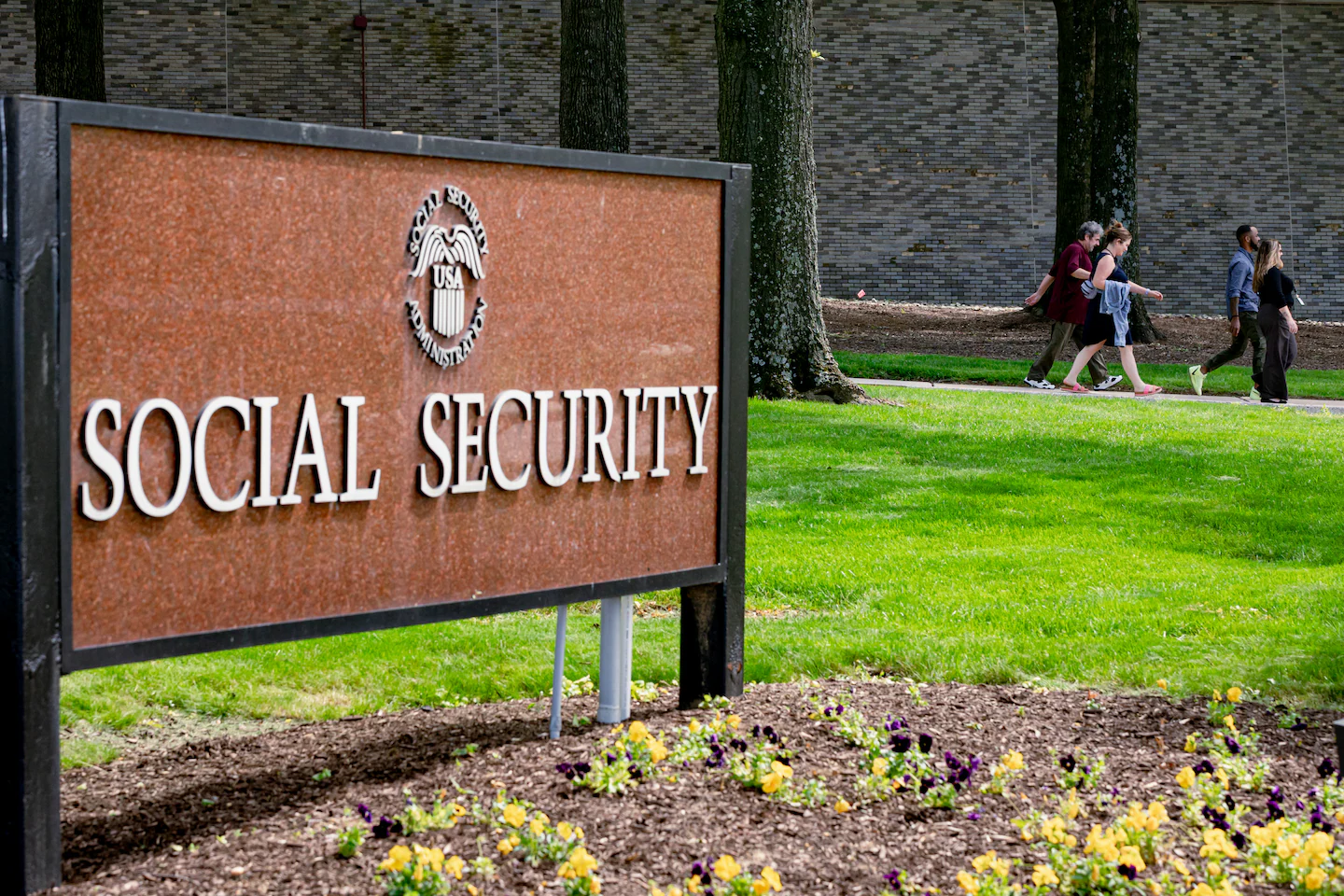
A Social Security official announced that sensitive data of over 300 million Americans was uploaded to a digital cloud, potentially compromising their personal information, with concerns raised about security risks.
Amazon will shut down its Appstore on August 20, 2025, requiring users to delete all apps downloaded from it to avoid security vulnerabilities, and will also discontinue the Amazon Coins program, urging users to switch to Google Play Store for app security and support.
Nvidia responded to Chinese allegations that its H20 AI chips pose security risks, denying claims of backdoors or remote shutdown capabilities, amid ongoing US-China tensions over semiconductor exports. The company defends its chips and seeks to expand sales in China despite export restrictions, highlighting the geopolitical and market challenges it faces.
The Afghan data breach is a significant security incident, exposing thousands of names including British operatives and vulnerable Afghans, potentially endangering lives and compromising intelligence operations, with adversaries like Russia and China possibly in possession of the leaked information. UK agencies have had nearly two years to mitigate risks, but the threat to Afghan allies remains high, especially from Taliban retribution.
White House security staff warned that Elon Musk's Starlink internet service installation at the White House posed potential security risks, including bypassing traditional monitoring and security controls, raising concerns about sensitive data exposure and hacking vulnerabilities, although official responses remain cautious and investigations are ongoing.
U.S. automakers are scaling back on electric vehicle production, creating an opportunity for cheaper Chinese EVs to enter the market, which some economists warn could pose a security risk due to potential data collection and remote control capabilities. Despite the Biden administration's push for green energy, challenges such as consumer interest, infrastructure, and cost concerns are hindering the U.S. EV market, while China's advancements in EV technology could threaten both the economy and national security.
Matthew Hebet from Pennsylvania has been federally charged for flying a drone over M&T Bank Stadium during the AFC Championship game, violating a temporary flight restriction and posing a significant security risk. If convicted, he faces a maximum sentence of three years in federal prison for operating an unregistered UAS and one year for willfully violating United States National Defense Airspace.
Sweden's Prime Minister Ulf Kristersson expressed concern over the large number of applications for anti-Islam protests in the country, fearing that they could lead to Quran burnings. The head of Sweden's domestic intelligence service also warned of increased security risks due to such protests. Recent Quran desecrations in Sweden and neighboring Denmark have angered Muslims globally, leading to protests and the burning of flags. While Sweden strongly condemned the desecration, it upholds freedom of speech and does not have laws against religious book desecration. The country's government is facing international backlash and accusations of condoning the acts, with Turkey raising concerns about Sweden's credentials. Sweden has blamed state and semi-state agitators, including Russia, for fueling the controversy.
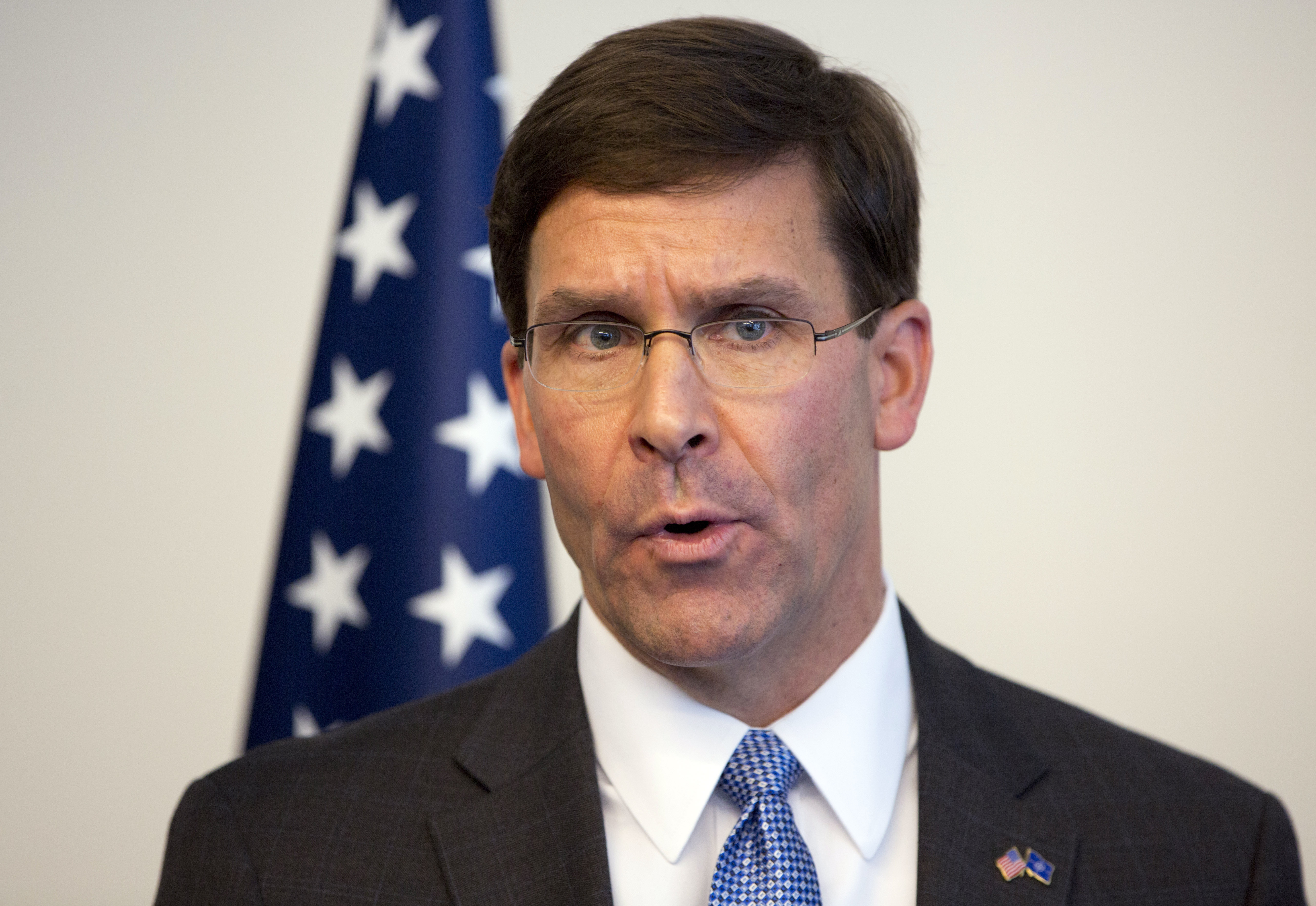
Former Defense Secretary Mark Esper has criticized former President Donald Trump for his handling of classified information, calling him a security risk. Esper compared Trump's legal case to that of a Massachusetts Air National Guard member accused of posting secret military documents on social media. Esper outlined scenarios in which the mishandling of classified documents could cause trouble for the United States. He also said that Trump could not be trusted with the nation's secrets again if proven true under the indictment by the special counsel.
China has banned US chipmaker Micron Technology's products from being purchased by operators of key infrastructure, citing "serious network security risks". The move follows a seven-week investigation into Micron by the Cyberspace Administration of China (CAC), which was seen as retaliation for US efforts to curb China's access to critical technology. Micron is the biggest US maker of memory chips and China is an important market for the company. The US Department of Commerce has opposed the action, which it said had "no basis in fact".
China has banned US chipmaker Micron's products from being used in key infrastructure projects due to security concerns. This move comes amid escalating trade tensions between the US and China, and follows a similar ban on US tech giant Apple's products by the Chinese government. Micron is one of the world's largest memory chip makers and the ban could have a significant impact on its business in China.
Google Authenticator's new feature that enables the backup and syncing of 2FA codes across devices using a Google Account is not end-to-end encrypted, leaving the sensitive one-time passcodes potentially exposed to bad actors. Mysk security researchers found that the unencrypted traffic contains a "seed" that's used to generate the 2FA codes, and anyone with access to that seed can generate their own codes for the same accounts and break in to them. Google has advised users not to enable the Google account feature that syncs 2FA codes across devices and the cloud until end-to-end encryption is added.