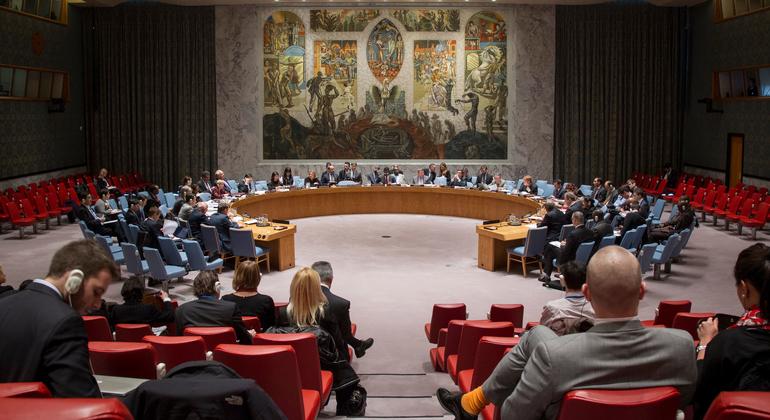
The UN Security Council is holding a session to discuss threats to international peace and security, including Israel's recognition of northern Somalia as an independent state, with live updates available.
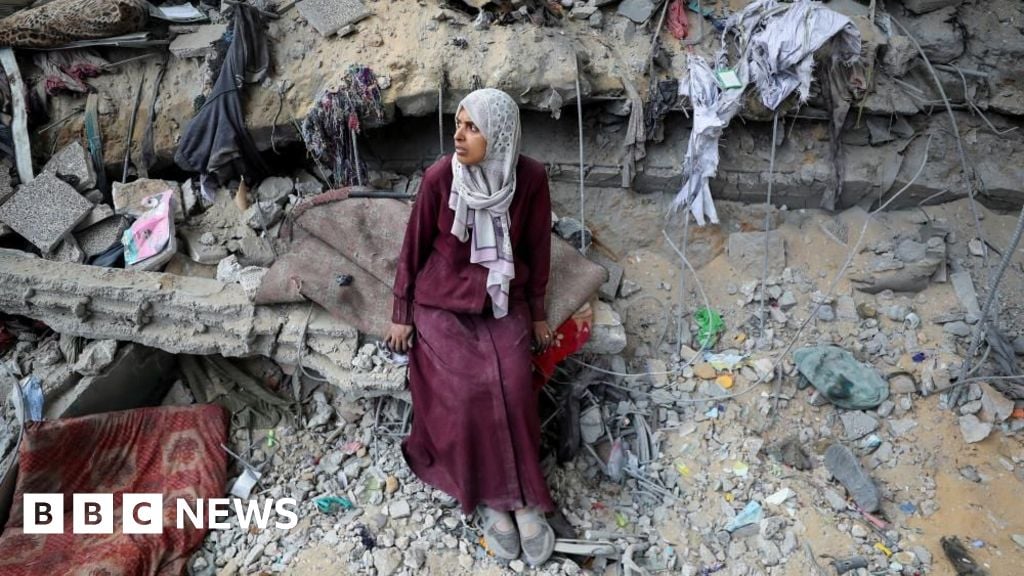
The Israeli government has approved a phased deal leading to a ceasefire in Gaza, including the release of hostages and prisoners, withdrawal of Israeli forces from part of Gaza, and increased humanitarian aid, with international monitoring and support from the US and Arab countries.
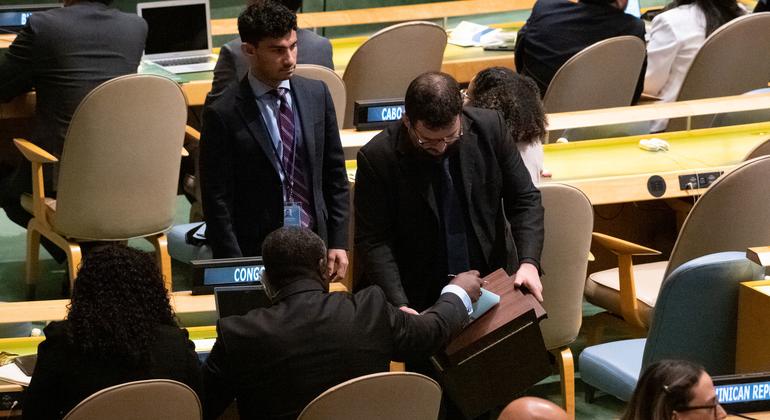
Algeria, Guyana, Republic of Korea, Sierra Leone, and Slovenia have been elected as non-permanent members of the UN Security Council, starting in January for a two-year period. The Security Council is composed of 15 countries, five of which are permanent members with veto power. The 10 non-permanent members are elected by the General Assembly, and candidates must receive a two-thirds majority. The newly elected countries will join Ecuador, Japan, Malta, Mozambique, and Switzerland as non-permanent members of the Council.
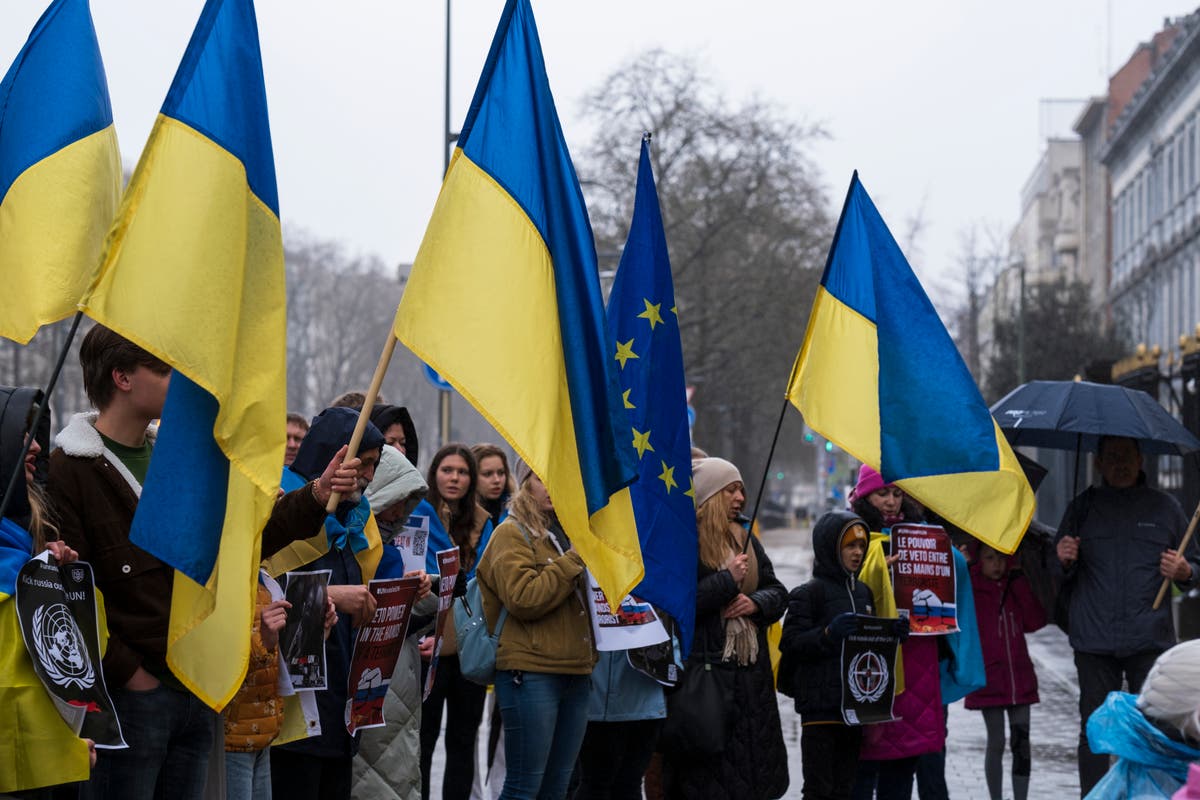
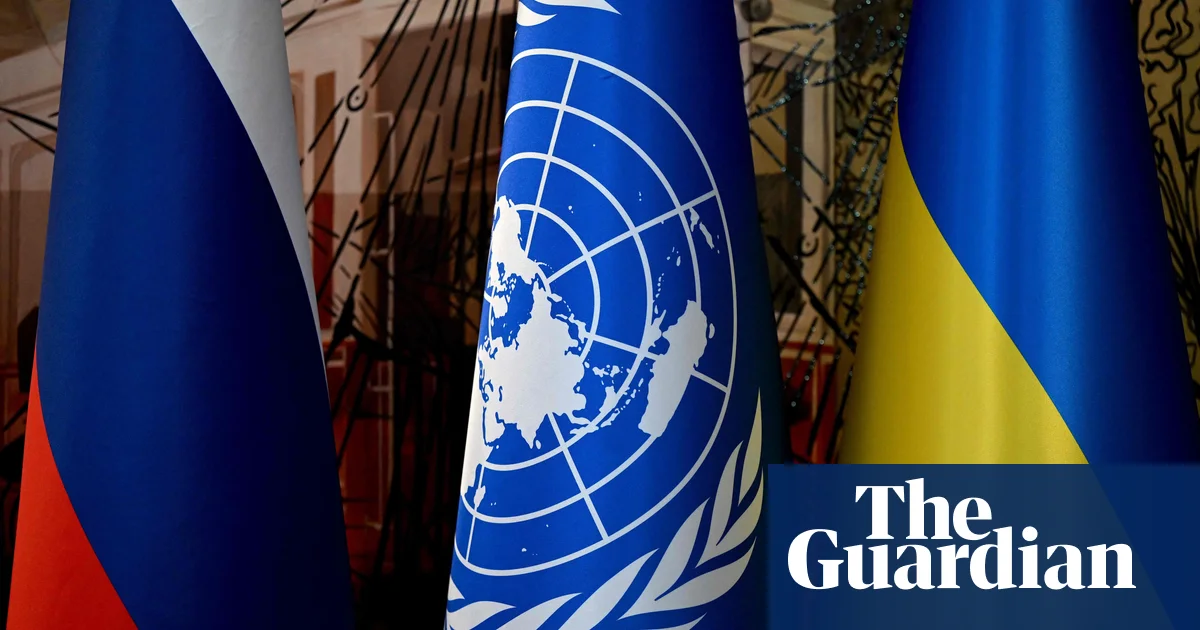
Russia has taken over as president of the UN Security Council, replacing Mozambique, despite protests from Ukraine due to its invasion of Ukraine. The Security Council is responsible for maintaining international peace and security, and Russia's presidency is seen as a reminder that something is wrong with the way international security architecture is functioning. As a permanent member, Russia has the power to veto resolutions, and it has been accused of spreading disinformation. However, the UN Charter does not currently allow for the removal of a permanent member.
Russia is set to take charge of the UN Security Council from Saturday, despite facing an arrest warrant for war crimes and pursuing an unprovoked war of aggression in Ukraine. The move has been criticised by the Ukrainian mission to the UN, which has said it will stay away from the council in April except in the case of an “issue of critical national security interest”. The US, Britain, France and their supporters on the council are likely to show their disapproval by downgrading the level of their representation at Russian-hosted events over the course of the month.