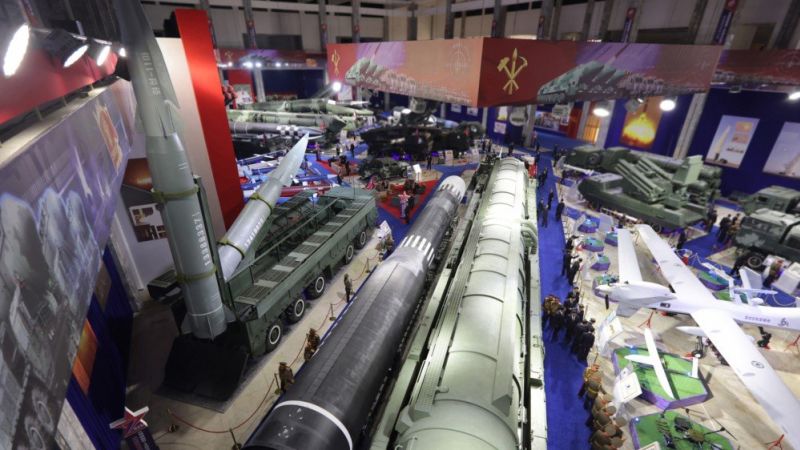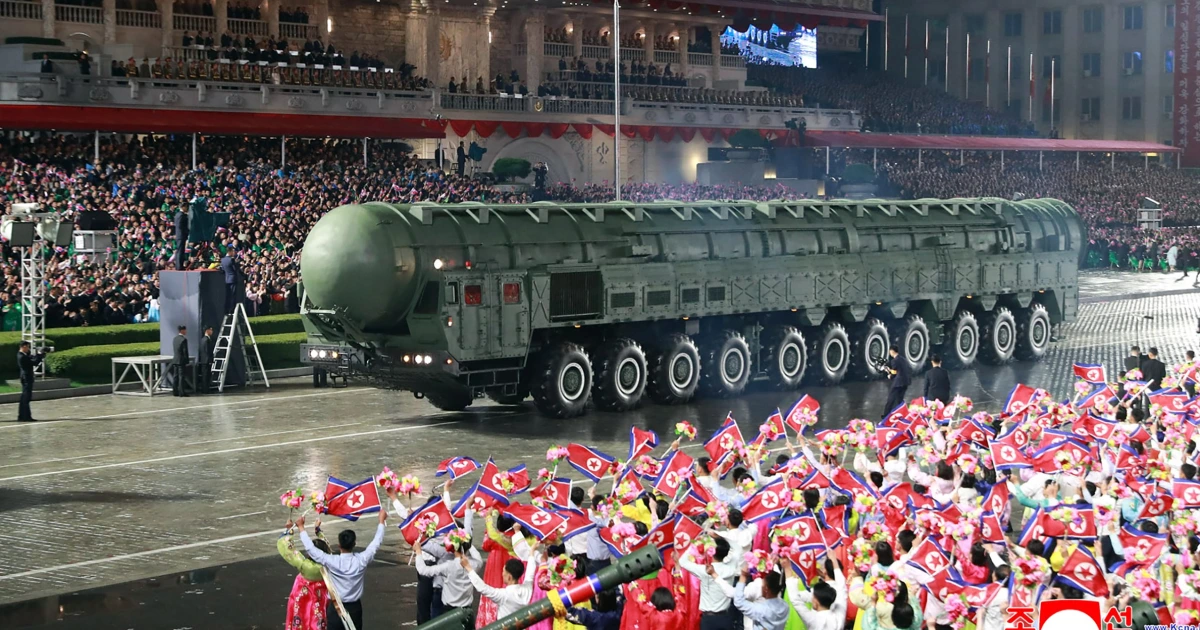
North Korea showcased a new, powerful intercontinental ballistic missile called Hwasong-20 at a military parade, signaling advancements in its nuclear arsenal amid increased diplomatic activity with China, Russia, and Vietnam, and emphasizing its military strength and regional influence.
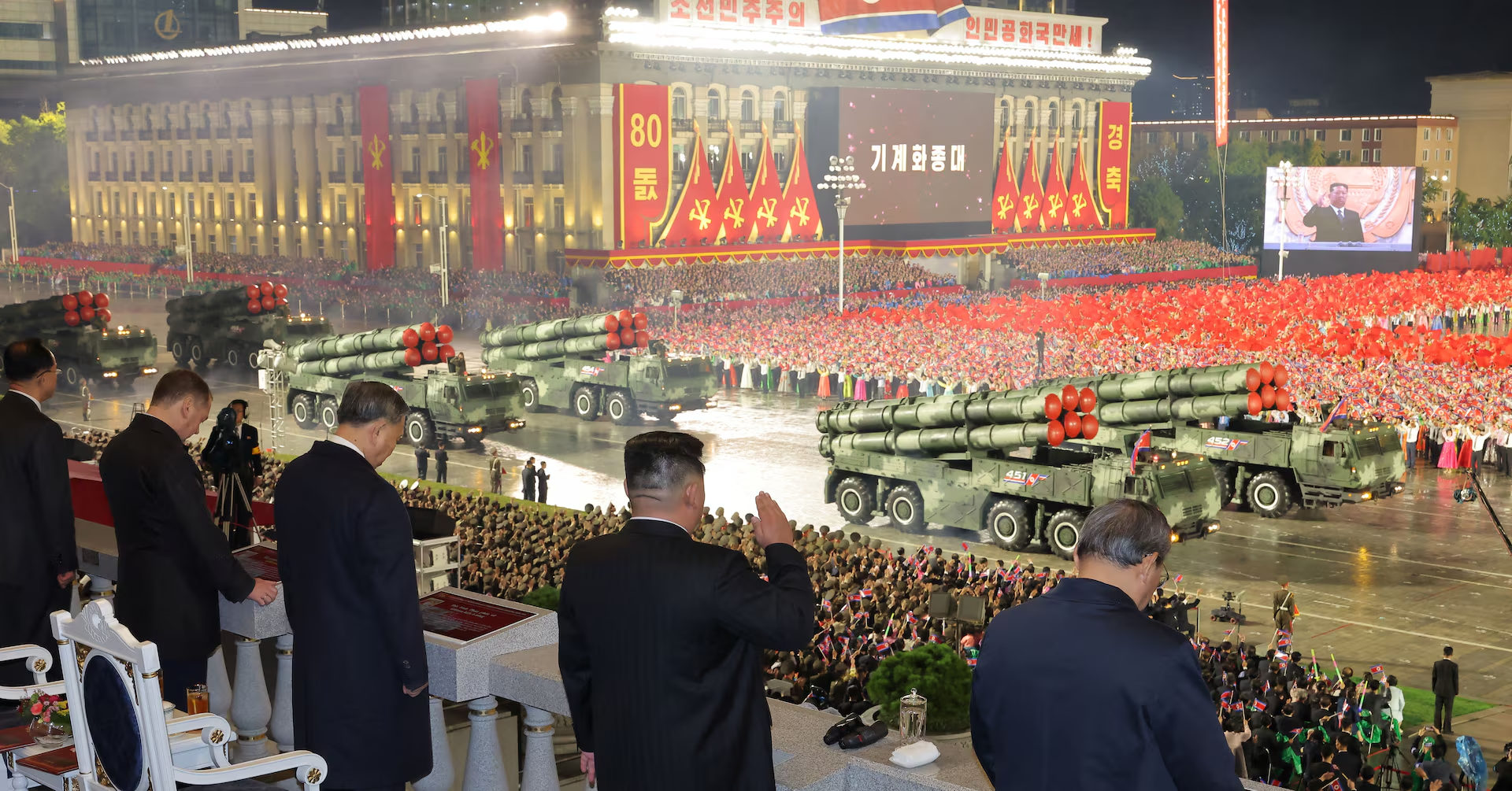
North Korea held a military parade celebrating the 80th anniversary of the Workers' Party, showcasing its new Hwasong-20 intercontinental ballistic missile and demonstrating its advanced nuclear capabilities, with international dignitaries present and Kim Jong Un emphasizing military strength and cooperation with Russia.
North Korea showcased new hypersonic glide vehicles and intercontinental ballistic missiles (ICBMs) at a military parade celebrating the 80th anniversary of the Workers’ Party, highlighting advancements in its missile technology amid strengthened ties with China and Russia.
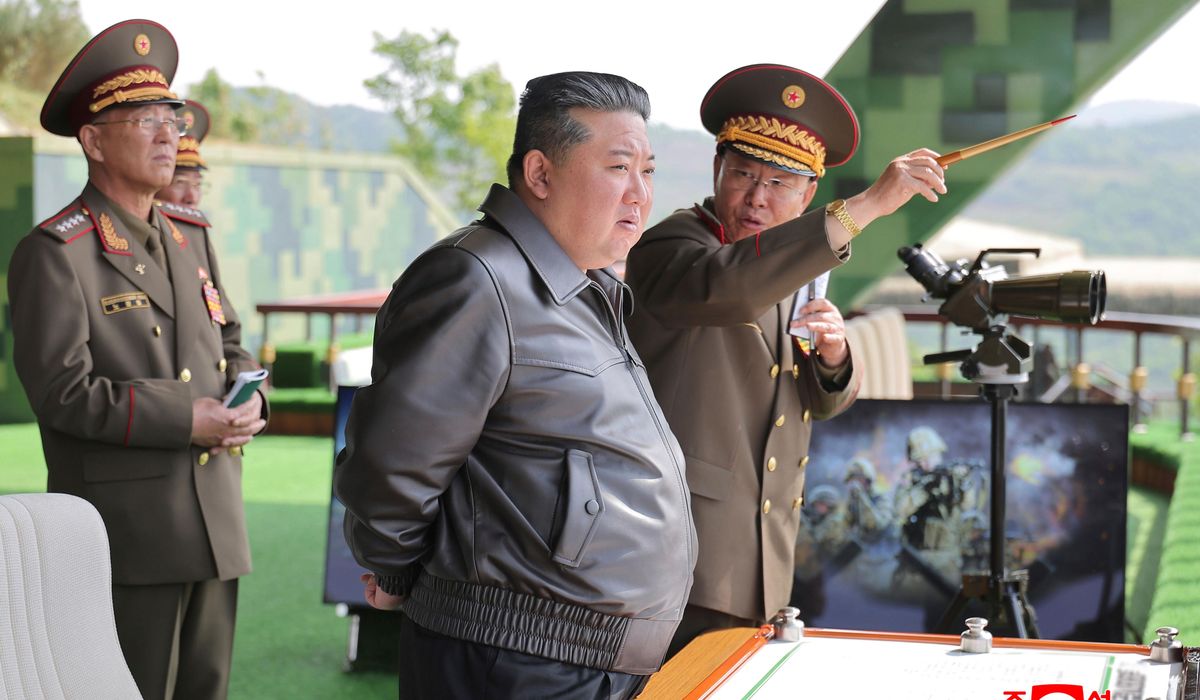
Kim Jong Un showcased North Korea’s growing diplomatic and military strength by hosting high-profile international guests and unveiling new missile technology during a parade marking the 80th anniversary of the Workers’ Party, signaling a strategic shift amid global power dynamics and increased alliances with China, Russia, and Vietnam.
North Korea celebrated its 80th anniversary with a grand military parade showcasing its extensive military capabilities, including new hypersonic missiles and advanced weaponry, amidst international attention and warnings about its overemphasis on military power and nuclear deterrence, which may trap Kim Jong-un in a cycle of escalation and economic stagnation.
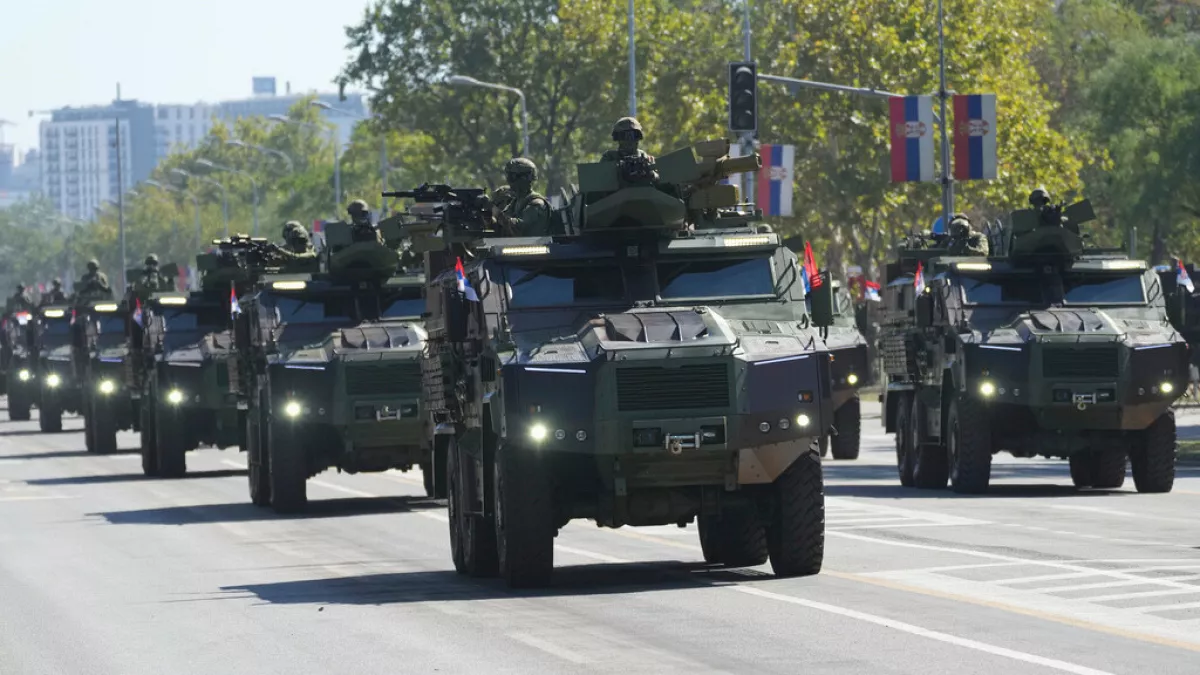
Serbia held its largest military parade in Belgrade, showcasing a variety of domestically produced and internationally supplied weapons, including tanks, missile systems, and fighter jets, as a display of national strength and sovereignty amid its balancing act between EU integration and foreign arms partnerships.
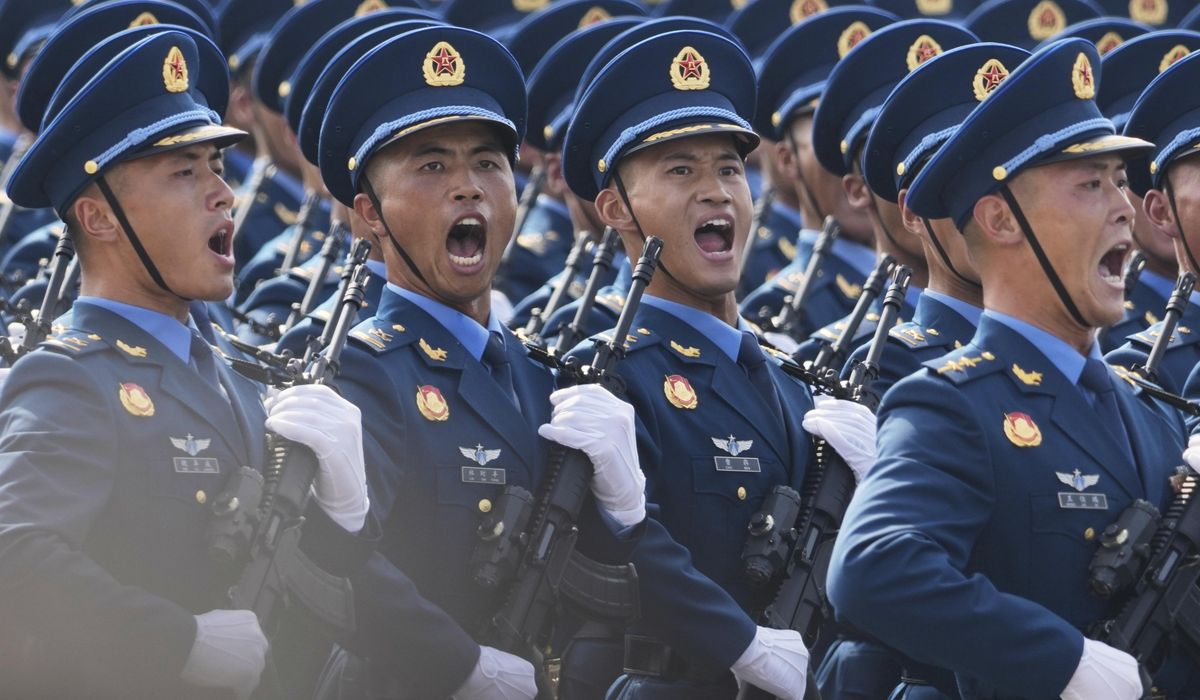
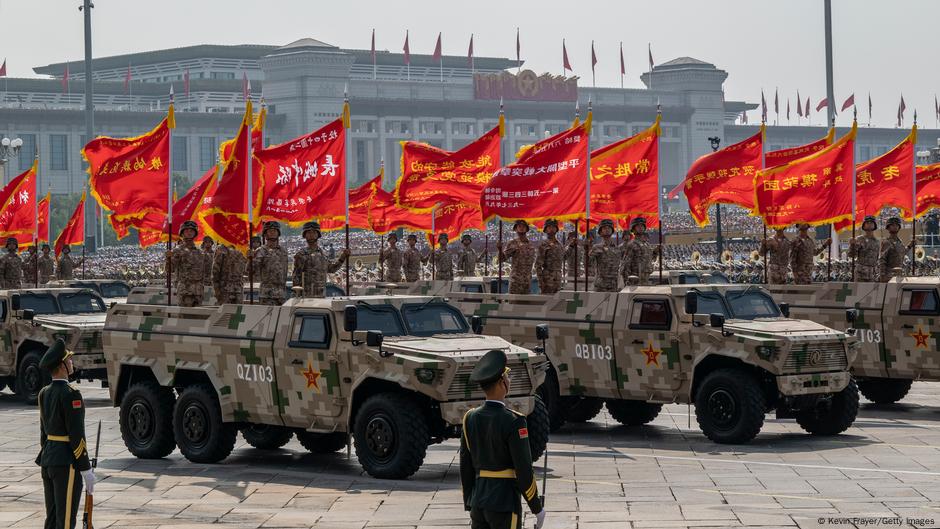
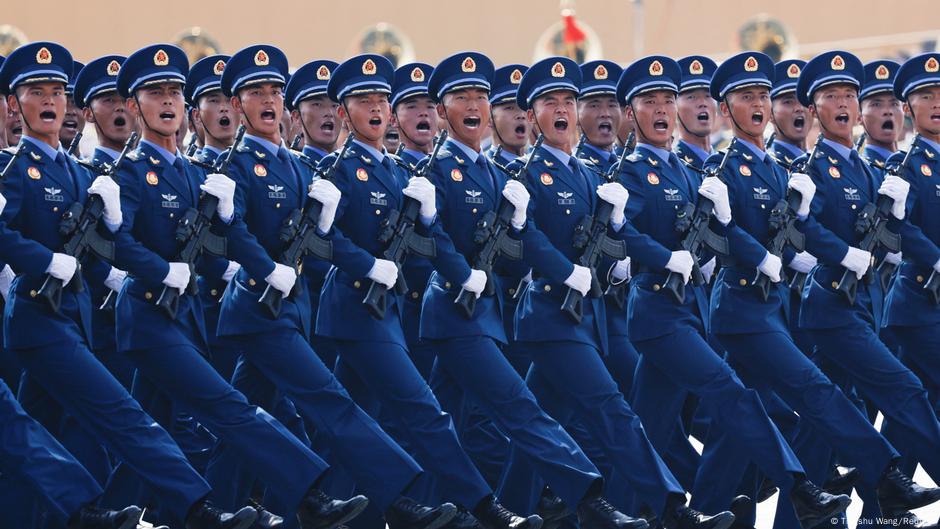
China's recent military parade in Beijing showcased its advancing military technology but also revealed deep systemic weaknesses, including corruption, leadership purges, and institutional fragility, undermining the confidence in its military modernization efforts.
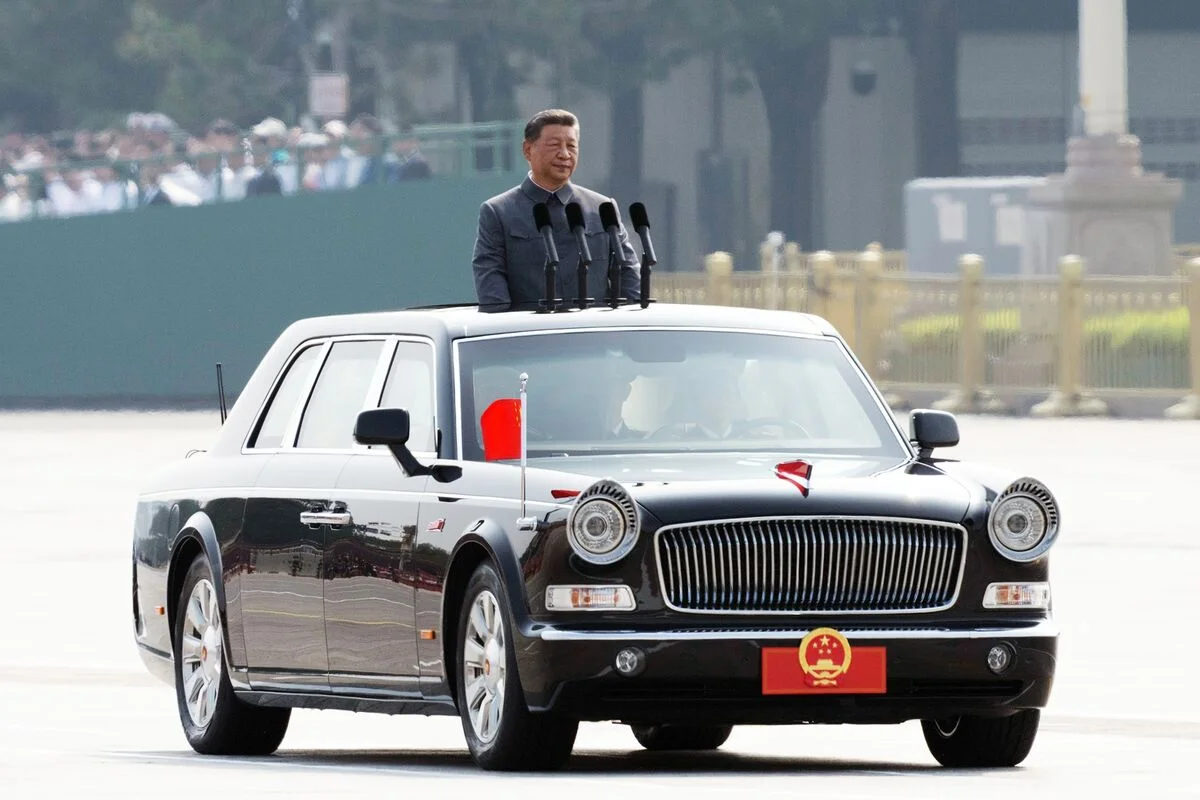
Chinese leader Xi Jinping showcased China's growing military strength and geopolitical influence during a major parade in Beijing, signaling a challenge to US-led global order and emphasizing a vision of peaceful development while strengthening alliances with Russia and North Korea amid international tensions.
Despite China's grand military parade, acts of dissent like Qi Hong's anti-communist slogans projection highlight underlying public frustration and skepticism towards the government, which are usually suppressed in the country.
Xi Jinping's military parade and the Tianjin summit with Indian Prime Minister Narendra Modi send a message of strength and independence to the US and President Trump, emphasizing China's and India's growing global influence.
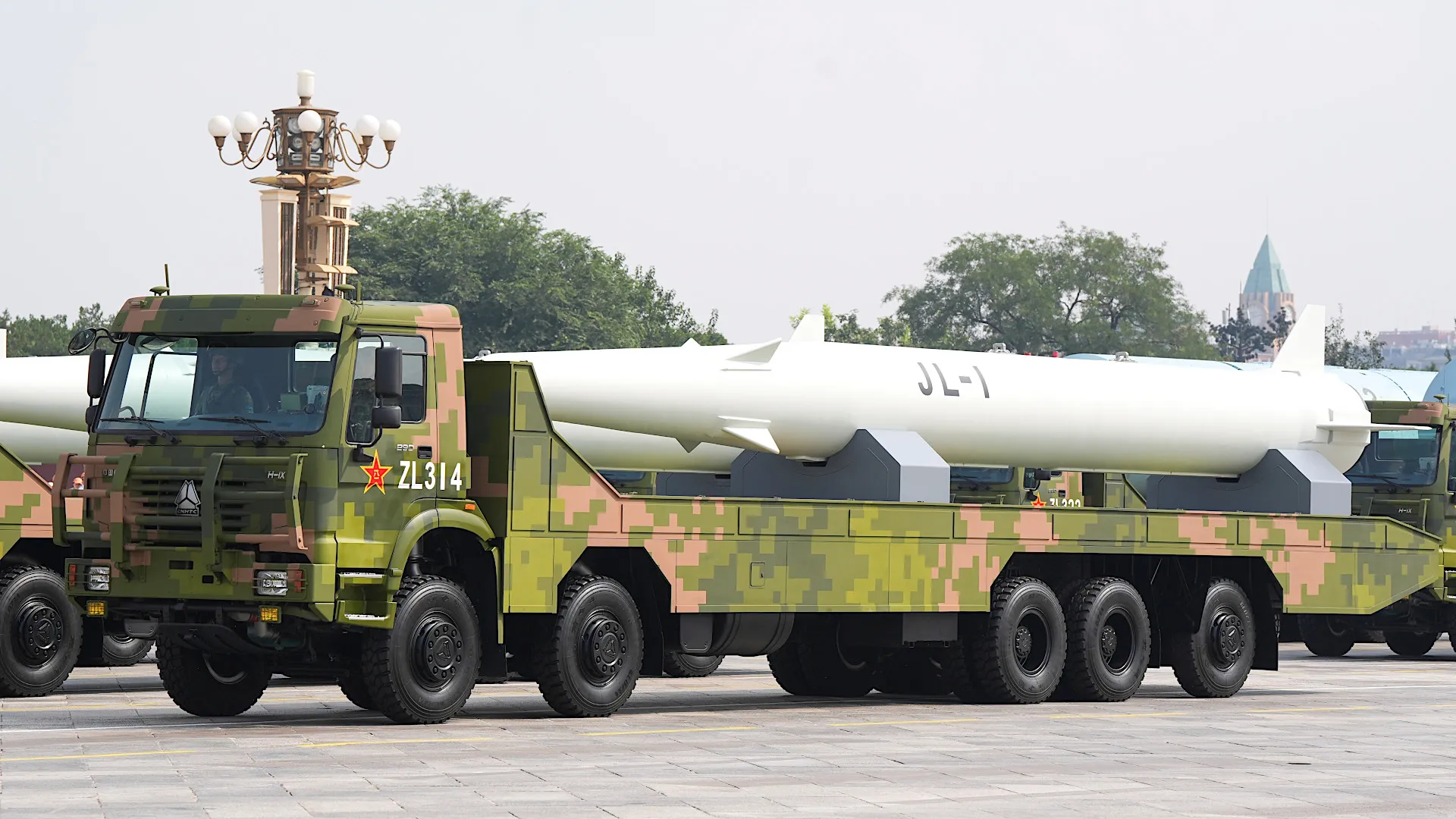
China officially unveiled the JL-1, a nuclear-capable air-launched ballistic missile, during a military parade, marking the first public display of its aerial nuclear component and completing its strategic nuclear triad alongside submarine-launched and land-based missiles, signaling a significant advancement in China's military capabilities and nuclear modernization efforts.
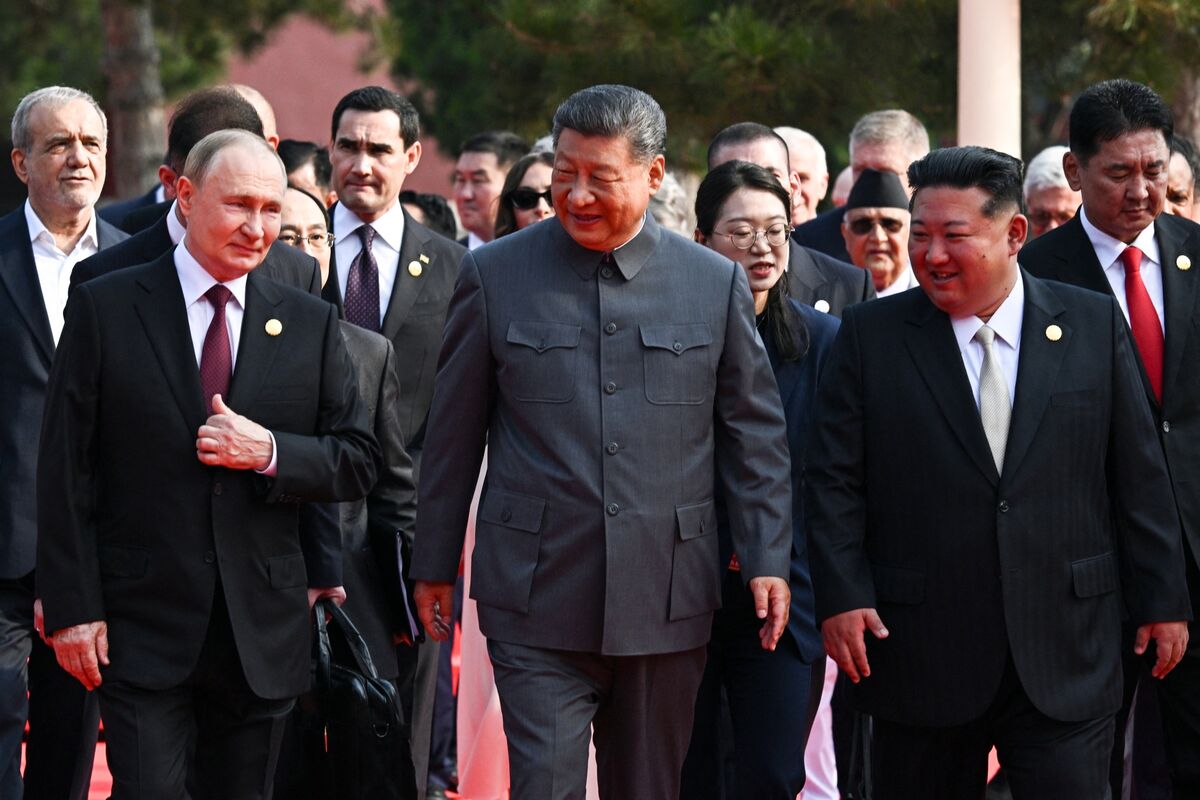
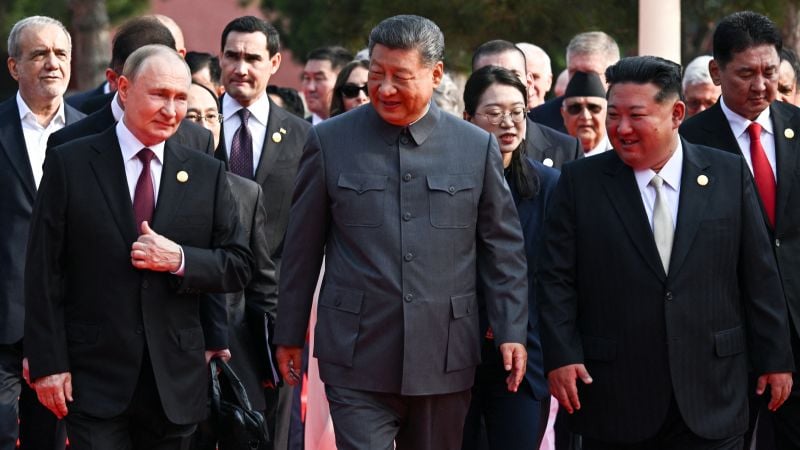
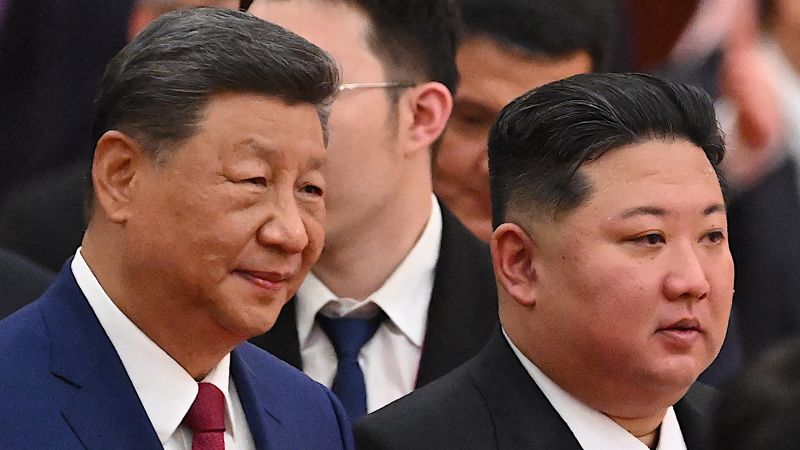
Chinese leader Xi Jinping and North Korea’s Kim Jong Un met in Beijing after a joint military parade with Russia's Putin, signaling a show of unity among illiberal leaders and a potential shift in global power dynamics, with North Korea expanding its alliances to include Russia amidst ongoing tensions with the West.
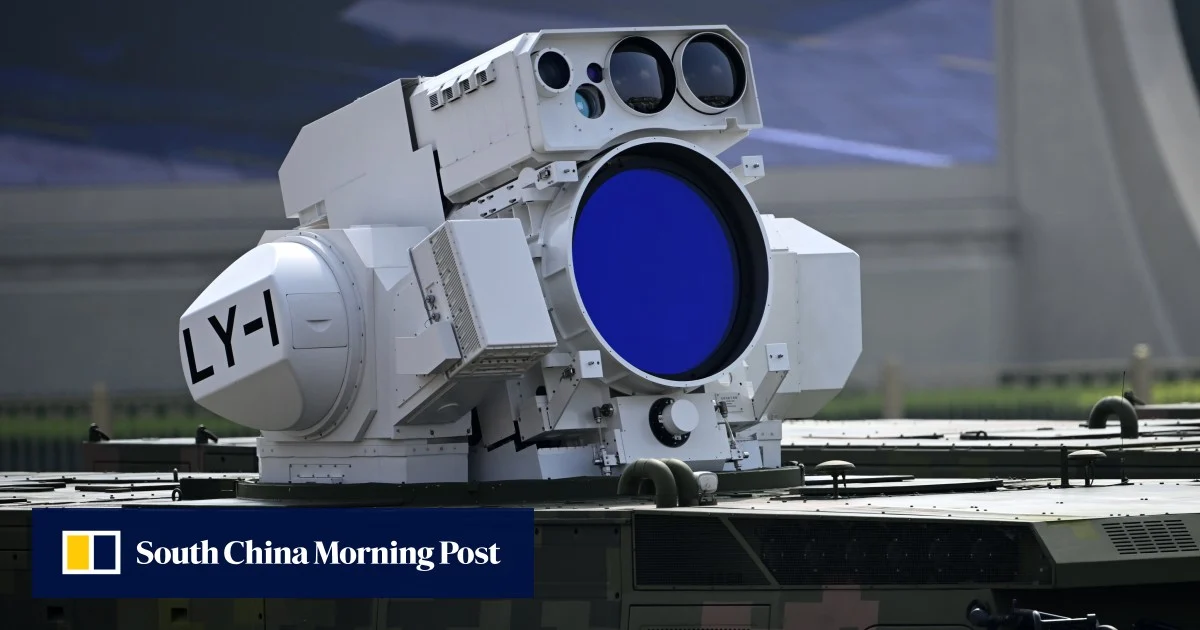
China's recent military parade showcased advanced AI-powered unmanned vehicles, laser weapons, and hypersonic missiles, highlighting the country's focus on integrating emerging technologies like AI, optics, and information systems into modern warfare to enhance its strategic capabilities and deterrence.
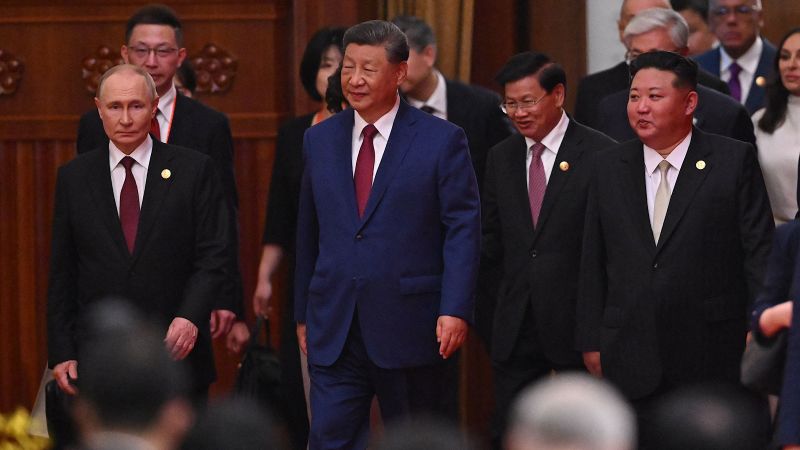
Leaders Xi Jinping, Vladimir Putin, and Kim Jong Un appeared together in Beijing to showcase unity and China's rising global influence, but analysts see underlying tensions and limited substantive cooperation, highlighting a complex geopolitical landscape with China aiming to displace the US while facing significant international exclusions.
China hosted a major military parade in Beijing, showcasing advanced weaponry and deepening ties with Russia and North Korea, with leaders Xi Jinping, Vladimir Putin, and Kim Jong Un making historic public appearances together, signaling a shift in global power dynamics and challenging Western influence.