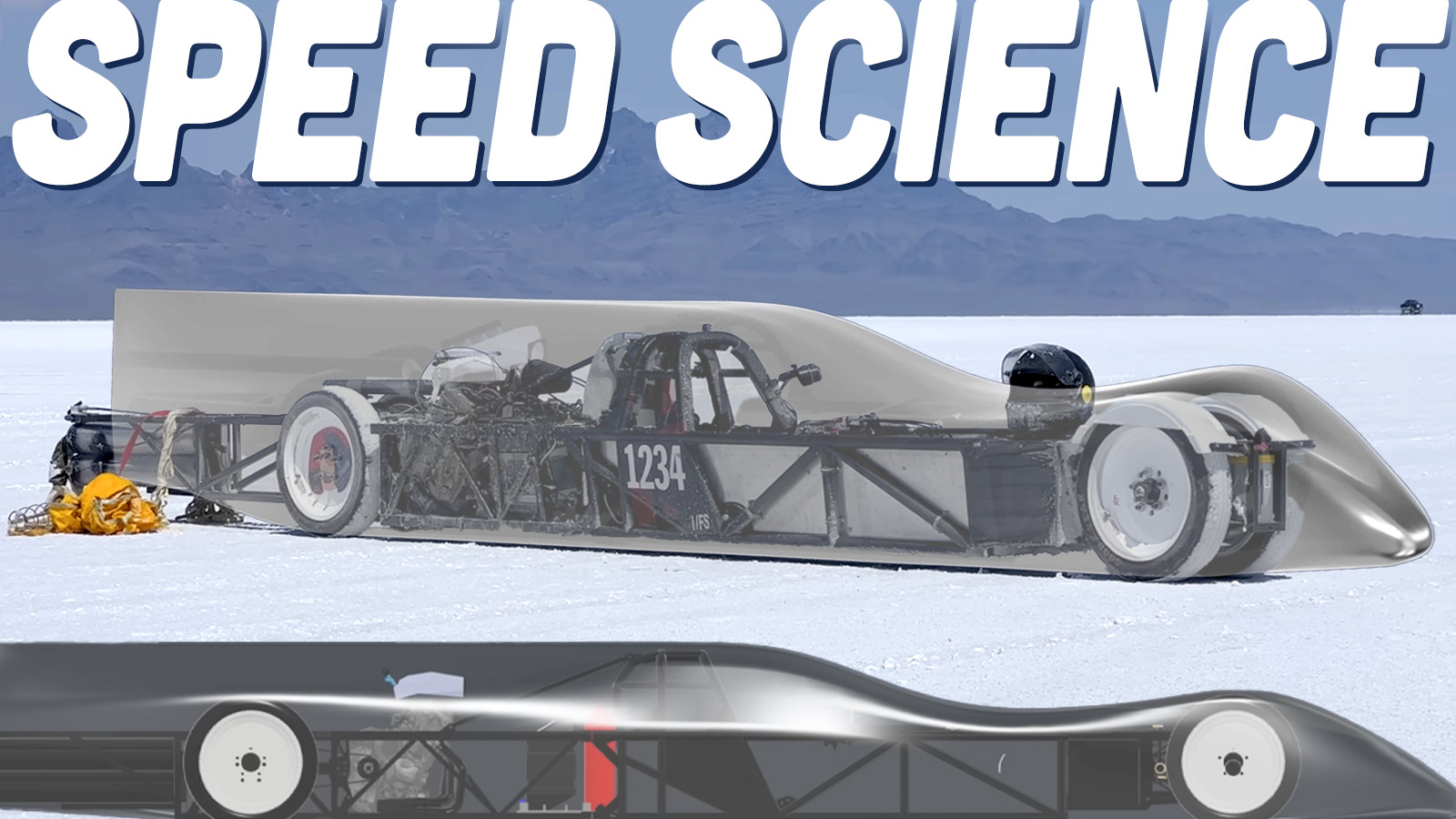
Automotive engineer and YouTuber Matt Brown is designing an aerodynamic body for his land speed racer using Computational Fluid Dynamics analysis. His bare-framed car had a drag coefficient worse than an 18-wheeler, and was unstable at 157 mph. With the new streamlined body, he estimates a top speed of 265 mph running on two cylinders, and 325 mph at full power, a significant gain from slashing the drag coefficient from 0.825 to 0.12. The design process involved optimizing the nose and tail to minimize drag, and adding a fin for aerodynamic stability. Challenges lie ahead in constructing the design in fiberglass, but the simulations suggest a much faster performance when the car returns to the salt flats.

A recent study suggests that a massive anomaly deep within Earth's mantle may be a remnant of the collision that formed the moon around 4.5 billion years ago. Using computational fluid dynamics methods, researchers discovered that the early Earth exhibited mantle stratification after the impact, with the upper mantle featuring a magma ocean created through the mixing of material from Earth and the proto-planet Theia, while the lower mantle remained solid and retained the composition of Earth. This finding challenges the traditional notion that the giant impact led to the homogenization of the early Earth and provides insights into Earth's internal structure and long-term evolution. The study also sheds light on the formation of the inner solar system and has implications for understanding the heterogeneity of Earth's mantle and the origins of Large Low Velocity Provinces (LLVPs).
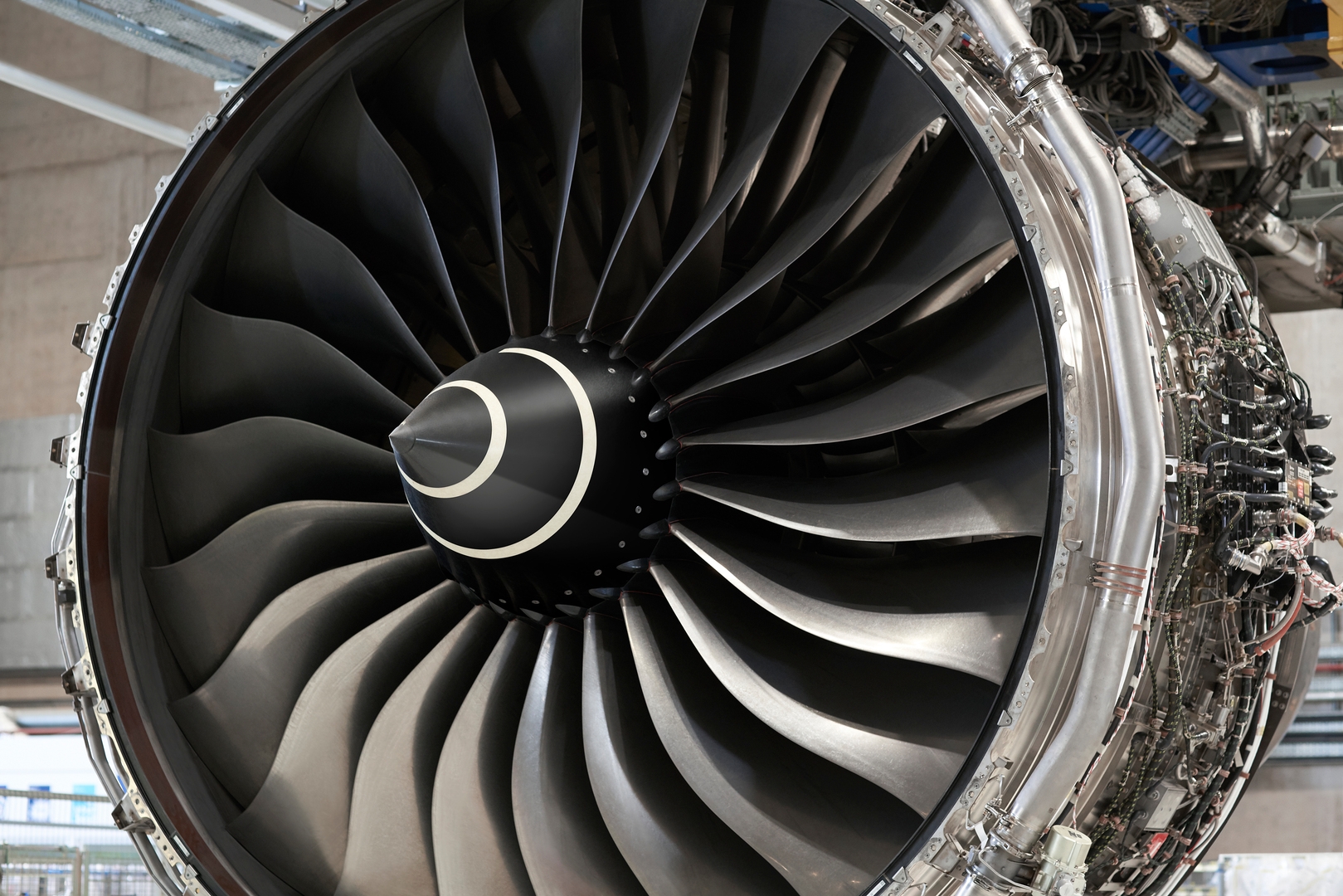
NVIDIA, Rolls-Royce, and Classiq have designed and simulated the world's largest quantum computing circuit for computational fluid dynamics (CFD) using NVIDIA's quantum computing platform. The circuit measures 10 million layers deep with 39 qubits and will be used by Rolls-Royce to advance the development of quantum computing in aerospace, specifically for modeling the performance of jet engine designs. The breakthrough was made possible by NVIDIA's cuQuantum software development kit, which includes optimized libraries and tools to speed up quantum computing workflows.