Research shows men with two copies of the HFE gene variant H63D are over twice as likely to develop dementia, a risk not seen in women, possibly due to mechanisms beyond iron levels, highlighting potential for personalized prevention strategies.
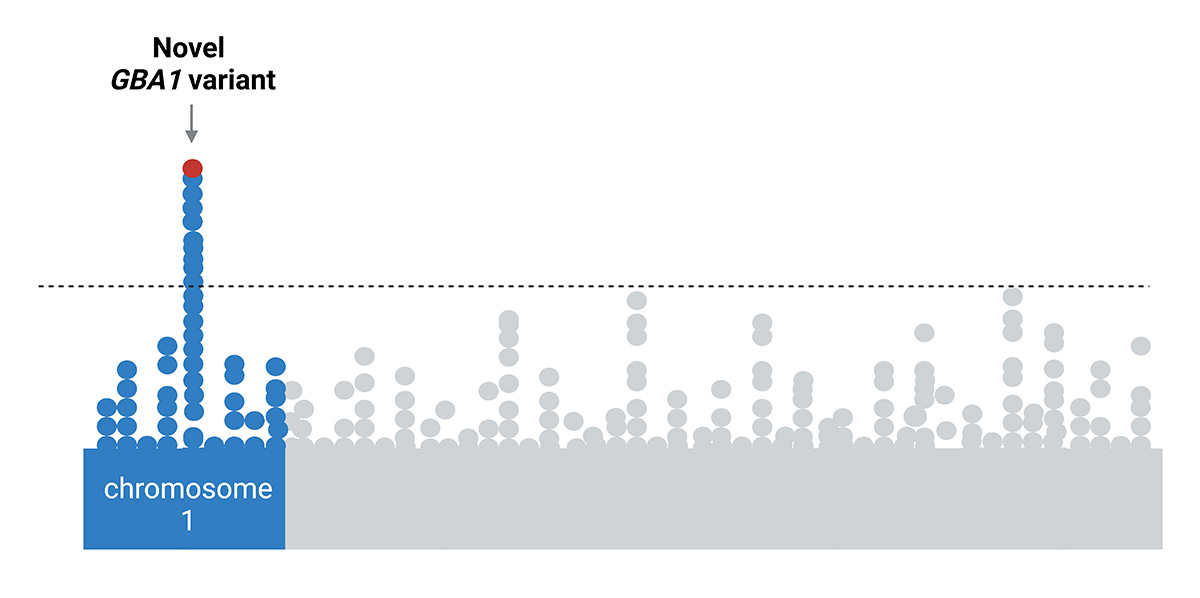
A gene variant that increases the risk of developing Parkinson's disease has been discovered in individuals of African ancestry. The variant, found almost exclusively in genomes of people of African descent, is linked to a gene encoding β-glucocerebrosidase (GBA1), a protein involved in protein recycling within cells. The study, led by scientists at the National Institutes of Health, highlights the importance of researching diverse populations to understand the genetic basis and risk factors for diseases like Parkinson's. The findings may provide new insights into the biology of Parkinson's disease and aid in the development of genetic treatments and therapies.
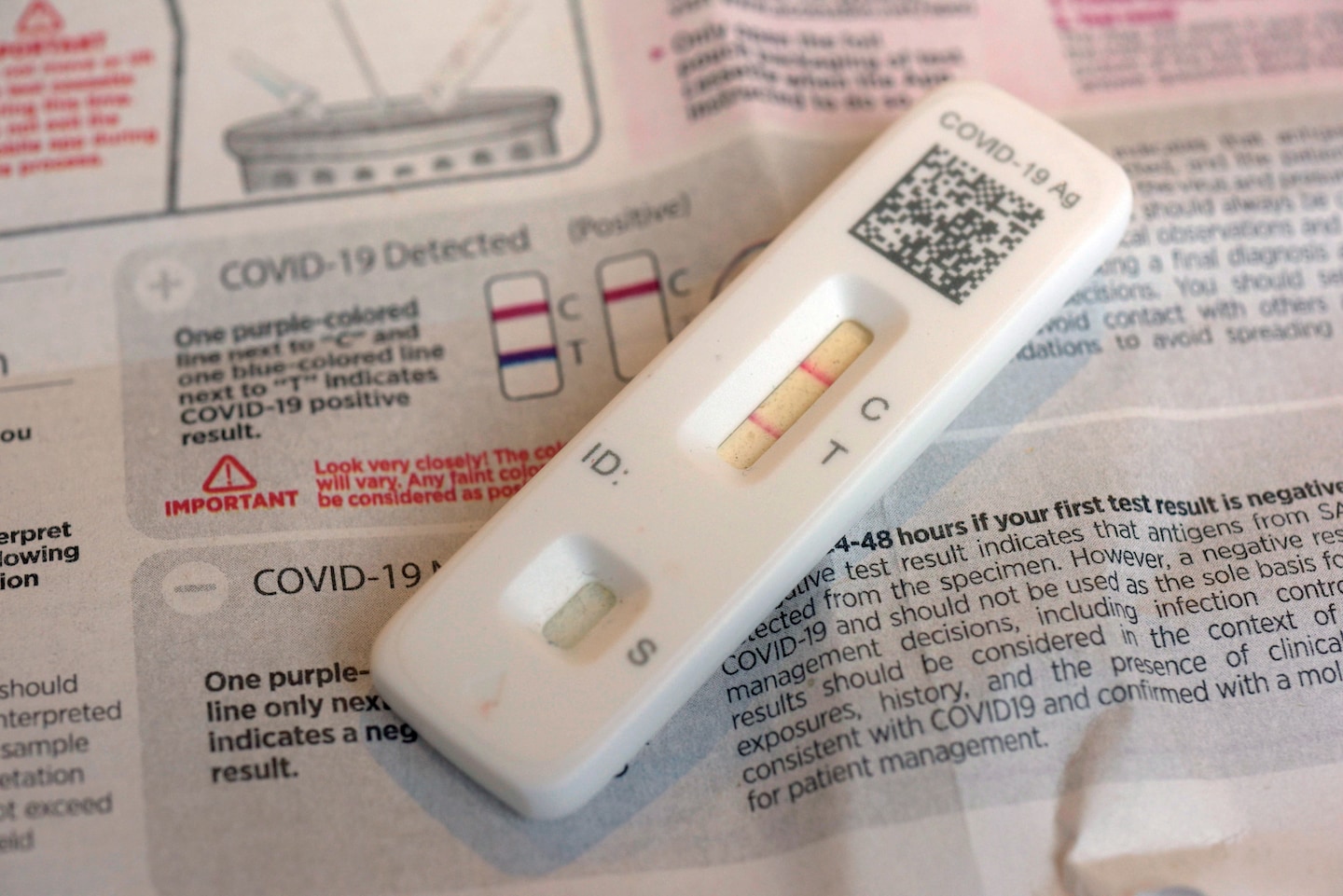
Scientists have identified a gene variant, HLA-B*15:01, that may explain why some individuals who test positive for COVID-19 never develop any symptoms. The variant, found in 20% of asymptomatic participants, is associated with a quicker immune response that fights off the virus before symptoms can occur. The study, which focused on a homogenous group of individuals, suggests that genetics play a significant role in determining asymptomatic outcomes. Understanding the genetic factors behind asymptomatic infections could have implications for vaccine development and therapeutic strategies.
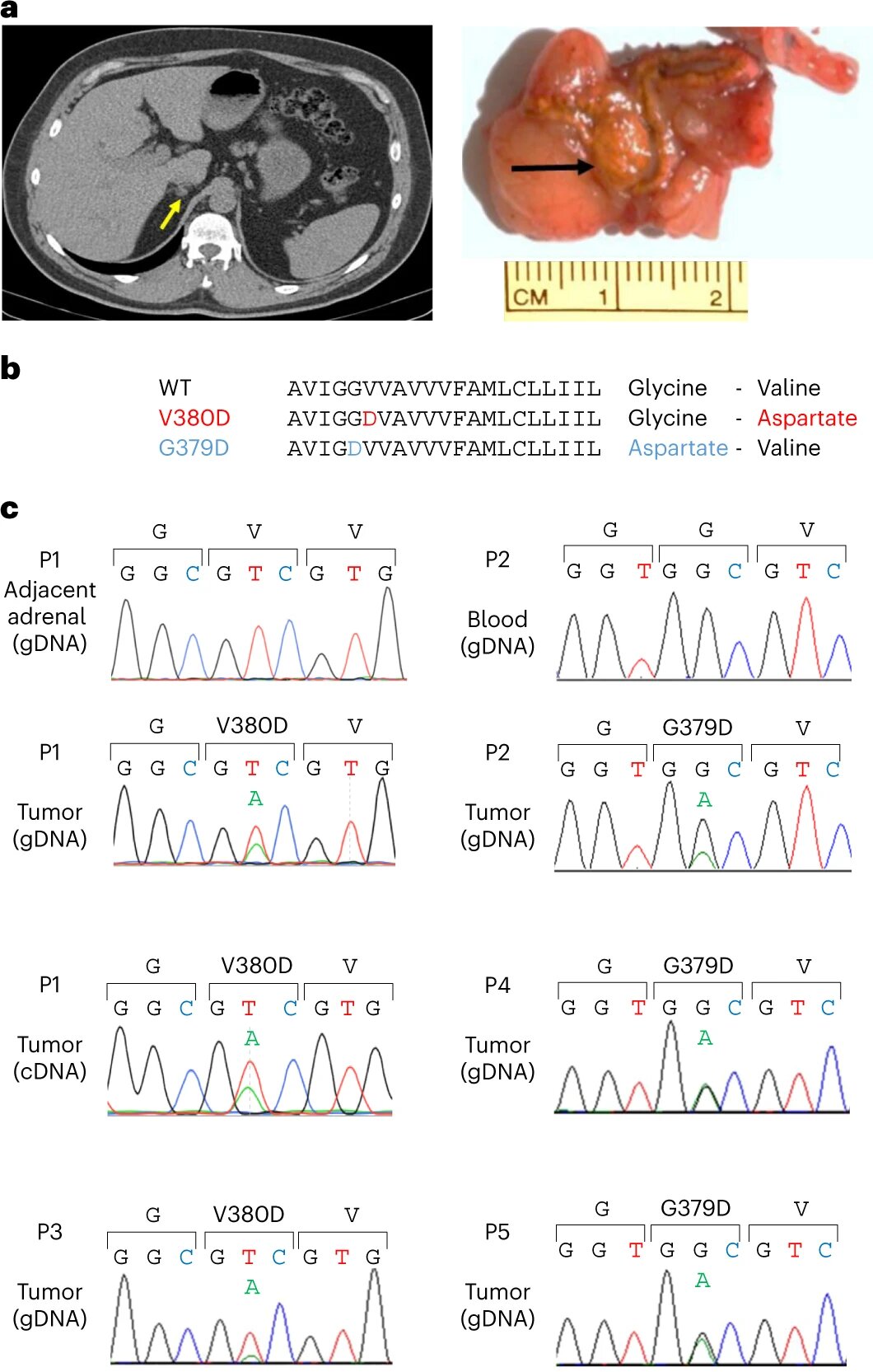
Researchers at Queen Mary University of London and Barts Hospital have identified a gene variant that causes a common type of hypertension and a way to cure it. The cause is a tiny benign nodule, present in one-in-twenty people with hypertension, that produces a hormone called aldosterone. The gene variant affects a protein called CADM1 and leads to a vast, but intermittent, over-production of the hormone. This form of hypertension could be cured by unilateral adrenalectomy. The researchers recommend measuring aldosterone through a 24-hour urine test to discover more people living with undiagnosed hypertension.
Researchers have identified a gene variant that causes a common type of hypertension and a way to cure it through unilateral adrenalectomy, removing one adrenal gland. The condition is caused by a tiny benign nodule that produces a hormone, aldosterone, which controls how much salt is in the body. The gene variant affects a protein called CADM1 and stops cells in the body from ‘talking’ to each other and saying that it is time to stop making aldosterone. The researchers recommend that aldosterone is measured through a 24-hour urine test rather than one-off blood measurements for improved hypertension diagnosis and treatment.
Researchers at Queen Mary University of London have discovered a gene variant that causes hypertension in some patients. The variant affects a protein called CADM1 and leads to intermittent over-production of the hormone aldosterone, causing salt overload and hypertension. The researchers recommend measuring aldosterone through a 24-hour urine test to identify more people living with hypertension but going undiagnosed. The condition can be cured by removing one of the two adrenal glands. The research was funded by Barts Charity and undertaken by research fellows funded by the British Heart Foundation, National Institute of Health Research, Medical Research Council, and Royal Society.
Researchers have discovered a gene variant in a tiny benign nodule that causes a common type of high blood pressure in one-in-twenty people with hypertension. The variant affects a protein called CADM1 and causes fluctuating release of aldosterone throughout the day, making it hard for doctors to diagnose some patients with hypertension. The researchers also discovered that this form of hypertension could be cured by unilateral adrenalectomy—removing one of the two adrenal glands. The discovery recommends aldosterone be measured through a 24-hour urine test rather than one-time blood measurements, which will reveal more people living with hypertension but going undiagnosed.
A gene variant that increases the risk of breast and ovarian cancer has been identified in people with Orkney heritage. The BRCA1 V1736A gene variant was found in one in 100 people with grandparents from Orkney, with most of them tracing their family ancestry back to the island of Westray. The variant has also been found in smaller numbers in genetic testing across the UK and the US. The BRCA genes are present in every person, but when a fault occurs in one of them, it can result in DNA damage and lead to cells becoming cancerous.