

Tag

Cell Differentiation

All articles tagged with #cell differentiation

health2 years ago

"Breakthrough Patent Granted for Revolutionary Parkinson's Stem Cell Therapy Approach"

Scientist Mark Denham in Denmark has been awarded a patent for a new method of using stem cells to create cell therapies for Parkinson's disease. The patent provides two decades of intellectual property protection and is a first step towards establishing a spinoff company to conduct clinical trials. Denham's method involves manipulating stem cells with high precision to develop into only one type of cell, resulting in a significantly higher purity compared to current methods. The goal is to replace lost dopaminergic neurons and potentially slow, stop, or reverse the progression of Parkinson's disease.
science-and-technology2 years ago

Revolutionary Stem Cell Delivery Method Unveiled for Regenerative Medicine

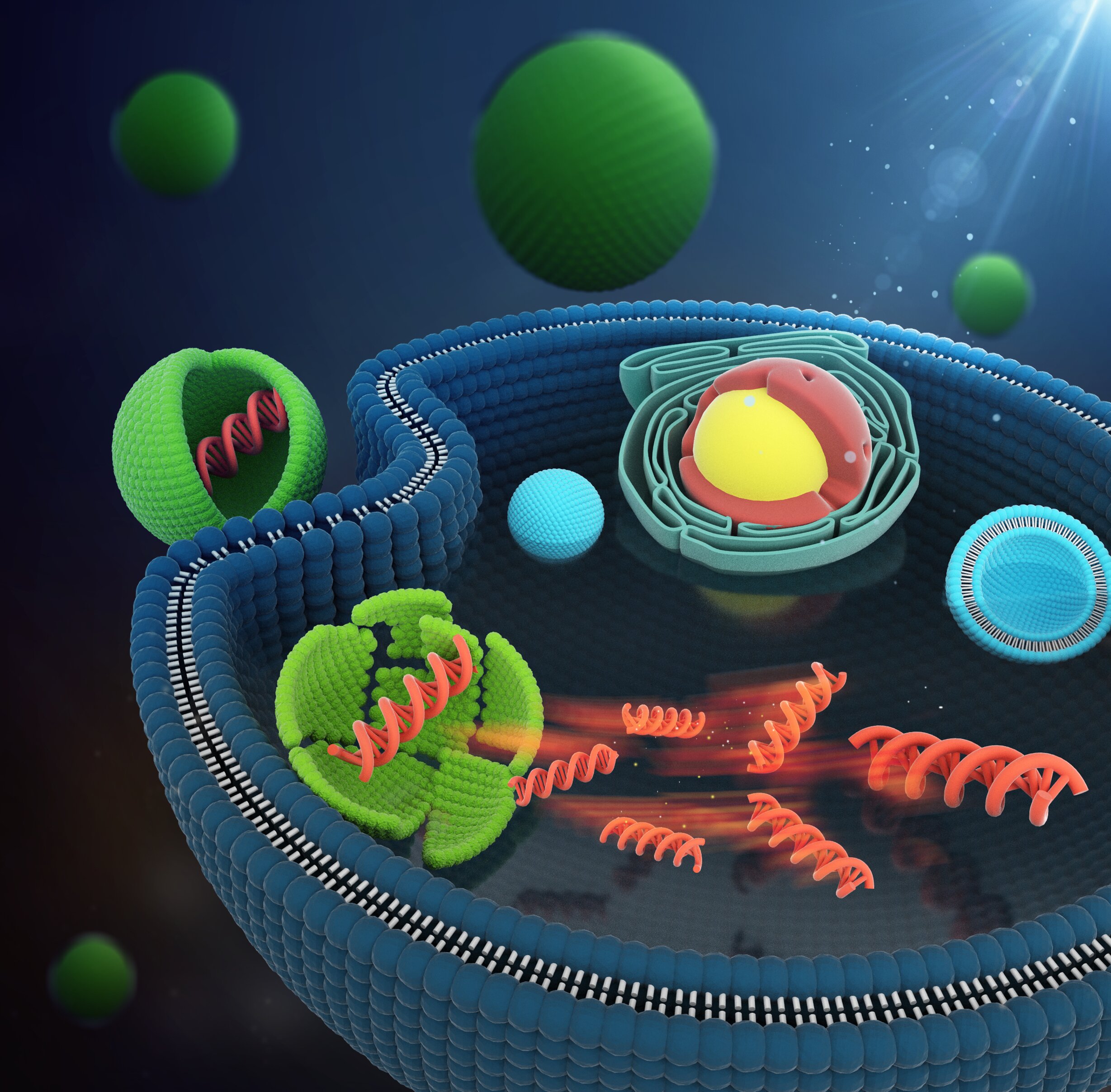
Researchers have developed a new method for delivering genetic information into stem cells, which are notoriously difficult to penetrate. The discovery will make it easier to direct and enhance the processes involved in regenerative medicine. The team coated nanoparticles in a type of polymer, which helped them to get into the stem cells more efficiently. The coated nanoparticles avoided getting trapped in vesicles, unlike the uncoated ones. The discovery will help to make the delivery of genetic information to stem cells more efficient so that it is easier to control which cells they become.

science2 years ago

Surprising Insights into Cell Differentiation from Worm Research

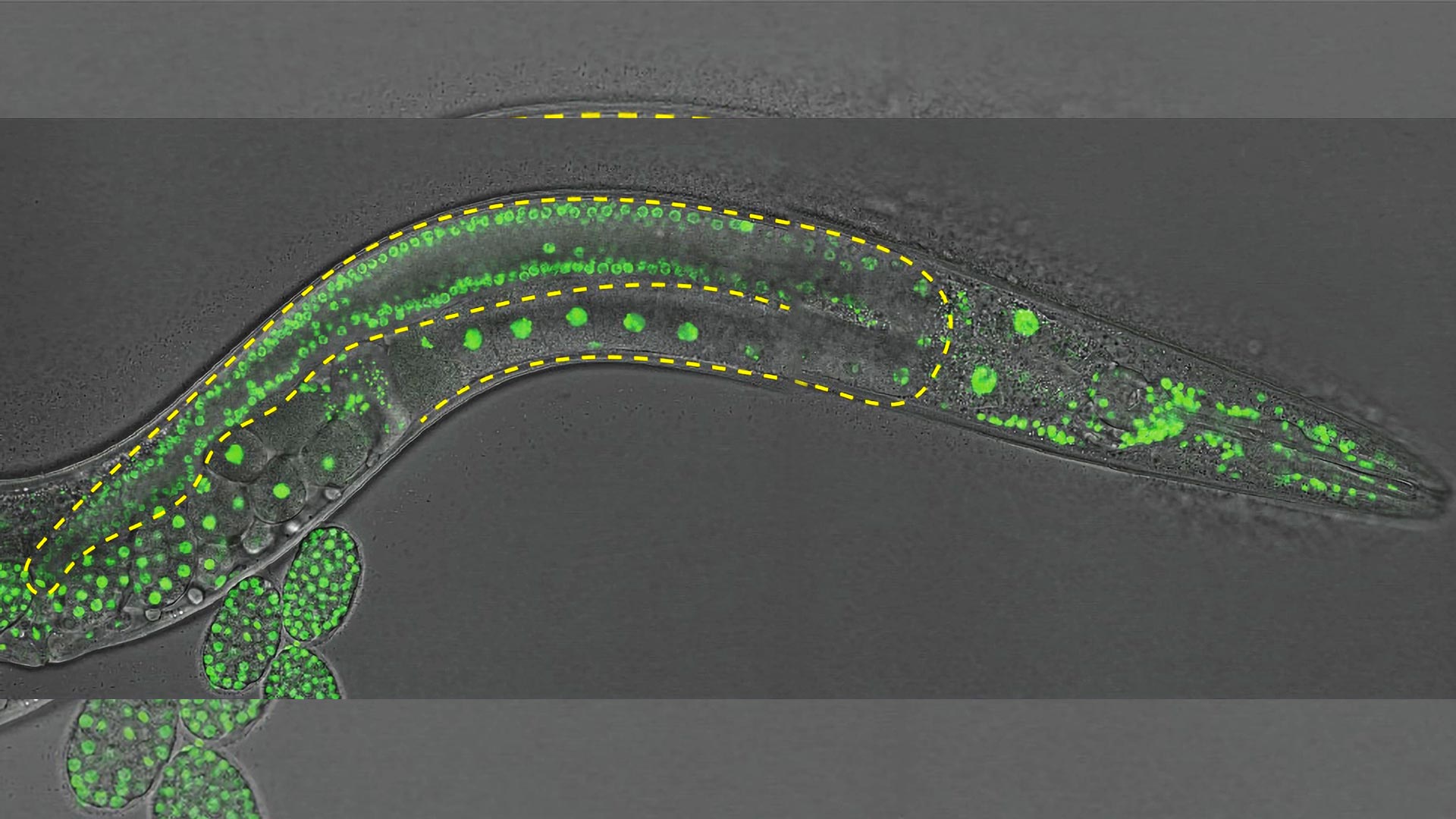
Researchers from Johns Hopkins University have discovered that histone H3, a protein in roundworm chromosomes, controls the production of specialized cells and pluripotent cells, which can differentiate into various body tissues. The study challenges the idea that hereditary information for cell differentiation is mostly contained in DNA. The research could help understand how histone H3 mutations relate to diseases, including various cancers in children and young adults. Further research is needed to determine if these findings apply to embryogenesis in humans and other animals.