Caster Semenya, a South African runner and Olympic gold medalist, celebrated a European court ruling that recognized her case as requiring rigorous judicial review, highlighting her fight against policies requiring her to lower testosterone levels to compete in women's sports. The court's decision, which does not change current rules but orders a review, marks a partial victory and underscores ongoing debates about gender, fairness, and human rights in athletics.
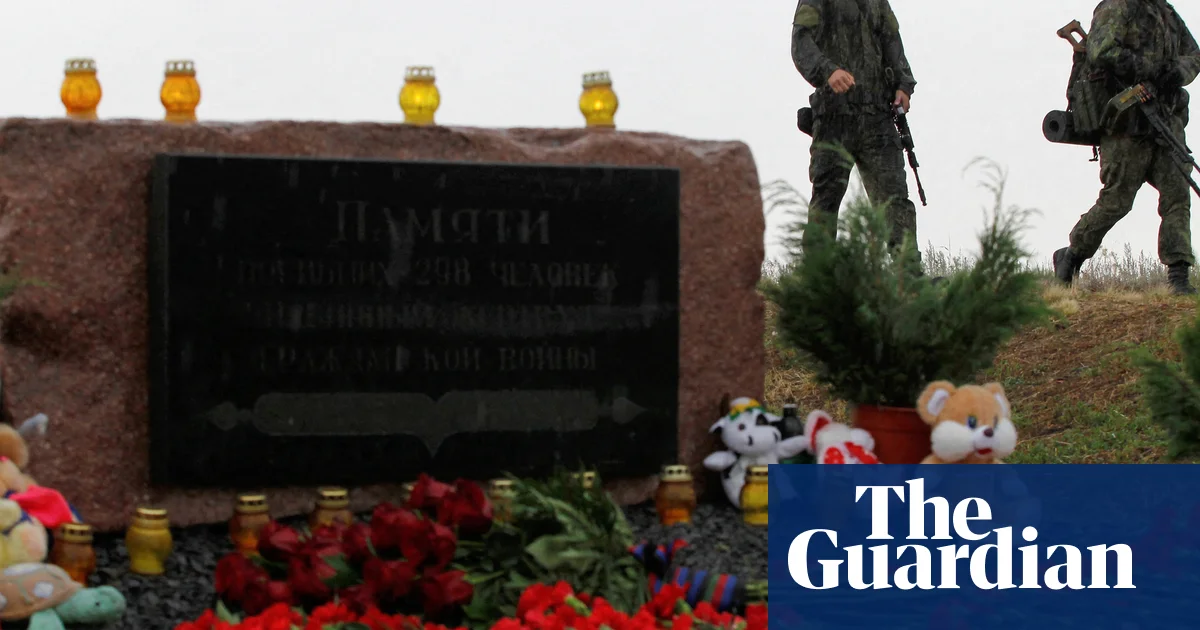
The European Court of Human Rights ruled that Russia was responsible for shooting down Malaysia Airlines Flight MH17 in 2014, killing 38 Australians and others, and found Russia guilty of violating international law by backing separatists in Ukraine. The court's decision, which Russia plans to ignore, marks a significant milestone for victims' families and underscores ongoing tensions related to the Ukraine conflict.
The European Court of Human Rights ruled that Russia is responsible for human rights violations in Ukraine since 2014, including the downing of MH17, marking a historic legal judgment with widespread international backing, and setting a precedent for holding Russia accountable for its actions in Ukraine.
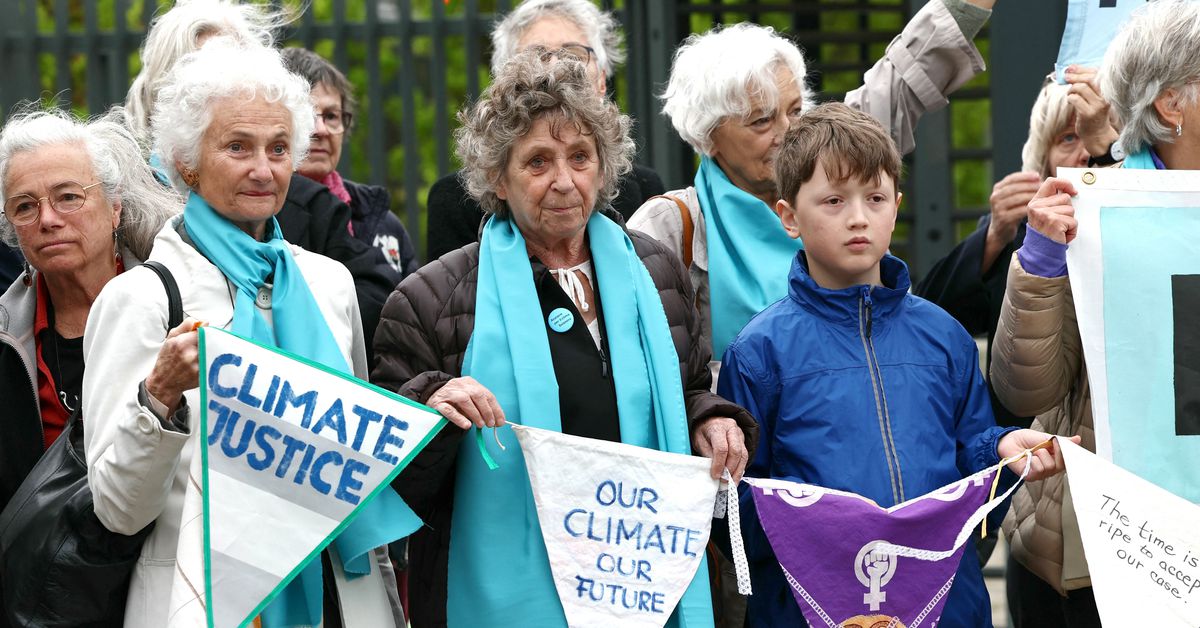
The European Court of Human Rights has ruled against Switzerland, ordering the country to take action to combat climate change after finding that its inaction puts its citizens at risk. The ruling, which cannot be appealed, has sparked debate in Switzerland, where the political system, governed by popular referendums, may complicate reform efforts. The country's strong ties to the fossil fuel industry and its financial sector's involvement in climate-damaging transactions have also come under scrutiny, with calls for stricter regulation and changes in investment policies.
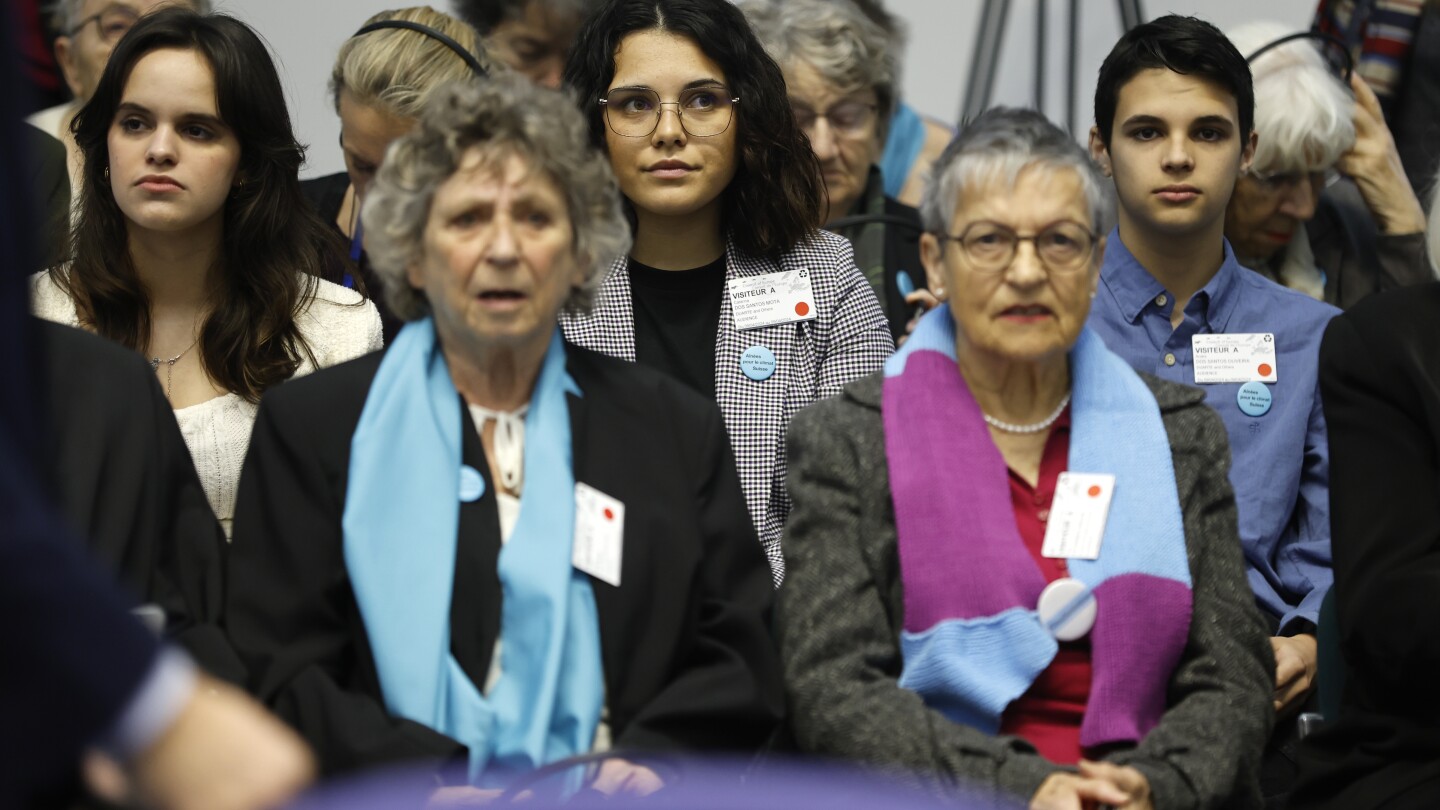
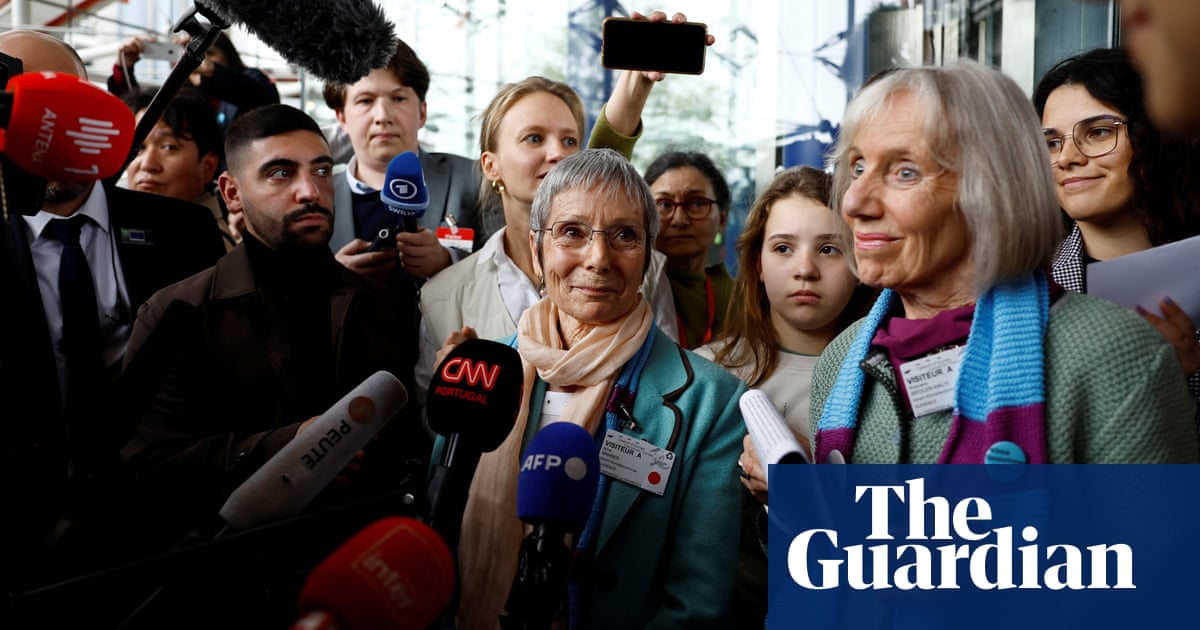
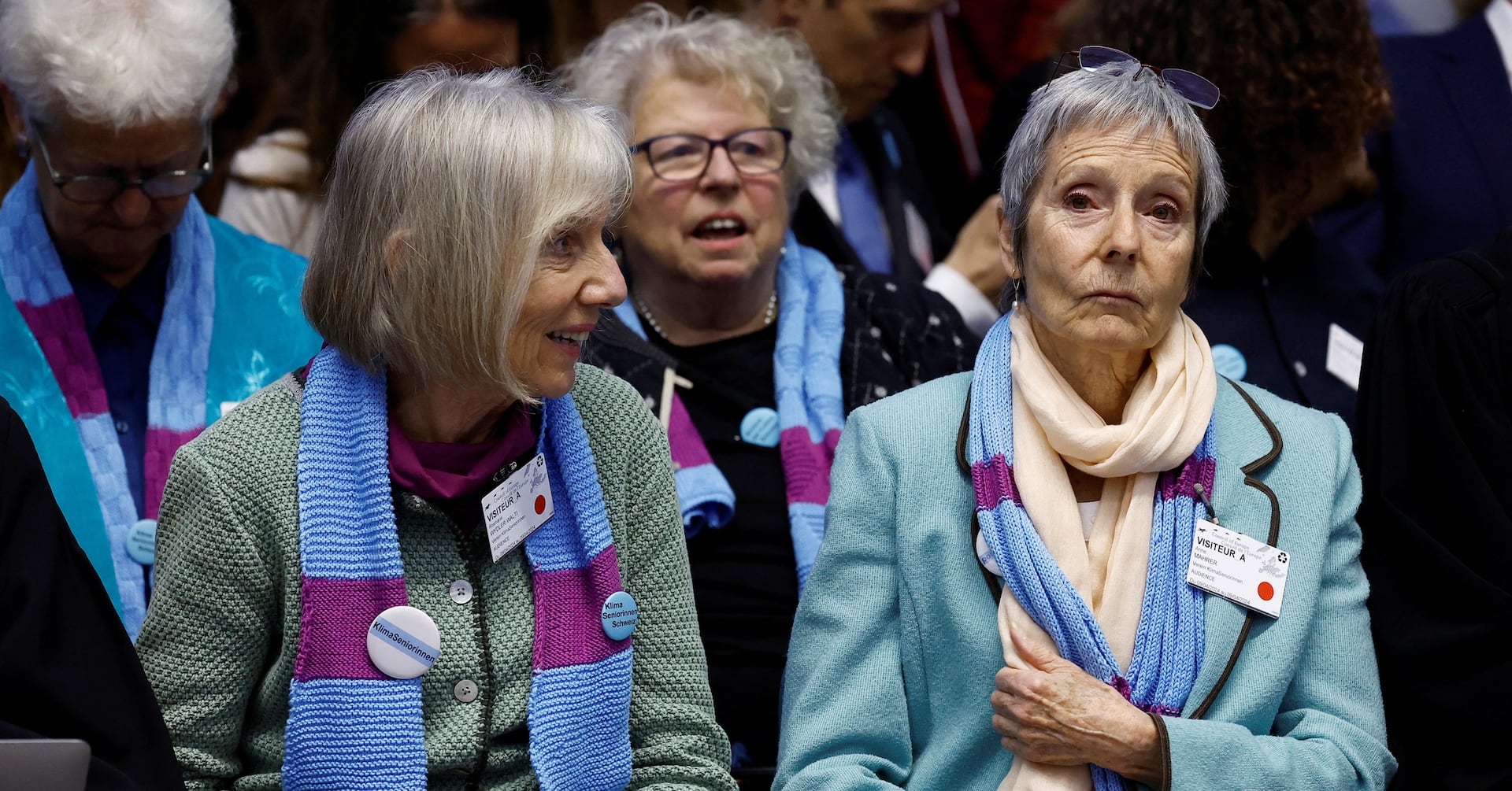
A group of 2,000 elderly Swiss women, known as KlimaSeniorinnen Schweiz, won a landmark climate case against Switzerland at the European Court of Human Rights, which found the country's climate policies inadequate and in violation of the women's human rights. The ruling sets a precedent for European citizens and civil society groups to sue their countries for better climate policy and could influence other international bodies. The women's strategy highlighted their medical vulnerability to excessive heat caused by climate change, and while Switzerland will now be obligated to update its climate change policies, the court cannot dictate specific policies. This legal victory may encourage more domestic cases and influence other international bodies to address climate change and human rights.
Europe's highest human rights court ruled in favor of a group of older Swiss women, stating that countries must better protect their people from the consequences of climate change. The ruling sets a legal precedent in the Council of Europe's 46 member states and could lead to more legal challenges. The court found that Switzerland had failed to comply with its duties to combat climate change, violating the women's rights. This decision could have implications for other countries in the Council of Europe, including the 27 EU nations.
The European Court of Human Rights has ruled that Switzerland violated the human rights of a group of older Swiss women by failing to take adequate action to combat climate change, setting a precedent for similar cases across Europe. The court rejected cases brought by a French mayor and a group of young Portuguese people, but the landmark decision raises judicial pressure on governments to address the climate crisis. The ruling is expected to influence climate action and litigation across Europe and beyond, emphasizing the link between weak government climate policies and fundamental human rights violations.
The European Court of Human Rights is set to rule on three climate cases, including a lawsuit by Portuguese youths against 32 European countries for failing to avert catastrophic climate change, and cases brought by elderly Swiss women and a former French mayor. The verdicts will determine whether weak climate change policies violate human rights, potentially setting a precedent for future climate litigation and influencing national emissions reduction targets. A ruling against the governments could lead to revised targets and further litigation, while a loss for the claimants could deter future legal action. The outcomes will also have implications beyond Europe, potentially impacting climate litigation in other countries.
The European Court of Human Rights ruled in favor of a group of elderly Swiss women, stating that the Swiss government's inadequate efforts to combat climate change violated the human right to a private and family life. The ruling could set a precedent for climate litigation across Europe and beyond. While the court threw out two similar cases, the Swiss verdict, which cannot be appealed, may compel the government to take greater action on reducing emissions, including revising its 2030 emissions reductions targets to align with the Paris Agreement goal of limiting warming to 1.5 degrees Celsius.
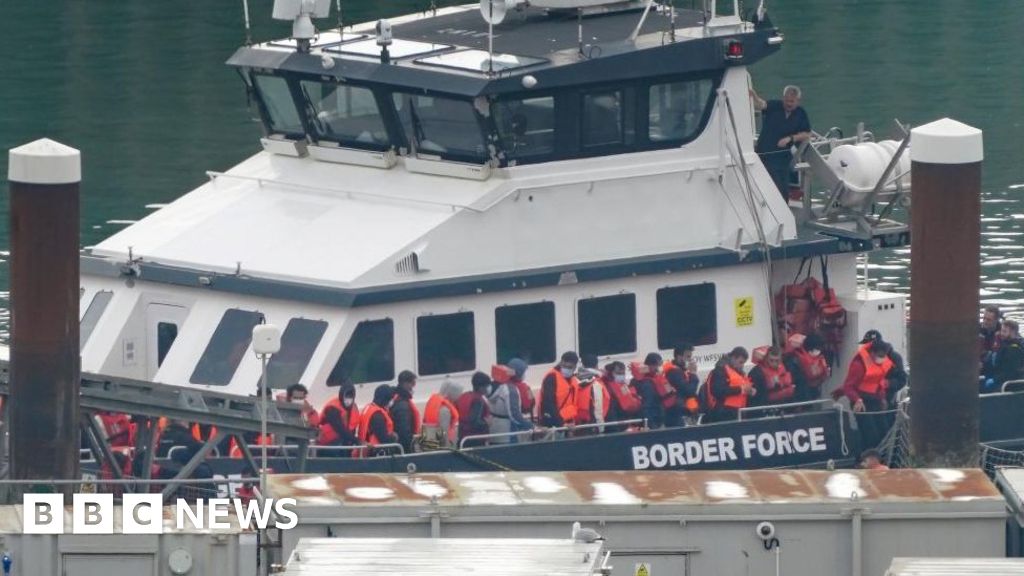
The president of the European Court of Human Rights emphasizes the legal obligation for countries to comply with its injunctions, amid UK ministers considering ignoring them in relation to the Rwanda bill aiming to halt legal challenges against plans to send asylum seekers to Rwanda. The bill, which could breach the European Convention on Human Rights, faces opposition in the House of Lords, with the court president's comments adding to the pressure on the government's plan.
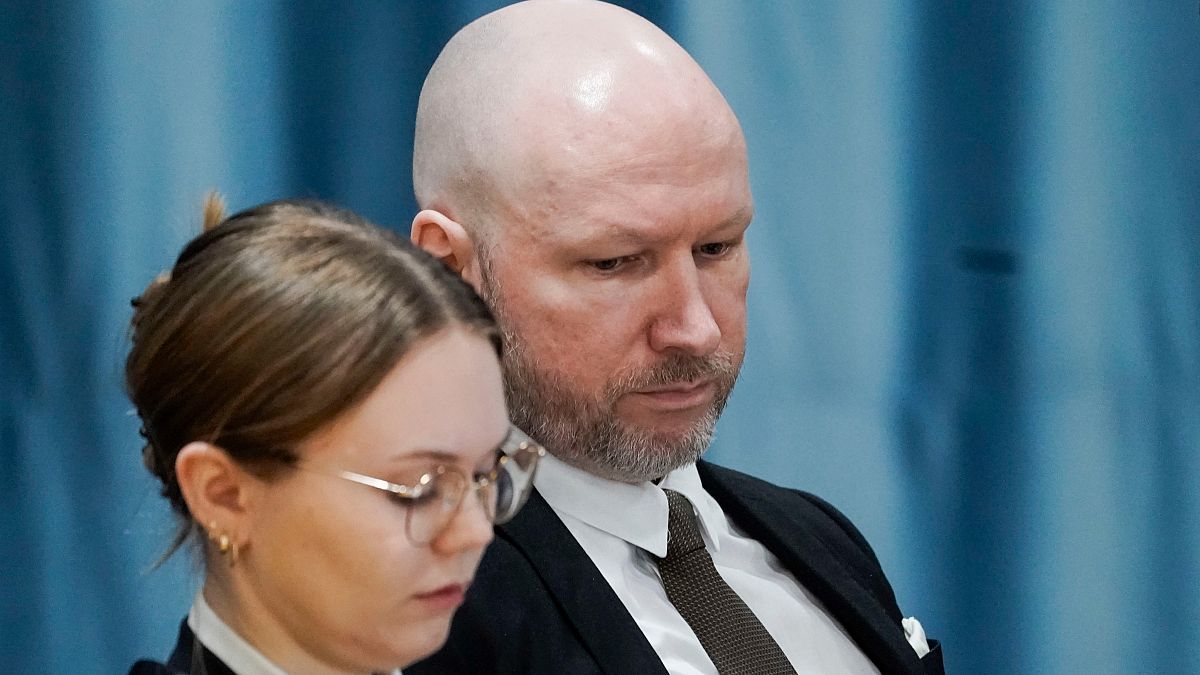
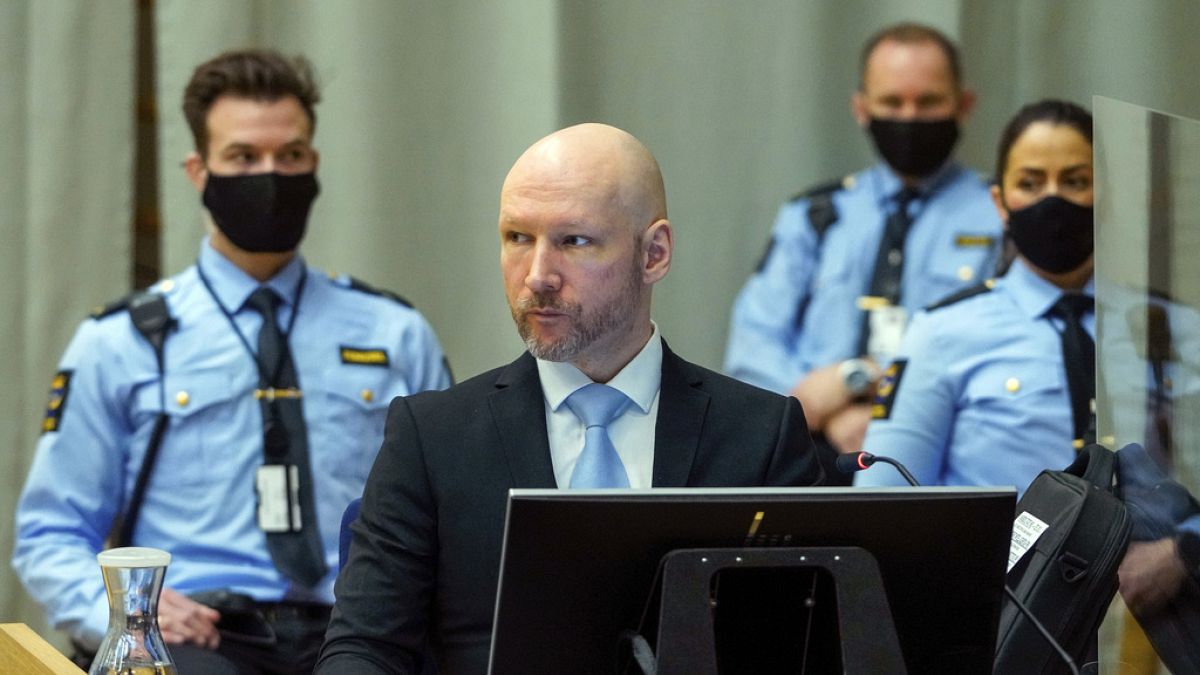
Convicted mass murderer Anders Behring Breivik is suing the Norwegian state for alleged human rights breaches due to his solitary confinement, claiming it constitutes inhumane treatment. Despite being held in a well-equipped prison complex, his lawyer argues that he is unable to form meaningful relationships with the outside world. Breivik's previous similar claim was initially accepted but later overturned, and he was judged to show no signs of rehabilitation. The state rejects his claims, and the trial is being held in the prison where he is detained.
Anders Behring Breivik, the Norwegian right-wing extremist who killed 77 people in 2011, is attempting to sue Norway for alleged human rights breaches due to his solitary confinement in prison. Despite being held in a well-equipped facility, his lawyer argues that he is unable to form meaningful relationships with the outside world. Norway rejects his claims, citing his lack of receptiveness to rehabilitation. This is Breivik's second attempt to sue the state, after a previous claim was overturned.
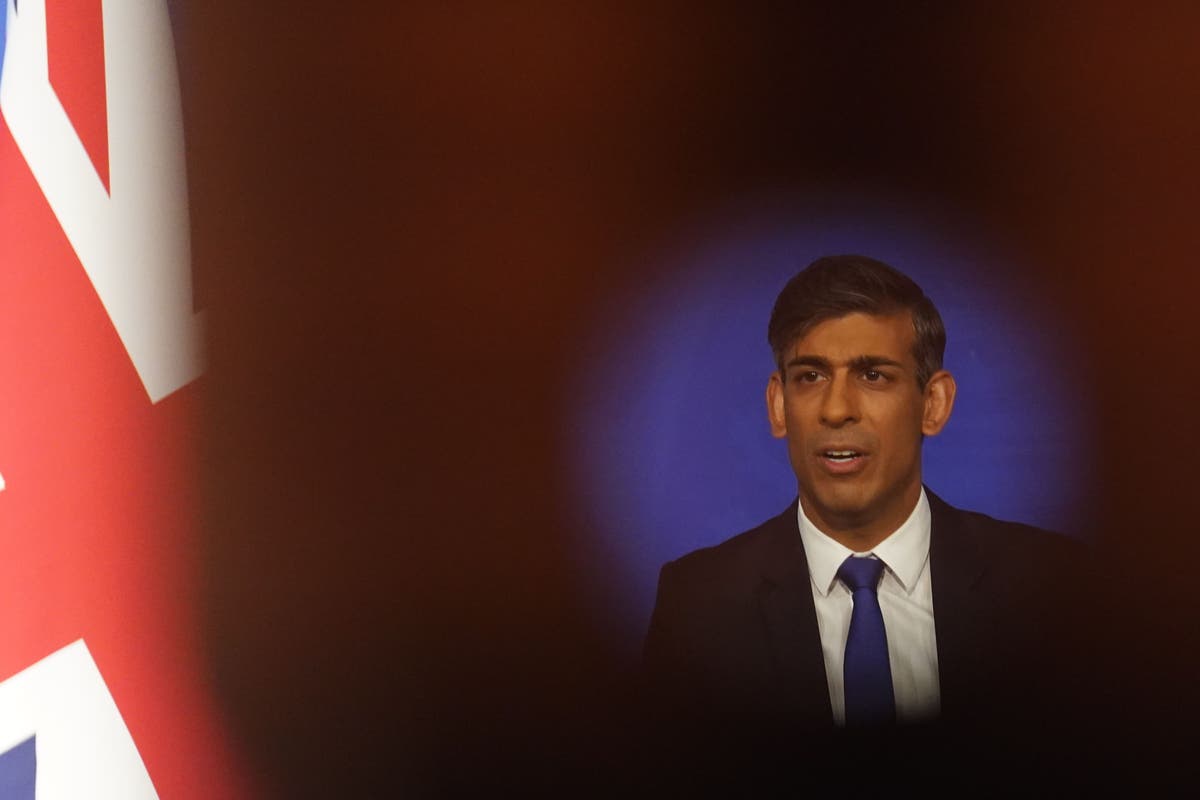
Rishi Sunak's emergency legislation to remove migrants to Rwanda has been given a "50% at best" chance of success, according to an official legal assessment. The legislation, aimed at reviving the stalled £290 million policy, faces the risk of the European Court of Human Rights blocking removal flights. Former immigration minister Robert Jenrick has argued that the legislation will fail and called for Britain to leave international treaties such as the European Convention on Human Rights. The Prime Minister is facing opposition from divided Tory MPs, with some concerned about the safety of Rwanda and others wanting to disapply the European Convention on Human Rights. The legal advice suggests that asylum seekers will still be able to challenge their deportation based on individual circumstances.
The largest climate case ever raised before the European Court of Human Rights (ECHR) has begun, with six young Portuguese plaintiffs alleging that 32 European governments have failed to honor the Paris Agreement and mitigate climate change impacts. The plaintiffs argue that inadequate state measures have resulted in more frequent heatwaves and wildfires, increasing the risks of heat-related illnesses. They claim that their human rights, including the right to life and privacy, are being violated. A victory in the case could force European governments to take faster action to meet climate goals, such as phasing out fossil fuels and reducing emissions. The court is not expected to rule until early 2024.
Six young people from Portugal are taking 32 European countries to the European Court of Human Rights in an unprecedented climate lawsuit. The claimants, aged between 11 and 24, argue that these countries have failed to address the human-caused climate crisis and are asking the court to force them to accelerate climate action. A win in this case could have significant implications for other climate lawsuits worldwide, while a ruling against the claimants could be damaging for future climate claims. The lawsuit is the largest of three climate cases being heard by the court, and the judgment could act as a legally binding treaty, compelling all 32 countries to take urgent climate action.