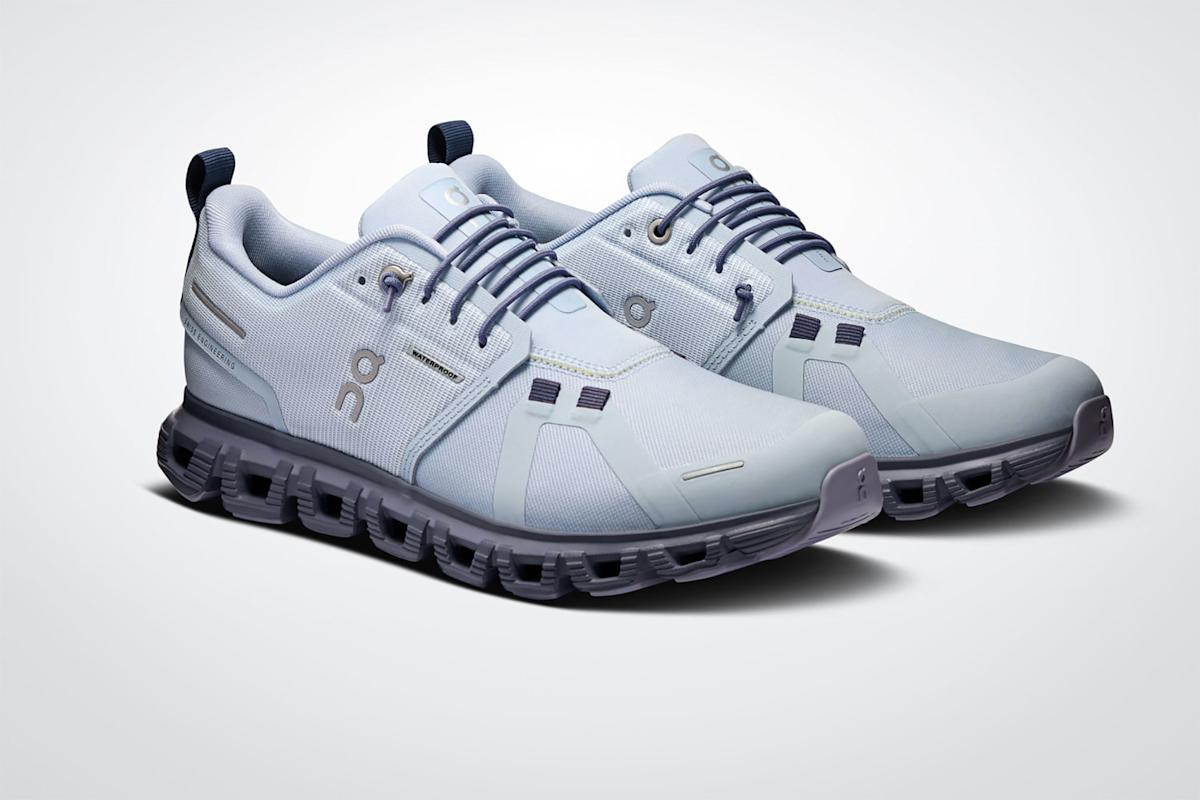
Customers have filed a class action lawsuit against On, alleging that their CloudTec sneakers squeak loudly when worn, causing embarrassment and inconvenience, especially for those on their feet all day, and that the company refuses refunds despite widespread complaints and DIY remedies.
A class action lawsuit was filed against Lockheed Martin alleging that the company and its officers misled investors by omitting critical information about internal control failures and program risks, which led to significant financial losses and a drop in stock price after disclosure of $1.6 billion in losses on classified programs.
A federal judge has paused Anthropic's $1.5 billion settlement in a book piracy lawsuit due to concerns over the settlement process and potential undisclosed claims, with a review scheduled for September 25th.
Judge William Alsup rejected Anthropic's $1.5 billion settlement in a copyright lawsuit involving AI training data, citing concerns over transparency, future claims, and proper notice to authors, requiring further details and court approval before proceeding.
A federal judge rejected Anthropic's $1.5 billion AI copyright settlement due to concerns over transparency, claim process, and potential unfairness to authors, delaying the approval of what could be one of the largest copyright deals in US history.
A federal jury in San Francisco ordered Google to pay $425 million for privacy violations related to collecting data from users who had disabled tracking features, with Google denying wrongdoing and planning to appeal. The case involved allegations that Google continued data collection through third-party apps despite user settings, affecting millions of users and adding to previous privacy lawsuits.
A class action lawsuit in Washington accuses Amazon of misleading consumers by selling digital movies as purchases when they are actually licenses that can be revoked, alleging violations of consumer laws and seeking damages.
Tesla owners can now sue the company over misleading marketing of its 'Full Self-Driving' technology, as a court has allowed a class-action lawsuit to proceed. Meanwhile, the U.S. is imposing tariffs on over 400 products, including auto parts, which could increase costs for automakers. California is considering creating its own EV rebate program to replace federal incentives that are ending. Additionally, VinFast is struggling to sell cars in the U.S. and has shifted to using franchised dealerships in California.
A U.S. court has allowed a class-action lawsuit against Tesla for allegedly misleading customers about its self-driving capabilities, citing false advertising and Tesla's unique advertising methods. The case involves owners who purchased Tesla's Full Self-Driving package under the belief it would enable fully autonomous driving, which Tesla has not delivered. The lawsuit seeks damages and an injunction to prevent future misleading claims. This legal development marks a significant step in holding Tesla accountable for its marketing practices related to autonomous driving features.
A class action lawsuit was filed against Centene Corporation alleging that the company and its executives made false and misleading statements about its revenue outlook and growth prospects, leading to a significant stock decline after the company withdrew its fiscal guidance and revealed lower-than-expected market growth, resulting in substantial financial losses for investors.
A New Hampshire judge is testing a new legal approach by temporarily blocking Trump's birthright citizenship order through a class action covering all affected babies nationwide, raising questions about the application of recent Supreme Court rulings and the role of lower courts in checking executive power, amid ongoing legal battles over immigration policies and deportations.
A U.S. District Judge, Joseph Laplante, has issued a nationwide injunction protecting birthright citizenship for infants, despite recent Supreme Court limitations on universal injunctions, by certifying a class of affected individuals and emphasizing that his order applies to all children born in the U.S., regardless of their parents' immigration status. This decision demonstrates that district judges can still defend constitutional rights through class actions, even after the Supreme Court's restrictions.
Epic Games agreed to pay $520 million to settle FTC allegations of unlawfully charging Fortnite players for unwanted in-game purchases, including refunds for affected players and policy changes to prevent future violations. The settlement benefits U.S. players charged between 2017 and 2022, with claims due by July 9, 2025.
Over 97% of UFC fighters involved in a $375 million antitrust settlement have submitted claims, with an average payout of around $250,000, covering fighters from 2010 to 2017, while new lawsuits aim to address ongoing contractual and business practice issues.
UnitedHealth Group faces multiple lawsuits, including a class-action claim alleging it improperly used $19 million in forfeited employee 401(k) funds to reduce its own costs instead of benefiting plan participants, violating fiduciary duties under ERISA. The company denies the allegations and is seeking to dismiss the case. It also faces other legal challenges related to healthcare practices and corporate conduct.