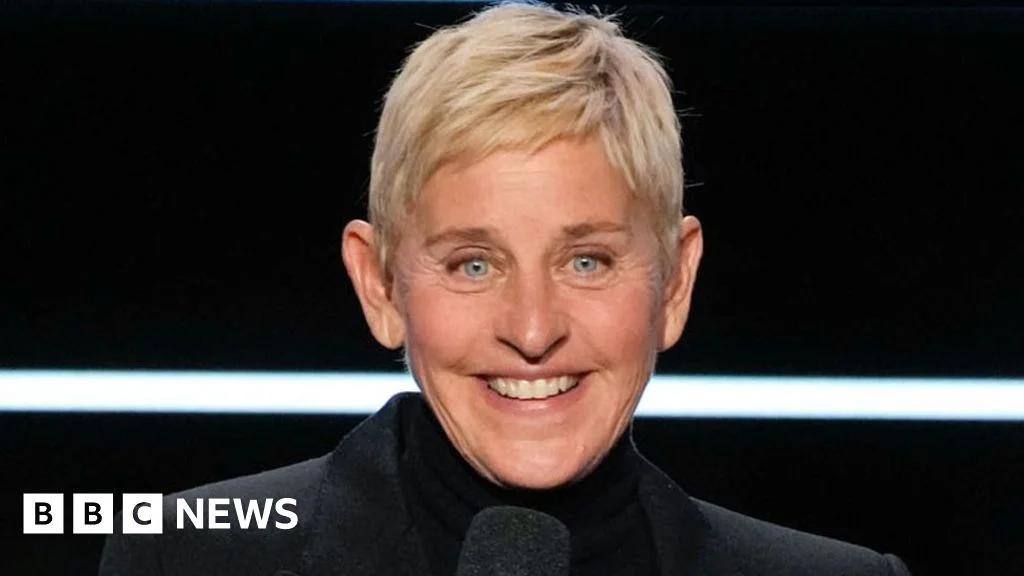
Ellen DeGeneres moved to the UK after Donald Trump was re-elected, citing a better quality of life and more acceptance, and has expressed her love for her new rural life in the Cotswolds. She discussed her reasons for relocating, her views on gay rights, her experiences with workplace allegations, and her desire to return to television in a new form, possibly in Britain.
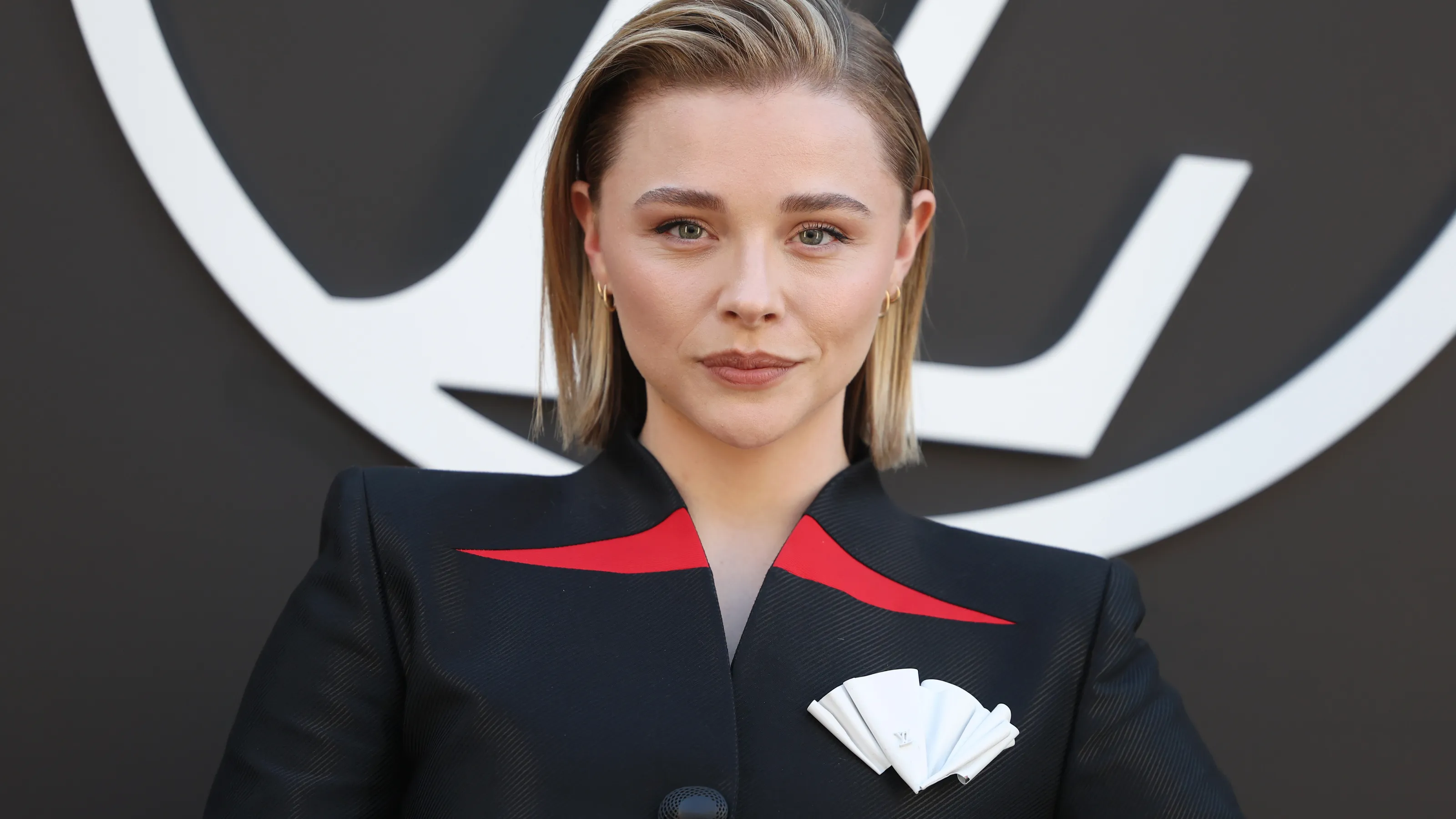
Chloë Grace Moretz has publicly come out as a gay woman while endorsing Vice President Kamala Harris for the 2024 presidential election. In an Instagram post, Moretz emphasized the importance of legal protections for the LGBTQ+ community and women's rights, urging her followers to vote. Moretz, known for her role in "The Miseducation of Cameron Post," has been in a relationship with model Kate Harrison since 2018. She highlighted the personal significance of her roles and advocacy, drawing from her upbringing in a conservative town and her family's experiences.
In a landmark ruling, Namibia's high court has declared laws banning same-sex acts between men unconstitutional, marking a significant victory for LGBTQ rights. While same-sex marriage remains illegal, unions performed abroad are recognized if one partner is not a Namibian citizen. The ruling has been celebrated by activists and the UN, though concerns about backlash and safety for LGBTQ individuals persist.
Hanania Ben-Shimon, the reservist who killed a terrorist in the Ma'ale Adumim shooting, expressed frustration over being used as a hero by government officials while feeling marginalized as a gay man without rights. He urged for respectful discourse and criticized the idea of increasing armed citizens as a solution, stating that a gun is not the answer. His tweet sparked reactions from politicians and drew attention to the intersection of his actions as a reservist and his identity as a gay man.
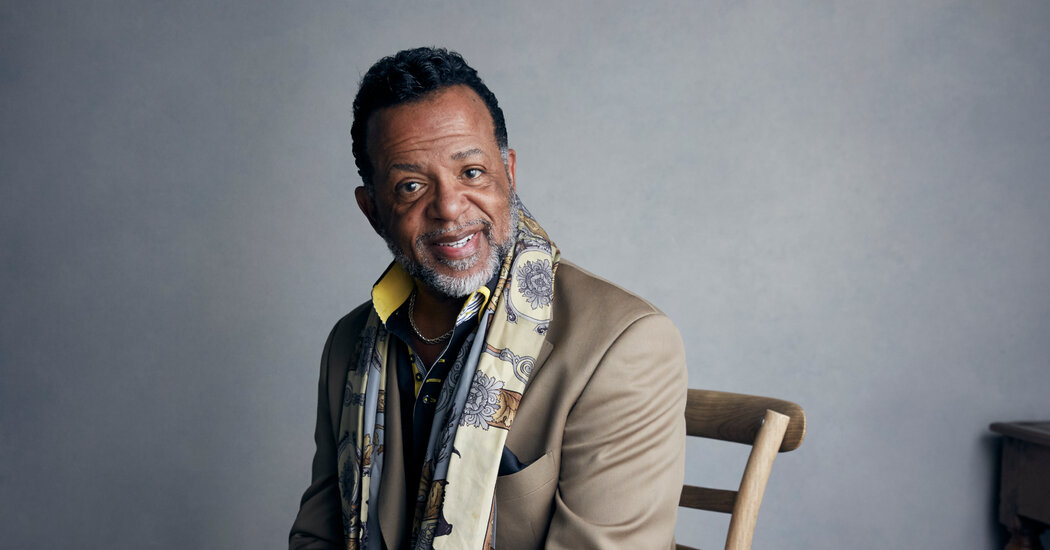
Bishop Carlton D. Pearson, a prominent evangelical pastor who was ostracized by his congregation and peers after questioning the existence of hell and advocating for gay rights, has died at the age of 70. Pearson, once a leading figure in the evangelical establishment, was branded a heretic and lost most of his congregation after expressing his belief in universal salvation and the "gospel of inclusion." Despite facing significant backlash and losing his church, Pearson found a new audience among liberal Christians and in the media, with his story being portrayed in the Netflix movie "Come Sunday."
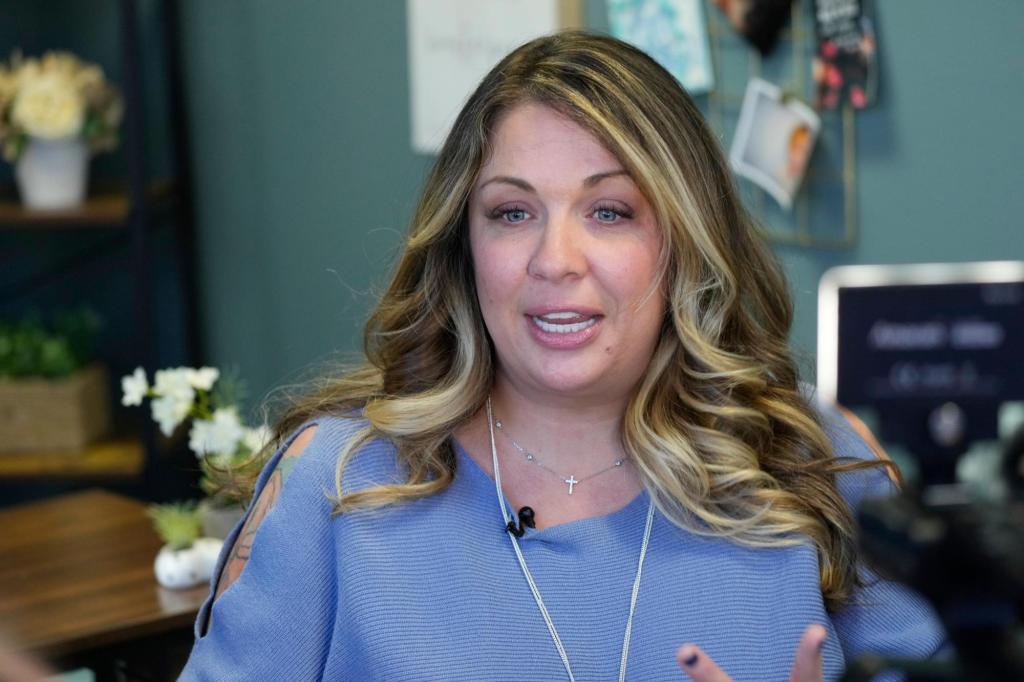
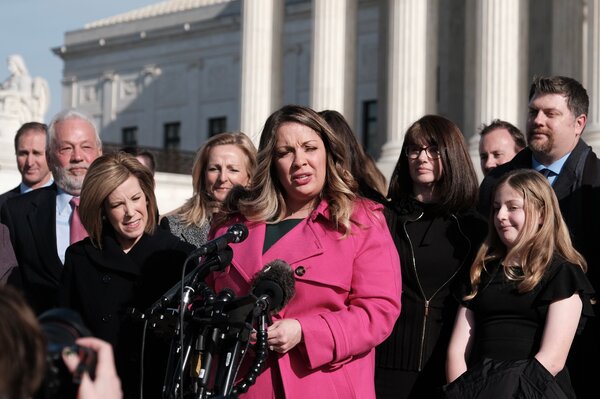
The legitimacy of a customer named "Stewart" in a Supreme Court gay rights case has raised ethical and legal concerns. The Christian graphic artist, Lorie Smith, who was allowed by the Supreme Court to refuse making wedding websites for gay couples, cited a request from Stewart and his husband-to-be as evidence. However, Stewart denies ever making such a request, leading to questions about the misrepresentation and potential legal recourse for the state of Colorado. While the revelation is unlikely to impact the case's outcome, it raises doubts about the credibility of Smith's legal team and may result in sanctions if they knew the request was false. Such an error at the Supreme Court level is highly unusual.
A fake form submitted in a Supreme Court case involving a Colorado graphic designer's right to refuse creating websites for same-sex marriages has raised questions about the court's decision. The form, which appeared to show a request from a gay couple, was later revealed to be filled out by a straight man who was unaware of its existence and a supporter of gay rights. The court did not mention or give weight to the form in its ruling, and both parties acknowledged its irrelevance. Critics argue that the apparent falsehoods undermine the court's decision.
The legitimacy of a "customer" named "Stewart" in a Colorado gay rights case, where a Christian graphic artist was allowed to refuse making wedding websites for gay couples, has raised ethical and legal concerns. Stewart denies ever making the request, leading to questions about how the case proceeded to the Supreme Court with such a misrepresentation. While the revelation is unlikely to impact the case's outcome, it could undermine the credibility of the artist's legal team and potentially result in sanctions. Legal experts consider such errors at the Supreme Court level highly unusual, but previous instances of retractions and errors have occurred.
The U.S. Supreme Court ruled in favor of a Colorado web designer, Lorie Smith, who can refuse to create wedding websites for same-sex couples. However, it has been revealed that a request from a man named "Stewart," which was cited by Smith's attorneys during the case, was denied by Stewart himself, stating that he never made the request. This revelation has raised questions about the validity of the case and distracted from Smith's victory, which is seen as a setback for gay rights. Smith's lawyer suggested that the request could have been made by a troll, while the Colorado Attorney General called the lawsuit a "made up case" since Smith wasn't offering wedding website services when the suit was filed.
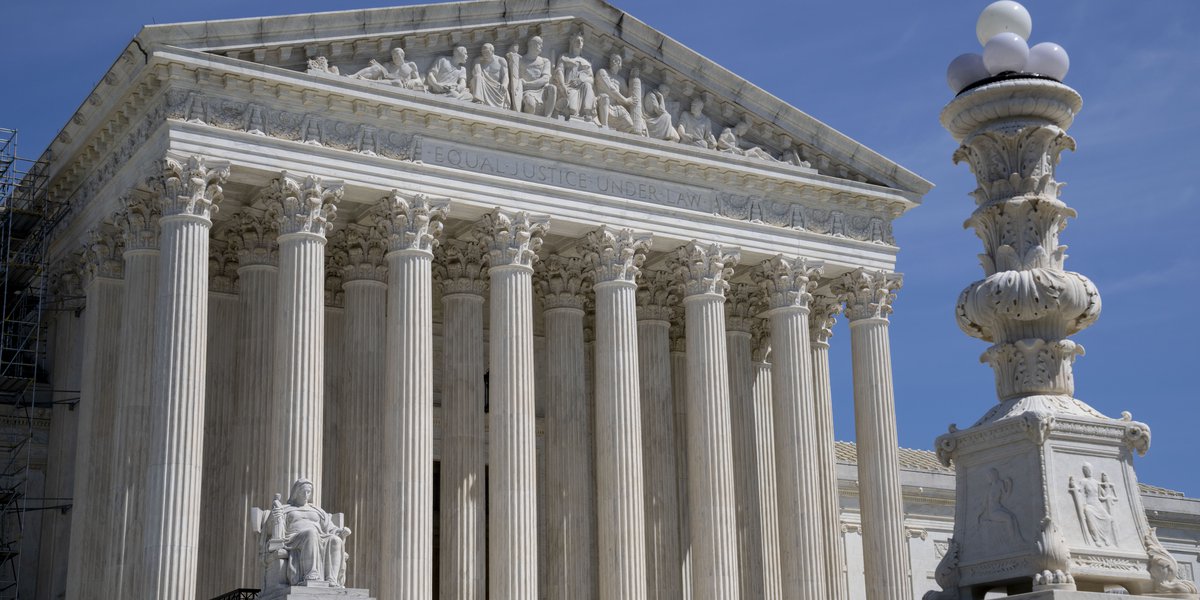
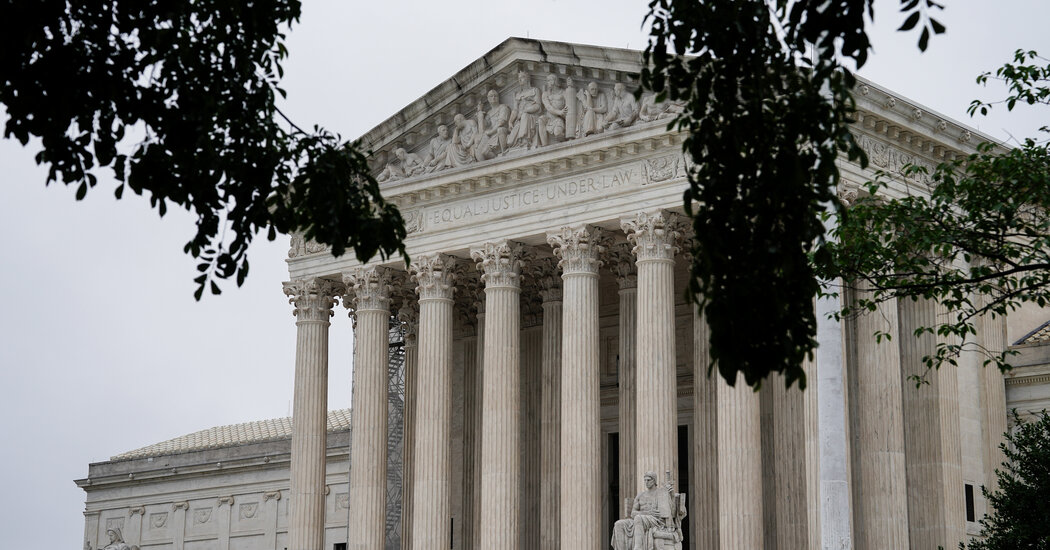
The Supreme Court ruled in a 6-3 decision that a web designer in Colorado has a First Amendment right to refuse services for same-sex marriages, despite a state law prohibiting discrimination against gay people. The court held that the First Amendment prohibits Colorado from forcing the designer to create expressive designs that convey messages with which she disagrees. The decision, framed as a clash between free speech and gay rights, is seen as a victory for religious people and groups, particularly conservative Christians. It also raises concerns about the legal standing of LGBTQ rights and limits the enforcement of anti-discrimination laws.
The US Supreme Court is set to release 10 opinions over the next week, covering some of the most contentious issues of the term, including affirmative action, student loans, and gay rights. The court will also decide on the fate of President Joe Biden's plan to wipe away or reduce student loans held by millions of Americans. Additionally, the court will rule on a clash between gay rights and religious rights, a case involving a Christian mail carrier who refused to work on Sundays, and a case about the power of state legislatures to make rules for congressional and presidential elections without being checked by state courts.
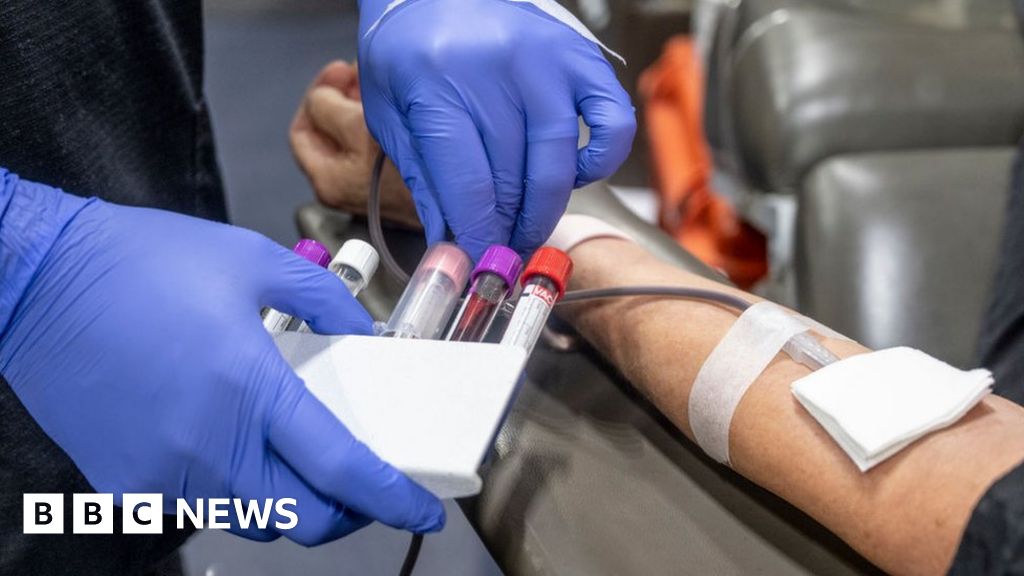
The US FDA has relaxed its restrictions on blood donations from gay and bisexual men, moving to an "individual risk-based approach" that evaluates all prospective donors by the same set of criteria while screening for recent, higher-risk sexual activity. The new policy takes its cue from the UK and Canada, but only applies to those who have had the same sexual partner during the past three months. The FDA is also recommending that those who use pre-exposure prophylaxis (PrEP) or post-exposure prophylaxis (PEP) must defer making a donation. Gay rights advocates welcomed the move, but cautioned that the bias embedded into this policy may cost lives.