
Supreme Court gay rights case questions legitimacy and implications of declining service based on beliefs
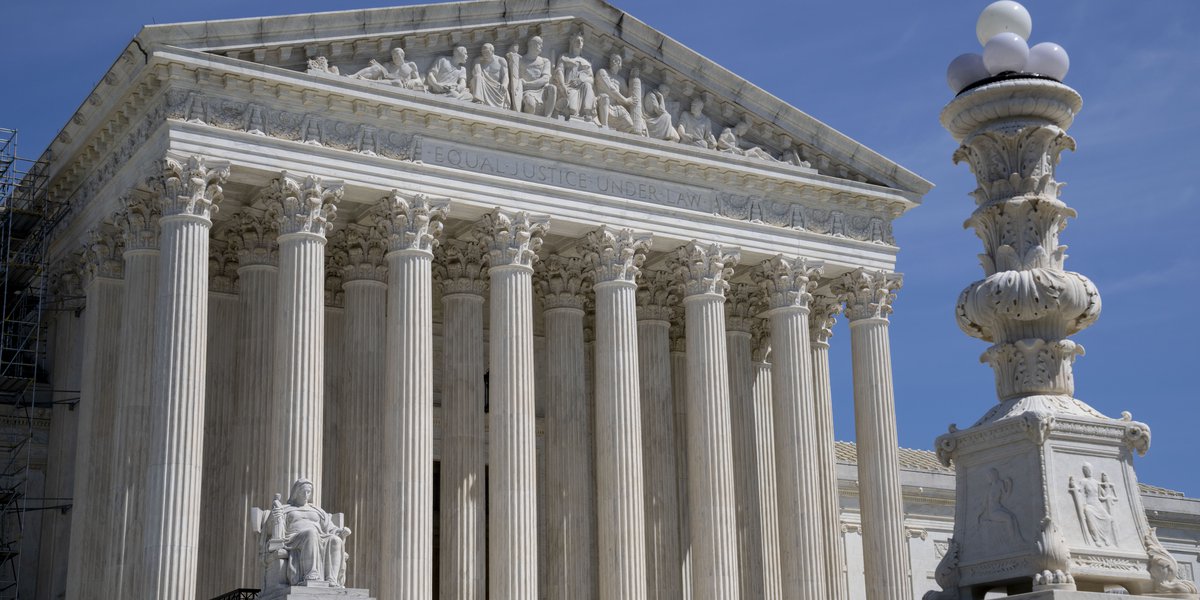
The legitimacy of a customer named "Stewart" in a Supreme Court gay rights case has raised ethical and legal concerns. The Christian graphic artist, Lorie Smith, who was allowed by the Supreme Court to refuse making wedding websites for gay couples, cited a request from Stewart and his husband-to-be as evidence. However, Stewart denies ever making such a request, leading to questions about the misrepresentation and potential legal recourse for the state of Colorado. While the revelation is unlikely to impact the case's outcome, it raises doubts about the credibility of Smith's legal team and may result in sanctions if they knew the request was false. Such an error at the Supreme Court level is highly unusual.
- Legitimacy of ‘customer’ in Supreme Court gay rights case raises ethical, legal flags KY3
- Legitimacy of 'customer' in gay rights case raises flags FOX31 Denver
- Arizona Attorney General Kris Mayes tells U.S. Supreme Court to shove it Yahoo News
- Attorney General Kris Mayes tells Supreme Court to shove it The Arizona Republic
- A Business Can Decline Service Based on Its Beliefs, Supreme Court Rules – But What Will This Look Like in Practice? U.S. News & World Report
Reading Insights
0
7
5 min
vs 6 min read
90%
1,182 → 117 words
Want the full story? Read the original article
Read on KY3