
31 Forgetful People Who Wrecked Their Month
A humorous list of 31 people and situations where they forgot important or obvious things, leading to amusing or problematic outcomes, highlighting everyday forgetfulness.

All articles tagged with #forgetfulness
A humorous list of 31 people and situations where they forgot important or obvious things, leading to amusing or problematic outcomes, highlighting everyday forgetfulness.

The article offers six simple and effective brain tricks to improve memory and reduce forgetfulness, providing practical tips to enhance cognitive function.

High cortisol levels, often associated with chronic stress, can lead to a range of health issues including high blood pressure, poor sleep, and increased forgetfulness. To lower cortisol levels, it's important to manage stress through lifestyle changes such as balanced eating habits, adequate sleep, regular exercise, and cognitive approaches to stress. Additionally, practicing self-care and finding activities that bring joy can help reduce cortisol levels and improve overall stress management.

Our brains are designed to forget the majority of what we experience in a day, and this is actually beneficial. Episodic memory, the ability to recall past events, allows us to mentally time travel, relive past experiences, and consider the future. As we age, episodic memory declines, but this may be a natural part of our brain's evolution, with younger adults needing sharper memory for survival and elders focusing on passing down wisdom. Understanding the purpose of forgetfulness can provide comfort, as it suggests that our brains are functioning as they evolved to do.
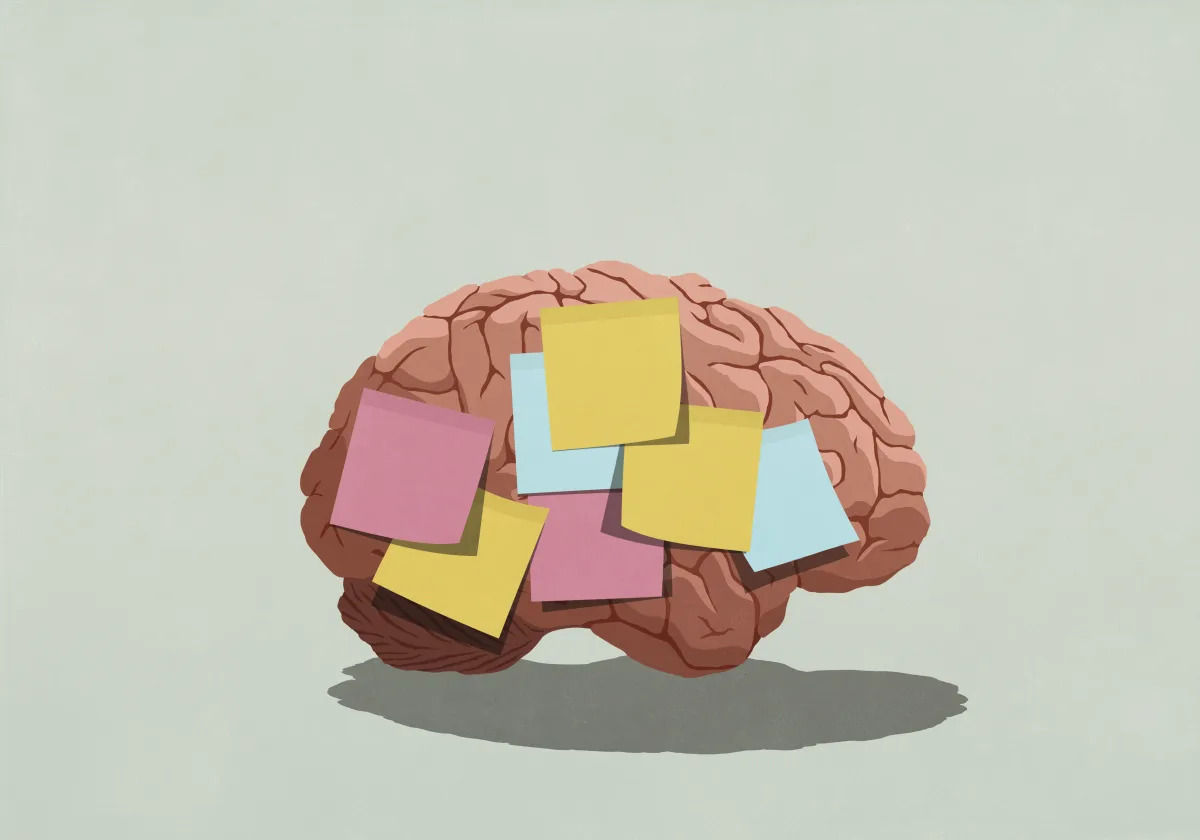
Memory, regardless of age, is fallible and malleable, with the act of forgetting being an important aspect of memory. Our brains prioritize important memories, making it difficult to recall less important details, and each time we access and reconsolidate a memory, it is subject to change. As we age, declines in cognitive abilities are broad and almost universal, but older brains can often compensate for their weaknesses by strategically focusing on the most important information. Forgetting allows us to identify important knowledge from our experiences, and memory lapses at any age are surprisingly normal and not necessarily a sign of mental decline.

Memory, regardless of age, is fallible and malleable, with the act of forgetting being an important aspect of memory. Our brains prioritize important memories, making it difficult to recall less important details or events. As we age, declines in memory and cognitive abilities are broad and almost universal, with the raw power of memory peaking in our early twenties. Older brains can compensate for weaknesses by strategically focusing on important information and making connections between experiences. Forgetting allows us to extract important principles and wisdom from our experiences, while the inability to recall names and dates is a common complaint of aging and not necessarily a sign of cognitive decline.

Age-related memory lapses, such as temporarily forgetting names or misplacing items, are often normal and not a cause for concern. While memory retrieval becomes less efficient as we age, it does not necessarily indicate impairment. However, there are lifestyle changes that can help improve memory, such as limiting multitasking, managing stress, getting enough sleep, maintaining a healthy diet, and engaging in regular cardiovascular exercise. If memory loss significantly disrupts daily life or shows early signs of dementia, it is advisable to consult a doctor for assessment and potential causes.

A 16-month-old toddler died inside a hot car parked outside a South Carolina high school after her mother forgot she was in the vehicle. The child was found in a car seat approximately eight hours later by a passerby who called 911. The coroner believes the toddler died due to heat, with temperatures likely exceeding 100 degrees Fahrenheit (38 degrees Celsius) inside the car. The school canceled its Friday night football game and classes on Monday, and police investigators will be conducting interviews and presenting their findings to the county solicitor's office.

A 16-month-old girl was found dead in a car seat at Bishop England High School in South Carolina after her mother forgot to drop her off at daycare. The child was pronounced deceased by first responders, and authorities are investigating the incident. It is unclear if anyone will face charges.
As we age, our bodies go through some awkward changes such as unexplained aches and pains, grey hair in weird places, random anxiety attacks, forgetfulness, uncomfortable dryness, loss of tolerance and patience, falling face, and moles and age spots. These changes are a part of the aging process and can be managed with proper care and attention.

As we age, our bodies go through some awkward changes such as unexplained aches and pains, grey hair in weird places, random anxiety attacks, forgetfulness, uncomfortable dryness, loss of tolerance and patience, falling face, and moles and age spots. These changes are a part of the aging process and can be managed with proper care and attention.

A new study from the University of Notre Dame found that memory errors, such as forgetting a child in a car, occur when environmental cues fail to trigger memory of an intention at the right moment. The study found no evidence to support the idea that one gender is more likely to forget a child in a car than the other. The researchers believe their findings can contribute to public and legal understanding of such memory errors, potentially exonerating parents who suffer this tragic mistake.