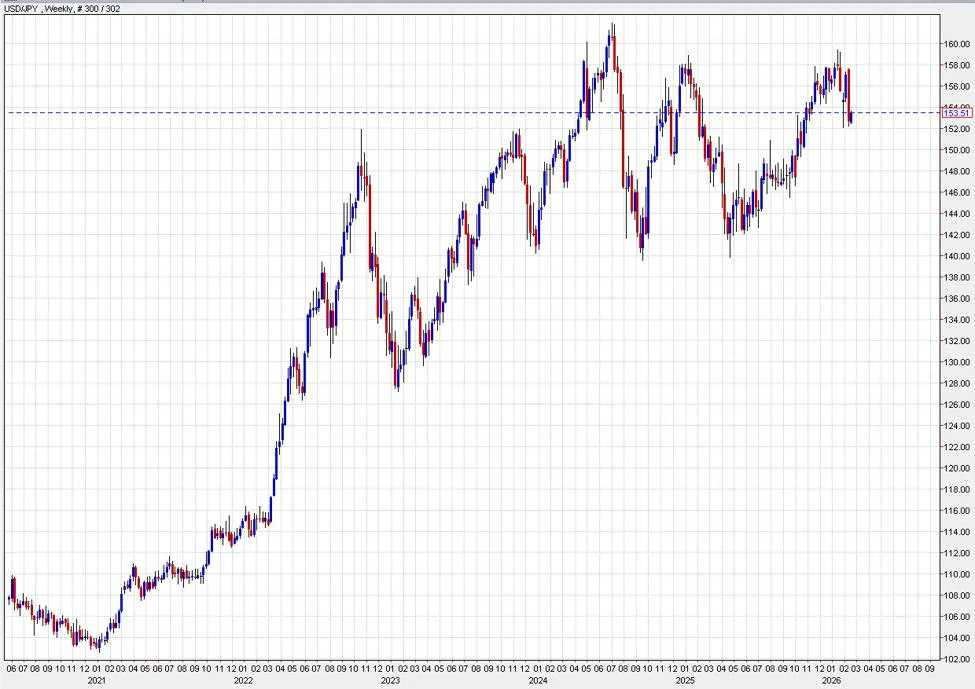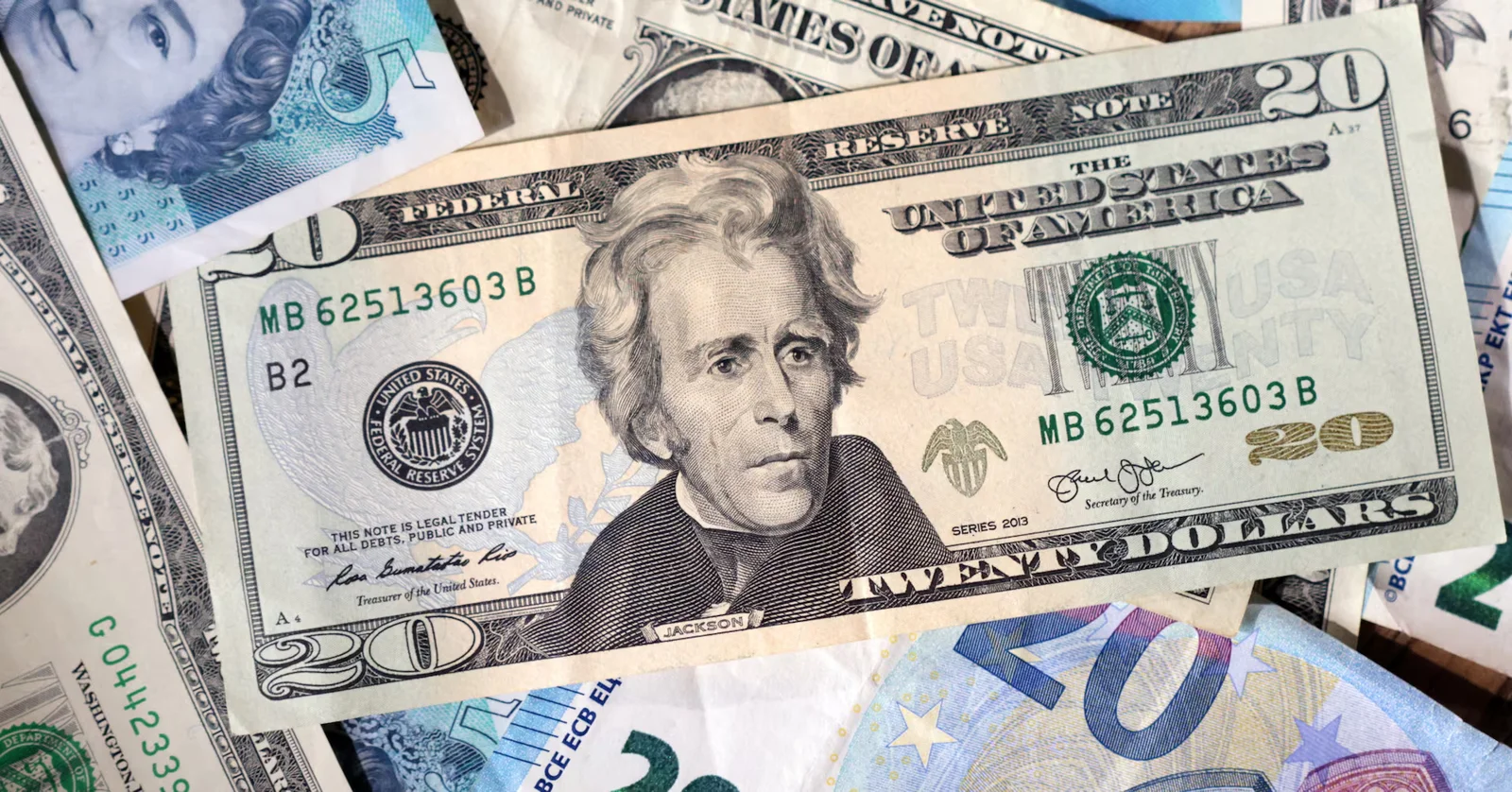
The yen is expected to weaken further against the dollar by 2026, with forecasts suggesting it could reach 160 or beyond, due to persistent structural weaknesses, wide US-Japan yield gaps, and cautious BOJ policies, despite some recent stabilization.
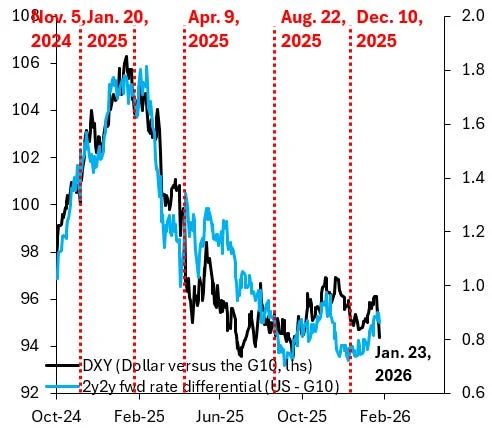
The US dollar, after a period of decline, is rebounding and challenging bearish bets, driven by global developments, Federal Reserve comments, and investor behavior, which could impact international markets, commodities, and emerging markets, with future movements heavily influenced by Fed policy and geopolitical factors.
The US dollar is expected to be tested this week as key employment data (JOLTS, claims, payroll) will influence Fed rate cut expectations, with a mildly softer dollar anticipated. Meanwhile, Spain's upgraded credit rating and eurozone CPI data could support the euro, while UK political developments and regional inflation figures in Central and Eastern Europe will also impact currency movements.
The US dollar experienced its worst half-year performance since 1991 due to concerns over US fiscal policy and trade tensions, leading investors to diversify into gold and other currencies like the euro and yuan. While the dollar may continue to weaken in the short term, a rapid decline in its global dominance is unlikely, as structural factors and lack of alternatives persist.
The USD has risen slightly following US strikes on Iran's nuclear sites, with indicative forex rates showing modest movements amid geopolitical tensions. Traders are advised to remain cautious as the situation develops.
The US dollar has fallen to a three-year low, with technical indicators suggesting further decline, potentially leading to a breakdown. While some signs hint at a possible rebound, overall momentum and historical patterns indicate more downside risk, especially amid geopolitical and economic factors such as the 'revenge tax' and international hedging activities.
The US dollar remains weak amid ongoing trade tensions and policy uncertainties, with the euro and other currencies gaining against it. European stocks and US futures are slightly lower, while gold and oil prices rise due to geopolitical and supply factors. Market sentiment is cautious as trade disputes and tariffs continue to influence investor behavior.
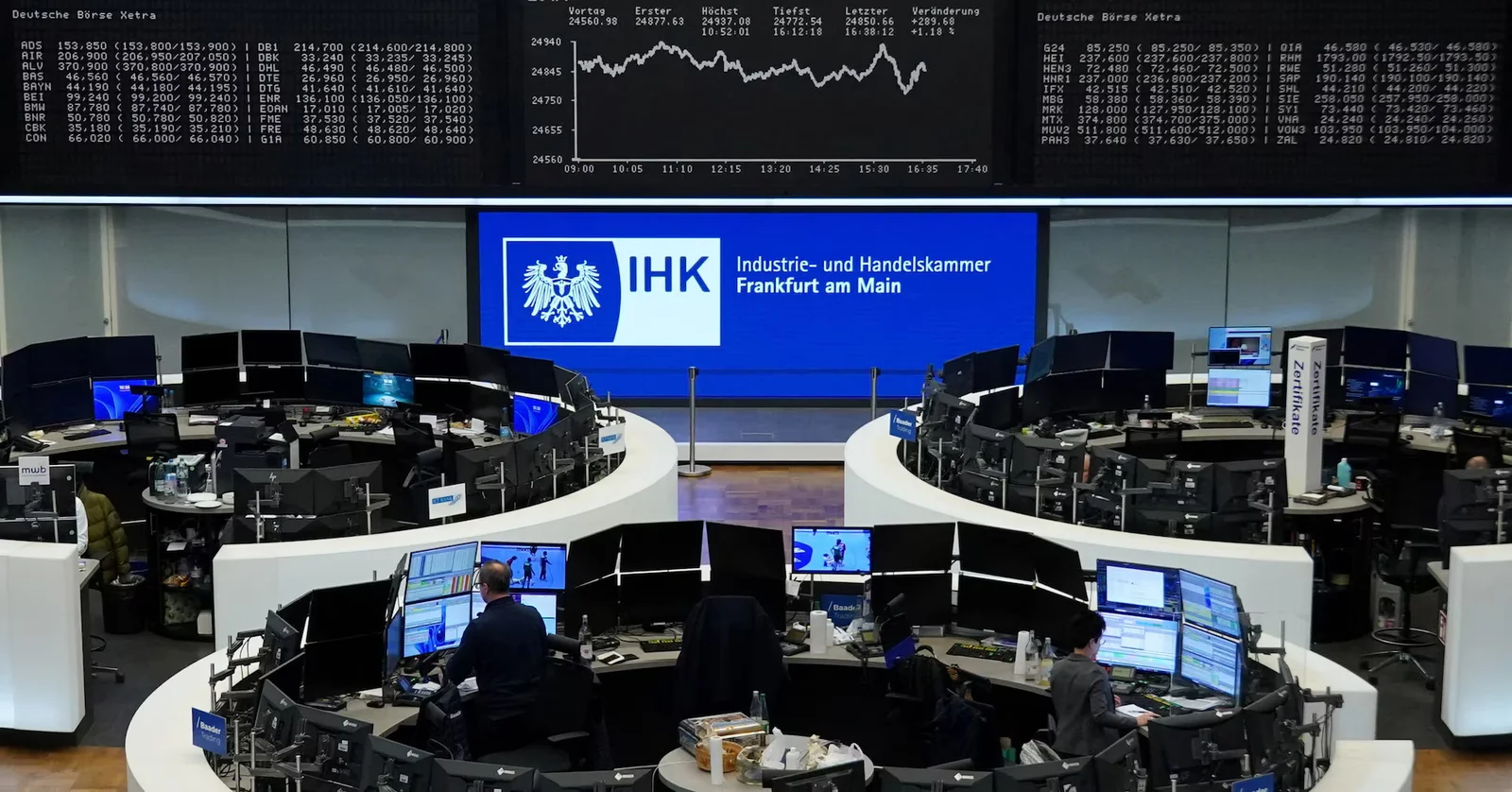
Global markets showed mixed results as U.S. stocks fell following hawkish comments from Fed Chair Jerome Powell, which dampened hopes for an interest rate cut. The Dow, S&P 500, and Nasdaq all declined, while the U.S. dollar strengthened, impacting commodities like oil and gold. In Asia, Japan's Nikkei and China's markets fell, while Australia's ASX rose. European markets were mixed amid weak UK growth data and higher French inflation. Oil prices dropped due to concerns over Chinese demand and fewer expected U.S. rate cuts.
U.S. stock markets closed higher on Monday amid hopes for a second Trump presidency, with the Dow Jones achieving a record closing high. Asian markets were mixed, with Japan's Nikkei 225 rising and Hong Kong's Hang Seng falling. European markets declined, and oil prices dipped due to concerns over Chinese demand. Gold approached an all-time high, while the U.S. dollar strengthened.
Early Monday morning forex markets show the USD slightly stronger following weekend news of a shooting at a Trump rally, causing some initial market volatility. Market liquidity remains thin until more Asian markets open.
The US dollar weakened slightly after the latest PCE data showed monthly inflation cooling, while gold gained momentum. Both Core and Headline y/y PCE figures met expectations, but the m/m Core reading was slightly below forecasts. The US dollar index fell but remains supported by technical levels, while gold rose by 0.50% and is approaching near-term resistance.
China's onshore yuan fell to a four-month low after the authorities set a weaker-than-expected daily fixing, leading to speculation of further losses and causing a slide in the currency that affected its Asian counterparts.
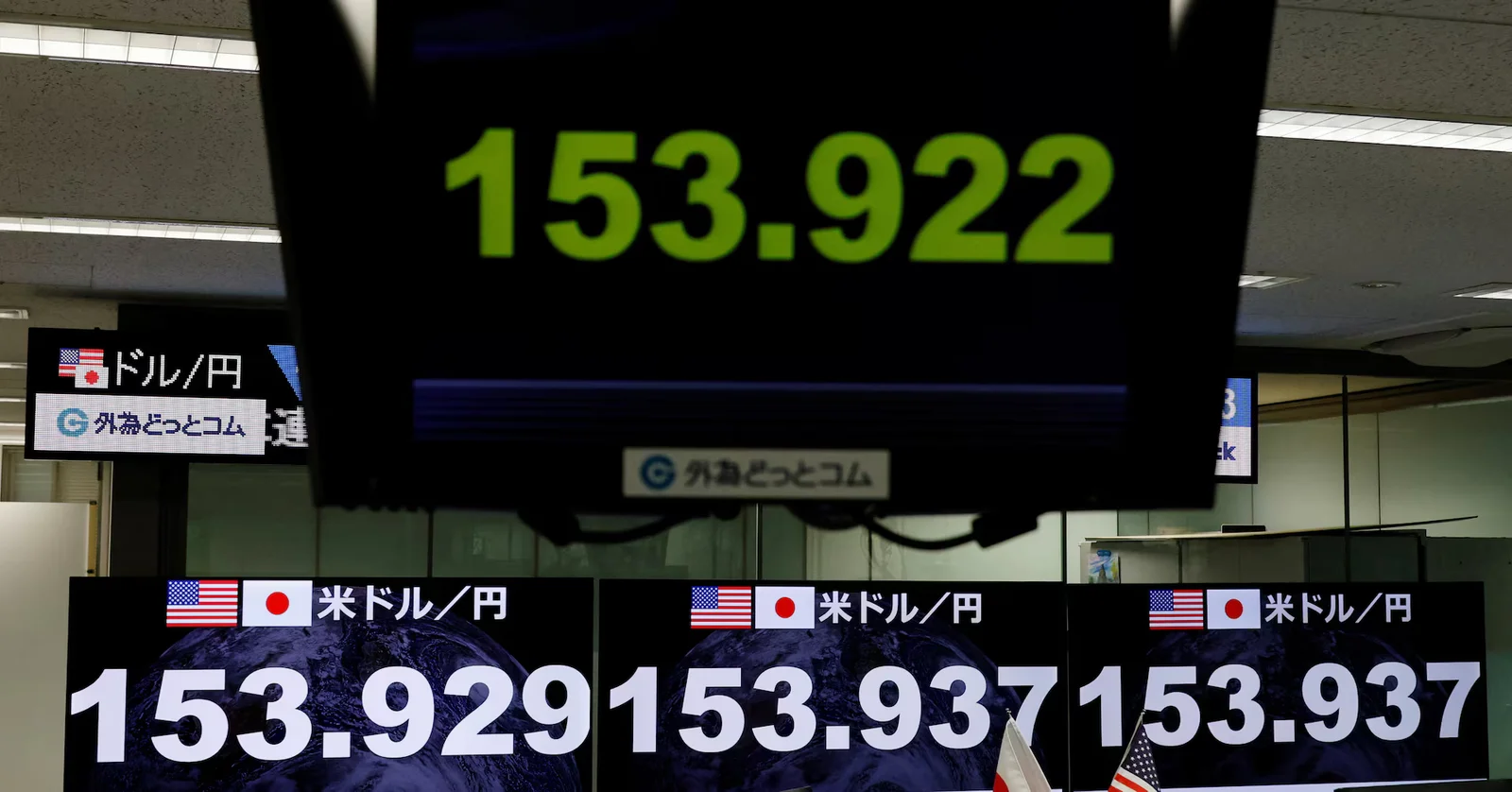
The US dollar strengthened in Asia trade, pushing USD/JPY above 150.35, while Japan's finance minister's comments had little impact on the yen. The People's Bank of China (PBoC) announced a historic cut to its benchmark reference rate for mortgages, leading to the onshore yuan trading at its weakest against the dollar since November last year.
This article provides a cautionary note about the high level of risk associated with foreign exchange trading and the importance of careful consideration and education before engaging in such activities. It also emphasizes that FOREXLIVE™ is not an investment advisor and provides references and links to economic and market information for informational and educational purposes. The disclaimer highlights the need for independent analysis and decision-making, and the potential compensation from advertisers based on user interaction with advertisements.
US stocks moved lower after the Federal Reserve indicated that a rate cut in March is not the base case, with the NASDAQ down 1.67%, S&P down 1.28%, and Dow Industrial Average down 0.48%. In the Forex market, the EURUSD is trading at a new low, GBPUSD is moving away from its moving averages, and USDJPY is back above swing areas. Expectations for a rate cut in March have decreased to 30%, with the market now looking towards May.