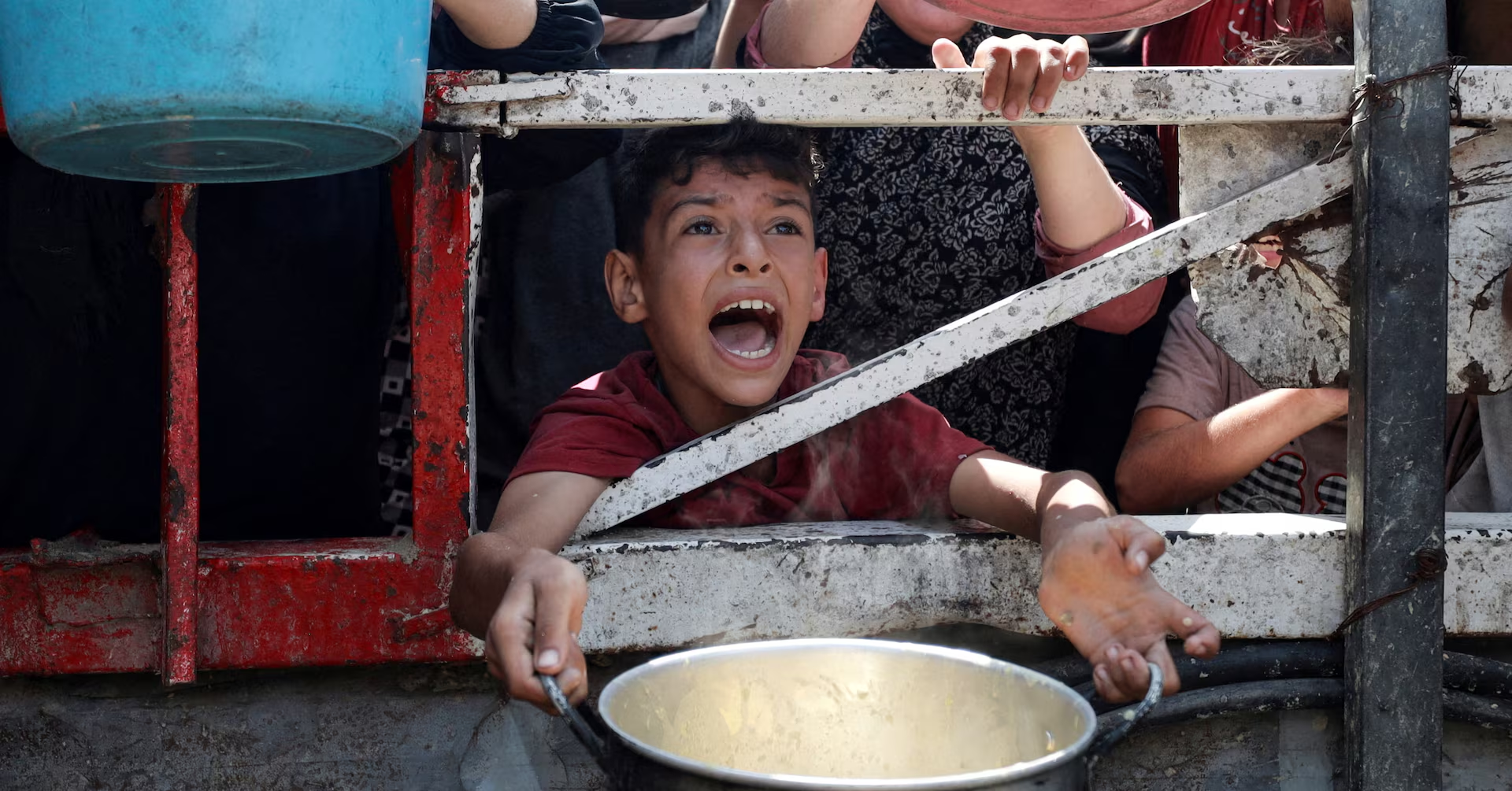
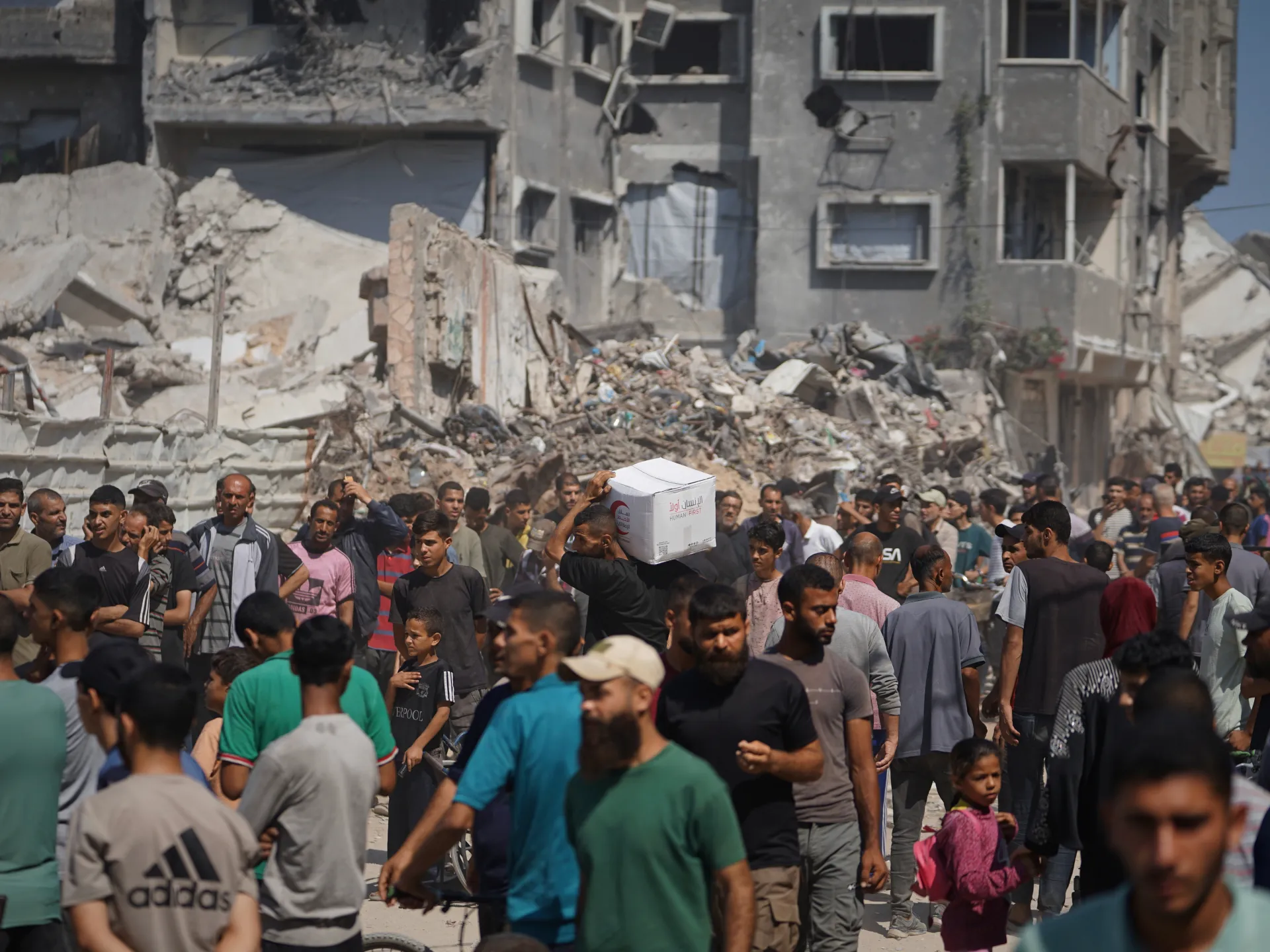
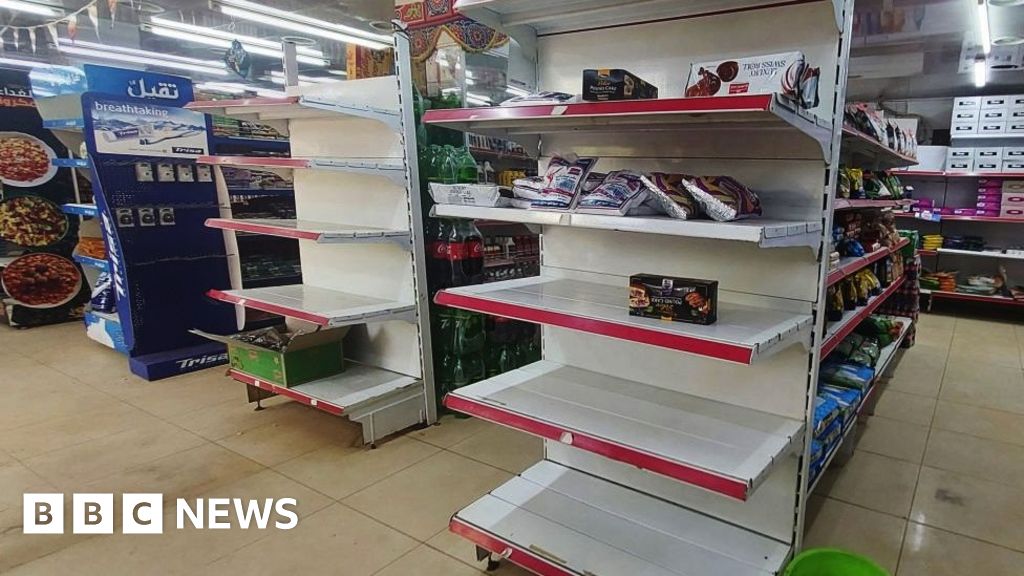
A severe food crisis in Gaza is nearing famine levels due to ongoing conflict, with international warnings of potential mass starvation unless aid restrictions are eased. Despite some aid entering Gaza, delivery remains insufficient, and the death toll has surpassed 60,000, highlighting the urgent need for increased humanitarian assistance.
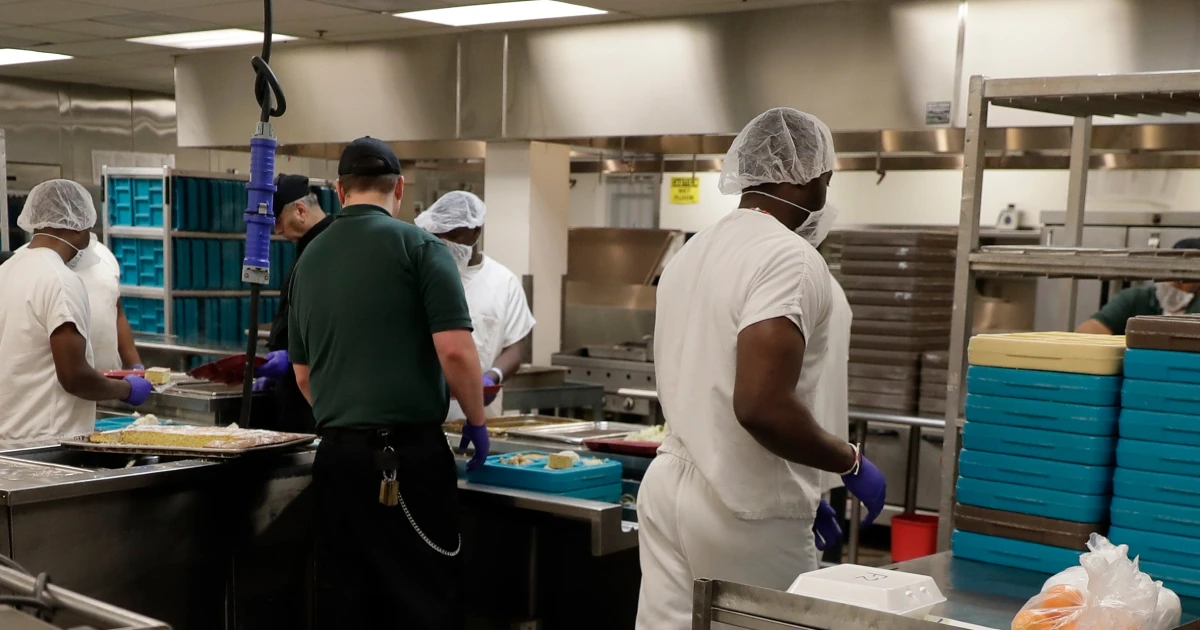
Immigrants in ICE detention centers across at least seven states are reporting hunger, spoiled food, and health issues due to overcrowding and systemic problems, with detainees and advocates raising concerns about declining conditions and reduced oversight, despite official denials.
Since May 27, nearly 600 Palestinians have been killed at aid centers in Gaza amid severe food shortages and ongoing conflict, with aid efforts hampered by violence, limited access, and inadequate supplies, leading to a humanitarian crisis especially affecting children and vulnerable populations.
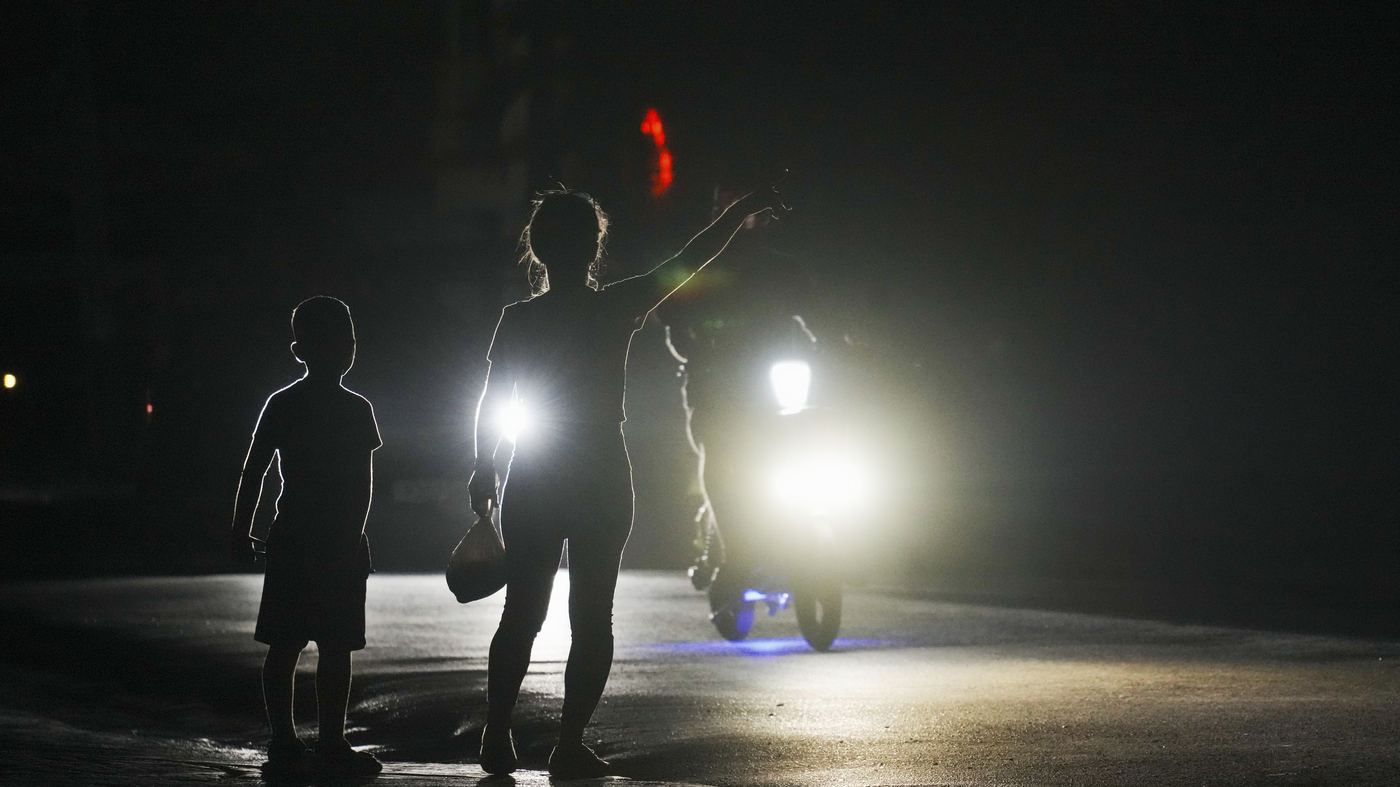
Hundreds of protesters in Cuba are demanding food and electricity as the country faces an energy crisis and worsening shortages. The demonstrations, the largest since 2021, have erupted in response to daily power outages, food scarcity, and a lack of public transportation. Cuba's economy has been in decline since the pandemic, exacerbated by sanctions and a financial deficit. The government has responded with limited food rations and blaming the crisis on U.S. sanctions, while some protesters have been detained.
Protests in Cuba continue over severe food and electricity shortages, with Senator Marco Rubio attributing the crisis to the country's Marxist policies. Cuban officials blame the US embargo for the shortages, while the US denies a food embargo and calls for the Cuban government to respect protesters' rights. The ongoing embargoes, soaring food prices, and travel restrictions are seen as exacerbating the situation, with the State Department urging the Cuban government to refrain from violence and unjust detentions and to respect citizens' rights for peaceful assembly.
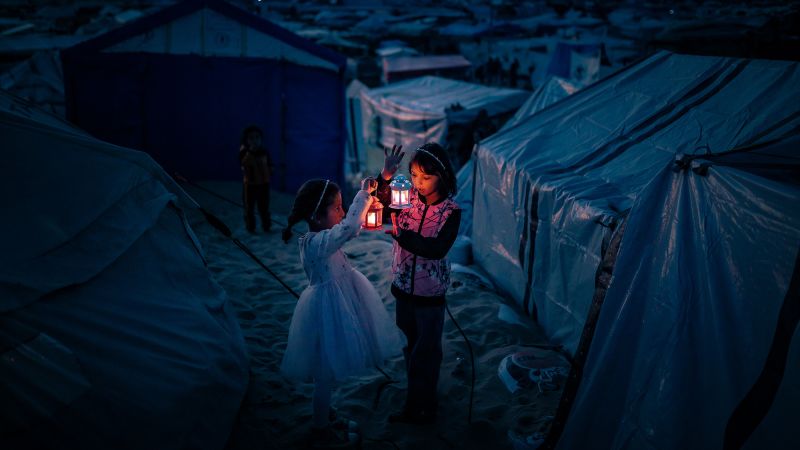
Palestinians in Gaza are facing a dire humanitarian crisis during Ramadan, with food shortages leading to deadly hunger and starvation. Israeli attacks and a siege have devastated the region, leaving many displaced and struggling to find enough sustenance to break their fast. Aid delivery is obstructed, and civilians are forced to scavenge for food in garbage. The destruction of mosques and the loss of communal rituals have added to the immense suffering, as residents try to find moments of relief amidst colossal devastation.
Cuba has charged 30 people for stealing 133 tonnes of chicken from a state facility in Havana and selling it on the street, using the proceeds to buy electronics. The stolen chicken was meant for Cuba's subsidized rationbook system, which has seen a decline in availability due to economic crisis. The suspects, including employees and outsiders, could face up to 20 years in prison if found guilty. This rare major heist comes at a time of food shortages and increased crime in the communist-run nation.
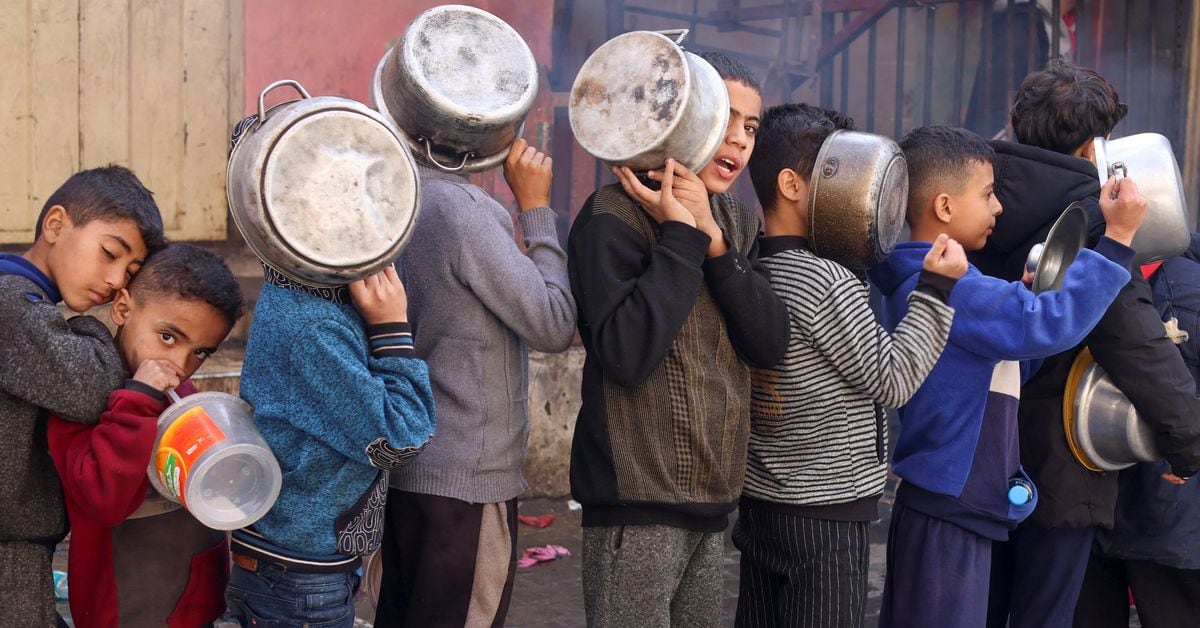
Displaced families in Gaza, including children, are suffering from severe hunger as the ongoing war impedes food deliveries. Many families are struggling to find enough food and water to survive, with aid trucks only able to bring in a fraction of what is needed. Some trucks have been looted, and access roads to devastated areas are active battlegrounds. The lack of food and clean water is causing weight loss, dizziness, and illness among the population, particularly affecting babies and children. The dire situation has led to families resorting to eating inadequate meals, rationing water, and even making meals out of onions. The war has resulted in a humanitarian catastrophe, with thousands of people, mostly women and children, killed and displaced.
Cuban ministers have revealed the extent of the economic crisis in the country, with food production, pharmaceutical supply, and transportation down by at least 50% since 2018. Chronic fuel shortages and power outages have contributed to the decline, along with the impact of the pandemic, U.S. sanctions, and a decline in tourism. Staple foods like pork, rice, and beans have seen production drop by over 80% this year, while hospitals are facing shortages of basic supplies. Public transportation has also been severely affected, with a significant decrease in the number of buses operating. The Cuban government acknowledges the need for economic reform but is hampered by a lack of funds.
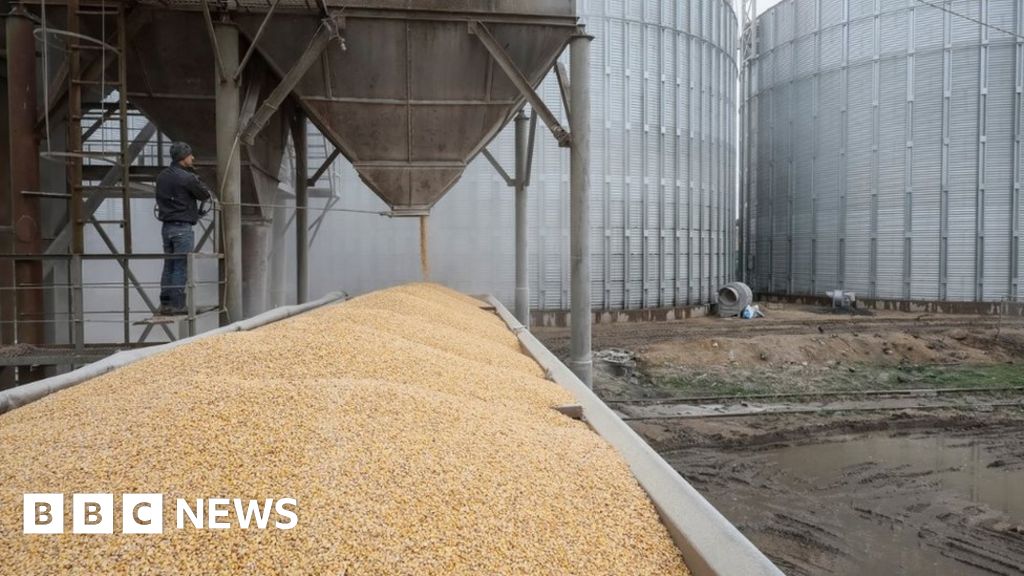
The last ship carrying grain under the UN-brokered deal allowing Ukraine to export its grain has left the Black Sea port of Odesa, just a day before the deadline for an extension. Russia has refused to extend the deal unless its demands on its own grain and fertilizers are met. The deal was struck in 2022 amid concerns of global food shortages following Russia's invasion of Ukraine. Both Ukraine and Russia are major grain exporters. The ship, TQ Samsun, is heading to Istanbul. Russian President Vladimir Putin stated that key provisions of the deal had not been met, suggesting that Moscow could suspend its participation. The deal has facilitated the export of over 30 million tonnes of grain and other foods from Ukraine, benefiting countries across income levels.
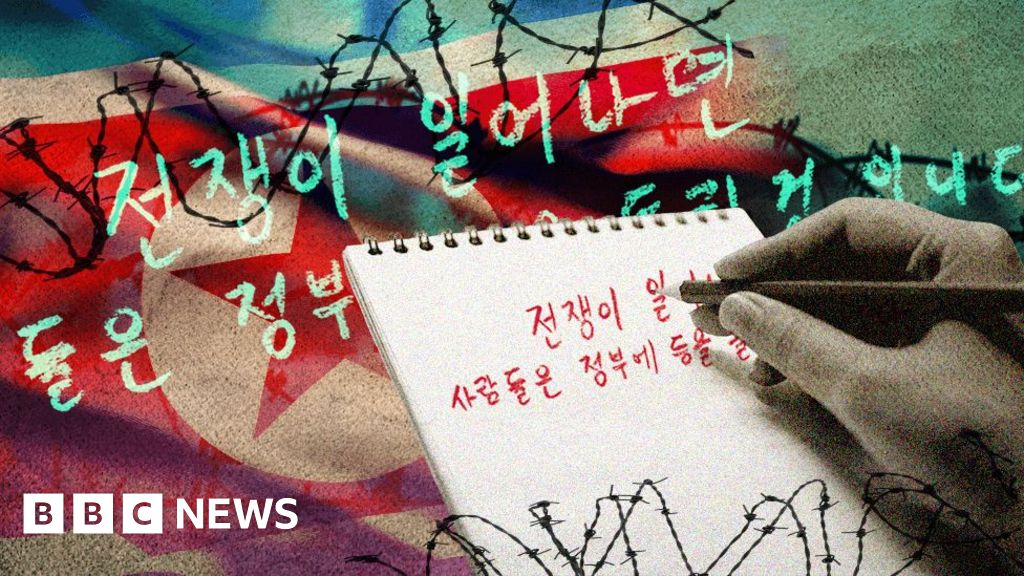
The BBC conducted secret interviews with three North Koreans inside the country, with the help of a news organization in South Korea, to investigate the consequences of the North Korean government's decision to seal the country's border more than three years ago. The interviews revealed a dire humanitarian and human rights situation unfolding in the country, chronic food shortages, and severe crackdowns and punishments. The interviews were corroborated by NK Pro, a news service in Seoul which monitors North Korea, and other sources. The interviewees are safe, but the situation in North Korea remains critical.
Ongoing fighting in Sudan's capital, Khartoum, is causing food shortages, as well as disrupting access to water and electricity. Water and electricity cuts have affected many Sudanese homes since clashes began between the Rapid Support Forces (RSF) paramilitary group and the Sudanese army on 15 April. The UN's World Food Programme (WFP) announced the suspension of aid provision to Sudan on 16 April following the death of three of its staff in the region of Darfur.