Jamaica reports low flu vaccine uptake despite influenza and SARI levels remaining at seasonal norms, with no reported deaths so far this season. Health officials urge vigilance due to the aggressive flu strain in the US and ongoing travel, emphasizing the importance of vaccination, hygiene, and routine health checks to mitigate risks. Regional health authorities are coordinating outreach and monitoring vaccine distribution, with no shortages reported.
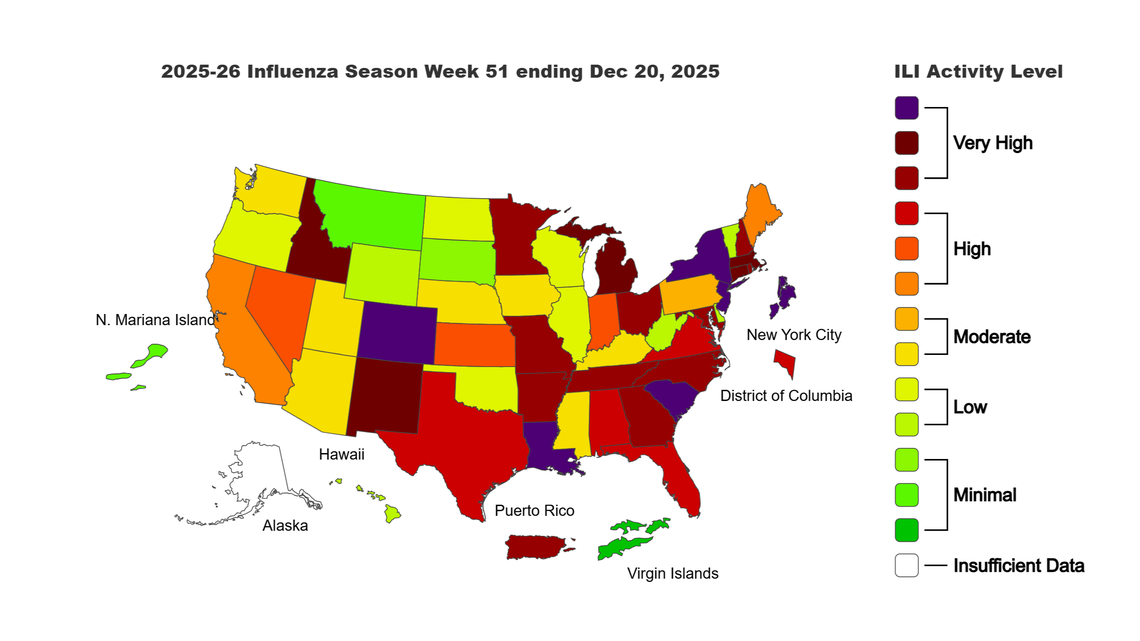
Flu cases are rapidly increasing in the Boise area and southern Idaho, with the CDC reporting high activity levels and a predominance of influenza A. Health officials emphasize the importance of vaccination and preventive measures, as the flu season peaks and severe cases, including hospitalizations and a death, are reported. It is not too late to get vaccinated to reduce severity and prevent complications.
Dr. Jeremy London, a heart surgeon with over 25 years of experience, shares four practical tips to protect yourself from the flu during winter: wash hands frequently, get a flu shot, prioritize sleep, nutrition, and exercise, and consider supplements like vitamin D, vitamin C, and zinc to boost immunity. While not foolproof, these habits can significantly reduce your risk and severity of illness.
CDC officials are urging Americans to get flu vaccines and antivirals amid record child deaths and circulating virus mutations, emphasizing the importance of vaccination to prevent severe illness and death, especially among vulnerable groups, despite challenges like vaccine hesitancy and virus mutations.
Colorado has reported its first pediatric death of the 2025-2026 flu season, with a surge in flu activity leading to increased hospitalizations and school closures. Health officials emphasize the importance of flu vaccination and good hygiene practices to prevent severe outcomes, especially as the season may be longer and more severe than usual.
Fewer than 25% of San Diego residents have received flu shots, despite the risk posed by a mutated H3N2 virus subtype, subclade K, which is spreading globally. Experts emphasize that vaccination, even if not a perfect match, provides significant protection against severe illness and hospitalizations, and recommend getting vaccinated before peak flu season in January.
The article emphasizes the importance of getting flu shots early in the fall, ideally by the end of October, to protect against the seasonal flu, especially for vulnerable groups. It highlights that flu vaccines are available at McCook’s Pharmacy for those aged 4 and older, and encourages taking preventive measures like hand-washing and staying home when sick. The CDC recommends vaccination for all eligible individuals to reduce severe illness and co-administration with COVID-19 vaccines is possible.
The CDC recommends getting the flu shot between September and October for the 2025-2026 flu season to best prevent influenza and its complications, especially for high-risk groups, with vaccination available for everyone 6 months and older. The vaccine options include trivalent and enhanced vaccines for seniors, with egg-free options for those with allergies.
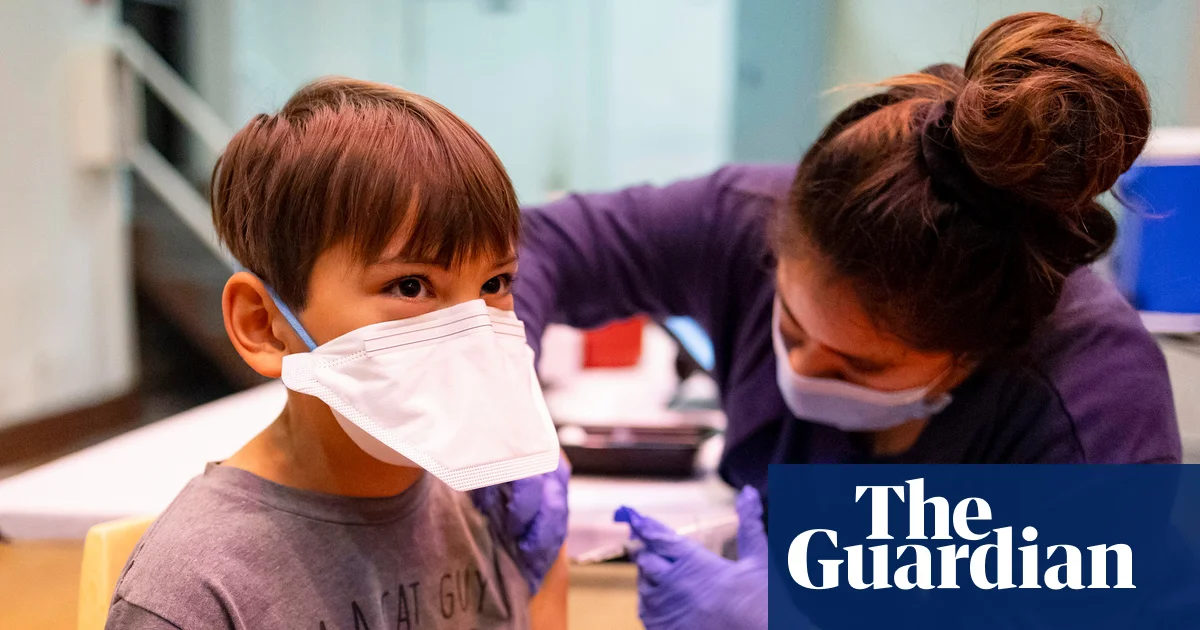
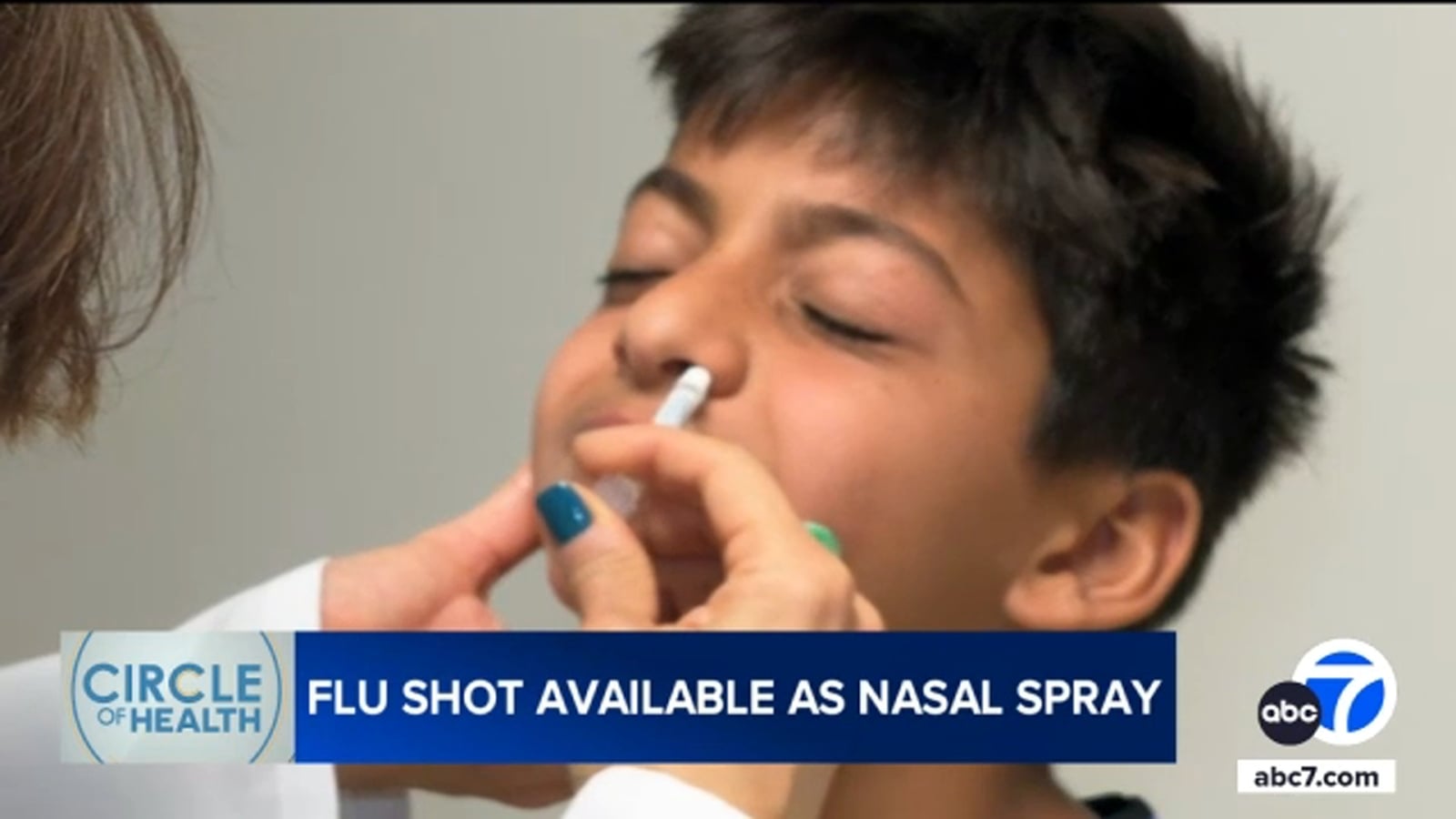
The upcoming flu season is expected to be severe, prompting health experts to recommend vaccination for everyone six months and older, with new options like the FluMist nasal spray available for self-administration at home, which is especially appealing to children and athletes due to its pain-free application.
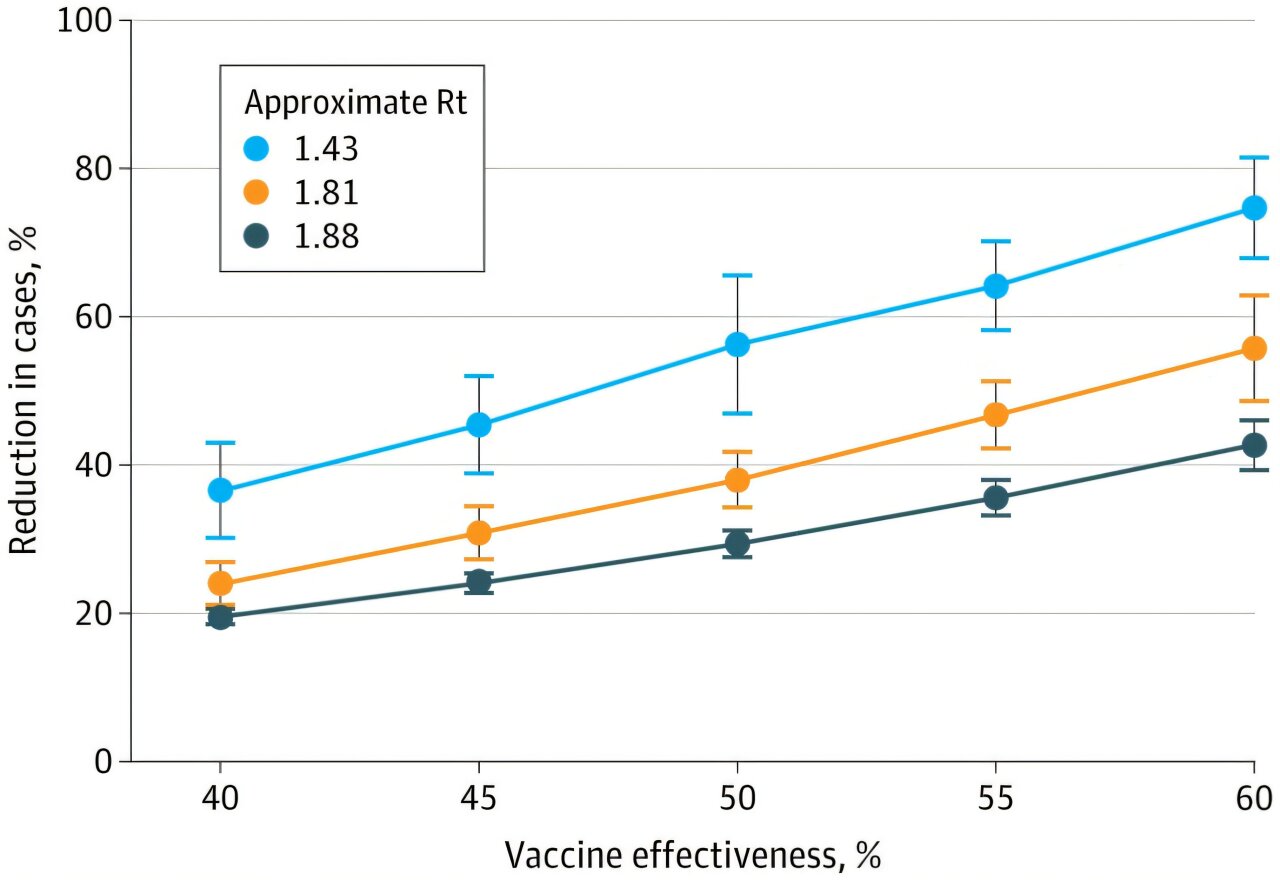
A study using a simulated population found that seasonal flu vaccines prevented approximately 33% to 42% of infections and provided indirect protection to unvaccinated individuals, especially during typical transmission seasons, highlighting the community-wide benefits of vaccination beyond individual protection.
A pharmacist and medical director shared 10 daily habits that take less than 10 minutes to boost overall well-being. A study suggests that flu vaccination may reduce the risk of heart attacks and cardiovascular death. Three women surprised their friend with systemic lupus by running the NYC Marathon in her honor. Cases of the BA.2.86 variant have tripled in two weeks, according to the CDC. Veterinarians share safety tips to protect pets from holiday hazards. Eating certain foods has been linked to an increased risk of colorectal cancer. A cardiologist warns about an overlooked heart health risk. A doctor offers tips to prevent the spread of cold and flu viruses at home. A Colorado cardiac nurse who survived three heart attacks shares her survival tips.
Influenza, commonly known as the flu, presents a significant public health challenge in India. The country carries a substantial burden of the flu, with outbreaks occurring throughout the year. The flu can lead to severe complications and even death, particularly in high-risk groups such as young children, older adults, and individuals with chronic health conditions. The flu vaccine is the most effective tool for safeguarding against the flu, reducing the risk of contracting the virus, severe complications, hospitalization, and mortality. Flu vaccines are readily available in India and getting vaccinated is crucial for protecting public health and reducing the burden of this contagious and potentially life-threatening virus.
The US Centers for Disease Control and Prevention (CDC) is monitoring the spread of the JN.1 COVID-19 variant, which is part of the same lineage as the BA.2.86 variant. JN.1 contains an extra spike mutation and has been detected in the United States and 11 other countries. The CDC expects that updated COVID vaccines will help protect against both variants, and it reassures the public that new variants are monitored for their impact on vaccines, tests, and treatments. In other news, a study from Japan suggests that seasonal flu vaccination is associated with reduced antibiotic use in people over 65. The US Food and Drug Administration (FDA) has warned consumers to avoid certain over-the-counter eye drops due to potential infection risk. A study from Denmark found that over 50% of long-COVID patients failed to improve 1.5 years after their initial diagnosis, regardless of the variant they were infected with. Lastly, a study in British Columbia, Canada, revealed that by July 2023, over 80% of residents younger than 50 had been infected with SARS-CoV-2, while over 40% of those aged 80 or older remained uninfected and at higher risk for severe outcomes.
Rhode Island ranks second in the United States for vaccinations, trailing only Massachusetts. The state leads in HPV vaccination rates for teenagers aged 13-17 and flu vaccination rates for adults. WalletHub analyzed key metrics to determine the rankings, including the share of vaccinated children, flu vaccination rates among adults, and the share of people without health insurance. Vaccines are estimated to prevent 4 to 5 million deaths worldwide annually, according to the World Health Organization.